
Hypertrophic cardiomyopathy is the most common heart disease in cats, and its defining feature is that most affected cats show nothing at all until something catastrophic happens.
There is no cough, no exercise intolerance, no gradual decline that owners can spot. Cats compensate silently, and then present in crisis.
That makes this a case where knowing the emergency signs genuinely matters. Diagnosis and treatment belong with your vet.
The emergency that arrives without warning
Sudden hind limb paralysis with obvious pain is a cardiac emergency. It needs veterinary attention within minutes to hours, not the next morning.
It is caused by a clot forming in the enlarged heart, travelling downstream and lodging where the main artery divides to the back legs — sometimes called a saddle thrombus.
- Sudden inability to use one or both hind legs.
- Crying out, often loudly and continuously — it is extremely painful.
- Cold hind paws, pads that look pale or blue.
- Dragging the back end, panic, rapid breathing.
- Frequently no prior sign of illness whatsoever.
Owners commonly assume a fall or a broken leg. The distinguishing features are the severity of the pain, the coldness of the limbs, and that it happened at rest rather than after a jump.
Our guide to emergency vet care for cats in Fresno covers where to go out of hours.
The other emergency: heart failure
Fluid accumulating around or within the lungs produces breathing difficulty, and in cats that is always urgent.
Open-mouth breathing, visible abdominal effort, or a resting breathing rate that has climbed noticeably all warrant immediate attention.
Cats do not pant like dogs. Any cat breathing with its mouth open is in trouble regardless of the cause.
What HCM actually is
The muscular wall of the heart’s main pumping chamber thickens. A thicker wall sounds stronger, but it makes the chamber smaller and stiffer, so it fills poorly.
Over time that leads to congestion, to blood pooling and clotting, or to abnormal rhythms. It is progressive, and there is currently no cure.
| Feature | Detail |
|---|---|
| Commonest presentation | None — found incidentally or in crisis |
| Typical age | Any, though frequently middle-aged |
| Breeds at higher risk | Maine Coon, Ragdoll, British Shorthair among others |
| Inheritance | Genetic in some breeds; testing exists |
| Also seen secondary to | Hyperthyroidism, high blood pressure |
| Curable | No — managed rather than cured |
The Cornell Feline Health Center covers the condition in clinical detail.
Why the secondary causes matter
Heart muscle changes can be driven by hyperthyroidism or hypertension rather than by primary heart disease — and those are treatable.
That is one reason routine bloodwork and blood pressure checks from middle age are worth doing. Treating the thyroid can improve the heart.
Our guides to hyperthyroidism in cats and kidney disease in cats cover the two conditions most often behind secondary changes.
How it is found
Frequently by accident, which is the best way for it to be found.
- A murmur heard on examination — though many cats with HCM have no murmur, and many murmurs are harmless.
- An abnormal rhythm or gallop sound.
- Blood testing, including cardiac markers that can suggest heart muscle stress.
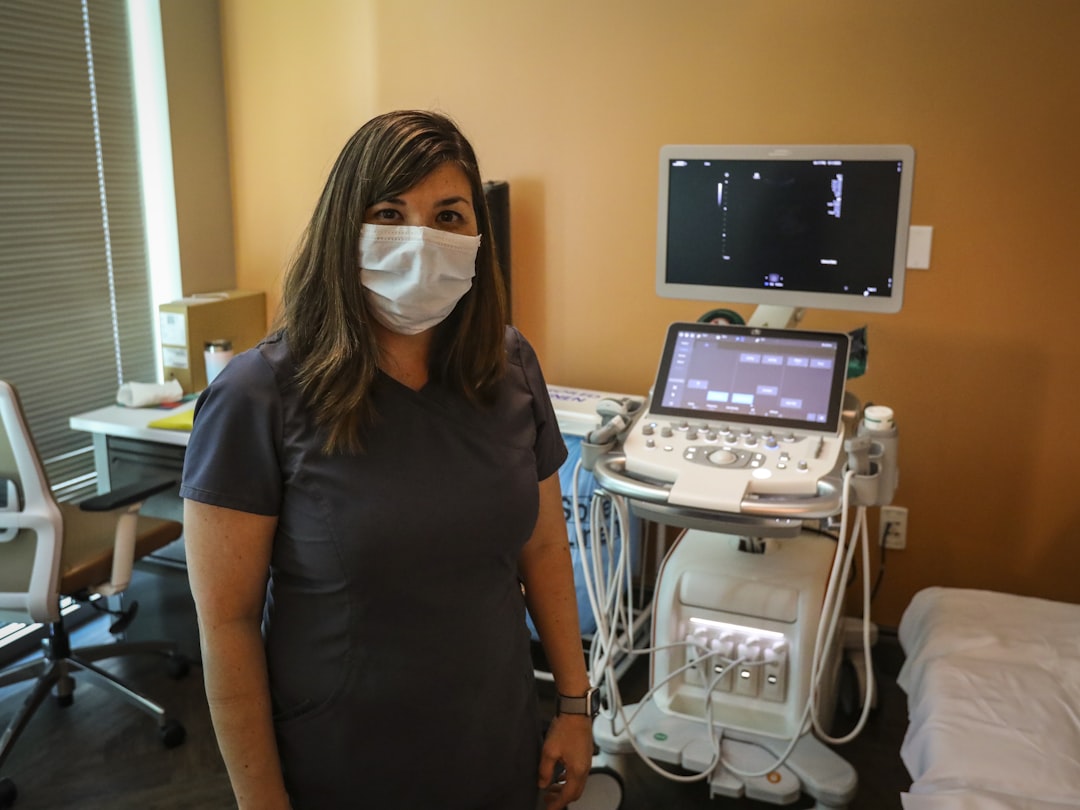
- Echocardiogram — an ultrasound of the heart, which is the definitive test.
- Pre-anaesthetic screening, which is how a number of cases surface.
- Breed screening in predisposed breeds, sometimes including genetic testing.
A murmur alone is not a diagnosis and its absence is not reassurance. Only imaging settles it.
The single most useful thing you can do at home
Learn to count your cat’s sleeping respiratory rate. It is free, takes a minute, and is the best early warning of developing heart failure available to owners.
Count the rise and fall of the chest while the cat is properly asleep, for thirty seconds, and double it. Do it occasionally when the cat is well to establish its normal.
A sleeping rate consistently above about thirty breaths a minute, or a clear rise from that cat’s own baseline, warrants contacting your vet.
This one habit detects deterioration days before a cat looks unwell, and vets take it seriously when owners report it.
Treatment
There is no cure. Treatment aims to manage congestion, reduce clot risk and control rhythm problems.
| Aim | Typical approach |
|---|---|
| Reduce fluid accumulation | Diuretics |
| Reduce clot risk | Anti-clotting medication |
| Support heart function | Medication depending on the individual case |
| Treat underlying cause | Thyroid or blood pressure treatment if relevant |
| Monitor progression | Repeat imaging and bloodwork |
| Emergency episodes | Oxygen, drainage, hospitalisation |
Prognosis varies enormously. Cats diagnosed incidentally with mild changes may live years with little intervention; cats presenting in heart failure or with a clot have a considerably harder course.
Ask your vet for a realistic picture in months or years rather than a general answer, and ask what deterioration will look like.
Living with it
Practical management is mostly monitoring and medication rather than restriction.
- Give medication consistently at the same times.
- Count and record sleeping respiratory rate weekly.
- Keep the cat at a healthy weight.
- Avoid unnecessary stress and heat, both of which increase cardiac demand.
- Tell any vet about the diagnosis before anaesthesia for anything.
- Attend recheck appointments even when the cat seems well.
That anaesthesia point matters. Undiagnosed heart disease is a genuine anaesthetic risk, and a known diagnosis changes how a procedure is managed.
Breeding and screening
HCM has a known genetic basis in several breeds, and responsible breeders screen for it.
If you are buying a pedigree kitten of a predisposed breed, ask specifically what cardiac screening the parents have had and when. Our comparison of rescues, shelters and breeders covers what responsible breeding involves.
For adopted cats of unknown background, routine veterinary examination and awareness of the emergency signs are the practical equivalents.
Our guides to how often a cat should see the vet and end-of-life decisions cover monitoring and, eventually, the harder conversation.
Frequently Asked Questions
What is the first sign of heart disease in cats?
Often there is none. Most cats with hypertrophic cardiomyopathy show nothing until they present in crisis — usually sudden hind limb paralysis from a clot, or breathing difficulty from heart failure.
My cat suddenly cannot use its back legs — what is happening?
Treat it as a cardiac emergency. A clot lodging where the main artery divides causes sudden, extremely painful hind limb paralysis with cold pads. It needs veterinary attention within minutes to hours.
Does a heart murmur mean my cat has heart disease?
Not necessarily, and its absence is not reassurance either. Many cats with HCM have no murmur and many murmurs are harmless. Only an echocardiogram settles the question.
What can I monitor at home?
Sleeping respiratory rate. Count chest rises for thirty seconds while the cat is properly asleep and double it. Consistently above about thirty, or a clear rise from that cat’s baseline, warrants a call.
Can feline heart disease be cured?
No. Treatment manages congestion, reduces clot risk and controls rhythm problems. Cats found incidentally with mild changes may live years; those presenting in failure have a harder course.
Should I tell a vet about the diagnosis before surgery?
Always. Undiagnosed heart disease is a real anaesthetic risk, and a known diagnosis changes how any procedure — including routine dentistry — is planned and monitored.