

There are three realistic routes to getting a cat, and they differ far more than people expect — not mainly on cost, but on how much you know about the animal before you commit.
This is a straight comparison rather than an argument. There are legitimate reasons to choose each, and one route that is worth avoiding entirely.
The three routes compared
| Factor | Foster-based rescue | Municipal shelter | Registered breeder |
|---|---|---|---|
| Typical cost | Low to moderate | Lowest | Highest by a wide margin |
| Temperament known | Yes, from home life | Partly, from kennel behaviour | Breed tendencies, not individual |
| Already vetted and fixed | Usually | Usually | Varies, often not yet |
| Choice of age | Mixed, mostly adults | Mixed, kittens seasonal | Kittens almost exclusively |
| Predictable appearance | No | No | Yes |
| Wait time | Days to weeks | Same day possible | Months, often a waiting list |
| Screening of you | Thorough | Moderate | Varies widely |
| Takes the cat back for life | Usually | Sometimes | Reputable ones do |

Municipal shelters
Shelters hold the largest number of cats needing homes, charge the least, and can often complete an adoption the same day.
The fee is usually heavily subsidised and frequently includes sterilisation, vaccination and a microchip — a package worth several times what you pay.
The limitation is information. A cat in a kennel is a stressed cat, and shelter staff see behaviour under stress rather than behaviour at home. Confident cats show well; frightened ones do not, regardless of how they would be in a living room.
- Best for: cost, immediate availability, and the widest choice.
- Weakest on: knowing how the cat behaves in a normal household.
- Ask specifically: how long has it been here, and how has it changed?
Foster-based rescues
Foster-based rescues keep cats in volunteer homes rather than kennels, which changes what they can tell you.
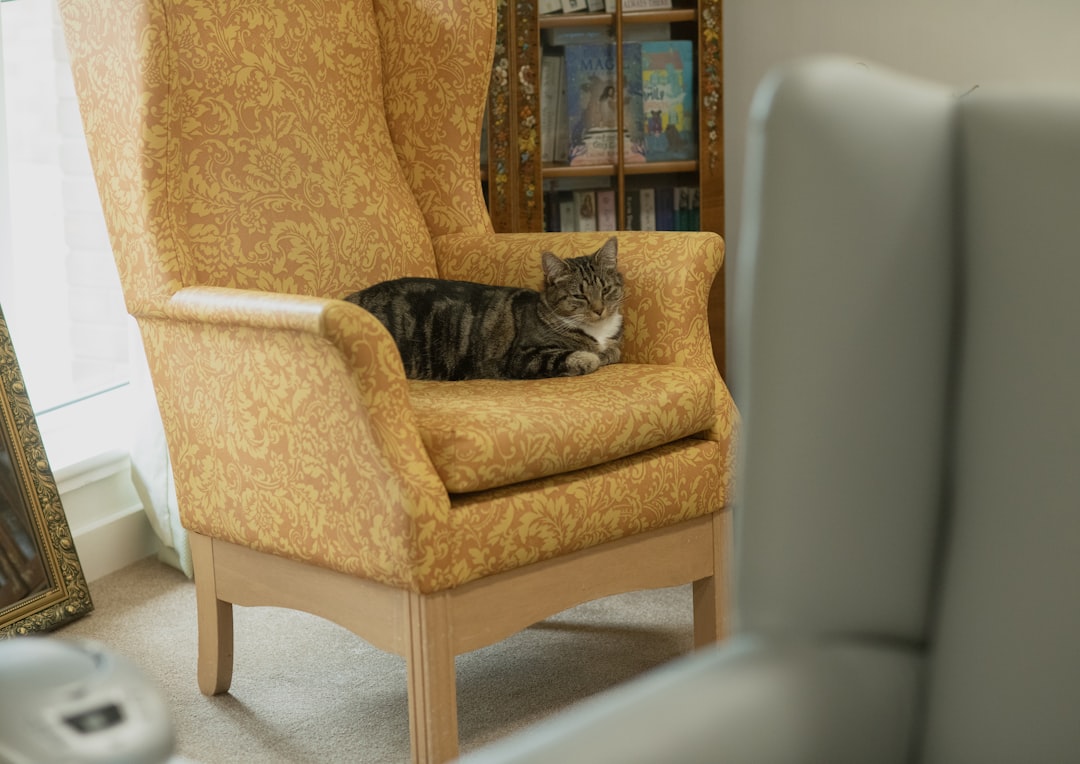
A foster carer has watched the cat around a television, a doorbell, a vacuum cleaner, possibly children and other pets, for weeks. That is a different quality of information entirely.
The trade-offs are a smaller selection at any one time, a more thorough application process, and usually a wait of days or weeks rather than walking out the same afternoon.
- Best for: matching accuracy, and first-time owners who want guidance.
- Weakest on: immediate availability and breadth of choice.
- Ask specifically: what is this cat like on an ordinary evening?
Our comparison of adopting versus fostering covers the other side of that arrangement.
Registered breeders
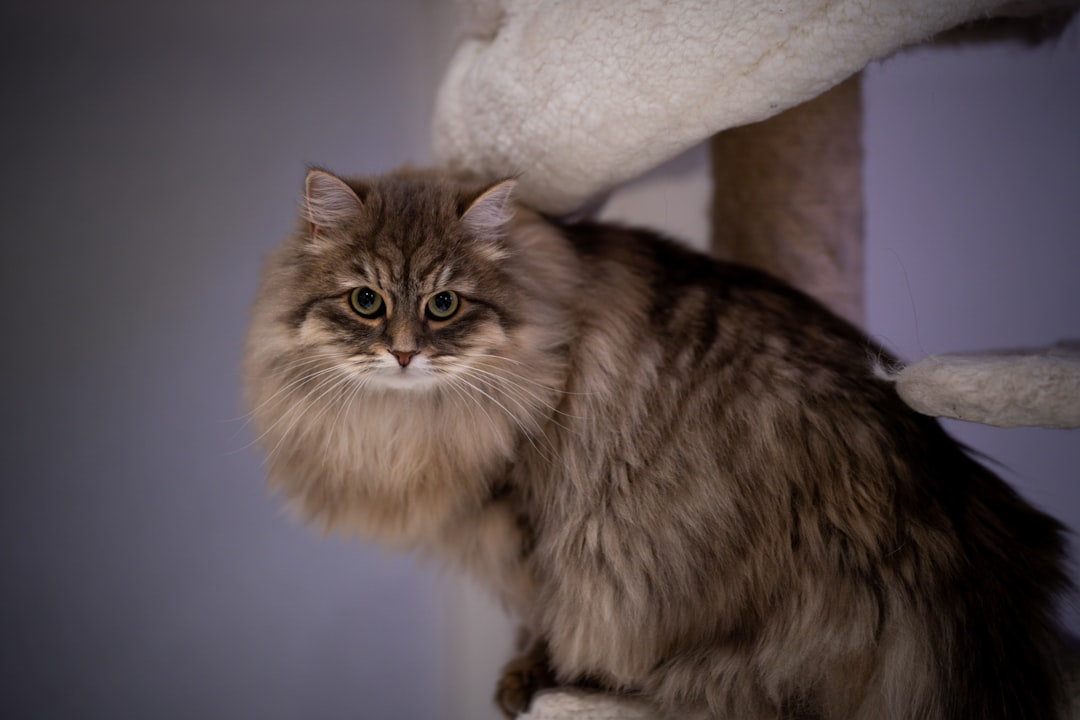
There are legitimate reasons to go to a breeder: a specific breed temperament, predictable size and coat, or a documented health-tested line.
A responsible breeder health-tests parents for breed-specific conditions, registers with a recognised body, keeps kittens until at least twelve weeks, and will take an animal back at any point in its life.
The cost is substantially higher, and the wait is usually months. You are also choosing a kitten, which means the individual personality is still unformed — you get breed tendencies rather than a known character.
- Best for: predictable size, coat and breed temperament.
- Weakest on: cost, wait, and knowing the individual cat.
- Ask specifically: what health testing was done on both parents?
The route to avoid
Backyard breeders and kitten sellers advertising online are a different proposition from registered breeders, and the warning signs are consistent.
| Warning sign | Why it matters |
|---|---|
| Will not let you see the mother | She may be in poor condition, or not exist |
| Kittens available under 8 weeks | Too young; causes lifelong behaviour problems |
| Meeting in a car park | No premises to inspect |
| No health testing or vet records | Hereditary conditions untested |
| Several breeds always available | Volume operation, not a breeder |
| Pressure to decide immediately | Standard tactic; walk away |
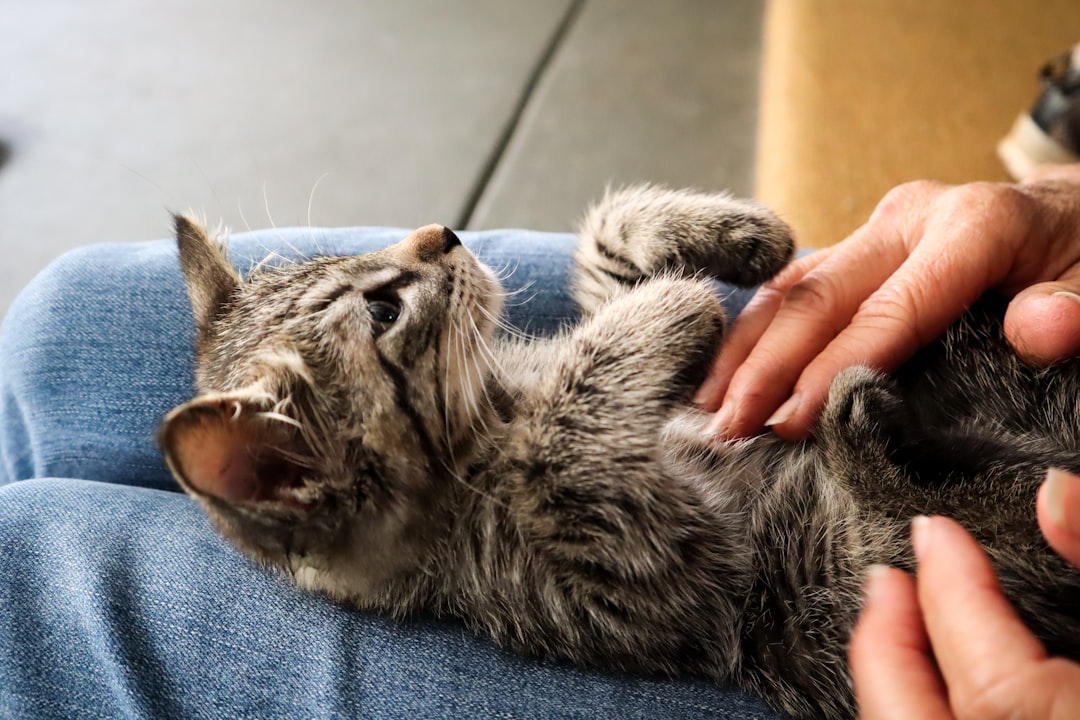
Kittens separated from their mother before eight weeks miss critical social learning, and the resulting problems — biting, litter box issues, poor bite inhibition — frequently surface months later.
Cost over a lifetime
The purchase price is the smallest number in any of these routes, which reframes the comparison considerably.
| Cost | Rescue or shelter | Breeder |
|---|---|---|
| Initial fee | Low, often includes vetting | High, vetting often extra |
| Spay or neuter | Usually included | Usually your responsibility |
| Initial vaccinations | Usually included | Sometimes partial |
| Microchip | Often included | Sometimes |
| Annual running cost | Identical | Identical |
| Breed-specific health risks | Generally lower | Higher in some breeds |
Our breakdown of what a cat costs per year covers the ongoing figures, which are the same whichever route you take.
Which suits your situation
- Want a known personality? Foster-based rescue, adult cat.
- Working full time? Adult cat, or a bonded pair, from either a rescue or shelter.
- Tight budget? Municipal shelter — the package is heavily subsidised.
- Need a specific breed trait? Registered breeder, with health testing verified.
- First-time owner? Foster-based rescue, for the ongoing support.
- Have young children? An adult cat with a documented history around children.
That last point runs against instinct. A kitten seems like the child-friendly choice, but an adult cat with a known record around children is far more predictable.
Whichever route you choose
Ask the same questions regardless of source: what is known about health, what is known about temperament, what happens if it does not work out.
An organisation or breeder that will take the animal back for life is the clearest single marker of one worth dealing with.

Cat Friendly Homes, run by the American Association of Feline Practitioners, publishes further guidance on choosing and settling a cat.
Our guide to what shelters look for in an adoption application covers presenting yourself well, and our adoption page explains how our foster-based process works.

Frequently Asked Questions
Is it better to adopt from a rescue or a shelter?
Shelters offer the lowest cost, widest choice and same-day adoption. Foster-based rescues offer far better information about temperament, since cats live in homes rather than kennels. Neither is universally better.
Why do rescues screen adopters so thoroughly?
Because a returned cat costs them more than a slow adoption, and returns are distressing for the animal. Screening is about matching rather than judging, and good rescues explain their reasoning.
Is buying from a breeder wrong?
Not inherently. There are legitimate reasons — predictable breed temperament, size, coat, or a health-tested line. What matters is choosing a responsible registered breeder rather than a volume seller.
How do I spot a backyard breeder?
They will not let you see the mother, offer kittens under eight weeks, meet in car parks, have no health testing or vet records, always have several breeds available, and pressure you to decide immediately.
Why should kittens stay with their mother until eight weeks?
Earlier separation means missing critical social learning. The consequences — biting, poor bite inhibition and litter box problems — frequently surface months later and are hard to reverse.
Which route is best for a first-time cat owner?
A foster-based rescue, and usually an adult cat. You get an accurate description of temperament plus ongoing support, both of which matter more than people expect in the first few months.