

A cat adoption application can feel like it’s testing you, but shelters aren’t trying to catch you out — they’re trying to match a specific cat with a home where it’ll actually thrive long-term. Here’s what they’re really evaluating.
The Core Things Shelters Evaluate
Per general adoption application guidance, shelters are looking for honesty, realistic expectations, financial preparedness, a stable living situation, and a genuine commitment to the cat’s long-term welfare — not a perfect résumé of prior pet ownership.
Common Questions on a Typical Application
- Living situation — do you own or rent, and does your lease allow pets?
- Household members — other adults, children, and existing pets
- Lifestyle — hours spent away from home, indoor-only vs. outdoor access plans
- Prior pet experience, if any
- Financial readiness for ongoing costs, including unexpected vet care
- Long-term commitment — plans for the cat if your living situation changes
Proof of Pet-Friendly Housing
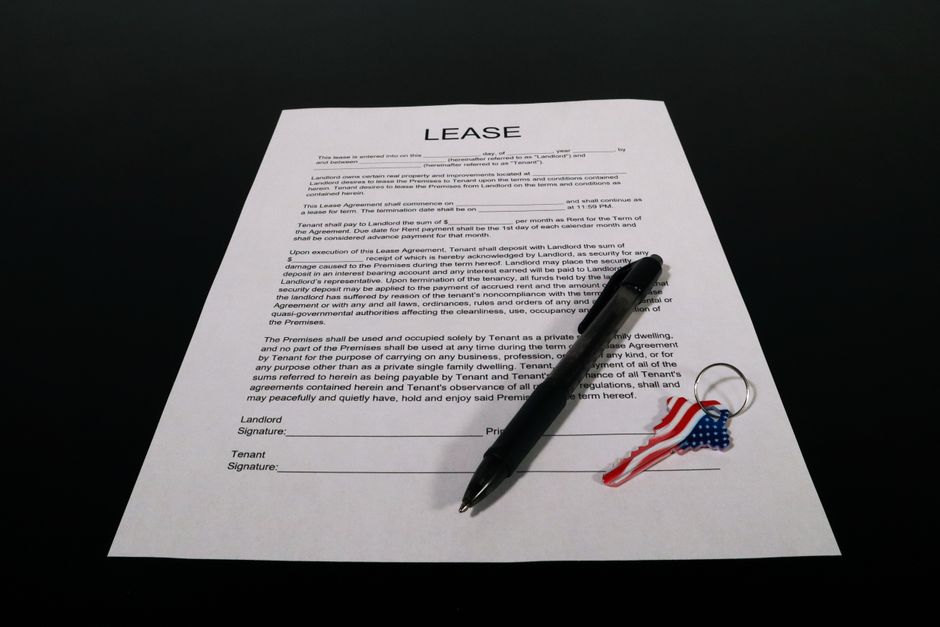
Most shelters and rescues will ask renters for a copy of their lease or a landlord approval letter confirming pets are allowed. This is one of the more common points where an otherwise-strong application stalls, simply because the adopter didn’t have this documentation ready. See our guide to renting with a cat for tips on getting landlord approval before you even start applying.
Home Visits: Not Universal, But Sometimes Required
Some rescue groups, particularly breed-specific or specialized rescues, require a home visit before finalizing an adoption — a representative typically checks general living conditions and looks for obvious hazards. This is far less common with general municipal shelters, but worth asking about upfront if it would affect your timeline.
Spending Time With a Specific Cat First
If a shelter has a visitation room, use it. A cat that seems scared or standoffish in its cage can be completely different once it’s out and away from the noise of other animals — and that time also lets you get a genuine read on compatibility before committing.
Tips for a Smoother Application
- Answer honestly rather than trying to guess the “right” answer — mismatched expectations cause more returns than an imperfect application
- Have your lease or landlord letter ready before you apply if you rent
- Be specific about your daily schedule so staff can suggest a cat whose temperament actually fits it
- Ask questions of shelter staff — they’ve spent real time with each animal and can often steer you toward a better match than you’d find on your own
Why Applications Feel More Thorough Than They Used To
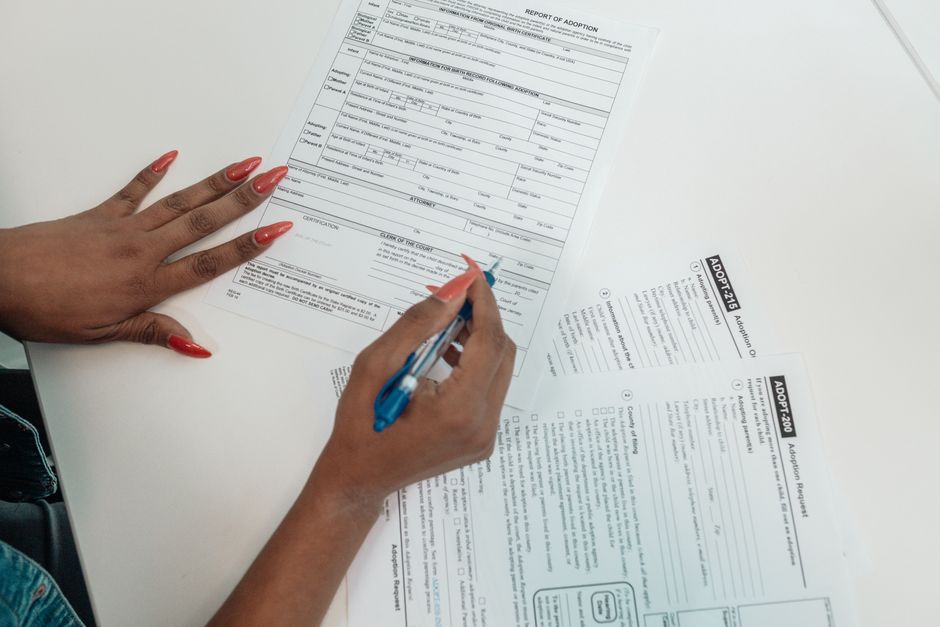
Shelters and rescues have generally become more detailed in their application process over the years, largely in response to a real, ongoing problem: pets returned shortly after adoption due to a mismatch that a more thorough application might have caught early. A longer application isn’t bureaucratic overreach — it reflects a genuine effort to reduce the number of cats that end up back in the shelter system within weeks of going home.
What Happens After You Submit
Timelines vary considerably by organization — some shelters approve a straightforward application within a day, while others, particularly smaller volunteer-run rescues, may take a week or more to review and follow up, especially if a home visit or reference check is part of their process. If you haven’t heard back within the timeframe an organization quoted, a polite follow-up call is entirely reasonable rather than something that reflects poorly on you as an applicant.
If Your Application Is Denied
A denial isn’t necessarily final or personal — it sometimes reflects a mismatch with a specific cat’s needs rather than a judgment about you as a potential owner generally. Asking the shelter directly what specifically didn’t fit can be genuinely useful, both for that immediate situation and for adjusting your approach with a different cat or organization going forward.
How Foster-Based Rescues Approach Applications Differently
A foster-based rescue like Cats By The Tracks often has an advantage over a general shelter here — since cats live in real foster homes rather than kennels, the foster parent can usually speak in specific, detailed terms about a cat’s behavior around kids, other pets, or noise, which lets the application and matching conversation go deeper than a shelter relying only on brief observation between cage cleanings. This is part of why foster-based rescues sometimes ask a few additional questions compared to a general municipal shelter — the goal is genuinely matching a known cat to the right household, not adding bureaucracy for its own sake.
References: When and Why They’re Requested
Some rescues, particularly smaller or breed-specific ones, ask for a veterinary reference if you’ve owned pets before, or a personal reference if you haven’t. This isn’t a sign of distrust — it’s simply another data point that helps a small organization feel confident about a placement, especially since a smaller rescue doesn’t have the built-in safety net of a large shelter’s more standardized intake process. Having a vet’s contact info or a reference ready before applying can meaningfully speed up your approval.
Applying to Multiple Organizations at Once
There’s nothing wrong with submitting applications to more than one shelter or rescue simultaneously if you’re not set on a specific cat — it can actually speed up the overall process and widen your options, especially in an area with several distinct adoption paths. The main courtesy here is letting other organizations know once you’ve adopted elsewhere, so staff aren’t left holding a pending application for a cat you’re no longer considering.
Screening varies considerably depending on where you apply. Our comparison of rescues, shelters and breeders covers what each route asks of you and what you learn about the cat in return.
Applications are sometimes declined, and there is a constructive way to respond. Our guide to what to do when you disagree with a rescue’s decision covers asking about the reasoning rather than objecting to the outcome.
Frequently Asked Questions
Do shelters really check landlord approval?
Many do, especially for renters — a lease agreement or a landlord approval letter confirming pets are allowed is one of the most commonly requested pieces of documentation.
Will a home visit be required to adopt a cat?
Not always — home visits are more common with breed-specific or specialized rescues than with general municipal shelters, but some organizations do require one before finalizing an adoption.
What if I’ve never owned a cat before?
Being a first-time owner isn’t disqualifying — shelters are mainly looking for realistic expectations and a genuine commitment, not necessarily prior experience.
Why do applications ask about my work schedule?
Hours spent away from home help shelter staff match you with a cat whose temperament fits your lifestyle — a highly social cat may struggle with an owner gone 12 hours a day, while an independent cat may do just fine.
Ready to Apply?
Browse our adoptable cats and reach out if you have questions before applying.