
Renting with a cat is manageable in nearly every rental market, but it usually requires more than just asking — a written approval letter, proof of vaccinations, and sometimes an additional pet deposit. Per The International Cat Association (TICA), here’s what actually helps a rental application with a cat succeed, and what to have ready before you sign.
What a Cat Pet Deposit Typically Costs
| Fee Type | Typical Range | Refundable? |
|---|---|---|
| Pet deposit | $100–$300 | Usually, if no damage occurs |
| Non-refundable pet fee | Varies by property, often $100–$500 | No |
| Pet rent (monthly) | $10–$50/month | N/A — ongoing charge |

Building a Cat “Resume” Before You Ask
A landlord’s hesitation about cats usually comes down to a few specific, addressable concerns. Having documentation ready upfront makes your case far stronger than a verbal request alone:
- A reference letter from a previous landlord confirming your cat didn’t cause damage or issues
- Veterinary records showing your cat is spayed/neutered, vaccinated, and healthy
- Confirmation that your cat is litter-trained and kept strictly indoors
- Recent photos and a brief description of your cat’s temperament

Writing the Landlord Letter
Keep the letter itself short — 200 to 350 words is generally enough. Lead with the specific request, back it up with the documentation above, and offer a concrete accommodation (an additional deposit, renter’s insurance, a written pet addendum to the lease) rather than just asking for trust.

Once you get a yes, get it in writing — a verbal approval doesn’t protect you if a dispute comes up later. A lease addendum specifically naming your cat is the safest way to formalize the agreement.
The Concerns Landlords Actually Have
| Landlord Concern | How to Address It |
|---|---|
| Odor | Daily litter scooping, sealed disposal, and a clearly stated commitment to keeping the litter area clean |
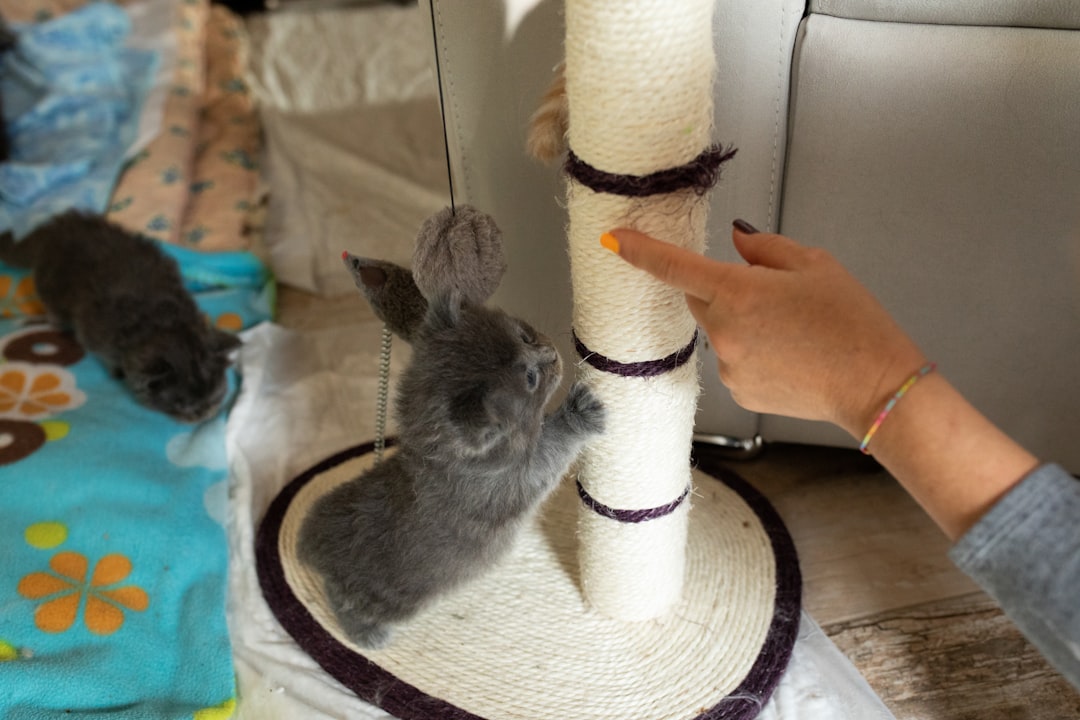
| Scratched floors or furniture | A dedicated scratching post placed near favorite scratching spots, and nail trims |
| Noise complaints from neighbors | Cats are generally much quieter than dogs — worth stating explicitly, since it’s often assumed rather than known |
| Damage to walls or carpet | Offering an additional deposit specifically earmarked for pet-related damage |
Does Renter’s Insurance Cover Cat Damage?
Standard renter’s insurance typically covers your own belongings, not damage your cat causes to the rental unit itself — that’s what the pet deposit is specifically meant to address. Some landlords do accept proof of renter’s insurance as an added trust signal during the approval process, even though it doesn’t directly insure pet-related property damage. If you’re offering flexibility to reassure a hesitant landlord, mentioning that you carry renter’s insurance can still help the overall impression, even though it’s a separate issue from the pet deposit itself.
Cat-Friendly Features Worth Prioritizing When Apartment Hunting
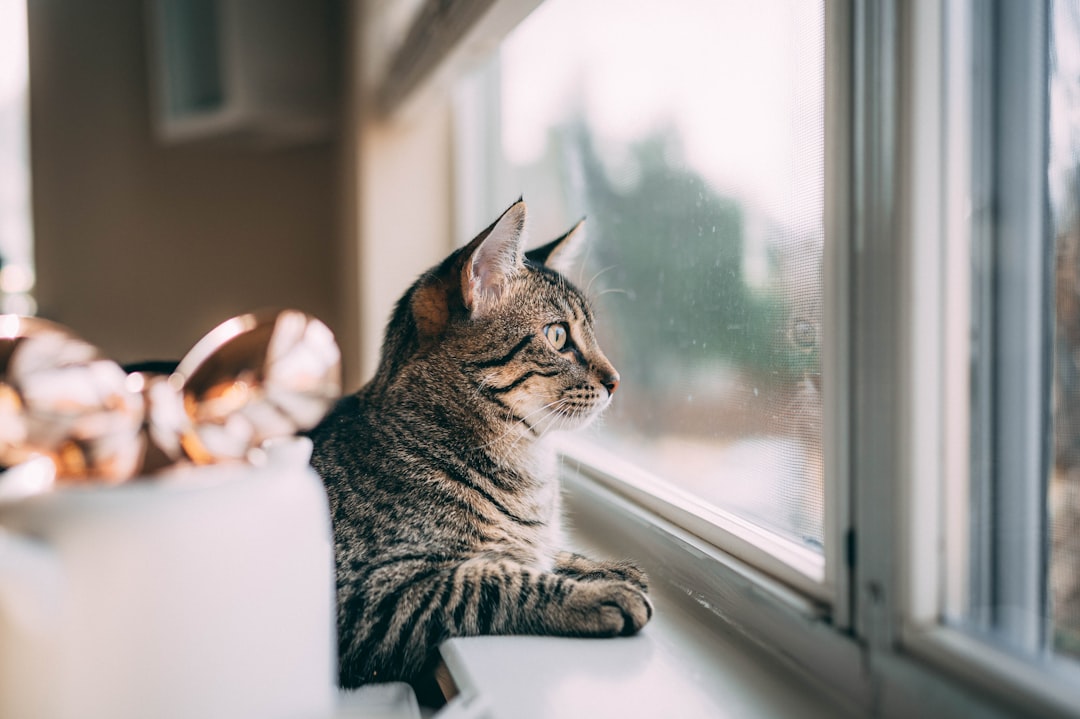
- Window sills or ledges wide enough for a cat to perch and watch outside
- A layout with at least one quiet room where a litter box can sit away from high foot traffic
- Hard flooring in at least part of the unit, which is easier to keep odor-free than wall-to-wall carpet
- Balconies or windows that can be secured with a screen, since cats can and do fall from unsecured high floors
None of these are dealbreakers if a unit lacks them, but they make day-to-day life easier for both you and your cat once you’re settled in.
If You’re Already Renting Without Pet Approval
Adopting a cat before securing written approval is a real risk — it can technically violate your lease even if your landlord never explicitly said no. If you’re already in this situation, it’s worth proactively requesting approval rather than waiting to be asked, since a landlord who discovers an unapproved pet during a routine inspection is in a much worse position to say yes than one you approached directly.
Deciding Whether Now Is the Right Time to Adopt
If you’re renting and still working out pet approval, it’s worth being honest about timing before you adopt. A cat brought home to an unapproved unit adds housing risk on top of the normal adjustment period, and a sudden move if approval falls through is stressful for everyone involved, cat included.
If you’re not fully settled on your housing situation yet but still want to help, fostering is worth considering as a lower-commitment option — most foster arrangements can pause or end if your housing situation changes, which isn’t true once you’ve formally adopted.
Moving with a Cat
If you’re relocating rather than starting a new lease, confirm pet policy with the new landlord or property before committing to the move, not after your cat is already there. A cat’s adjustment to an unfamiliar space is stressful enough without adding housing uncertainty — see our guide to the first 30 days with a new cat for what to expect once the move itself is settled.

Frequently Asked Questions
Are pet deposits legal for cats?
It depends on your state — general security deposits are legal everywhere, but a separate, additional pet deposit is only legal in some states. Check your local tenant law before assuming a landlord’s pet fee is standard or required.
How much is a typical cat deposit?
Pet deposits commonly range from $100 to $300, though this varies significantly by location and property. Some landlords charge a non-refundable pet fee instead of, or in addition to, a refundable deposit.
What should a landlord pet letter include?
Aim for 200–350 words covering your cat’s basic info, litter-trained/indoor-only status, vet records, and a reference from a previous landlord if available. Concrete proof is more persuasive than a general appeal.
Can renting with a cat void my lease if it’s not allowed?
Yes, if pets genuinely aren’t permitted and you haven’t gotten approval in writing. Always secure landlord approval in writing — a verbal yes doesn’t protect you if a dispute comes up later.
Renting and Considering a Cat?
Cats By The Tracks can help you think through timing and readiness before you adopt, including questions about your specific housing situation.