
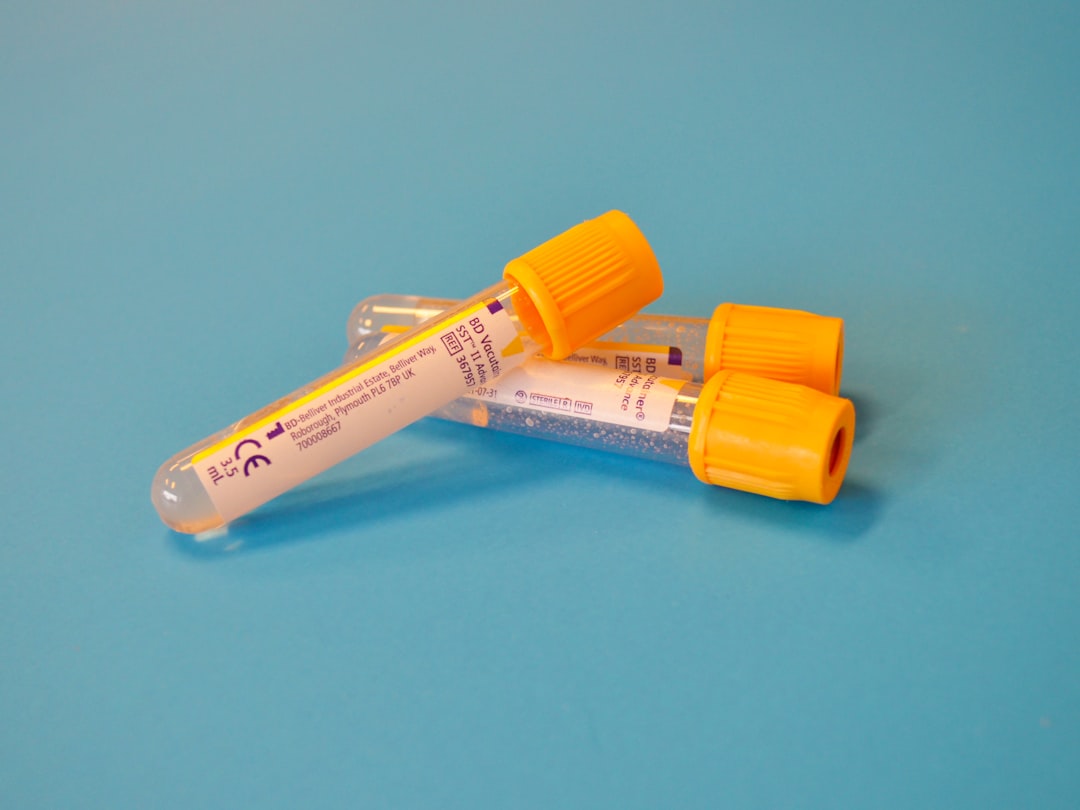
Vets hand over a printout covered in abbreviations and reference ranges, explain it in two minutes, and owners go home understanding roughly none of it.
This is a plain-English guide to what the main values represent — not so you can interpret your own results, which is genuinely not possible from a single panel, but so you can ask better questions.
Every number below means something different depending on the cat, its age, its history and the other values alongside it. That interpretation is your vet’s job.
Why one abnormal number rarely matters
This is the single most useful thing to understand, and it prevents a great deal of unnecessary alarm.
Reference ranges are built so that a proportion of entirely healthy animals fall outside them. Run enough tests on a healthy cat and something will read slightly high or low.
- Patterns across several values matter more than any single one.
- Trends over time matter more than one snapshot.
- Mild deviations are frequently insignificant.
- Stress alone alters several feline values meaningfully.
- Some values shift with age, recent eating, and even the sample handling.

Which is why “one number is slightly outside the range” is usually a reason to recheck rather than to worry.
The two halves of a standard panel
Most feline blood work combines two things, often with a urine sample alongside.
| Panel | What it looks at |
|---|---|
| Complete blood count | The cells — red cells, white cells, platelets |
| Biochemistry | Organ function, proteins, electrolytes, glucose |
| Urinalysis | Kidney concentrating ability, infection, crystals |
| Thyroid (T4) | Usually added for cats over about seven |
| Specific add-ons | Cardiac markers, pancreatic tests, FIV/FeLV |
Urinalysis is the part owners most often skip on cost grounds and the one vets most want. Blood values alone can miss early kidney disease because the kidneys compensate by concentrating urine.
The blood count, in plain terms
This looks at cells rather than chemistry.
- Red blood cells, haemoglobin, haematocrit — oxygen-carrying capacity. Low suggests anaemia; high can suggest dehydration.
- White blood cells — the immune response. High often means infection or inflammation; low can mean several things including bone marrow issues.
- Platelets — clotting. Feline platelets clump in the sample easily, so a low reading is frequently artefact rather than real.

That last point is a genuinely common source of unnecessary alarm in cats specifically.
Biochemistry: the ones owners hear about
| Value | Broadly reflects | Commonly discussed when |
|---|---|---|
| Urea and creatinine | Kidney function | Raised in kidney disease or dehydration |
| SDMA | Kidney function, earlier marker | Detects change sooner than creatinine |
| ALT, ALP | Liver | Raised in liver conditions and some others |
| Glucose | Blood sugar | Diabetes — but stress raises it in cats |
| Total protein, albumin | Hydration, liver, gut, inflammation | Varies widely by cause |
| Phosphate | Mineral balance | Managed in kidney disease |
| Potassium | Electrolyte balance | Critical in urinary blockage |
| T4 | Thyroid | Hyperthyroidism in older cats |
The American Animal Hospital Association publishes owner-facing material on veterinary diagnostics and what to expect.
Stress genuinely changes cat results
This is more significant in cats than in most species and it is worth knowing before you panic about a glucose reading.
A frightened cat at a clinic can show raised blood glucose that has nothing to do with diabetes. Stress also affects white cell counts.
It is why vets use fructosamine — which reflects average glucose over preceding weeks — rather than diagnosing diabetes from a single reading.
Our guide to feline diabetes covers that specifically, and carrier training covers reducing the stress that distorts results in the first place.
Why baselines matter so much
A value can sit comfortably within the normal range and still represent a significant change for that individual cat.
A creatinine that has doubled but remains “normal” is meaningful. Without a previous result, nobody knows it doubled.
This is the strongest practical argument for routine bloodwork in healthy middle-aged cats: not to find disease that day, but to have something to compare against later.
Our guide to how often a cat should see the vet covers when screening should start.
Questions worth asking
- Which values are you actually concerned about, and which are incidental?
- Is this a meaningful change from last time, or a first result?
- Could stress, dehydration or recent eating explain any of this?
- What would you expect to see if this were the condition you suspect?
- Does this change what we do, or are we monitoring?
- When should we recheck, and what would we be looking for?
The fifth question is the most useful one. A finding that changes nothing is worth knowing about differently from one that changes treatment.
Ask for a copy
Request the actual results rather than a summary, and keep them.
They matter if you change practice, use an emergency clinic, or move. They also let a future vet see trends rather than starting from scratch.
Photograph them the day you receive them and keep the images somewhere durable.
What bloodwork cannot tell you
Worth being clear about, because owners sometimes expect a panel to answer everything.
- It does not diagnose most cancers.
- It does not assess the heart — that needs imaging.
- It does not detect arthritis or dental disease.
- It does not reliably identify early kidney disease without urinalysis.
- It does not replace examination, history and imaging.
A normal blood panel in a cat that is clearly unwell means the answer lies elsewhere, not that nothing is wrong.
Our guides to kidney disease, hyperthyroidism and feline heart disease cover the three conditions bloodwork most often prompts a conversation about.
Frequently Asked Questions
Should I worry if one blood value is slightly abnormal?
Usually not. Reference ranges are built so a proportion of healthy animals fall outside them. Patterns across several values and trends over time matter far more than a single number.
Why does my vet want a urine sample as well as blood?
Because blood values alone can miss early kidney disease — the kidneys compensate by concentrating urine, so urinalysis shows the change before creatinine rises. It is the test most often skipped and most wanted.
Can stress affect my cat’s blood results?
Yes, more than in most species. A frightened cat can show raised blood glucose unrelated to diabetes, and stress also affects white cell counts. This is why fructosamine is used rather than a single glucose reading.
Why does my vet want bloodwork on a healthy cat?
To establish a baseline. A value can sit inside the normal range and still represent a significant change for that individual — but only if there is a previous result to compare against.
What does bloodwork not show?
Most cancers, heart disease, arthritis and dental disease. A normal panel in a cat that is clearly unwell means the answer lies elsewhere, not that nothing is wrong.
Should I keep copies of my cat’s results?
Yes. Ask for the actual results rather than a summary and photograph them. They matter if you change practice, use an emergency clinic or move, and they let a future vet see trends.