

“Get a cat for the mice” is old advice, and working cat programmes have made it a formal placement route for cats that cannot live indoors.
The honest answer to whether it works is: partly, and not in the way most people assume. Understanding the mechanism matters, because it changes what to expect.
What cats actually do to rodent populations
Cats are effective hunters of individual rodents. Whether they control a population is a different question with a more nuanced answer.
- Cats readily kill mice, and are effective against them.
- Adult brown rats are large, aggressive prey that many cats avoid.
- A resident cat suppresses rodent activity partly by presence and scent, not only by hunting.
- Rodents alter behaviour in the presence of cats, moving and foraging less openly.
- Cats rarely eliminate an established infestation on their own.

That third point is the useful one. Much of the benefit comes from deterrence — rodents avoiding an area that smells of predator — rather than from kill numbers.
It also means a cat helps most at keeping a cleared area clear, and least at solving an established, well-fed infestation.
Where working cats genuinely help
| Setting | Effectiveness | Why |
|---|---|---|
| Barns and stables | Good | Feed stores attract mice; cats suppress them |
| Warehouses and yards | Good | Large spaces, ongoing low-level pressure |
| Nurseries and garden centres | Good | Deterrence in open structures |
| Breweries, mills, workshops | Good | Long-standing traditional use |
| Homes with an active infestation | Limited | Needs proper pest control first |
| Sites with poor food hygiene | Poor | Food source outweighs deterrence |
The last row is the honest limitation. A site with abundant accessible food will support rodents regardless of how many cats patrol it.
Best Friends Animal Society publishes guidance on working cat placement programmes.
Why working cat programmes matter
The value is not only rodent control. These programmes are the main placement route for cats that are healthy but genuinely unsocialised.
A truly feral adult cat will not become a house cat. Its realistic options are return to a managed colony, or placement at a site that needs cats and will care for them.

That makes working cat placement a genuine welfare outcome rather than a compromise, and it is why many shelters run these programmes for cats they cannot otherwise place.
Our guide to barn cat and working cat programmes covers how placements operate.
What a site must provide
This is not a free rodent solution. Working cats are cats, with the same needs as any other.
- Daily food and fresh water. Non-negotiable, permanently.
- Permanent shelter — a barn, outbuilding or insulated structure.
- Veterinary care when needed, including a plan for how to trap for it.
- A confinement period of two to four weeks on arrival.
- Protection from hazards — rodenticides, machinery, dogs.
- A long-term commitment, since these cats often live years.
The confinement period is not optional. A cat released immediately at an unfamiliar site simply leaves, usually to die trying to return to where it came from.
Our guide to relocating a community cat covers the confinement process in full.
The rodenticide problem
This is the single most important safety point and it is regularly overlooked.
A cat that eats a poisoned rodent can be poisoned itself, and anticoagulant rodenticides in particular cause fatal internal bleeding days after ingestion.

You cannot run a working cat programme and a poison-based rodent programme at the same site. Choose one, and if cats are arriving, remove the poison first.
Talk to neighbouring properties too, since cats range beyond their own site. Our guide to household and outdoor hazards covers rodenticides alongside other risks.
Feeding does not stop hunting
A persistent myth holds that a fed cat will not hunt. It is wrong, and acting on it is cruel.
Hunting is not driven primarily by hunger. Well-fed cats hunt readily, and a hungry cat is a weaker, less effective hunter, not a better one.
Starving a working cat produces a sick cat, not a more motivated one.
How many cats a site needs
Two or three is the usual recommendation for a typical barn or yard, and there are good reasons not to place a single cat.
- Cats placed in bonded pairs or small groups settle far better.
- A single cat at an unfamiliar site is more likely to leave.
- Small groups cover more ground and maintain territory more reliably.
- Companions reduce stress during the confinement period.

Very large sites may support more, but density has limits — too many cats at one site creates competition and disease pressure.
Our guide to disease in community cat colonies covers what happens when density is too high.
Realistic expectations
If you are considering working cats, the honest framing is this.
They will reduce rodent pressure meaningfully over months, particularly around feed stores and structures. They will not clear an established infestation quickly, and they will not replace proper food storage and building maintenance.
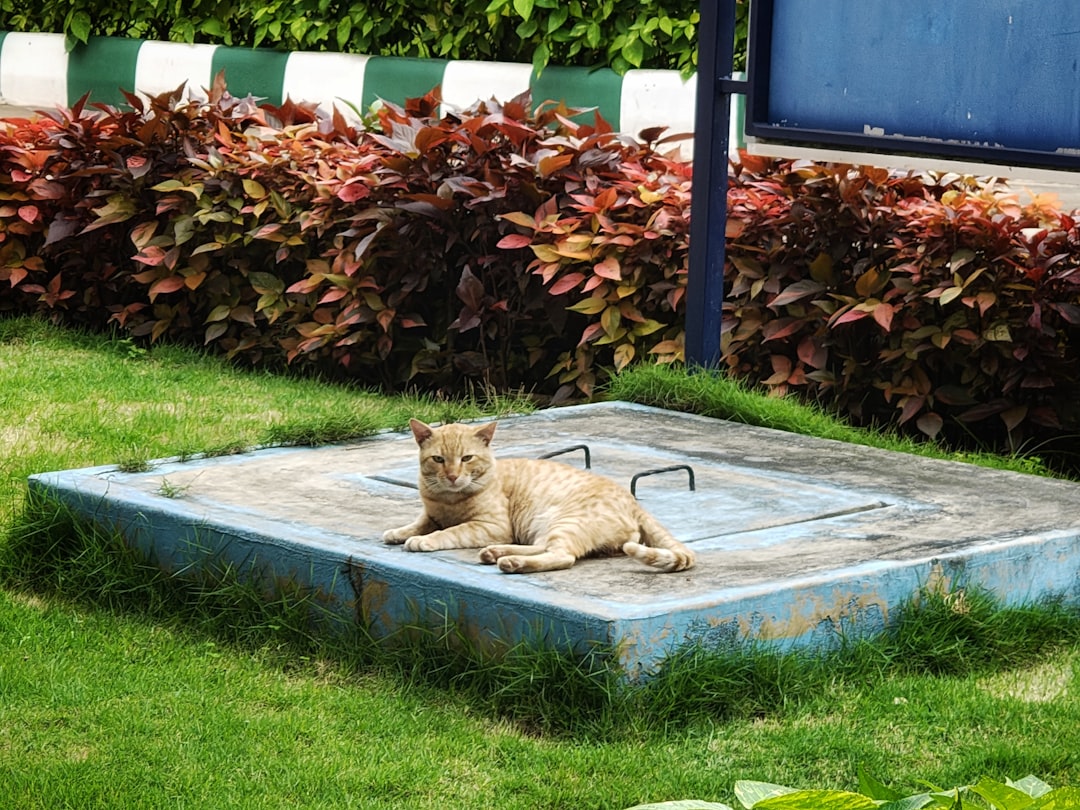
In exchange you are taking on animals for life. If that trade is acceptable, working cat placement is one of the better outcomes available for unsocialised cats.
Our guides to the difference between feral, stray and community cats and getting started with TNR cover how cats end up needing this route.
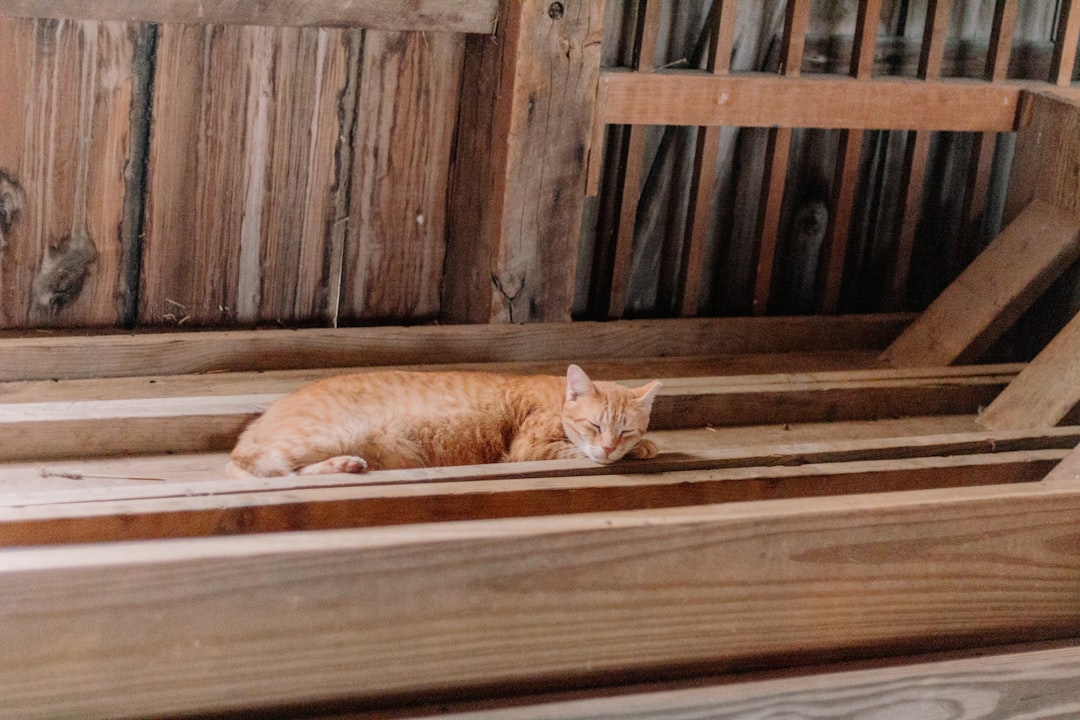
Before placing working cats
A site assessment prevents most failed placements, and it takes an hour.
- Confirm permanent shelter exists and is accessible year-round.
- Confirm someone will feed daily, indefinitely.
- Remove all rodenticide from the site and check neighbouring properties.
- Identify hazards — machinery, chemicals, unsecured roads, dogs.
- Confirm a secure space for the two to four week confinement period.
- Agree who handles veterinary care and how cats will be trapped for it.
Reputable programmes ask all of this before placing. If a programme does not, that is worth noting about the programme.
Our guide to relocating a community cat covers the confinement process that determines whether a placement holds.
Frequently Asked Questions
Do cats really get rid of mice and rats?
Partly. Cats readily kill mice, but many avoid adult brown rats. Much of the benefit comes from deterrence — rodents avoid areas that smell of predator — rather than from kill numbers alone.
Will a cat clear an existing rodent infestation?
Rarely on its own. Cats help most at keeping a cleared area clear. An established, well-fed infestation needs proper pest control and food storage improvements first.
Do working cats still need feeding?
Yes, daily and permanently. Hunting is not driven primarily by hunger — well-fed cats hunt readily, and a hungry cat is a weaker hunter, not a more motivated one.
Can I use rat poison if I have working cats?
No. A cat that eats a poisoned rodent can be poisoned itself, and anticoagulant rodenticides cause fatal internal bleeding days later. Remove poison before cats arrive.
How many working cats does a barn need?
Usually two or three. Cats placed in bonded pairs or small groups settle far better, cover more ground, and are much less likely to leave than a single cat at an unfamiliar site.
Do working cats need a confinement period?
Yes, two to four weeks in a secure enclosure at the new site. A cat released immediately simply leaves, usually attempting to return to where it came from.