
Parents regularly ask whether their children can come and help at a rescue, and are surprised when the answer is a polite no.
Most shelters set a minimum volunteer age of sixteen or eighteen. That is not because they dislike children — it is insurance, animal welfare and supervision capacity, all at once.
The good news is that the shelter floor is only one of many ways a family can contribute, and often not the most useful one.
Why age minimums exist
Understanding the reasoning makes it easier to find a workable alternative rather than shelter-shopping for a looser policy.
- Liability insurance frequently excludes minors from animal handling entirely.
- Frightened or under-socialised animals are unpredictable, and bites carry real consequences.
- Supervising a child costs staff time that a busy shelter does not have.
- Shelters handle distressing situations that children should not walk into unprepared.
- Disease control protocols are difficult to maintain with younger helpers.
None of these are objections to children caring about animals. They are objections to unsupervised minors in a clinical environment, which is a different thing.

What families can actually do, by age
| Age | Realistic contribution | Where it happens |
|---|---|---|
| Under 8 | Craft blankets and toys, collect donations | At home or school |
| 8–12 | Run a food or supply drive, fundraise, help foster at home | At home, community |
| 13–15 | Foster support, photography, social media, events with a parent | Home and public events |
| 16–17 | On-site volunteering at many shelters, often with a parent | Shelter, with consent |
| 18+ | Full volunteer roles including handling | Shelter |
The most valuable family contribution at almost any age is fostering, because it happens at home under parental supervision.
Fostering as a family
Fostering lets children be genuinely involved — feeding, socialising, cleaning, observing — in an environment parents control.
It also teaches something a one-off shelter visit cannot: consistency. Animals need care on the days it is boring and inconvenient, not only when it is fun.
Be honest about the ending
The hardest part of family fostering is the goodbye, and it is worth preparing for rather than glossing over.
Framing helps enormously. The goal was never to keep the cat — it was to get it ready for the family that will. Children handle this far better when it is set up that way from day one.
Our beginner guide to fostering kittens covers the practical commitment, and adopting versus fostering explains how the two differ.
Projects children can lead themselves
Ownership matters more than scale. A child who organises something small learns more than one who helps with something large.
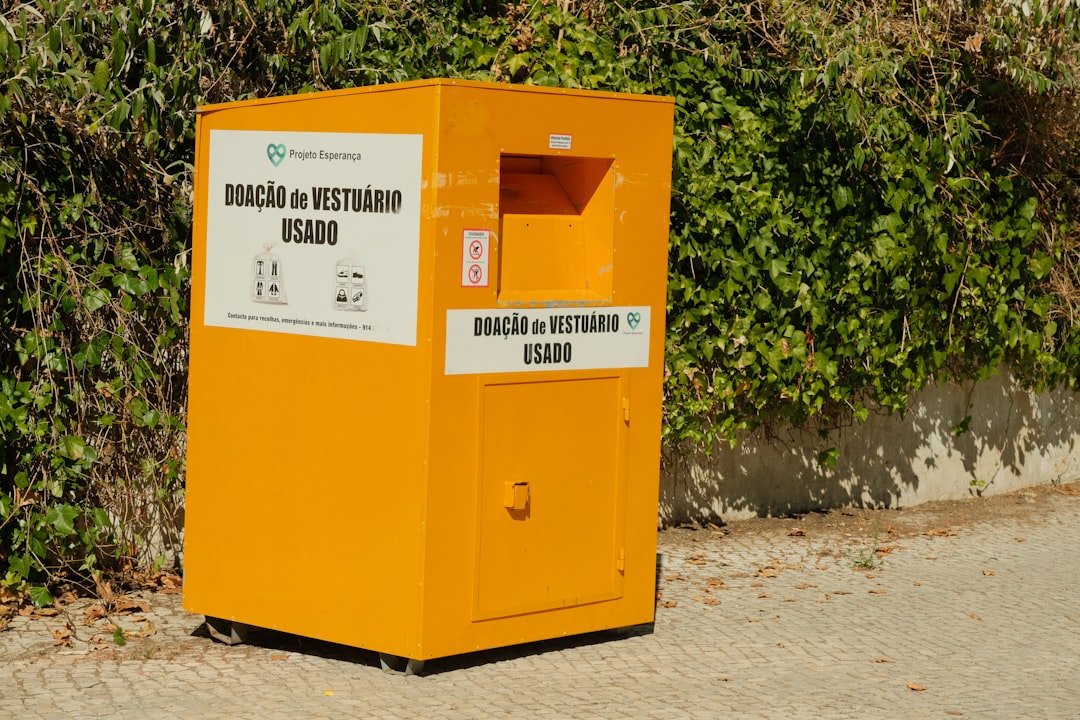
- Run a pet food and litter drive at school, a club or a place of worship.
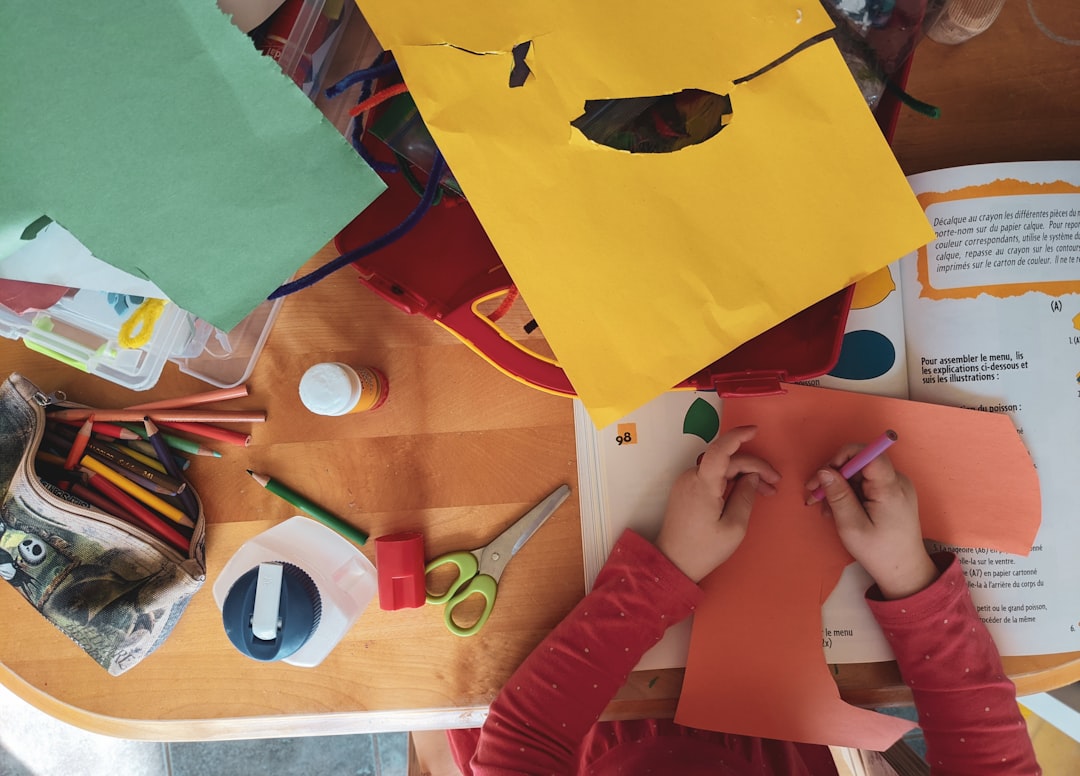
- Make and donate fleece blankets, which rescues use constantly.
- Build cardboard hides and toys from a template.
- Fundraise for a specific named cost, such as one spay surgery.
- Photograph and write up adoptable cats to help listings perform better.
- Ask for donations instead of birthday presents.
Rescues are almost always short of the practical items on a wish list. Our rescue wish list shows what actually runs out, and in-kind versus cash donations covers which is more useful.
Teaching children around animals
The skills that make a good adult volunteer are learned young, and they are mostly about restraint.
- Let the animal come to you rather than reaching for it.
- Recognise when a cat wants to be left alone — and act on it immediately.
- Move slowly and keep voices low.
- Never disturb a cat that is eating, sleeping or hiding.
- Wash hands before and after every interaction.
Our guide to reading cat body language is genuinely useful family reading, and is often more engaging for children than adults expect.
Finding opportunities
Policies vary between organisations, so ask rather than assuming. Smaller foster-based rescues are frequently more flexible than large municipal shelters.
VolunteerMatch lists roles with age requirements filterable, which saves a lot of phoning around.
When you contact a rescue, say the child’s age up front and ask what families can do. A specific question gets a far more useful answer than a general offer to help.
School and service-learning requirements
Many secondary schools require service hours, and animal welfare is a popular choice that shelters cannot always accommodate on site.
Off-site projects usually satisfy the requirement perfectly well — drives, fundraising, foster support and content creation are all documentable.
Ask the rescue what it needs before proposing a project. A student who solves an actual problem is far more useful than one delivering a pre-planned idea.
Keeping the household realistic
Enthusiasm at the start is easy. Before committing, agree who does what on an ordinary Tuesday when nobody feels like it.
Fostering in particular is a whole-household decision, affecting resident pets, spare rooms and holidays. Our guide to introducing a new cat to resident pets covers the practical side.

If your family is ready to help, our volunteer page explains current needs, and our list of volunteer opportunities beyond fostering covers adult roles.

What children actually get out of it
The benefit is usually framed as teaching responsibility, which undersells it. Animal work teaches a narrower and more useful set of things.
- Reading non-verbal signals, and adjusting behaviour when an animal says no.
- Delayed gratification — a frightened cat does not warm up on your schedule.
- Following a protocol precisely, because hygiene and safety rules are not negotiable.
- Sitting with an unhappy outcome rather than fixing it.
- Contributing to something whose success is measured in someone else’s benefit.
Children who foster consistently tend to develop noticeably better animal-handling instincts than those who only visit, because repetition is where the learning actually happens.
Setting ground rules before the first animal arrives
Agree the rules while everything is calm, not in the middle of a first evening with a frightened cat in the spare room.
- The foster room is off limits without an adult present.
- Nobody picks the cat up until it has chosen to approach several times.
- If the cat hides, it is left alone — no coaxing it out.
- Handwashing before and after, every time, with no exceptions.
- An adult handles all medication, wound care and vet transport.
Written rules on the door work better than remembered ones, particularly when friends visit and the household routine changes.
Frequently Asked Questions
What age can children volunteer at an animal shelter?
Most shelters set a minimum of sixteen or eighteen for on-site roles, largely because of insurance and supervision. Some allow younger teenagers when accompanied by a parent, so ask directly.
Why will shelters not let young children volunteer?
Liability insurance often excludes minors from animal handling, frightened animals can be unpredictable, and supervising a child takes staff time. It is a practical constraint rather than a judgement.
What can younger children do to help animals?
Run food and supply drives, make blankets and toys, fundraise for a specific cost such as one spay surgery, or help care for foster animals at home under parental supervision.
Is fostering suitable for families with children?
Often yes, and it is usually the most valuable contribution a family can make. It happens at home under parental supervision and teaches consistent daily care rather than one-off involvement.
How do I help my child cope with a foster leaving?
Frame it from the start as the goal rather than a loss — the job was to prepare the cat for its permanent family. Children handle goodbyes far better when that expectation is set early.
Can animal rescue work count towards school service hours?
Usually yes. Off-site projects such as donation drives, fundraising, foster support and writing adoptable cat listings are documentable and generally satisfy service-learning requirements.