
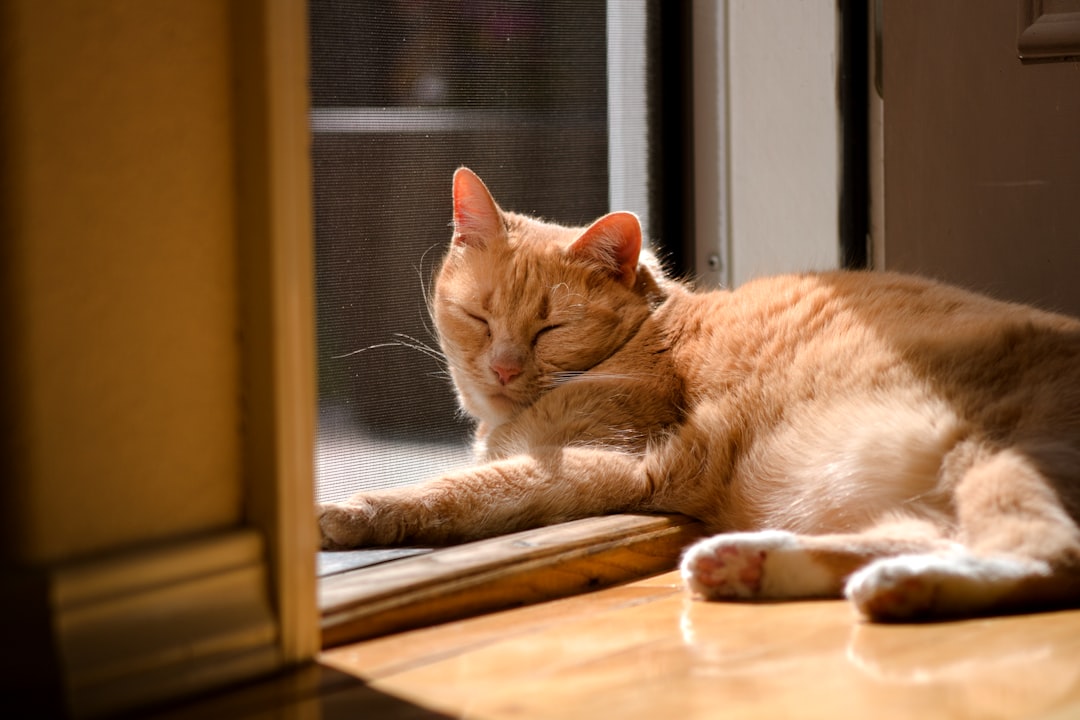
Cats are generally considered mature from around seven, senior from about eleven and geriatric past fifteen — and many now live well into their late teens.
Most of what makes those years good is unglamorous: small home adaptations, closer monitoring, and knowing which changes are ageing and which are treatable illness being mistaken for it.
The most useful principle
“He is just getting old” is the phrase that stops things being treated.
Slowing down, sleeping more, becoming grumpy, losing coat condition and starting to have accidents are all commonly caused by specific conditions rather than by age itself.
- Reduced jumping — usually arthritis, which is treatable.
- Weight loss with a good appetite — often hyperthyroidism.
- Increased drinking — kidney disease, diabetes or thyroid.
- Unkempt coat — pain limiting grooming.
- Night vocalising — cognitive change, blood pressure or thyroid.
- Litter tray accidents — frequently mobility rather than behaviour.
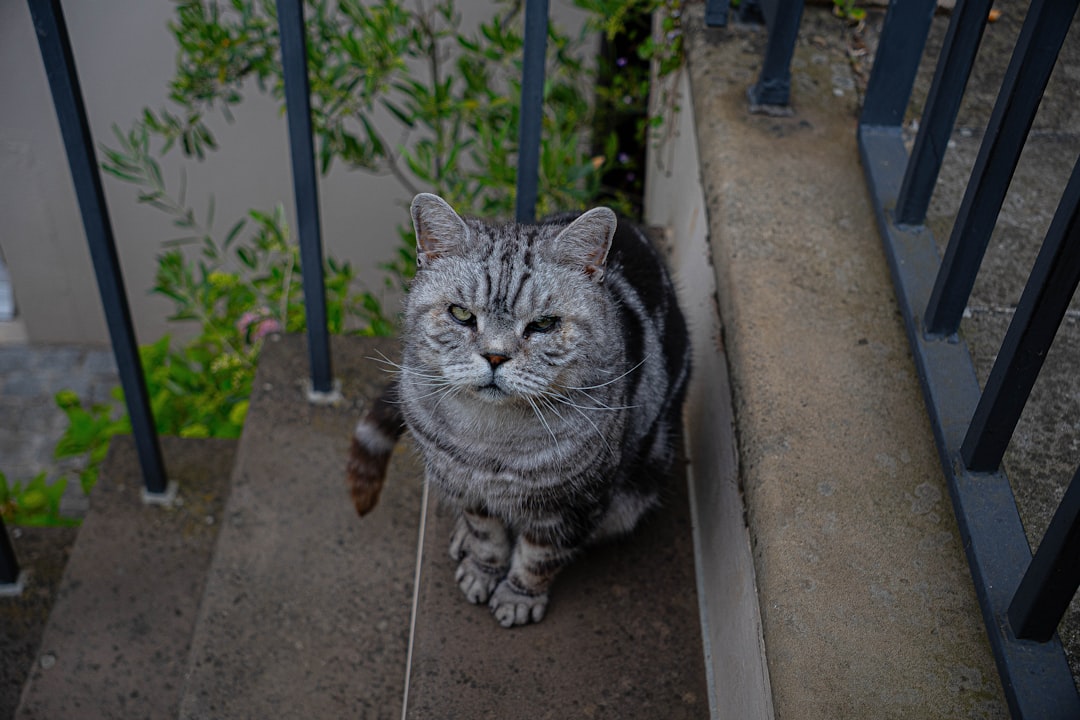
The Cornell Feline Health Center publishes detailed guidance on caring for older cats.
Home adaptations that make the biggest difference
These cost almost nothing and frequently produce visible improvement within days.
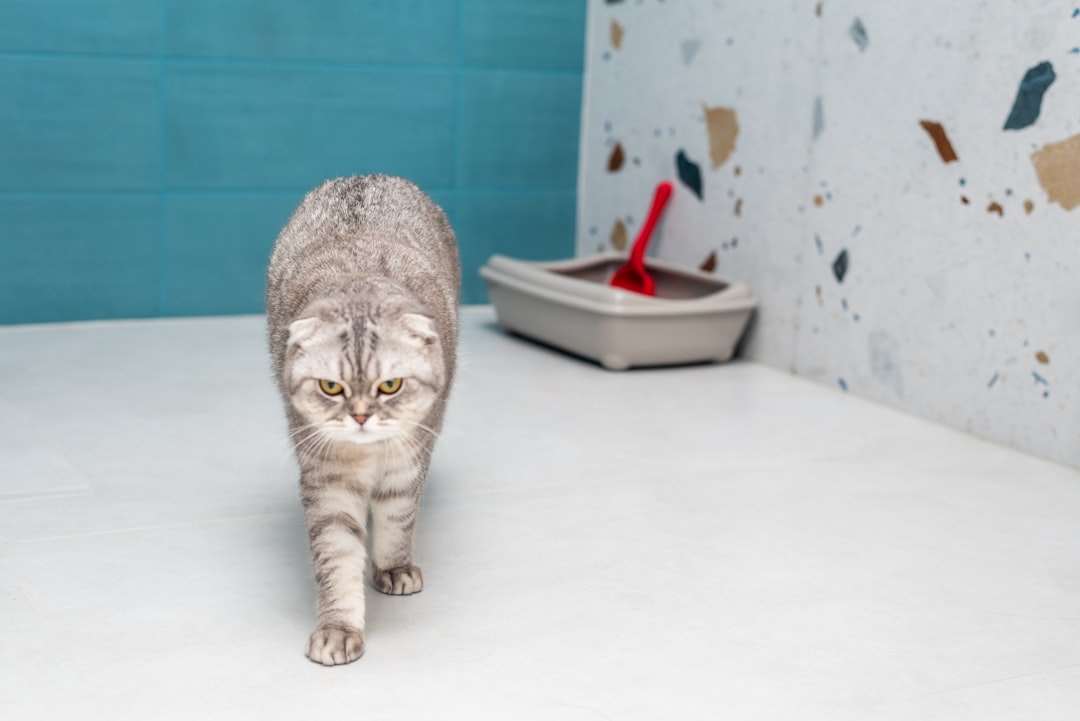
- A low-entry litter tray — cut down one side of a storage box if commercial ones are too tall.
- More trays, closer together, including one on every floor used.
- Steps or ramps to a favourite window, sofa or bed.
- Food and water at an easy height, so the cat is not crouching low.
- Warm, soft, easily reached beds — warmth genuinely eases stiff joints.
- Non-slip surfaces on hard floors, since slipping is painful and frightening.
- Night lights if the cat navigates at night.
The tray adaptation resolves a large share of apparent house-soiling in older cats. Our guide to arthritis in cats covers why.
Feeding
Senior nutrition is less about a “senior” label on a bag and more about condition and any diagnosed disease.
| Situation | Approach |
|---|---|
| Healthy senior, stable weight | Good quality complete food; monitor weight |
| Losing weight | Vet first — this is a clinical sign, not ageing |
| Reduced appetite | Warm wet food to release aroma; smaller, more frequent meals |
| Kidney disease | Therapeutic renal diet, prescribed |
| Dental pain | Wet or softened food while the cause is treated |
| Overweight senior | Slow reduction under veterinary guidance |
Raise the bowls slightly and keep water in several places. Older cats drink less readily and dehydration compounds kidney problems.
Our comparison of wet versus dry cat food covers the moisture question, which matters more with age.
Grooming becomes your job
Older cats groom less because twisting hurts, and the coat deteriorates as a result — matting, dandruff, a greasy or staring appearance.
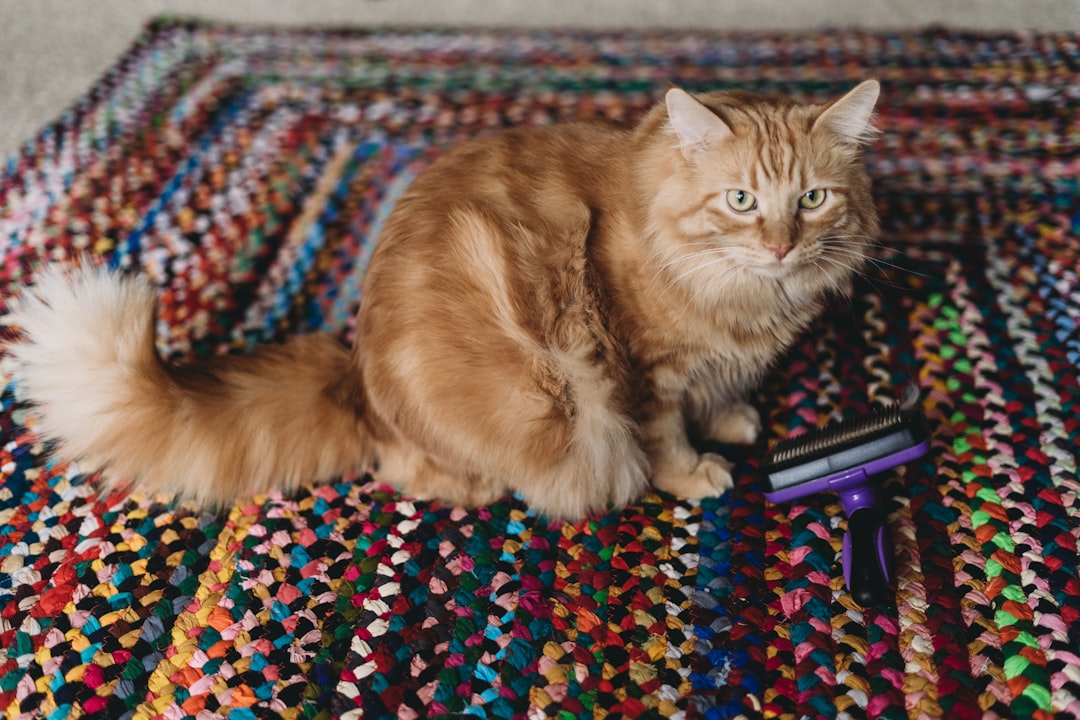
Daily gentle brushing takes over that work. It also doubles as a health check, letting you feel for lumps, sore spots and weight loss along the spine.
Claws need attention too. A cat that scratches less does not shed the outer sheaths and can grow claws into the pads, which is painful and easily missed.
Our grooming guide and nail trimming guide both apply.
Monitoring at home
You will spot things a vet never will, and simple records make appointments far more productive.
- Weigh monthly and write it down — the single most valuable habit.
- Note water intake if it seems to be changing.
- Note appetite changes with dates rather than impressions.
- Watch litter output — volume, frequency, straining.
- Note jumping, and what the cat has stopped doing.
- Check for lumps monthly while grooming.
Gradual weight loss is invisible day to day and unmistakable in a column of figures. Our guides to body condition scoring and lumps and bumps cover the two checks worth doing hands-on.
Veterinary care
Senior cats benefit from twice-yearly visits rather than annual ones, because conditions progress faster and are easy to miss.
Ask for weight compared against previous visits, a dental check, blood pressure measurement, and bloodwork with urinalysis.
Blood pressure is the one most often omitted and it matters — untreated hypertension damages kidneys, brain and eyes, and can cause sudden blindness.
Our guides to how often a cat should see the vet and understanding blood test results cover what to ask for and what it means.
Keeping life interesting
Reduced activity is not the same as no activity, and inactivity accelerates muscle loss which worsens mobility.
Short, gentle, floor-level play sessions maintain muscle and engagement. Keep them brief and stop before the cat tires.
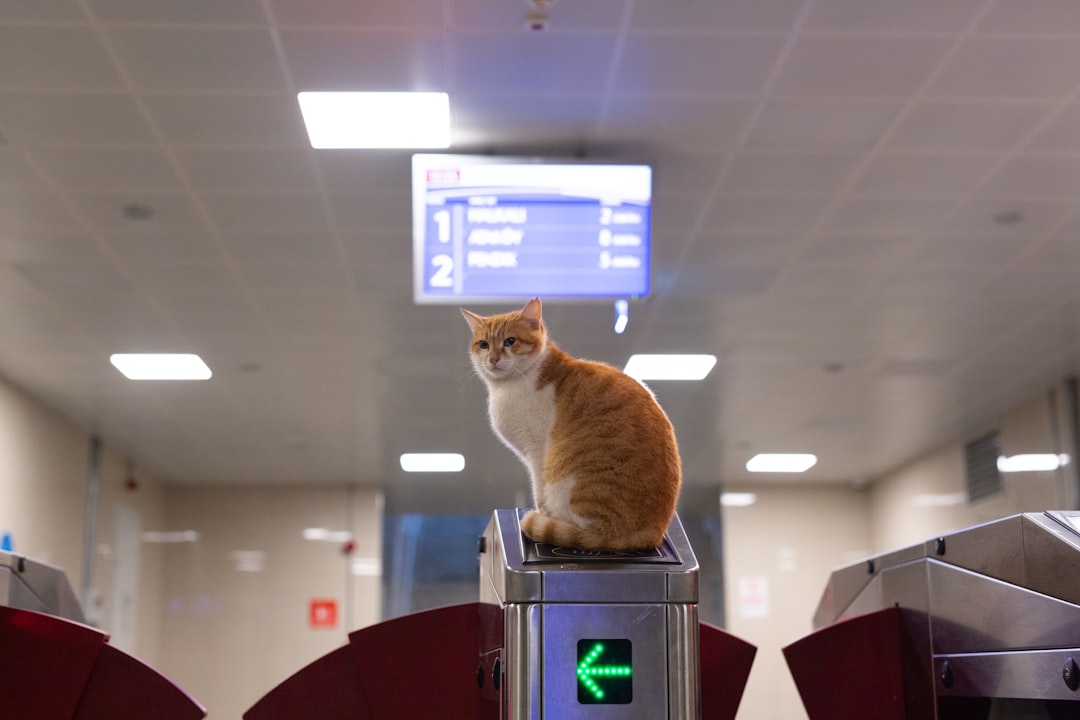
Easy food puzzles, a warm window perch and predictable daily interaction all help. Our guide to playing with your cat covers adapting sessions.
Multi-cat households with a senior
An older cat competing with younger ones for resources frequently loses quietly.
Make sure it has its own accessible tray, food, water and resting spot that it does not have to contest or climb to reach.
Our guide to conflict between household cats covers the silent competition that disadvantages older cats.
Adopting a senior
Older cats wait longest in rescue and are frequently the easiest cats to live with — settled temperament, established habits, no kitten chaos.
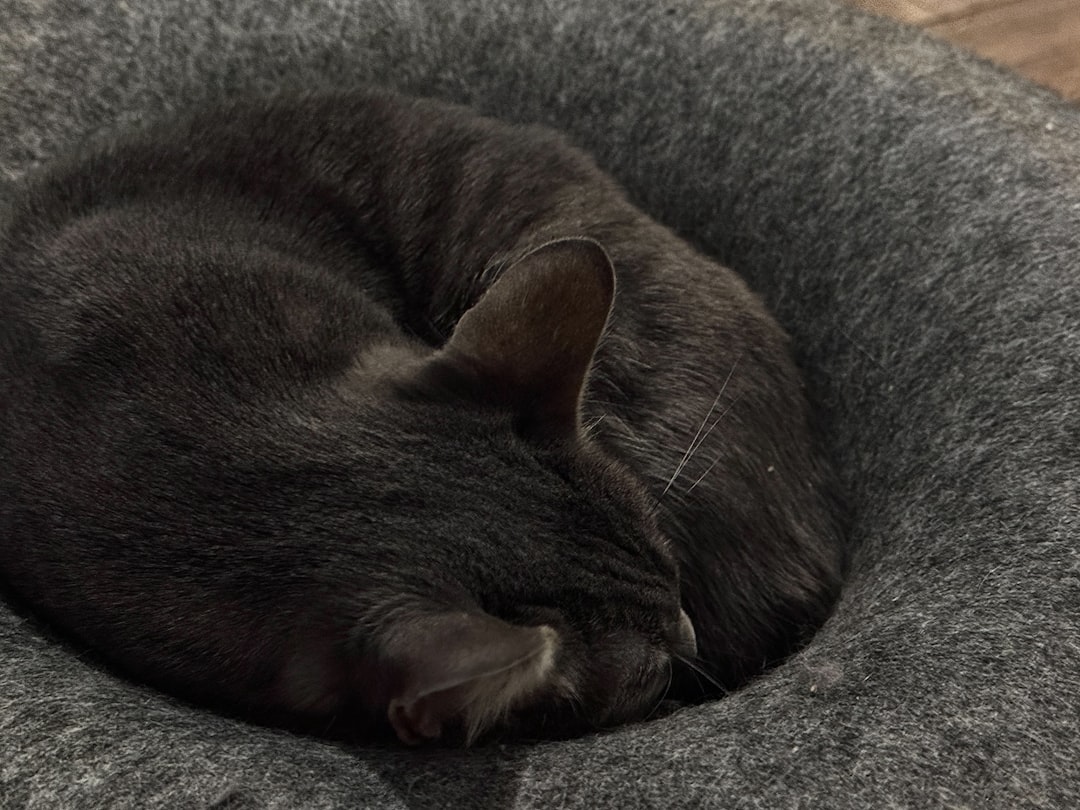
Ask for current bloodwork and any diagnosed conditions, and budget realistically for ongoing care.
Our case for adopting a senior cat covers the arguments, and end-of-life decisions covers the conversation that eventually comes.
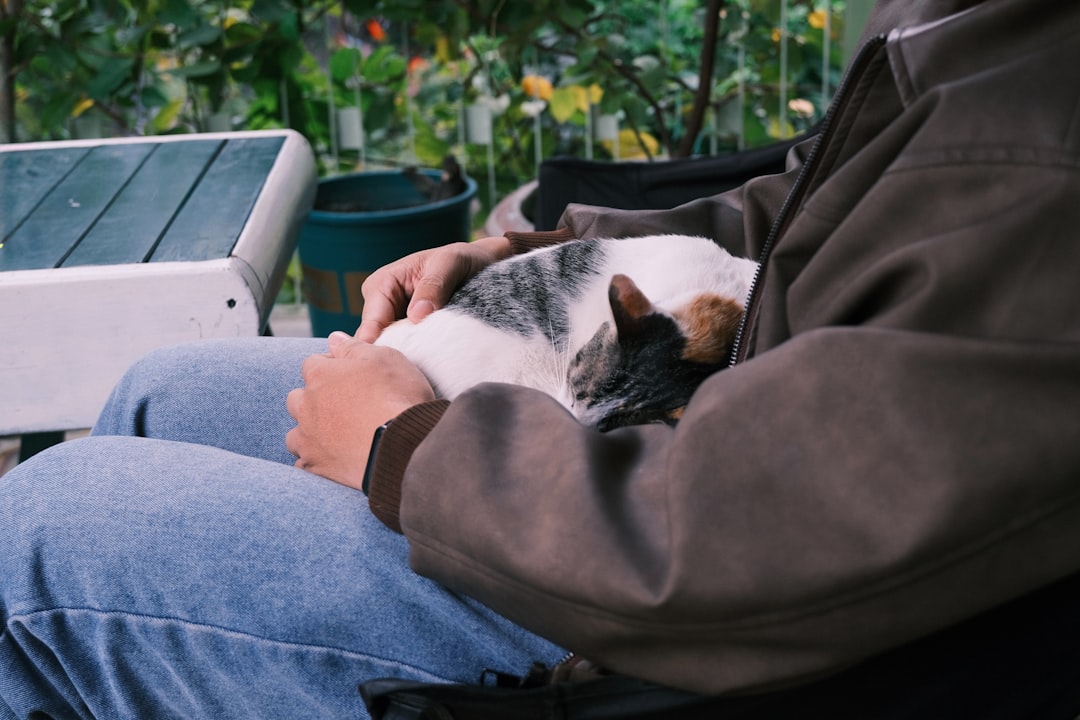
The monthly five-minute check
Senior cats decline gradually, which is exactly why it is easy to miss. A short structured check once a month catches change that daily familiarity hides.
- Weigh the cat on the same scale and write it down. Weight loss is the single most useful early signal.
- Run your hands over the whole body, feeling for lumps, thinning muscle and matted fur.
- Look at the eyes, and lift the lip to check gums and teeth.
- Note how the cat gets on and off its usual perch.
- Note litter tray habits — volume, frequency, any misses.
Keep the notes in one place. A vet presented with six months of weights sees a trend; a vet told “he seems a bit thinner” sees an impression.
Our guide to reading your cat’s blood test results covers what the annual bloodwork adds to that picture.
Frequently Asked Questions
At what age is a cat considered senior?
Cats are generally mature from around seven, senior from about eleven and geriatric past fifteen. Screening and closer monitoring usually begin from the mature stage rather than waiting for signs.
Is my cat slowing down because of age or something treatable?
Frequently something treatable. Reduced jumping is usually arthritis, weight loss with a good appetite often hyperthyroidism, and increased drinking points to kidney, thyroid or diabetes.
What home change helps an older cat most?
A low-entry litter tray, plus more trays including one on every floor used. That single adaptation resolves a large share of apparent house-soiling, which is usually mobility rather than behaviour.
Why does my senior cat look unkempt?
Because grooming has become painful — usually arthritis or dental pain. Daily gentle brushing takes over the job and doubles as a check for lumps, sore spots and weight loss.
How often should a senior cat see the vet?
Twice yearly. Ask specifically for weight compared with previous visits, a dental check, blood pressure measurement and bloodwork with urinalysis. Blood pressure is the most commonly omitted.
Should an older cat still play?
Yes. Inactivity accelerates muscle loss, which worsens mobility. Keep sessions short, gentle and at floor level rather than encouraging jumping, and stop before the cat tires.