
Spay and neuter are the most common surgeries cats have, and most recoveries are uneventful. The problems that do occur are almost all preventable.
This covers what normal looks like, what is not, and the two mistakes that cause most complications.
Follow your own vet’s specific instructions where they differ from anything here — they know the individual cat and the technique used.
The two mistakes that cause complications
Nearly every post-operative problem traces back to one of these.
Licking the incision. Cats are efficient at removing sutures and introducing infection. A licked wound can open within hours.
Too much activity too soon. Jumping and running pull on a healing incision, particularly a spay, which is an abdominal surgery rather than a superficial one.
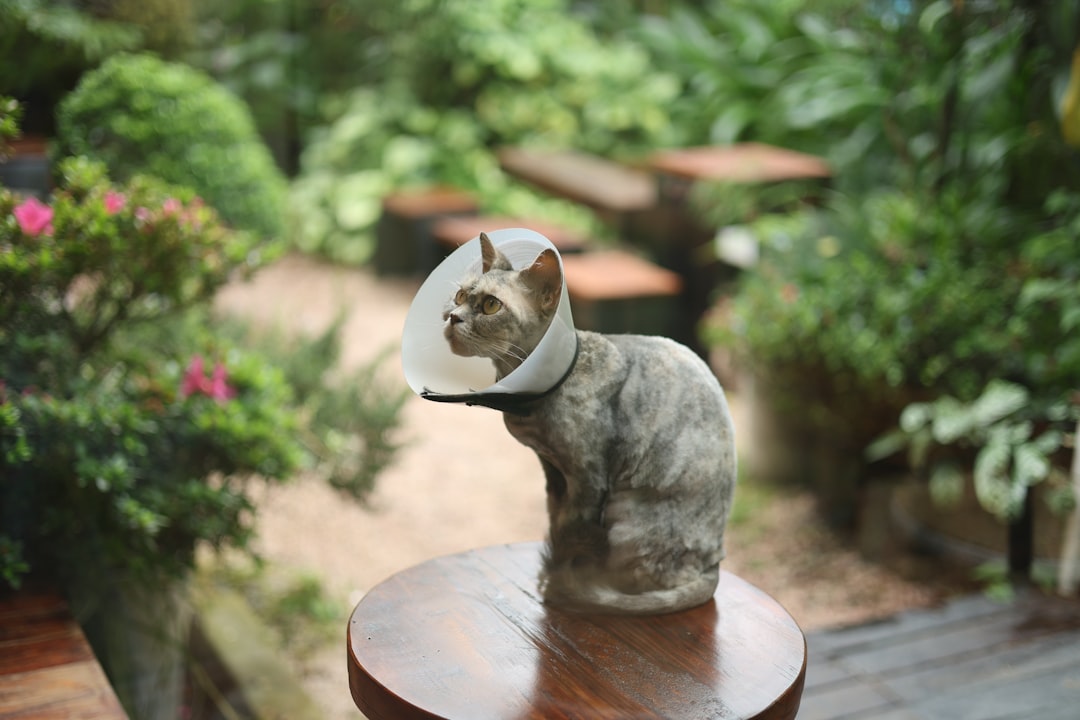
Both are addressed by the same thing: confinement to a small, quiet space with nothing to jump onto, and a recovery collar that stays on.
Spay and neuter are not the same recovery
| Neuter (male) | Spay (female) | |
|---|---|---|
| Procedure | Superficial, scrotal | Abdominal, entering the body cavity |
| Typical recovery | Around 24–48 hours to normal | 10–14 days of restriction |
| Sutures | Often none externally | Usually internal, sometimes external |
| Activity restriction | Short | Full period — genuinely necessary |
| Complication risk | Lower | Higher if activity is not restricted |
Owners frequently apply the neuter timeline to a spay because the cat seems fine within two days. It usually does. The incision is still healing internally.
The first 24 hours
- Keep the cat in a warm, quiet, confined space — one room, ideally without furniture to jump onto.
- Expect grogginess, wobbliness and unusual behaviour from the anaesthetic.
- Offer a small amount of food a few hours after collection unless told otherwise.
- Provide water once the cat is fully alert.
- Keep other pets and children away.
- Do not bathe the cat or let the incision get wet.

Some cats are quiet and some are oddly vocal or disoriented overnight. Both are normal anaesthetic effects and usually resolve by the following day.
ASPCApro publishes operational guidance for spay/neuter programmes including post-operative protocols.
Litter, food and the practical details
A few small changes prevent most avoidable problems.
- Switch to paper litter for about a week — clay and clumping litter stick to a fresh incision.
- Use a low-sided tray so the cat is not straining to climb in.
- Feed normally from the day after, in smaller portions if appetite is reduced.
- Keep the room warm; cats lose heat under anaesthesia and feel it afterwards.
- Give any prescribed pain relief exactly as directed, and never substitute human painkillers.
Our comparison of cat litter types covers why paper is the standard post-surgical recommendation.
Checking the incision
Look at it once or twice daily. Do not touch it, clean it, or apply anything unless your vet has told you to.
| Finding | Normal? | Action |
|---|---|---|
| Slight redness at the edges | Yes, early on | Monitor |
| Small amount of bruising | Yes | Monitor |
| A small firm lump under the incision | Often — healing tissue | Mention at recheck |
| Gaping or open wound | No | Vet immediately |
| Discharge, especially coloured or smelly | No | Vet same day |
| Swelling that is increasing | No | Vet same day |
| Bleeding | No | Vet immediately |
Never apply antiseptic cream, human ointment or anything else to a surgical wound. Most are inappropriate and the cat will lick them off.
When to call the vet
Beyond the wound itself, these warrant contact.
- Not eating for 24 hours after the first day.
- Repeated vomiting.
- Lethargy that is worsening rather than improving after day one.
- Difficulty urinating or defecating.
- Laboured breathing — always an emergency in cats.
- Obvious pain despite prescribed medication.
Our guides to why a cat stops eating and emergency vet care in Fresno cover the two situations that escalate fastest.
Recovery collars and the alternatives
Cats hate the standard plastic cone, and the temptation to remove it is what causes most wound problems.
Alternatives exist and are worth asking about: soft fabric collars, inflatable collars, and recovery suits that cover the abdomen. Suits are often better tolerated for spays specifically.

Whatever you use, it stays on until the vet says otherwise — including overnight and while you are out. A cat can open an incision in the minutes you are not watching.
Some cats will not eat or use a tray while wearing a cone. Raise that with your vet rather than removing it; there are usually workable adjustments.
Community cats and TNR patients
Recovery is handled differently for unsocialised cats, because they cannot be examined or collared.
They are typically held overnight in covered traps in a warm, quiet indoor space, then released the following day — males often within 24 hours, females usually 24 to 48.
Do not open the trap to check, and never release a groggy cat. Our walkthrough of TNR clinic day covers the whole sequence.
Longer term
Energy requirements drop after sterilisation, and portions frequently do not. This is the single most common route to feline obesity.

Reduce food modestly, weigh monthly, and reassess after a few months. Our guide to checking body condition properly covers the assessment.
Our comparison of low-cost spay and neuter options in Fresno covers arranging the surgery in the first place.

When to call and when to wait
Most recoveries are uneventful, and knowing which of the odd things you notice actually matter saves an unnecessary trip — or catches a real problem early.
| What you see | What it usually means |
|---|---|
| Quiet, sleepy for 24–48 hours | Normal anaesthetic recovery |
| Small amount of bruising around the site | Normal, fades over a week |
| Slightly reduced appetite the first day | Normal — call if it lasts beyond 48 hours |
| Redness spreading outward from the incision | Call the clinic |
| Discharge, swelling or a bad smell | Call the clinic |
| Incision opening, or tissue visible | Call immediately |
| Repeated vomiting, or no urination in 24 hours | Call immediately |
Keep the clinic’s number and its after-hours instructions somewhere you can find them quickly. Low-cost and clinic spay events often have a specific aftercare line that differs from the main number.
Frequently Asked Questions
How long does a cat take to recover from being spayed?
Around 10 to 14 days of restricted activity, because a spay is abdominal surgery. Cats usually seem fine within two days, but the incision is still healing internally.
Is neutering a shorter recovery than spaying?
Yes, considerably. Neutering is superficial and most males are back to normal within 24 to 48 hours. Applying that timeline to a spay is a common cause of complications.
Does my cat have to wear the cone?
Something must prevent licking, but alternatives exist — soft or inflatable collars and recovery suits, which are often better tolerated for spays. It stays on until the vet says otherwise.
What litter should I use after surgery?
Paper litter for about a week. Clay and clumping litter stick to a fresh incision. Use a low-sided tray too, so the cat is not straining to climb in.
What does an infected incision look like?
Discharge — particularly coloured or smelly — increasing swelling, gaping, or bleeding. Slight redness at the edges and mild bruising early on are normal. Never apply cream to a surgical wound.
Why do cats gain weight after being neutered?
Energy requirements drop after sterilisation and portions usually do not. Reduce food modestly afterwards, weigh monthly, and reassess after a few months.