

Finding a lump on your cat is alarming, and the internet makes it worse. Most lumps in cats are not cancer.
But the honest position is more nuanced than reassurance: cats have a higher proportion of malignant skin masses than dogs do, and you cannot tell what a lump is by looking at it.
So the practical rule is simple — get it checked, promptly, rather than monitoring it.
Why “wait and see” is the wrong instinct
With dogs, owners are often told to monitor a small lump. Cats are different enough that this advice does not transfer well.
A benign lump loses nothing by being sampled early. A malignant one loses a great deal by being watched for three months.
Sampling is usually quick, inexpensive relative to the alternatives, and frequently done without sedation.

Common causes of lumps
| Cause | Typical feel | Usual context |
|---|---|---|
| Abscess | Warm, soft, painful, may burst | After a fight; outdoor or multi-cat |
| Cyst | Smooth, moveable, slow-growing | Any age |
| Lipoma (fatty lump) | Soft, moveable under the skin | Less common in cats than dogs |
| Injection-site reaction | Firm, at a vaccination site | Follow the timing rule below |
| Insect bite or sting | Sudden, may be itchy | Resolves in days |
| Enlarged lymph node | Firm, under the jaw or behind knees | Needs prompt investigation |
| Mammary mass | Along the milk line | High malignancy rate in cats |
| Skin tumour | Variable | Requires diagnosis |
Abscesses are the single commonest lump in cats with outdoor access, and they arrive suddenly — a cat that was fine yesterday with a warm, painful swelling today.
Our guide to conflict between cats covers the bite wounds that cause them.
Mammary lumps deserve separate mention
This is the one where delay costs the most, and where cats differ sharply from dogs.
A high proportion of mammary masses in cats are malignant, and they can spread quickly. Any lump along the milk line of a female cat should be examined without delay.
Spaying early substantially reduces the risk, which is one of the less-discussed health arguments for it.
Our comparison of low-cost spay and neuter options in Fresno covers access locally.
The injection-site rule
A small firm swelling at a vaccination site is common and usually resolves. There is a specific guideline for when it does not.
Veterinary guidance commonly uses a three-part rule: have the lump examined if it is still present after three months, if it becomes larger than two centimetres, or if it is still growing one month after injection.
Most post-vaccination lumps meet none of those. The rule exists because a rare but serious tumour type can arise at injection sites, and early action matters.
Our cat vaccination schedule guide covers normal versus abnormal reactions.
Features that raise concern
None of these are diagnostic on their own, and their absence does not mean a lump is benign.
- Growing, especially quickly.
- Firmly fixed to underlying tissue rather than moveable.
- Ulcerated, bleeding or discharging.
- Irregular in shape or texture.
- Painful.
- Accompanied by weight loss, reduced appetite or lethargy.
- Multiple lumps appearing.
The systemic signs matter as much as the lump itself. A lump plus weight loss is a different conversation from a lump alone.
The American Animal Hospital Association publishes owner guidance on veterinary care standards and what to expect from diagnostics.
How lumps are diagnosed
- Examination — location, size, mobility, texture, pain.
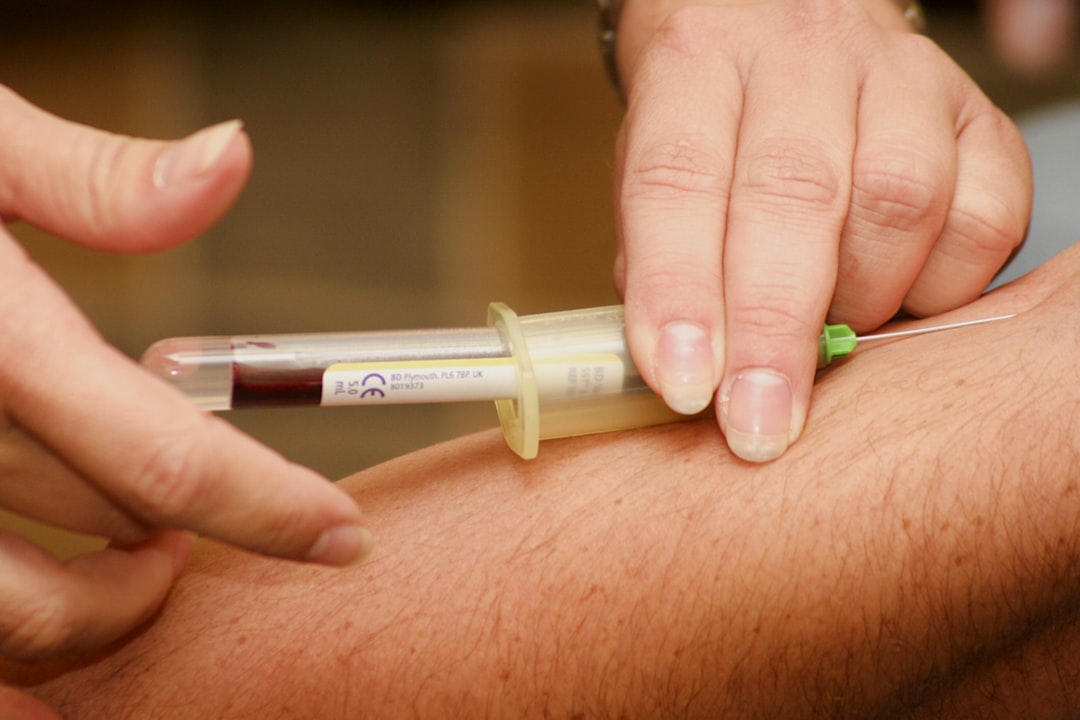
- Fine needle aspirate — a small sample drawn with a needle, often without sedation.
- Cytology — examining those cells under a microscope.
- Biopsy — where aspiration is inconclusive.
- Imaging — if spread needs assessing.
- Bloodwork — general health and anaesthetic planning.
The aspirate is the key step and it is far less involved than owners expect — frequently done during the same consultation.
Checking your cat properly
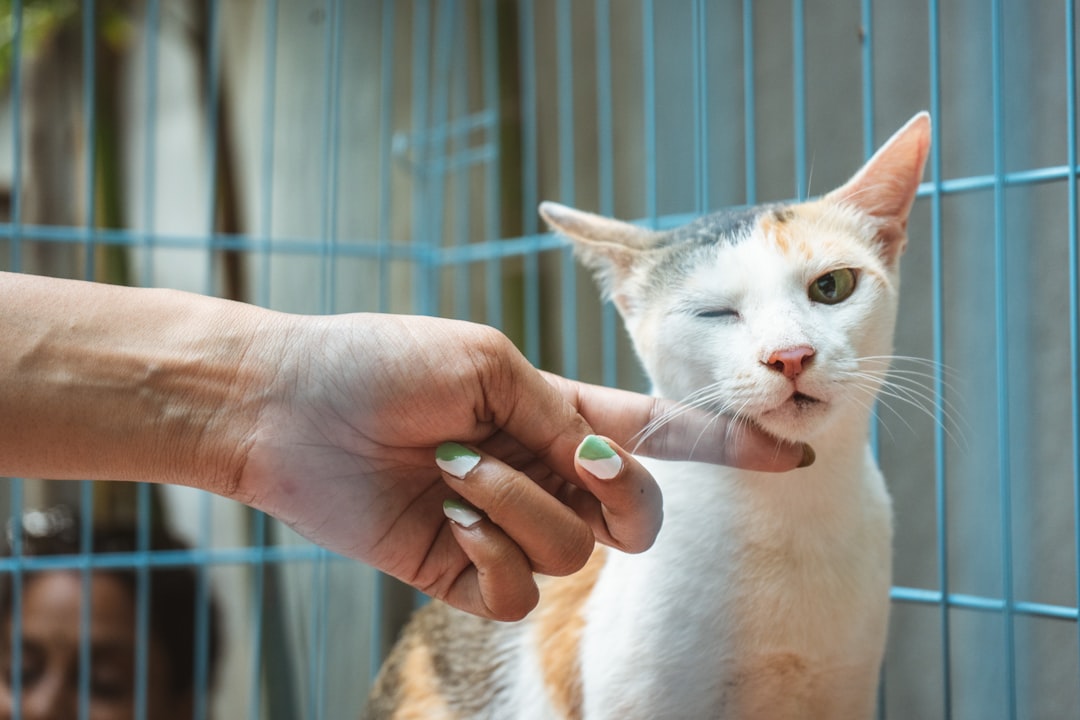
Most lumps are found by owners during ordinary handling, which makes routine checks genuinely valuable.
Once a month, run your hands slowly over the whole cat while it is relaxed: head, jaw, neck, along the back, chest, belly, milk line, armpits, groin, legs and tail.
Note what you find and where. A small chart or phone note with locations and dates makes it obvious whether something is new or changing.
Grooming is the natural time to do it. Our shedding and grooming guide covers building that routine, which doubles as a health check.
If the news is bad
Not every diagnosis is treatable, and it is worth knowing that options usually exist beyond a binary of cure or nothing.
Surgery, and in some cases other treatments, can be curative for certain tumours caught early. Where cure is not possible, palliative care focused on comfort is a legitimate and often good choice.

Ask directly about prognosis in weeks or months, what treatment involves for the cat rather than for the disease, and what doing less would look like.
Our guide to end-of-life decisions for cats covers assessing quality of life, and how often a cat should see the vet covers the routine checks that catch things earlier.

Recording what you find
The most useful thing you can bring to an appointment is a record showing whether something has changed.
- Sketch a simple body outline and mark each lump you find.
- Note the date, rough size and whether it moves freely.
- Photograph anything visible, with something for scale.
- Re-check monthly and update the record.
- Take it with you rather than relying on memory.
“This was smaller in March” is a far more useful statement to a vet than “I think it has grown”, and it frequently changes how urgently a lump is investigated.
Bloodwork often accompanies investigation of a lump, and it tells you less than owners expect. Our guide to what a cat’s blood test can and cannot show covers the limits of a standard panel.
Frequently Asked Questions
Should I monitor a lump on my cat or get it checked?
Get it checked promptly. Advice to monitor small lumps transfers poorly from dogs — cats have a higher proportion of malignant skin masses, and a benign lump loses nothing by being sampled early.
What is the most common lump on a cat?
An abscess, particularly in cats with outdoor access or household conflict. They appear suddenly as a warm, painful swelling after a bite wound, often within a day or two of a fight.
Are mammary lumps in cats serious?
Frequently, yes. A high proportion of feline mammary masses are malignant and can spread quickly, so any lump along the milk line should be examined without delay. Early spaying substantially reduces the risk.
When should I worry about a lump after vaccination?
Veterinary guidance commonly uses a three-part rule — have it checked if it persists beyond three months, exceeds two centimetres, or is still growing one month after the injection.
How are lumps on cats diagnosed?
Usually by fine needle aspirate — a small sample drawn with a needle, often during the same consultation and frequently without sedation — then examined under a microscope. Biopsy follows if inconclusive.
How often should I check my cat for lumps?
Monthly, running your hands over the whole cat while it is relaxed — including the jaw, milk line, armpits and groin. Note locations and dates so you can tell what is new or changing.