
Central Valley and foothill households face genuine wildfire risk, and evacuation orders arrive with very little notice.
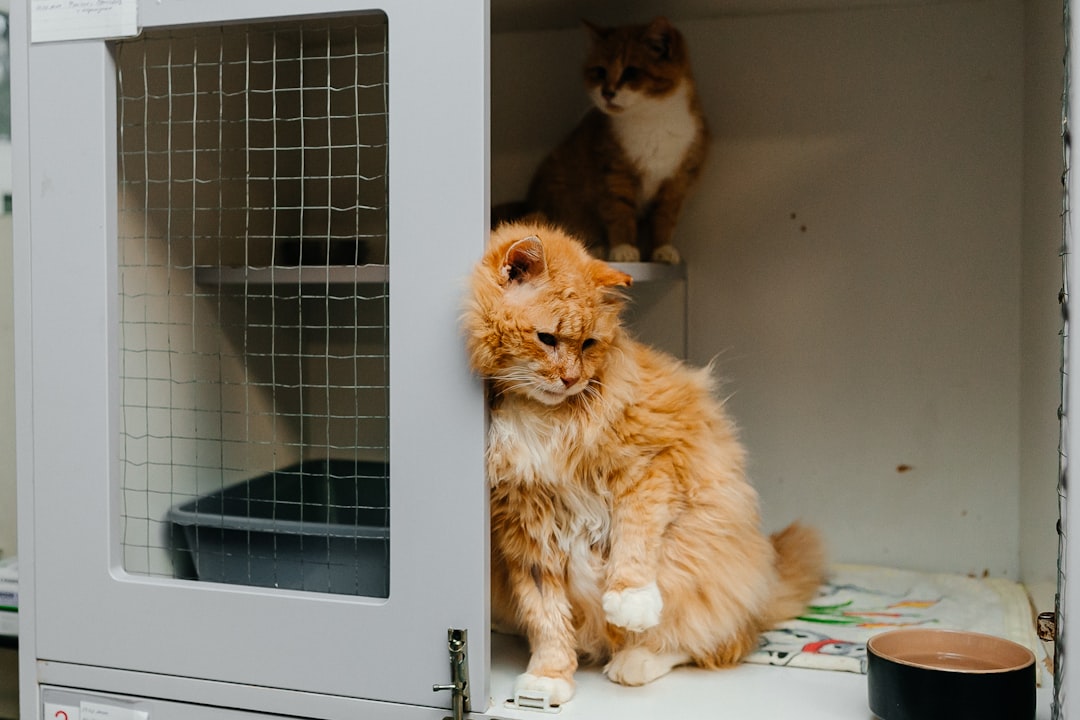
The recurring problem is not transport or shelter. It is that cats hide when frightened, and a cat under a bed at the moment you need to leave is the single commonest reason pets are left behind.
Almost all of that is preventable with preparation that takes an afternoon.
The core problem: cats hide
Sirens, smoke, urgency and unfamiliar activity all trigger the same response — find somewhere small and dark and stay there.
By the time you are actively evacuating, the cat has already gone. That is why every practical measure below is about acting earlier rather than faster.
- Confine cats to one room as soon as a warning is issued, not when the order comes.
- Choose a room with few hiding places — a bathroom is ideal.
- Close off under-bed and behind-furniture spaces in advance.
- Keep carriers in that room so nothing has to be fetched.
- Never wait for the mandatory order before containing the cats.
Confining early is the single highest-value action in this entire article.
Carrier readiness
A cat that fights the carrier on an ordinary Tuesday will not cooperate during an evacuation.
Carrier training takes a few weeks of leaving it out with treats inside, and it converts a twenty-minute struggle into a thirty-second load.
Keep one carrier per cat, accessible — not in a loft, garage or shed you may not be able to reach.
Our carrier training guide covers the process, including how to load a reluctant cat rear-first when there is no time.
The go-bag
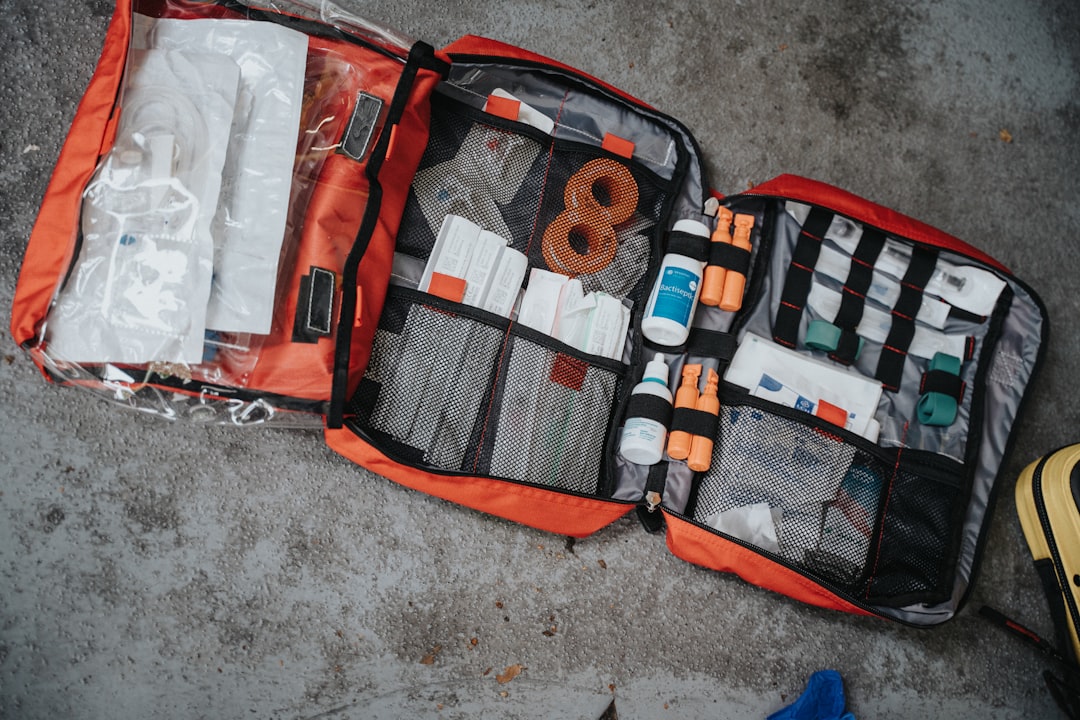
| Item | Why | Notes |
|---|---|---|
| One carrier per cat | Shared carriers cause fights | Hard-sided, labelled |
| 3–7 days of food | Shelters rarely stock cat food | Rotate before expiry |
| Water and bowls | Not always available | Collapsible bowls save space |
| Medication | Pharmacies may be closed | Keep a written dosing list |
| Disposable litter trays and litter | Overlooked constantly | Foil roasting trays work |
| Vaccination records | Many shelters require them | Paper copy plus photos on your phone |
| Recent photos of each cat | For lost-pet reporting | Include distinguishing markings |
| Microchip numbers | For reporting and claiming | Written down, not only in an app |
| Towels and a blanket | Covering carriers, warmth | Familiar-smelling if possible |
| Harness and lead | Backup containment | Only if the cat is trained to it |

The American Red Cross publishes general pet disaster preparedness guidance worth reading alongside this.
Know where you can go
Not every evacuation centre accepts animals, and finding out at the barrier is too late.
- Identify two or three pet-friendly motels outside your likely evacuation direction.
- Ask friends or relatives in advance whether cats would be welcome.
- Note which local shelters take animals during emergencies.
- Check whether boarding kennels or vet practices offer emergency intake.
- Keep those numbers written down, not only in a phone that may lose power.
Plan for at least two directions. Fire moves, and the route you assumed may be the one that is closed.
Microchips matter more here than anywhere
Evacuation is the scenario microchips exist for. Cats bolt during loading, escape from unfamiliar accommodation and get separated in chaotic conditions.
An unregistered chip, or one still listing an old phone number, achieves nothing at exactly the moment it matters most.

Check your registration today and add a second contact who does not live with you — ideally someone outside the region, since local numbers may be unreachable.
Our guide to cat microchipping and why registration matters covers keeping records current.
If you genuinely cannot find the cat
This is the situation people most dread, and having decided in advance what you will do makes it survivable.
- Leave a door or window open if it is safe, so the cat can escape independently.
- Leave food and a large quantity of water somewhere sheltered.
- Leave a sign visible from outside stating animals are inside.
- Report to animal control and the evacuation centre immediately.
- Register the cat as missing on its microchip database.
- Do not re-enter a property under evacuation order.
Cats frequently survive by their own instincts and are recovered afterwards. Your own safety is not a reasonable trade, and emergency services will tell you the same.
Smoke, even without evacuation
Wildfire smoke affects the whole valley for weeks at a time without any fire being close, and cats are affected by it.
Keep cats indoors during smoke events, run air conditioning on recirculate, and use an air purifier if you have one.

Watch for coughing, wheezing, open-mouth breathing or lethargy. Cats with existing respiratory conditions are at genuine risk.
Open-mouth breathing in a cat is always an emergency — our guide to emergency vet care for cats in Fresno covers when to go immediately.
Community cats and colonies
If you feed a colony, those cats have no carrier and no plan. There is still useful preparation.
Our guide to community cats during wildfire and disasters covers what caretakers can realistically do.
Do it this week
This is the kind of preparation everyone agrees with and few complete. It takes one afternoon.
Pack the go-bag, leave the carriers accessible, check the microchip registration, identify two pet-friendly places to go, and write the numbers on paper.
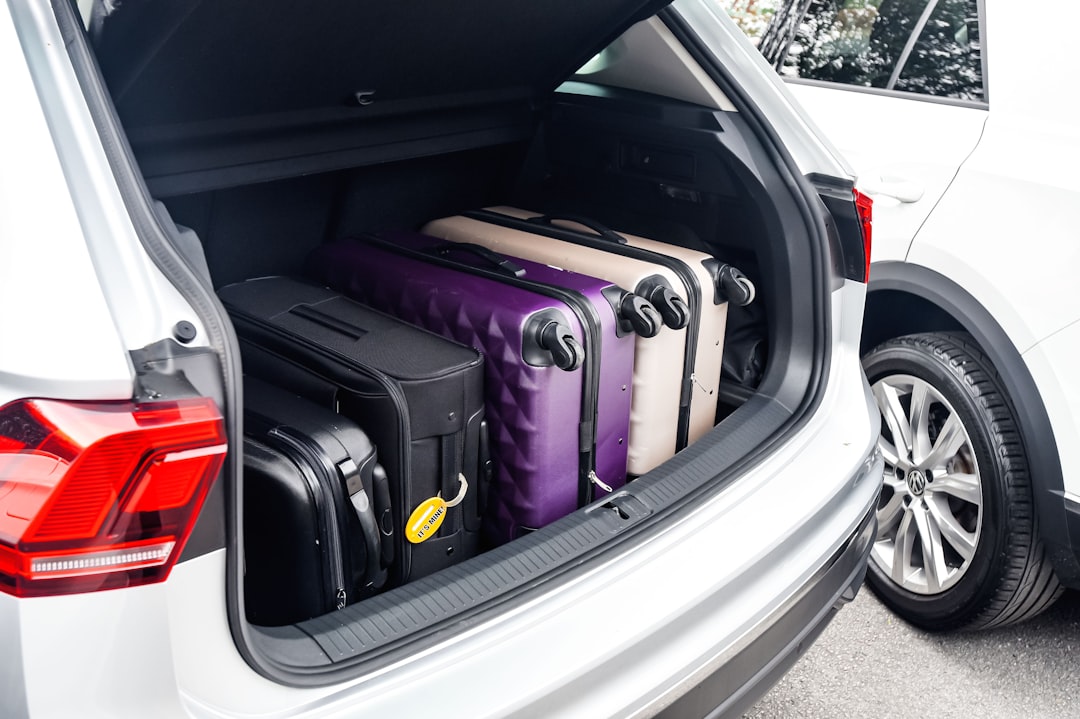
Then start carrier training, because that is the part that takes weeks and makes the biggest difference on the day.

After you return
Coming home is its own stage and cats do not simply resume normal life.
- Confine cats to one room again while you check the house for hazards.
- Check for ash, debris and any chemical contamination on surfaces.
- Wipe paws if the cat has walked through ash before it grooms.
- Watch for coughing or laboured breathing for several days.
- Expect behaviour changes — hiding, appetite loss, clinginess — for a week or two.
Ash is irritant and cats ingest it while grooming. Our guide to feline asthma covers respiratory signs worth acting on.
Frequently Asked Questions
What is the biggest problem evacuating with cats?
Cats hide when frightened. By the time you are actively evacuating, the cat has usually gone under a bed. Confine cats to one low-hiding room as soon as a warning is issued, not when the order arrives.
What should a cat evacuation go-bag contain?
One carrier per cat, three to seven days of food and water, medication with a dosing list, disposable litter trays, vaccination records, recent photos, microchip numbers and towels.
Do evacuation centres accept cats?
Not all of them. Identify pet-friendly motels, friends or relatives, and shelters that take animals in advance — and plan two directions, since the route you assumed may be closed.
What if I cannot find my cat before evacuating?
Leave a safe exit route if possible, leave food and plenty of water, put a visible sign that animals are inside, and report immediately to animal control. Do not re-enter under an evacuation order.
Is wildfire smoke dangerous for cats?
Yes, even without a nearby fire. Keep cats indoors, run air conditioning on recirculate, and watch for coughing, wheezing or open-mouth breathing — the last is always an emergency in cats.
Why does carrier training matter for emergencies?
Because a cat that fights the carrier normally will not cooperate under pressure. A few weeks of leaving it out with treats inside converts a twenty-minute struggle into a thirty-second load.