
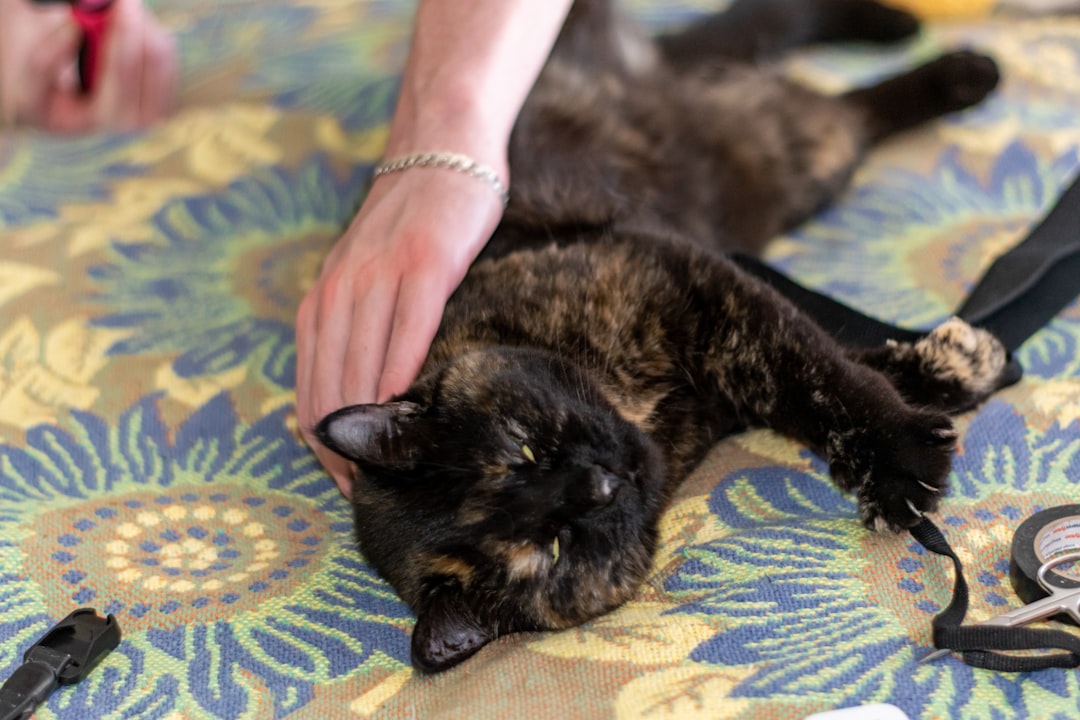
People give to rescues without much idea of what happens next. The cat disappears into a process and reappears months later on an adoption listing.
Here is what actually occurs in between, roughly how long each stage takes, and where the money goes.
The pipeline in brief
| Stage | Typical duration | Main costs |
|---|---|---|
| Intake and assessment | Day 1 | Exam, testing, parasite treatment |
| Quarantine | 10–14 days | Isolation space, monitoring |
| Medical treatment | Days to months | Highly variable |
| Spay or neuter | Once stable and old enough | Surgery and vaccines |
| Socialisation | Weeks to months | Volunteer time, enrichment |
| Listing and matching | 2 weeks to many months | Photography, admin |
| Adoption and follow-up | Day of, plus support | Admin, ongoing advice |
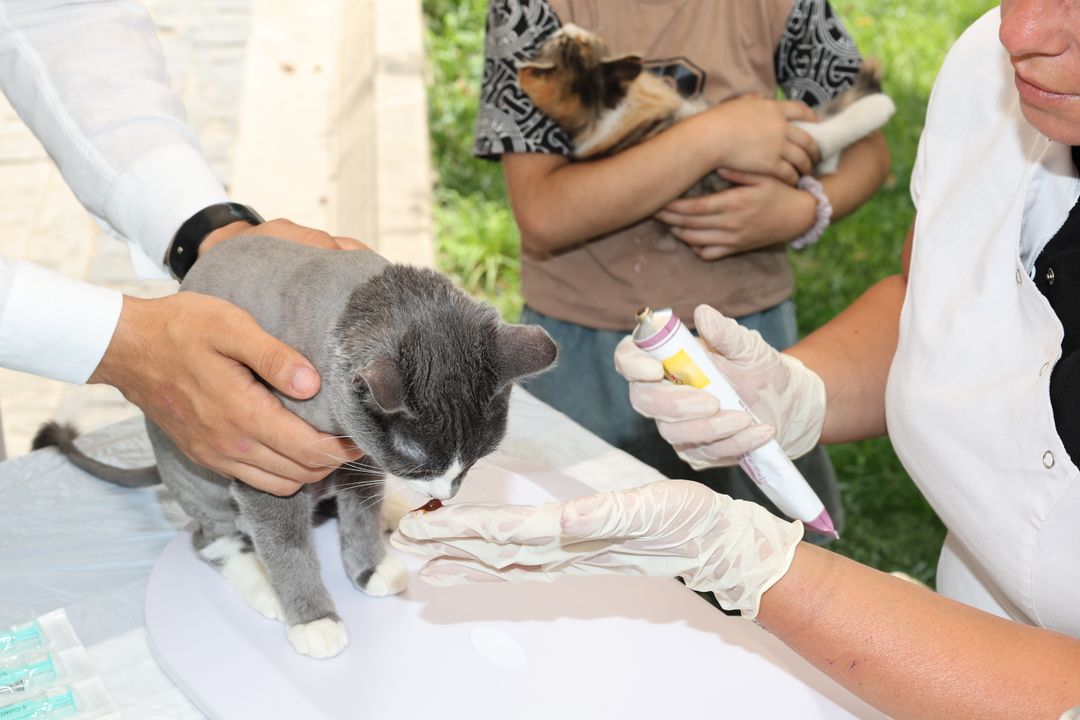
Intake: the first 24 hours
Every cat gets a hands-on examination. Age, weight, body condition, dental state, parasites, injuries and general health are all recorded.
Most rescues test for FIV and FeLV at this point, and start flea and worm treatment immediately. A microchip scan checks whether the cat is simply lost rather than abandoned.
A found cat that turns out to be someone’s pet is the best possible outcome, and it happens more often than people expect.
Quarantine and why it is not optional
New arrivals are isolated for roughly two weeks. Upper respiratory infections and ringworm spread rapidly, and a single skipped quarantine can shut a foster network down for a month.
This period doubles as decompression. A frightened cat that arrives hissing is frequently a different animal after ten quiet days.
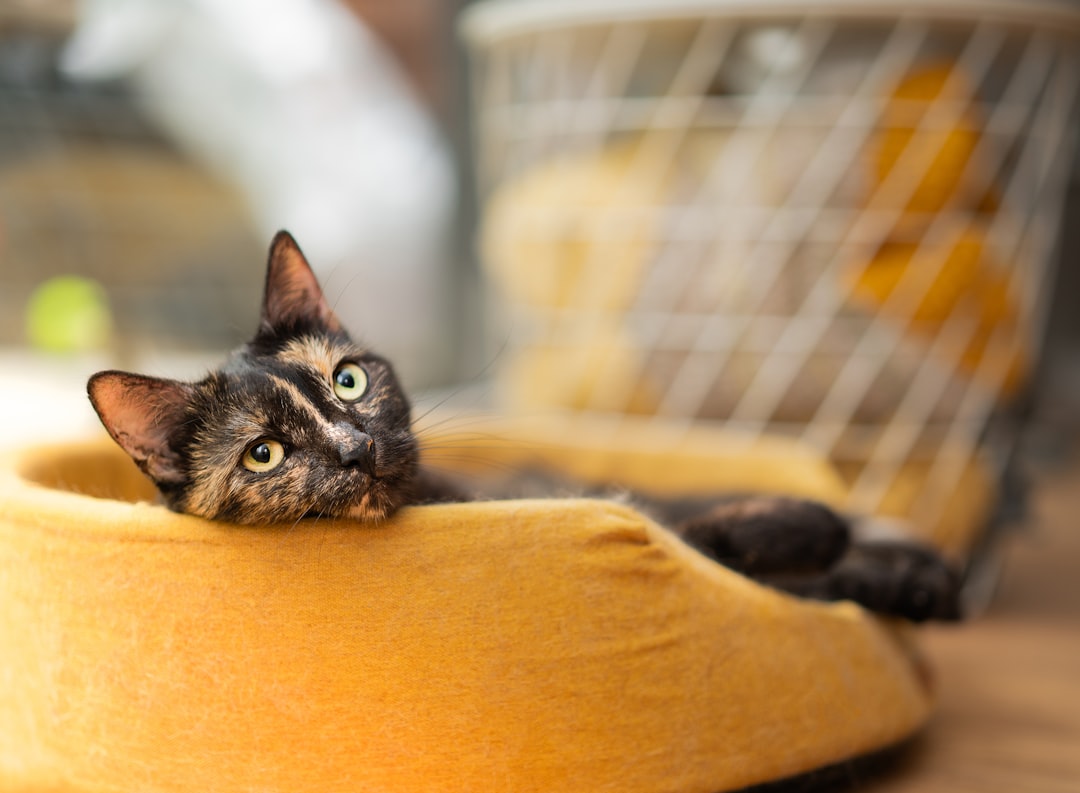
It is also where the first honest read on temperament emerges, which matters more than anything else for matching later.
Medical care: the unpredictable part
This is where budgets are made or broken. Two cats arriving the same week can differ by an order of magnitude in cost.
| Situation | Rough cost band | Timeline |
|---|---|---|
| Healthy adult, routine vetting | Low | 2–3 weeks |
| Upper respiratory infection | Low to moderate | 2–4 weeks |
| Dental disease requiring extractions | High | 4–8 weeks |
| Fracture or trauma surgery | Very high | 2–4 months |
| Chronic condition management | Ongoing | Lifelong |
| Neonatal litter hand-rearing | High in time and supplies | 8–10 weeks |
Adoption fees never cover the expensive cases. They are subsidised by donations and by the straightforward cats, which is the whole reason recurring giving matters.
Our breakdown of where your donation actually goes puts numbers to this.
Socialisation
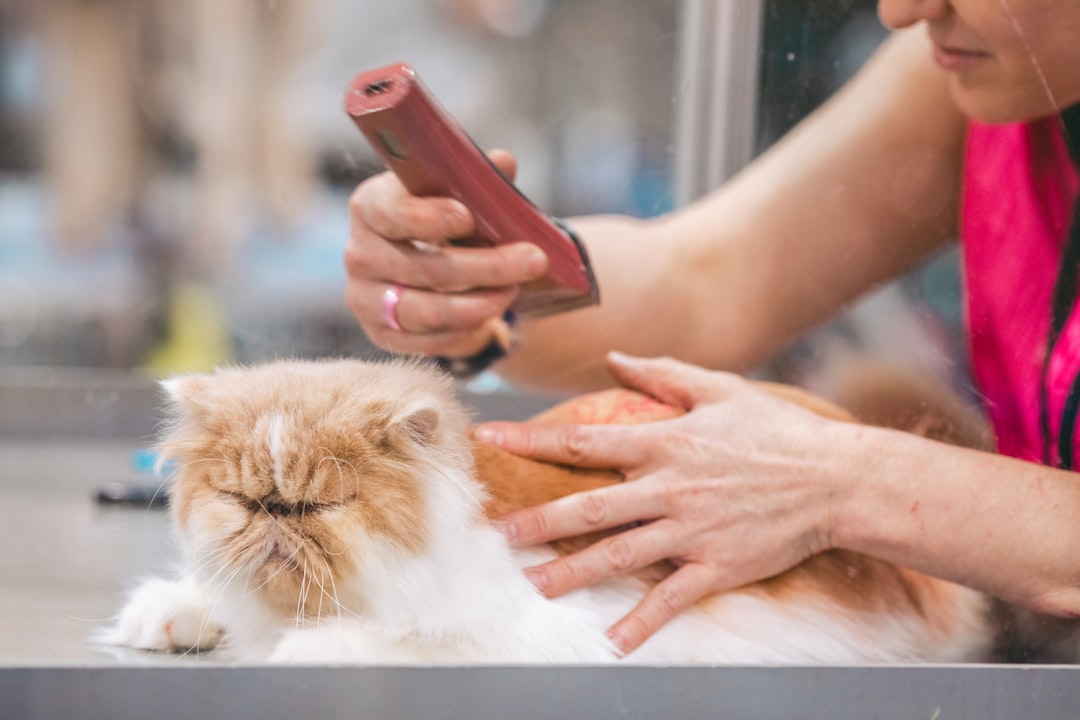
Confident, handleable cats are adopted quickly. Frightened ones need weeks of patient, boring, repeated contact before they show who they are.
This is the least visible and most labour-intensive stage, and it is almost entirely volunteer work rather than a cash cost.
For under-socialised kittens the window is narrow. Our guide to socialising a feral kitten covers the timing, and helping a shy shelter cat covers adults.
Listing, matching and waiting
Once a cat is healthy, fixed and sociable, it goes onto adoption listings. How long it waits depends on factors that have little to do with the cat itself.
- Kittens move fastest, particularly in spring.
- Adult cats wait considerably longer.
- Black cats wait longest of all, largely because they photograph poorly.
- Cats needing a single-pet home wait longer.
- FIV-positive cats wait longest despite usually living normal lives.
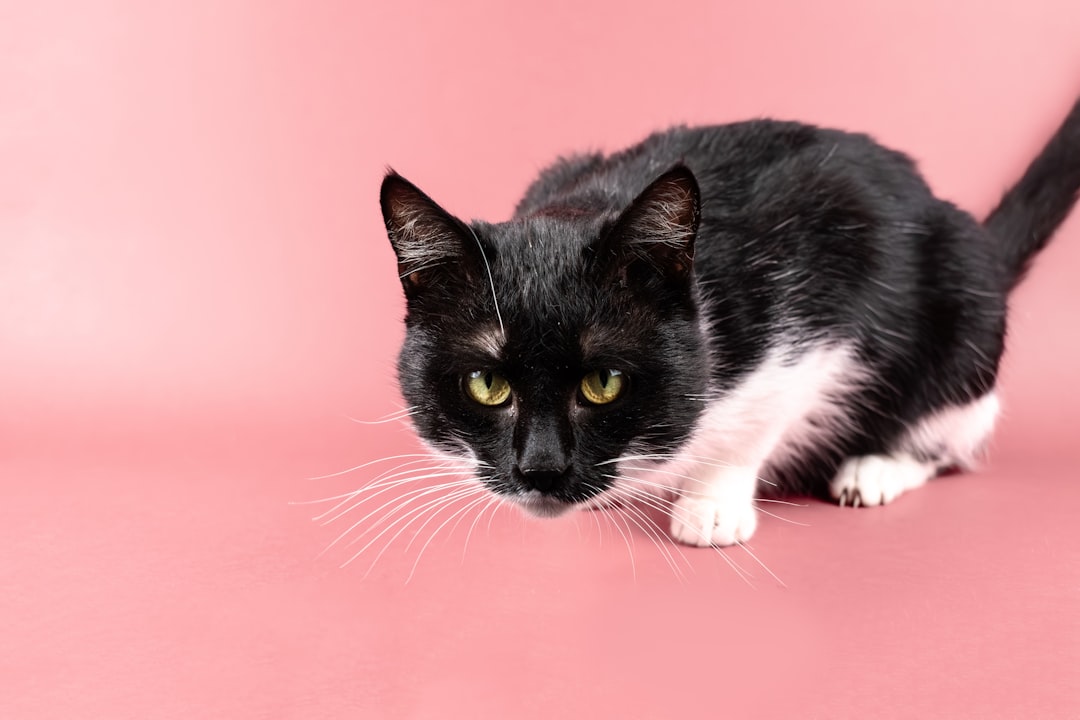
Our pieces on why black cats are harder to adopt and adopting an FIV or FeLV positive cat cover the two most persistent unfair disadvantages.
Adoption day and afterwards
Good rescues do not stop at handover. Follow-up support in the first month prevents most returns, because most early problems are ordinary adjustment issues.
A reputable organisation will also take the cat back at any point in its life, which is the clearest single marker of a rescue worth supporting.
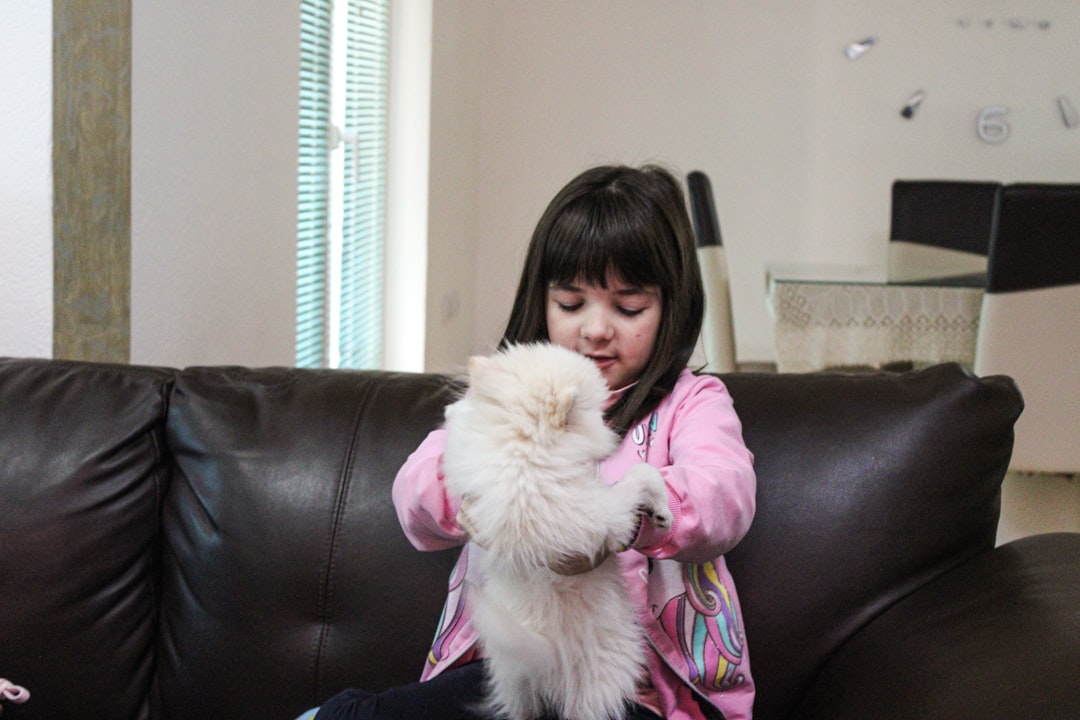
Our first 30 days with a new cat guide is what we send adopters home with.
How the numbers are tracked
Reputable rescues record intake and outcomes rather than relying on impressions. Shelter Animals Count maintains the national database that makes those figures comparable.
If you are deciding where to give, ask an organisation for its outcomes rather than its appeals. Groups doing this properly answer readily.
You can support the whole pipeline through our donation page, or take on the socialisation stage directly through fostering with us.
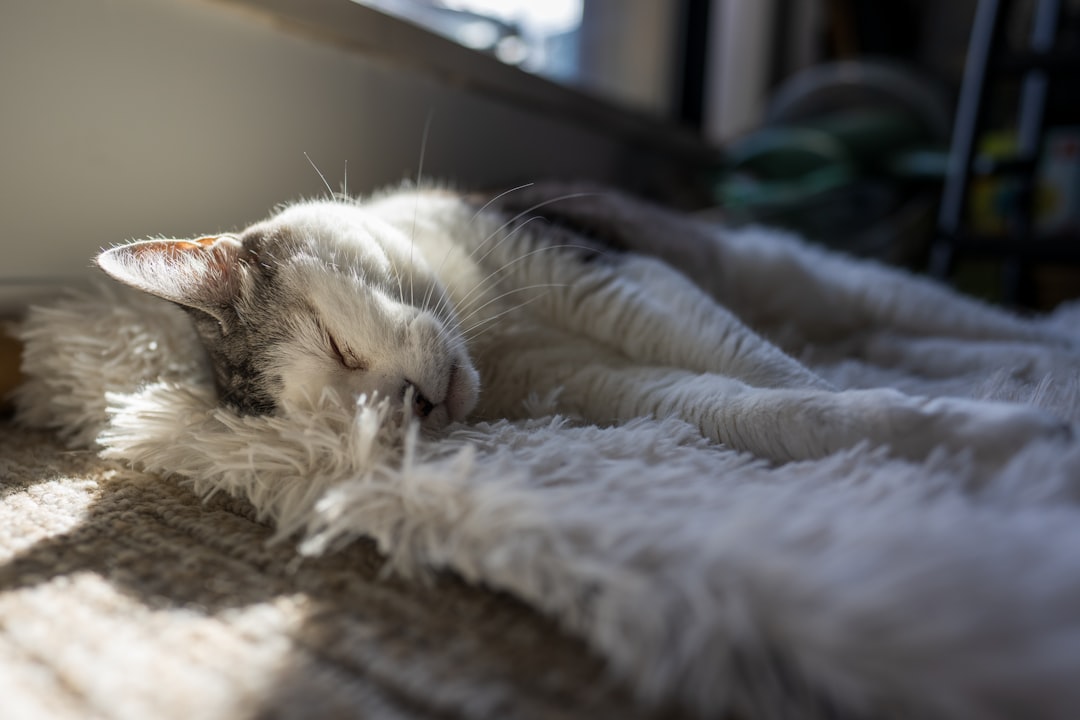
Where the cats come from in the first place
Intake sources shape everything downstream, because each brings a different set of medical and behavioural unknowns.
| Source | Typical condition | Main challenge |
|---|---|---|
| Owner surrender | Usually vaccinated, socialised | Adjusting to losing its home |
| Stray found by the public | Unknown history | Confirming it is not simply lost |
| Community cat colony | Healthy but unsocialised | Assessing whether it can live indoors |
| Neonatal litter | Fragile, high risk | Round-the-clock feeding for weeks |
| Shelter transfer | Assessed already | Usually the smoothest route |
| Hoarding or cruelty case | Poor, often untreated | Long medical and behavioural recovery |
Colony cats are the most commonly misjudged. A cat that is healthy but genuinely feral is usually better served by sterilisation and return than by a rescue placement it will never settle into.
Our guide to the difference between feral, stray and community cats covers how that call gets made, and getting started with TNR in Fresno covers the alternative pathway.
Why some cats take far longer than others
Two cats admitted on the same day can leave months apart, and the reasons are rarely about how appealing they are.
Medical complexity, socialisation needs, a requirement to be the only cat, and simple bad luck with timing all extend a stay. Kitten season floods listings and lengthens the wait for every adult on the roster.
This is the part donors fund without seeing it. A cat waiting six months costs six months of food, litter, flea treatment and foster capacity, none of which is recovered at adoption.
Almost every stage of that pipeline depends on a veterinary partnership. Our explainer on how rescues and vets work together covers why rescue vetting costs less than your own vet visit.
Frequently Asked Questions
How long does a rescued cat wait before adoption?
Anywhere from about three weeks for a healthy, confident adult to several months for cats needing medical treatment or socialisation. Black cats and FIV-positive cats typically wait longest.
Why are rescued cats quarantined?
Upper respiratory infections and ringworm spread rapidly through a foster network. A ten to fourteen day isolation period protects other animals and gives the new arrival time to decompress.
Does the adoption fee cover the cat’s costs?
Rarely. Fees typically cover a fraction of vetting for a healthy cat and nothing close to it for a medical case. Donations and straightforward cats subsidise the expensive ones.
What happens to cats that are not adopted?
In a foster-based rescue they stay in foster care until the right home appears. Reputable organisations do not impose time limits, and many also take cats back at any life stage.
Are rescued cats tested for FIV and FeLV?
Most rescues test at intake. A positive result is not a barrier to a normal life — FIV-positive cats commonly live long and healthy indoor lives, often alongside other cats.
How can I tell whether a rescue is well run?
Ask for outcome figures rather than appeals, check 501(c)(3) status, and ask whether they take cats back for life. Organisations doing this properly answer all three without hesitation.