
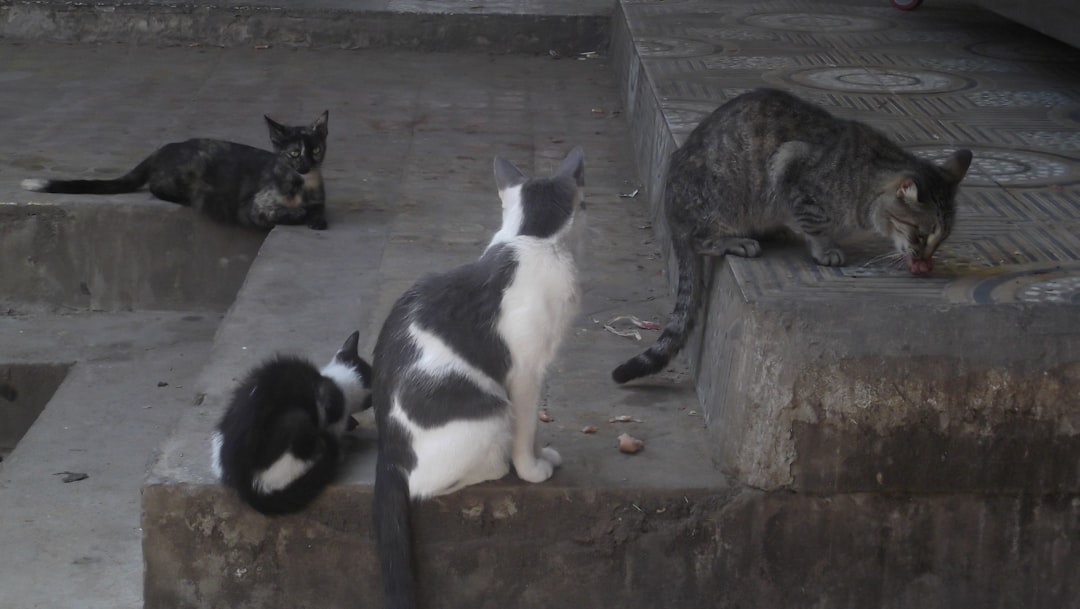
If cats keep appearing in your Fresno yard and the numbers keep climbing, adoption is not the tool for the job. Trap-neuter-return is.
TNR means humanely trapping free-roaming cats, having them sterilised and vaccinated, ear-tipping them for identification, and returning them to the territory they already know. Done properly, a colony stops growing and gradually shrinks.
Here is how to run your first project in Fresno without making the common mistakes.
Why TNR rather than removal
Removing cats does not work for long. When a territory with food and shelter empties, cats from surrounding areas move in and breed — a pattern usually called the vacuum effect.
Sterilised cats hold the territory without producing litters. Fighting, spraying and yowling drop away too, which resolves most neighbour complaints.
Alley Cat Allies maintains the reference material on the method if you want the underlying research.
Fresno clinic options and costs
Fresno is comparatively well served for community cat surgery, and prices are far below standard veterinary rates.
| Option | Cat type | Typical cost | Notes |
|---|---|---|---|
| Fresno T.N.R. | Feral and community cats | $30 with ear tip, $45 without | Includes rabies and FVRCP |
| HOPE Animal Foundation | Owned and feral programmes | Well below private practice | Serves Fresno, Clovis, Madera |
| Central Valley Spay/Neuter | Owned pets, county-funded | Subsidised | Residency-based, book online |
| Cats By The Tracks Snip Trip | Community cats | See programme page | Transport and booking help |
Our full comparison of low-cost spay and neuter options across Fresno breaks down what each package includes.
Before you set a single trap
Preparation determines whether the night works. Most failed trapping attempts are preparation failures, not bad luck.
- Book the clinic appointments first. Never trap a cat with nowhere to take it.
- Feed the colony at the same time and place daily for a week or two.
- Count the cats and note their markings, so you know when you are finished.
- Borrow enough traps — one per cat you intend to catch that night.
- Withhold food for roughly 24 hours before trapping so the cats are genuinely hungry.
- Line up a warm, quiet, secure indoor space for overnight holding.
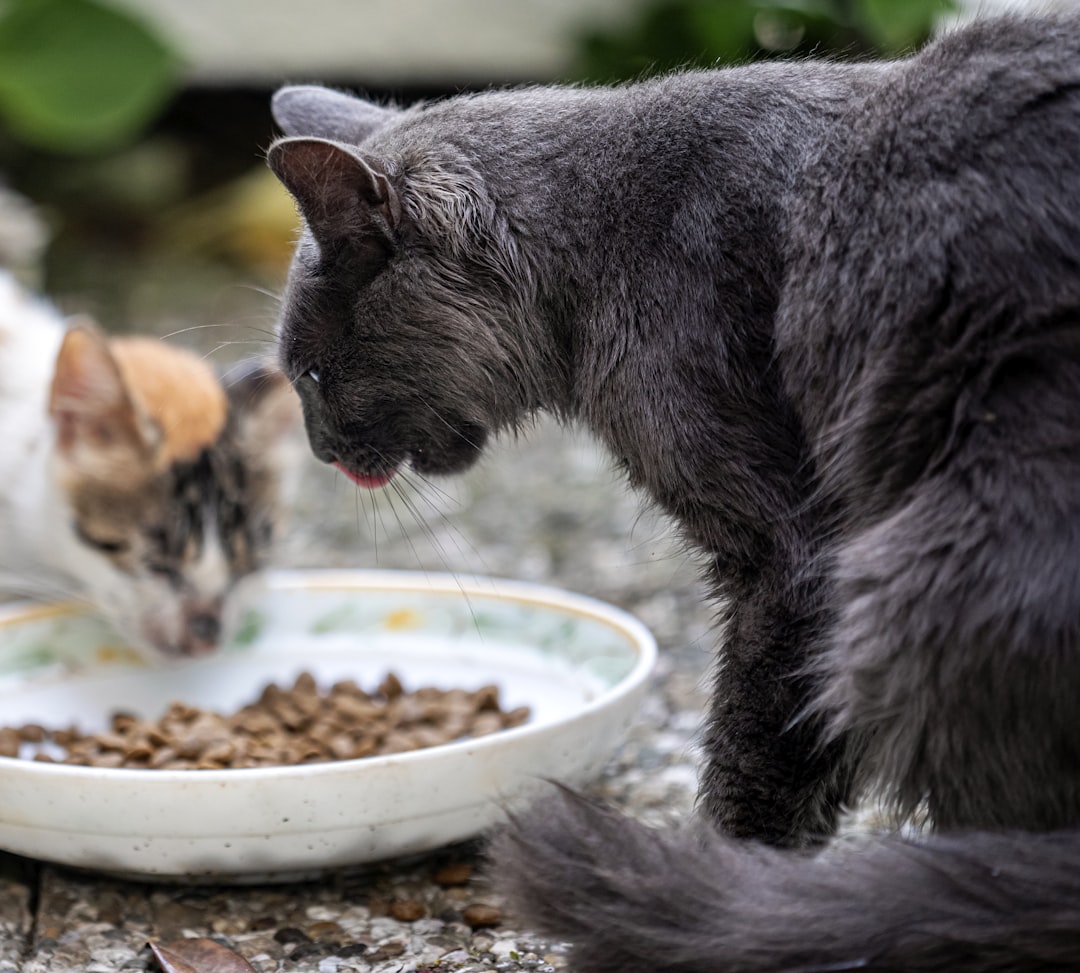
Our step-by-step guide to humanely trapping a feral cat covers technique in detail, including what to do when a cat refuses to enter.
Trapping night
Set traps at dusk, near the usual feeding spot, on level ground. Cover each trap with a towel except the entrance — covered traps calm cats dramatically.
Stay within sight but out of view, and check every fifteen minutes. Never leave a trapped cat unattended in summer heat or overnight cold.
Once a cat is caught, cover the trap fully and move it somewhere quiet. Do not open the trap for any reason, however calm the cat appears.
Surgery day and recovery
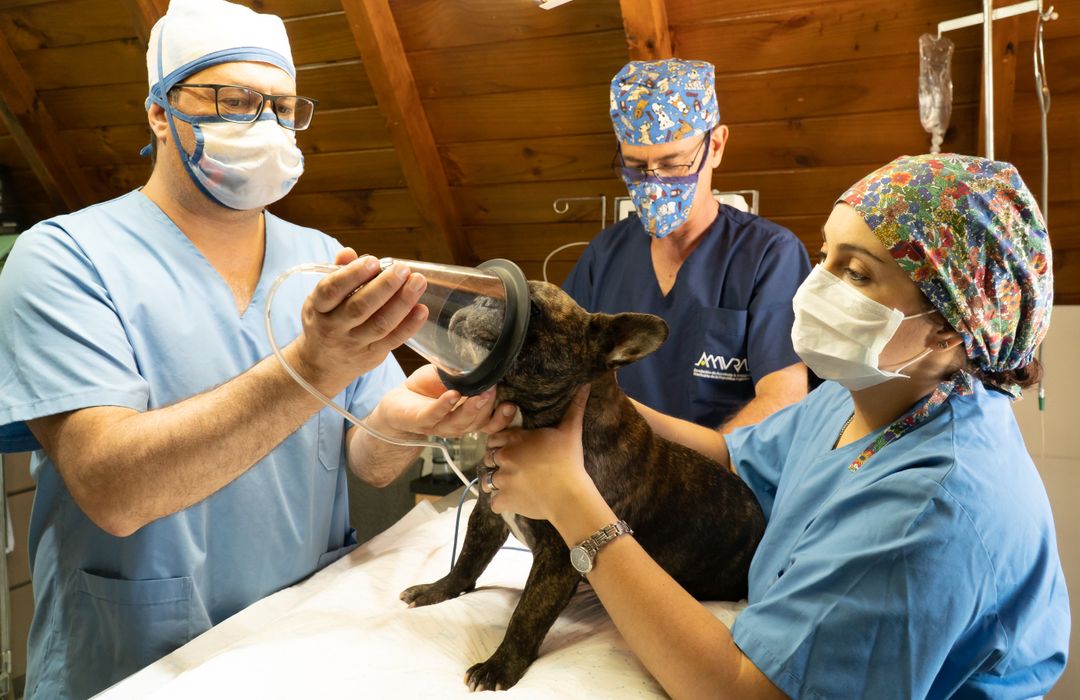
Transport cats in their covered traps. Clinics handle community cats through the trap rather than through handling, which is safer for everyone.
Most cats stay overnight after surgery in a warm, dry, secure space. Males typically recover within 24 hours; females usually need 24 to 48.
Return each cat to the exact location it was trapped. Releasing a community cat somewhere unfamiliar is effectively abandonment.
The ear tip
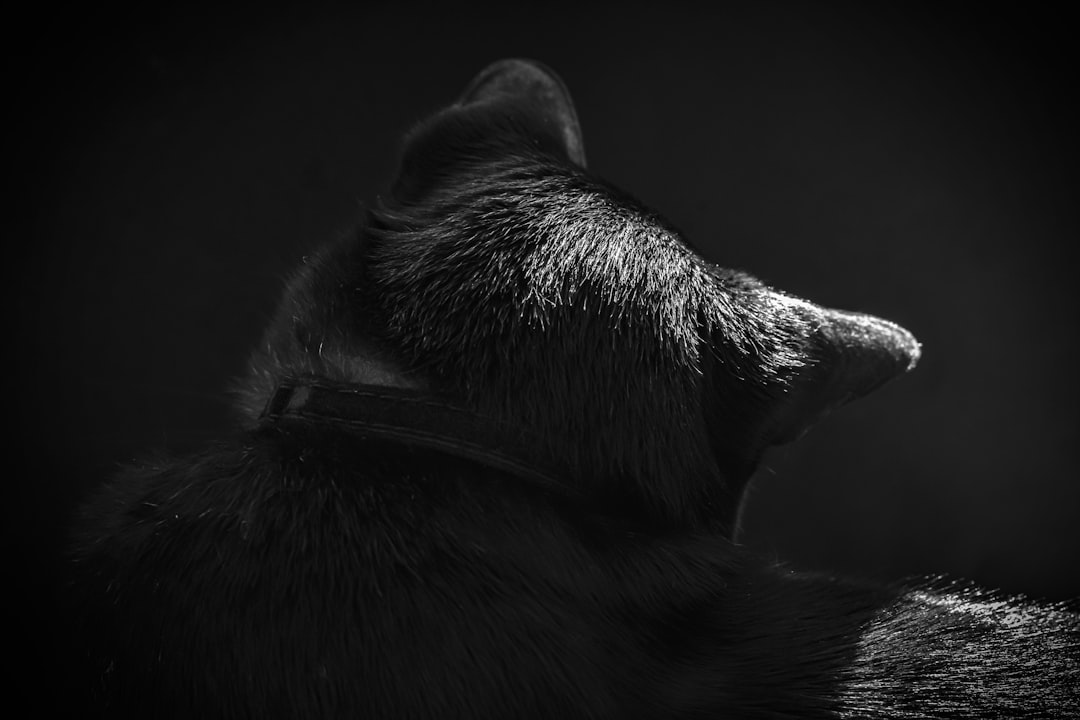
The tip of the left ear is removed during surgery while the cat is already anaesthetised. It is quick, painless at the time, and heals cleanly.
It is the universal signal that a cat is already fixed, visible from a distance, and it prevents the same cat being trapped and anaesthetised again.
Our explainer on what ear tipping means and why TNR uses it covers the practice in full.
Managing the colony afterwards
TNR does not end at return. A managed colony needs ongoing, low-level attention.
- Feed on a consistent schedule and remove leftovers, which discourages wildlife.
- Provide shelter — shade and water in summer, insulation in winter.
- Watch for new, un-tipped arrivals and trap them promptly.
- Keep written records of who is fixed and when.
- Socialise any young kittens early enough for adoption.
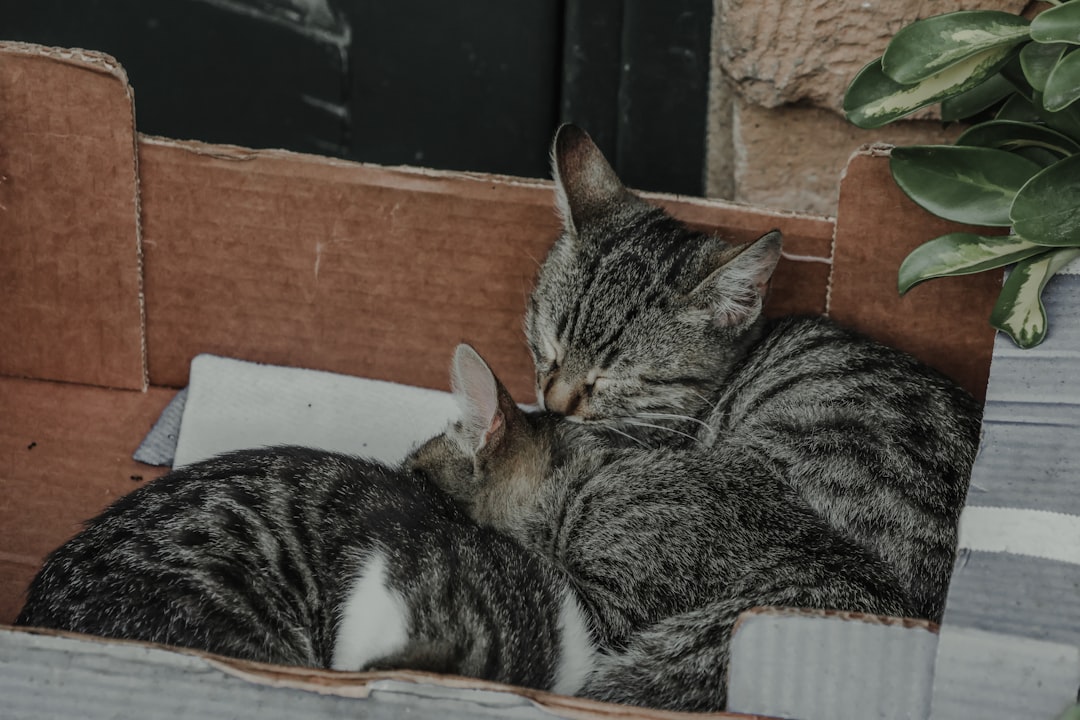
Our guides to being a colony caretaker and feeding station best practices cover the routine, and colony record keeping explains what to track.
Kittens change the plan
If you find kittens young enough to socialise, they can usually be adopted rather than returned. The window is narrow — roughly up to eight weeks for straightforward socialisation.
Do not remove nursing kittens from their mother. Wait until they are weaned at around eight weeks, then TNR the mother and pull the litter for socialising.
Our guide to socialising a feral kitten covers the process, and what a full TNR project costs helps you budget a whole colony.

When neighbours object
Colony work rarely fails on the trapping. It fails on the neighbour who does not want cats nearby and starts complaining, removing food, or threatening to call animal control.
Get ahead of it. Tell people what you are doing before you start, in plain terms: the cats are being sterilised and vaccinated, the numbers will fall, and the spraying and fighting will stop.
- Feed on a schedule and clear food away — most complaints are about mess, not cats.
- Keep feeding stations off neighbouring property and away from shared boundaries.
- Offer practical help, such as cheap deterrents for a neighbour’s vegetable bed.
- Show the ear tips. Visible proof that the work is happening defuses most objections.
- Keep a written record in case anyone escalates to the city.
Almost every objection is really about noise, smell or garden damage — all of which sterilisation genuinely reduces within a season.
Know the local rules
Ordinances on feeding and colony management vary between Fresno County cities, and knowing yours before a dispute starts is worth an hour of reading.
Our guide to TNR ordinances and whether it is legal where you live covers what to check, and managing community cats around apartments and businesses covers the trickier shared-property situations.
Larger colonies need a different approach, and towns without a programme need one built. Our guides to mass trapping large colonies and starting a TNR group in your town cover both.
Frequently Asked Questions
How much does TNR cost in Fresno?
Fresno T.N.R. charges $30 per community cat with an ear tip or $45 without, including rabies and FVRCP vaccines. Other local clinics offer subsidised rates for Fresno County residents.
Is TNR legal in Fresno?
Trap-neuter-return is widely practised across Fresno County and supported by local clinics and rescues. Ordinances vary by city, so check your local rules on feeding and colony management before starting.
Where can I borrow a humane trap?
Local TNR groups and some rescues lend traps, usually against a refundable deposit. Book traps at the same time as clinic appointments, since both are in short supply during kitten season.
How long do cats stay after surgery?
Most community cats are held overnight in a warm, secure space. Males usually recover within 24 hours and females within 24 to 48 hours before being returned to their territory.
What if a trapped cat turns out to be friendly?
Friendly cats may be lost pets or socialised strays. Check for a microchip, scan for an ear tip, and post locally before assuming the cat is feral. Sociable cats are often adoptable.
Do I have to return the cats where I trapped them?
Yes. Community cats are returned to the exact location they were trapped, where they know the food sources and hiding places. Relocating them is unsafe and rarely succeeds.