

A supply drive is one of the easiest ways to help a rescue, and one of the easiest to do badly.
Rescues routinely receive vanloads of things they cannot use, then spend volunteer hours sorting and disposing of them. A well-run drive delivers exactly what is short and nothing else.
The difference is one phone call at the start.
Ask first. Always.
Every rescue has a wish list, and it changes seasonally. What was desperately needed in March may be overflowing by June.
Call or email before you announce anything, and ask three questions: what are you short of right now, what do you have too much of, and when do you want it delivered?
That last question matters more than people expect. A rescue with no storage cannot absorb three hundred bags of litter in one afternoon.

Our rescue wish list shows the kind of thing that genuinely runs short, and in-kind versus cash donations covers when goods beat money.
What rescues almost always need
| Item | Why it is needed | Notes |
|---|---|---|
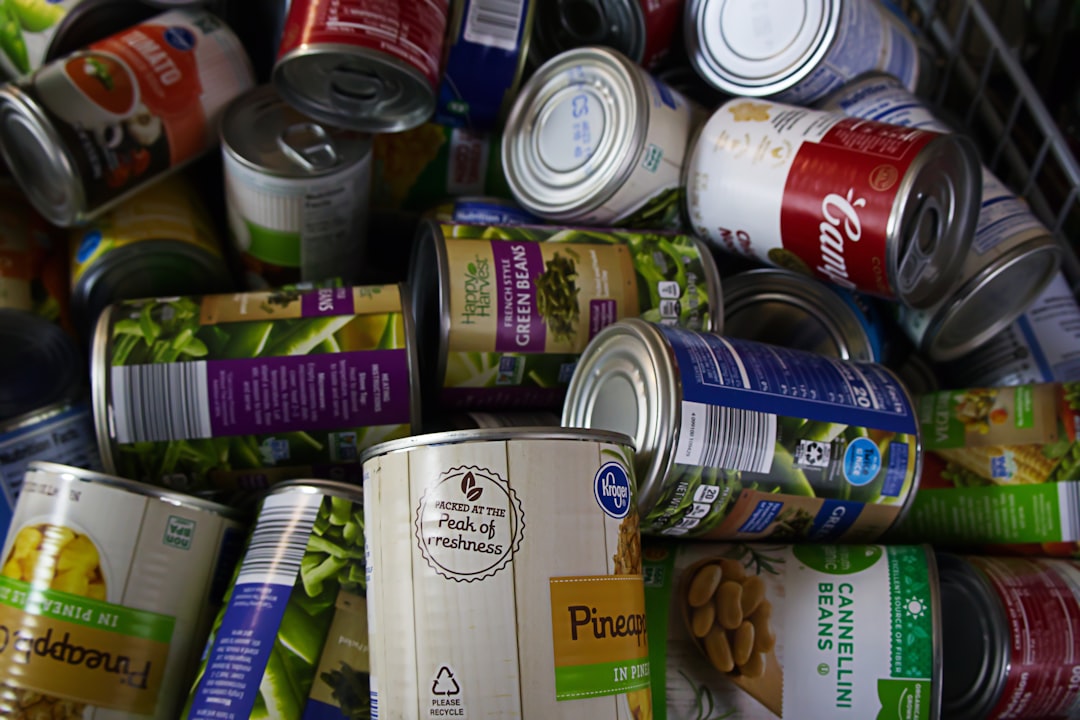
| Canned cat and kitten food | Used daily, runs out fastest | Check dates before donating |
| Unscented clumping litter | Constant consumption | Bulk bags preferred |
| Kitten milk replacer | Critical in spring | Only unopened, in date |
| Towels and blankets | Bedding, cleaning, transport | Clean, no rips |
| Cleaning supplies | Disease control | Bleach, paper towels, gloves |
| Carriers and traps | Never enough in kitten season | Hard-sided only |
| Gift cards | Buys exactly what is missing | Pet stores or general retail |
Kitten season runs from roughly March to September and doubles consumption of almost everything on that list.
What nobody wants
Being direct about this saves everyone time. These items are declined constantly.
- Opened or out-of-date food, which cannot be given to animals in care.
- Homemade treats, for the same reason.
- Used litter trays and bowls, which are a disease risk.
- Soft toys with stuffing or small parts.
- Ripped, stained or heavily worn bedding.
- Prescription diets without an accompanying prescription.
- Collars with bells, which many rescues do not use.
If you would not give it to your own animal, do not donate it. Volunteers end up paying to dispose of it.
Running the drive
- Confirm the needs list and delivery window with the rescue.
- Pick a location with genuine footfall — a workplace, school, gym or place of worship.
- Set a short window. Two weeks outperforms two months.
- Publish the exact list, including what you are not collecting.
- Provide labelled bins so sorting happens as people donate.
- Arrange transport in advance — do not assume the rescue can collect.
- Deliver on the agreed date, sorted and boxed.
The sorting step is where most of the value is added. Arriving with labelled, sorted boxes rather than a mixed pile saves hours of volunteer time.
Making people actually participate
Vague appeals produce vague results. Specific asks produce full boxes.
| Weak ask | Strong ask |
|---|---|
| “Donate pet supplies” | “Bring one bag of unscented clumping litter” |
| “Anything helps” | “We need 40 cans of kitten food by Friday” |
| “Support local animals” | “$8 of canned food feeds a foster litter for a day” |
| No deadline | “Collection closes on the 14th” |
| No visible progress | A tally updated in the office each week |

A single named item works far better than an open list. People do not want to choose; they want to be told what to buy.
Workplace drives
Workplaces are the most productive venue, partly because of footfall and partly because employers frequently match what staff raise.
Check whether your employer offers matching gifts before you start. Our guide to corporate matching gifts covers how to find out, and it is the single easiest way to double the result.
The ASPCA publishes further guidance on community support for pets and their owners.
Drives run by children
A supply drive is one of the few genuinely useful things a child too young to volunteer on site can lead.
It teaches organisation, produces a measurable result, and requires no animal handling. Schools frequently count it toward service requirements.

Our guide to volunteering with kids at an animal rescue covers what families can do at each age.
Consider cash as well
This is worth saying plainly even in an article about supply drives: money usually goes further than goods.
Rescues buy at wholesale rates and can direct funds at whatever is actually short that week, including veterinary bills that no supply drive covers.
The strongest drives collect both — supplies from people who prefer to give something tangible, and a cash total alongside.
Our comparison of monthly giving versus one-time donations covers how cash giving works best.
Afterwards
Tell your donors what arrived and what it did. A photograph of the delivery and a line about how many foster litters it covers turns a one-off drive into an annual one.
Ask the rescue what they would want differently next time. They will usually have a specific answer, and acting on it makes the second drive twice as useful.
If you would like to run one for us, our donation page lists current needs, and our contact page is the place to arrange timing and drop-off.

Storage and logistics
The most common way a well-meaning drive goes wrong is arriving unannounced with more than the rescue can physically store.
- Agree a delivery date and time in advance, in writing.
- Ask whether they want everything at once or in instalments.
- Confirm who will be there to receive it.
- Check access — stairs, parking and door width all matter.
- Ask whether they would rather collect, and whether they have a vehicle.
Small foster-based rescues frequently have no premises at all. Supplies go to a coordinator’s garage, which changes what and how much they can accept at one time.
Running it more than once
A single drive is useful. A recurring one is far more valuable, because a rescue can plan against it.
Kitten season between roughly March and September is when consumption doubles, so an annual drive timed for early spring lands when it matters most.
Keep the contact, keep the list, and ask each year what has changed. The second drive is always easier than the first.
Our guide to what kitten season means for shelters covers why the timing matters, and fostering kittens covers the other way to help during those months.
Frequently Asked Questions
What should I collect in a pet supply drive?
Ask the rescue first, since needs change seasonally. Canned cat and kitten food, unscented clumping litter, kitten milk replacer, clean towels and blankets, and cleaning supplies are almost always needed.
What items do rescues not want?
Opened or expired food, homemade treats, used litter trays and bowls, stuffed toys with small parts, ripped or stained bedding, and prescription diets without a prescription.
How long should a supply drive run?
About two weeks. Short windows with a clear deadline consistently outperform open-ended collections, which lose momentum and produce a trickle rather than a delivery.
Is it better to donate supplies or money?
Money usually goes further, since rescues buy at wholesale rates and can cover veterinary bills that supplies cannot. The best drives collect both, giving people the option they prefer.
Can children run a pet supply drive?
Yes, and it is one of the most useful things a child too young to volunteer on site can lead. It needs no animal handling and frequently counts toward school service requirements.
Should I sort donations before delivering them?
Yes. Arriving with labelled, sorted boxes rather than a mixed pile saves hours of volunteer time, and it is where much of a drive’s real value is added.