

After a cat dies, the practical questions arrive at the worst possible time. The food in the cupboard, the bed by the radiator, the unused medication.
There is no correct timeline for dealing with any of it. But when you are ready, most of it can genuinely help another animal.
First: there is no rush
People often clear everything within days, either because it hurts to see it or because someone told them it would help.
There is no evidence that clearing quickly makes grief easier, and plenty of people regret it. Equally, some find it a relief. Both are normal.
If you are unsure, put things in a box in a cupboard. The decision will still be there in three months, and you will be better placed to make it.
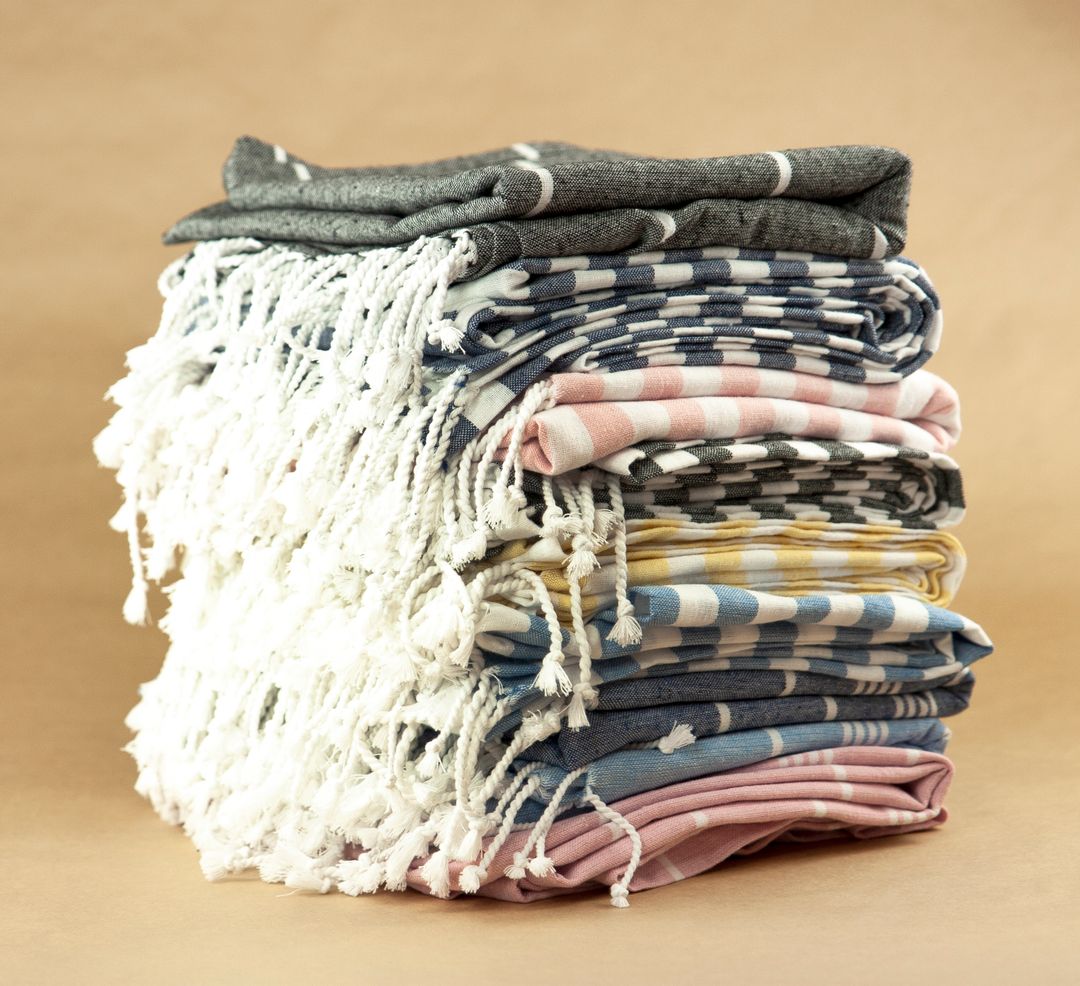
What rescues can usually use
| Item | Usually accepted | Condition required |
|---|---|---|
| Unopened dry and wet food | Yes | In date, sealed |
| Unopened litter | Yes | Sealed bag |
| Blankets, towels, bedding | Yes | Clean, no rips |
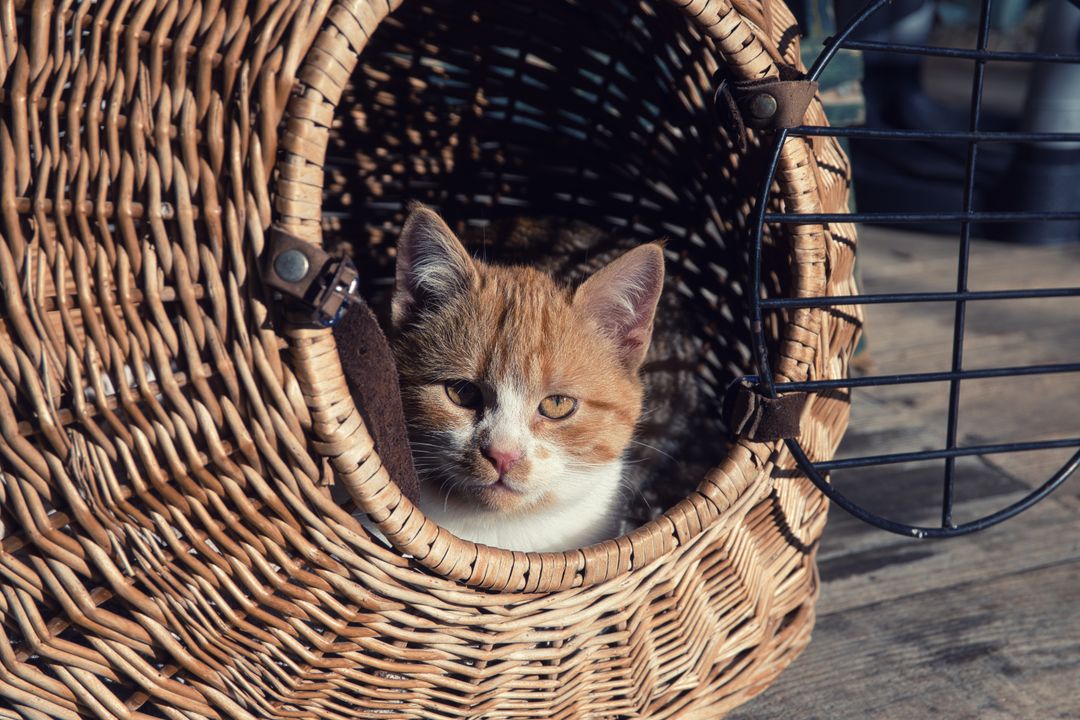
| Hard-sided carriers | Yes — always short | Intact latches |
| Scratching posts, cat trees | Often | Structurally sound |
| Bowls, litter trays | Sometimes | Hard plastic or steel, washable |
| Unopened parasite treatment | Often | In date, unopened |
| Toys | Sometimes | No stuffing or loose parts |
Carriers are the item most consistently short and least often donated. A rescue in kitten season will take every carrier it can get.
Our rescue wish list covers what runs short generally.
What they usually cannot take
This is worth knowing so you are not disappointed, and so volunteers are not left disposing of things.
- Opened food, however recently opened.
- Expired anything, including litter and treatments.
- Prescription medication — most rescues cannot legally redistribute it.
- Soft toys with stuffing or small parts.
- Heavily stained or torn bedding.
- Used litter trays that cannot be properly disinfected.
- Fabric-covered items that cannot be washed at high temperature.

Prescription medication is the one people most often try to donate. Return it to your veterinary practice instead — they can dispose of it safely, and occasionally use it under their own supervision.
Before you hand anything over
- Call ahead and ask what they currently need — needs change seasonally.
- Wash all fabric items at high temperature.
- Disinfect hard plastic items thoroughly.
- Check expiry dates on everything, including litter.
- Bag and label items so volunteers are not sorting a mixed pile.
- Agree a drop-off time rather than turning up.
If the cat died of an infectious illness, say so when you call. Most items are fine after proper cleaning, but the rescue should make that decision rather than you.
HumanePro publishes guidance for shelters on donation handling that explains why these limits exist.
Keeping something back
You are allowed to keep things. A collar, a favourite toy, a tag — keeping one item is common and reasonable, and it does not mean you are stuck.
Some people keep nothing and feel fine. Some keep a box for years. Neither is a problem.
Other ways to give something meaningful
If the belongings are not much, or you would rather do something else, there are alternatives that rescues value highly.
| Option | What it does |
|---|---|
| A memorial donation in the cat’s name | Funds vetting for another cat |
| Sponsoring a specific cat | Ties the gift to an outcome |
| Funding one spay surgery | Prevents a litter, concrete and traceable |
| A recurring monthly gift | Gives the rescue predictable income |
| Fostering when you are ready | The single most valuable contribution |
Many people find a memorial donation easier than handing over belongings, because it produces something rather than only clearing something away.
Our guide to sponsoring a shelter cat covers tying a gift to a specific animal, and monthly giving versus one-time donations covers which form helps most.
When you are ready to foster or adopt again
There is no correct interval, and nobody else gets to judge it. Some people foster within weeks; others need years; some never do again.
If you do come back, fostering is often easier than adopting first. It is genuinely useful, it is not permanent, and it does not ask you to replace anything.

Our beginner guide to fostering kittens covers what is involved, and adopting versus fostering covers the difference.
If you are helping someone else
If you are clearing a relative’s home, or helping a friend, the useful thing is to offer rather than act.
Ask what they want kept, do the logistics yourself, and do not make the decision for them. Handing over a box of belongings without asking is a common and lasting hurt.
And if there is a surviving cat in the household that now needs a home, our guide to what happens to a cat if something happens to its owner covers arranging care properly.
If the loss was sudden or traumatic
An expected loss after a long illness and a sudden one are different experiences, and the practical decisions land differently.
After a sudden death, people often clear everything immediately as a way of coping, and regret it later far more often than after an anticipated loss. Give yourself the option of a box in a cupboard.
If there are other animals in the household, they may also change behaviour — searching, calling, eating less. Keep routines stable and give it a few weeks before concluding anything is wrong.
Talking to children about it
Children generally cope better with plain language than with euphemism, and better with involvement than with being protected from it.
- Use clear words rather than “put to sleep”, which confuses younger children.
- Let them keep something if they want to.
- Let them help choose where donations go, if they want a role.
- Do not insist on either keeping or clearing — follow their lead.
- Expect the subject to resurface repeatedly over months.
Some families find donating to a rescue together helps, because it gives the child something active to do. Our guide to volunteering with kids at an animal rescue covers age-appropriate involvement.
Frequently Asked Questions
What can I donate to a rescue after my cat dies?
Unopened in-date food and litter, clean blankets and towels, hard-sided carriers, sound scratching posts, and washable bowls or trays. Carriers are the item most consistently short.
Can I donate leftover prescription medication?
Usually not — most rescues cannot legally redistribute prescription medication. Return it to your veterinary practice, which can dispose of it safely or occasionally use it under supervision.
How soon should I clear out my pet’s things?
There is no correct timeline and no evidence that clearing quickly helps. If you are unsure, box things up and decide in a few months. Plenty of people regret clearing everything within days.
What can rescues not accept?
Opened food, anything expired, prescription medication, stuffed toys with small parts, heavily stained or torn bedding, and used trays that cannot be properly disinfected.
What if my cat died of an infectious illness?
Say so when you call. Most items are fine after washing at high temperature and proper disinfection, but the rescue should make that judgement rather than you.
Is a memorial donation better than donating belongings?
Neither is better, but many people find a memorial donation easier because it produces something rather than only clearing something away. Funding one spay surgery is concrete and traceable.