

People contacting a rescue about a cat frequently expect a yes and receive a no, and the reasons are rarely explained well in the moment.
This is what actually goes into that decision. It is worth understanding whether you are asking a rescue for help, considering donating to one, or thinking about starting one.
The constraint is almost never money
Most people assume a rescue that says no cannot afford another cat. Usually the binding constraint is foster homes.
A foster-based rescue has no building. Every cat needs a volunteer with a spare room, and those are finite in a way that donations are not.
- Available foster homes, right now, not in theory.
- Foster homes suitable for this cat — a home with resident cats cannot take an unvaccinated arrival.
- Quarantine space for new intakes.
- Medical capacity, meaning both funds and someone able to manage treatment.
- Volunteer time for transport, vetting and socialisation.
- Realistic adoption prospects, which determines how long the space is occupied.

That last point is uncomfortable and real. A cat likely to wait eight months occupies a foster space that could otherwise turn over three or four times.
Capacity for care
The sector uses this phrase to describe a specific principle: an organisation should only take in as many animals as it can properly care for.
It sounds obvious and it is regularly breached, because saying no is unbearable and saying yes feels like helping.
Exceeding capacity produces predictable outcomes — disease outbreaks, deteriorating care, volunteer burnout, longer stays for every animal, and in the worst cases an organisation that has become a hoarding situation with a website.
Shelter Animals Count maintains the national data infrastructure that lets organisations measure this rather than guess.
How requests are typically prioritised
| Situation | Typical priority | Why |
|---|---|---|
| Injured or acutely sick cat | Highest | Immediate welfare need |
| Neonatal kittens without a mother | High | Will die without intervention |
| Cat in immediate danger | High | Time-limited |
| Owner surrender, crisis | Moderate | Depends on alternatives available |
| Owner surrender, non-urgent | Lower | Rehoming support often better |
| Healthy stray, well-fed | Lower | May be owned; TNR may fit better |
| Feral adult | Usually redirected | TNR rather than adoption pathway |
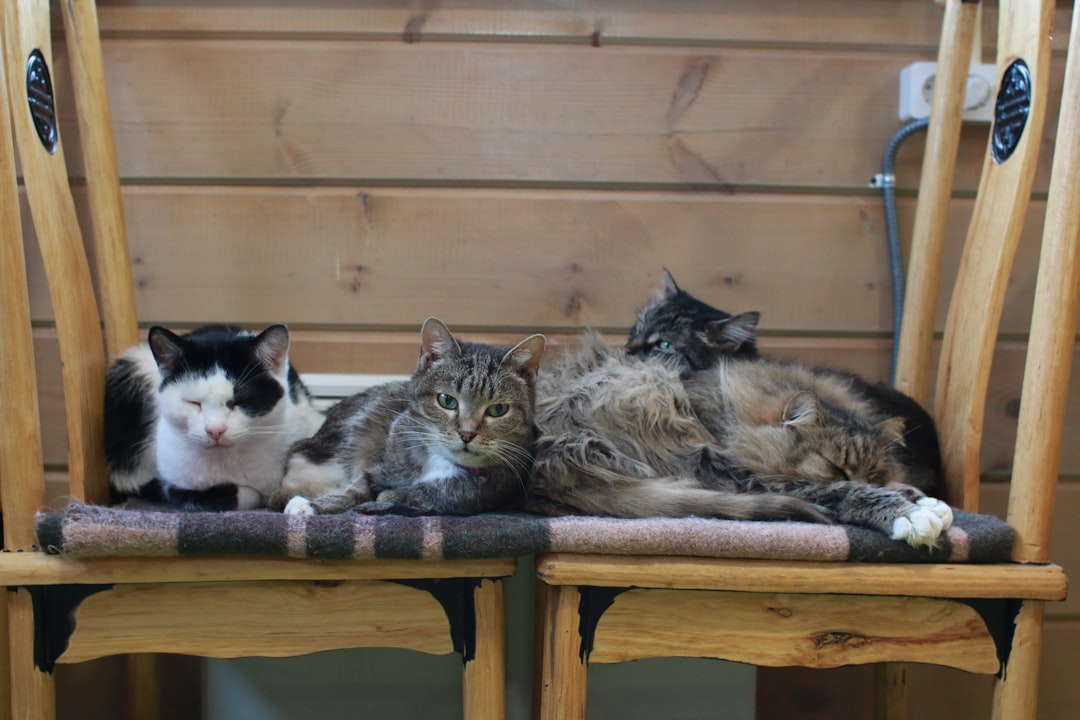
That last row surprises people. A healthy unsocialised adult cat is generally better served by sterilisation and return than by a rescue placement it will never settle into.
Our guides to telling feral from stray and getting started with TNR cover that pathway.
Why kitten season changes everything
Demand is not spread evenly through the year. Intake concentrates between roughly March and September, and it overwhelms capacity every year.
A rescue that could take a cat in November genuinely cannot in June, and that is not inconsistency — it is the same capacity meeting several times the demand.
Our explainer on what kitten season means for shelters covers the annual cycle.
What a good rescue does when it says no
Declining is not the same as abandoning the request, and the difference is worth knowing when you assess an organisation.
- Explains that it is capacity rather than unwillingness.
- Offers alternatives — other organisations, rehoming platforms, TNR resources.
- Provides practical advice for the interim.
- Offers to add the cat to a waiting list where one exists.
- Points to surrender prevention support if that is the real issue.
- Follows up if capacity changes.
Our guides to rehoming a cat in Fresno and pet food assistance cover the two alternatives most often relevant.
If you have been turned down
It is genuinely not personal, and there are productive next steps.
- Ask specifically what would change the answer — sometimes fostering the cat yourself is the unlock.
- Ask whether they would help with vetting costs if you keep the cat temporarily.
- Ask for a referral rather than a general no.
- Contact several organisations rather than one.
- Consider whether TNR rather than rescue is the right pathway.
- Offer to foster — it directly creates the capacity that was missing.

That last option resolves the problem more often than anything else. The answer to “we have no foster space” is frequently sitting on the other end of the phone.
Our beginner guide to fostering kittens covers what it involves.
The decisions that stay with people
Worth saying plainly: rescue volunteers find this the hardest part of the work, and they are not indifferent to it.
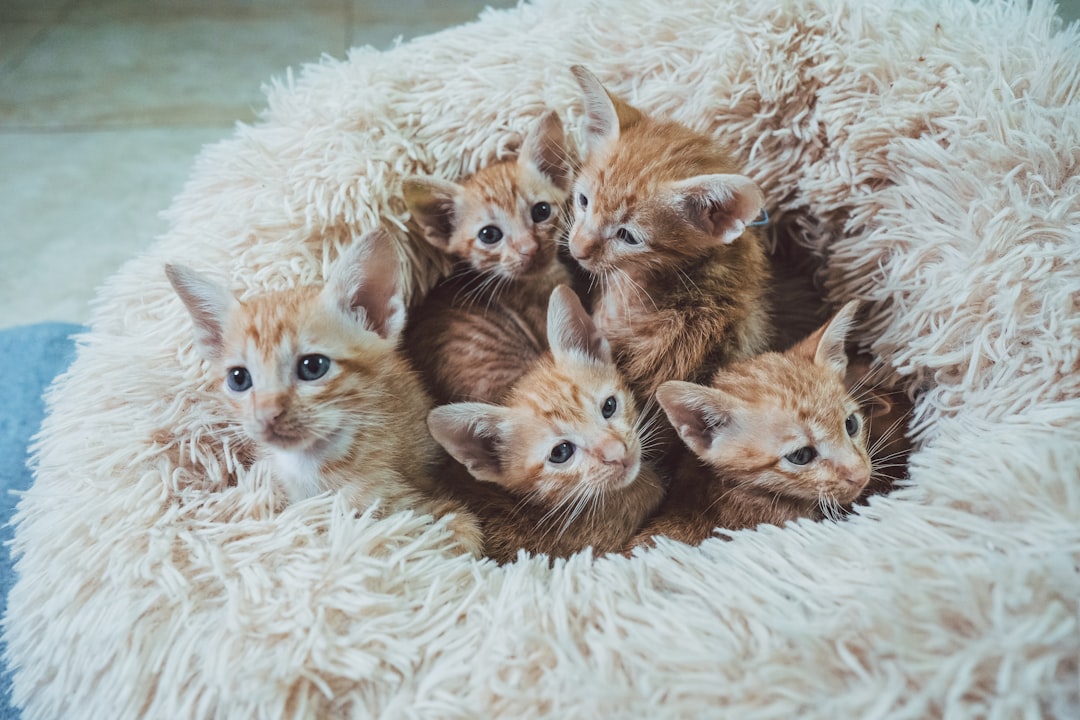
Every no is a specific animal. The framing that holds up is that a rescue operating within capacity helps far more cats over a decade than one that says yes to everything and collapses in two years.
Our guide to burnout in rescue work covers what accumulating those decisions does to people.
If you are running a rescue
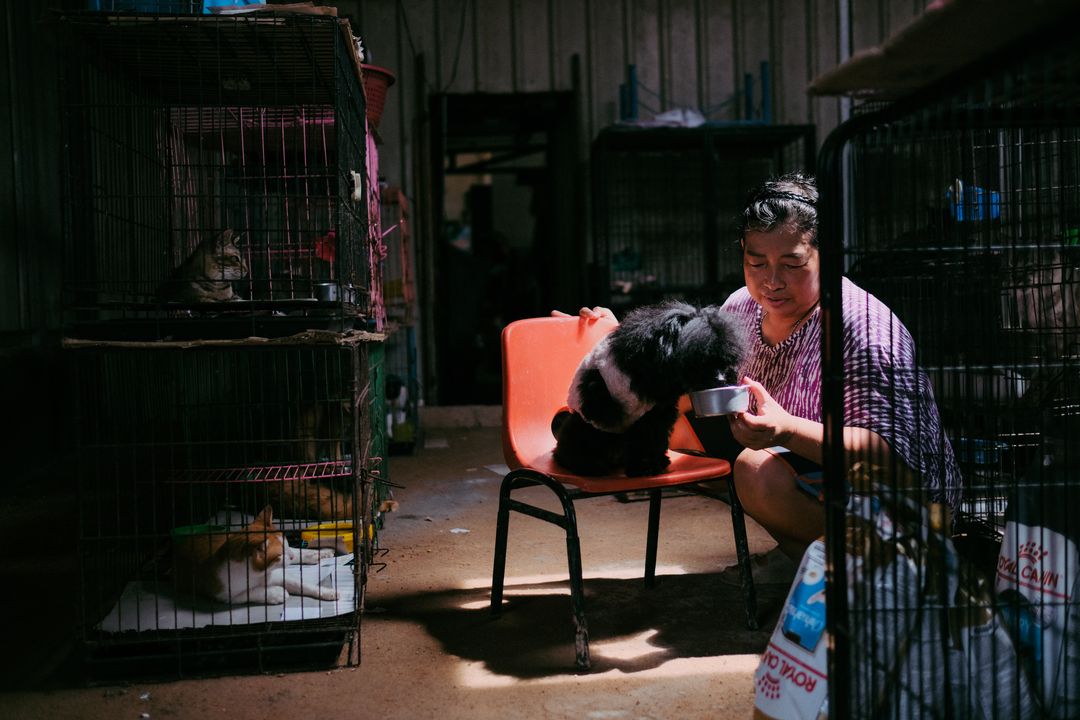
Deciding your capacity in advance, in writing, is what makes it possible to hold in the moment.
Define maximum animals in care, minimum foster homes in reserve, and a medical spending threshold. Then review those numbers quarterly rather than case by case under pressure.
Our guides to starting a cat rescue nonprofit and supporting new foster carers cover building and retaining the capacity those numbers depend on.
If your cat is turned down
Being told no is not a judgement on the cat, and there are usually options left.
- Ask whether it is a capacity issue or a fit issue — capacity means try again later.
- Ask whether they can go on a waiting list, and how that works.
- Ask whether they know of another organisation better placed to help.
- Ask whether they offer any support short of intake — food, a trap loan, a low-cost clinic referral.
- Try several organisations rather than one, including breed and senior-specific rescues.
Many rescues will help with the underlying problem even when they cannot take the animal, and a surprising number of surrenders are avoidable with a vet bill or a behaviour plan.
Our guide to choosing a cat rescue covers assessing which local organisations are worth approaching.
Frequently Asked Questions
Why did a rescue refuse to take a cat?
Almost always capacity rather than money. Foster homes are the binding constraint — every cat needs a volunteer with a spare room, and those are finite in a way donations are not.
What is capacity for care?
The principle that an organisation should only take in as many animals as it can properly care for. Exceeding it produces disease outbreaks, deteriorating care, volunteer burnout and longer stays for every animal.
How do rescues prioritise intake requests?
Injured or acutely sick cats and orphaned neonatal kittens rank highest, owner surrenders vary by urgency, and healthy feral adults are usually redirected to TNR rather than an adoption pathway.
Why can a rescue take a cat in winter but not in summer?
Because intake concentrates between roughly March and September. The same capacity meets several times the demand during kitten season, which is not inconsistency but arithmetic.
What should I do if a rescue says no?
Ask what would change the answer, ask for a referral rather than a flat no, contact several organisations, and consider fostering the cat yourself — that directly creates the missing capacity.
Does a rescue saying no mean it is a bad organisation?
Usually the opposite. A rescue operating within its capacity helps far more cats over a decade than one that says yes to everything and collapses within two years.