

Starting a cat rescue nonprofit is a genuinely achievable process, but it involves real legal and organizational steps beyond simply deciding to help cats. Here’s the actual path.
Start With Planning, Not Paperwork
Before any legal filing, do the research and preliminary planning first — write a clear mission statement and set concrete goals. Reading even a single book on nonprofit management can meaningfully change how smoothly the rest of the process goes.
Build a Board of Directors
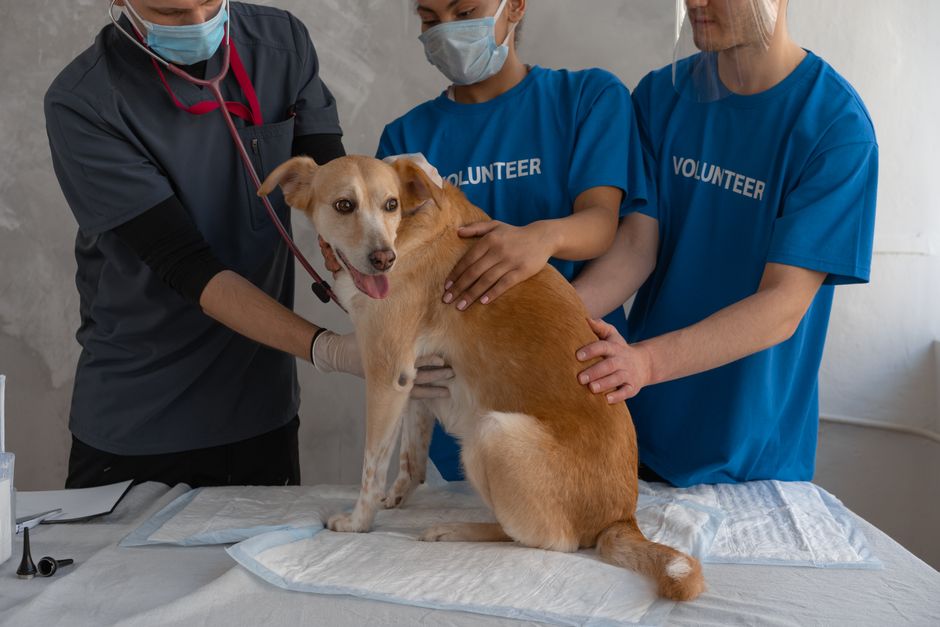
A board of directors is required for tax exemption — and it should include people with skills that go beyond a love of animals. Veterinarians, accountants, attorneys, and people with fundraising or grant-writing experience all bring something a purely animal-focused board would lack.
File Articles of Incorporation
Articles of Incorporation are a legal document filed with your Secretary of State — essentially your nonprofit’s birth certificate. The exact filing process and required information vary by state, so check your specific state’s requirements before submitting.

Get an EIN
File IRS Form SS-4 to obtain an Employer Identification Number. An EIN is required to legally hire employees and to open a bank account capable of accepting donations — a practical necessity before you can operate at all.
Apply for 501(c)(3) Status
| Form | Best For | Fee |
|---|---|---|
| Form 1023 | Full, detailed application | $630 |
| Form 1023-EZ | Smaller nonprofits under $50,000 annual gross receipts | $275 |
A 501(c)(3) animal rescue only qualifies when it relieves animal suffering in a structured way that serves a public benefit — the application should show demonstrated relationships with licensed veterinarians for intake exams, vaccinations, sterilization, and ongoing treatment, not just a general intention to help cats.
Once You’re Operating
Grant funding is a realistic path to sustaining operations once you’re established — see our guide to grant funding for animal rescue nonprofits for where to look, and our guide to tax-deductible donations to help explain the benefit to your future donors.
Deciding Between Fostering-Based and Facility-Based Models
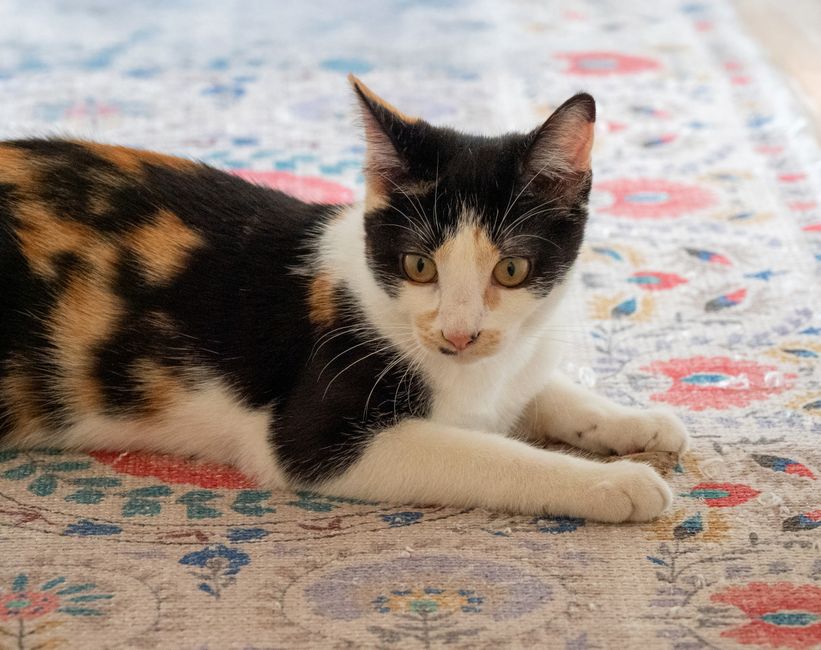
One of the biggest early decisions is whether your rescue will operate as a foster-based network, placing cats in volunteer homes rather than a physical facility, or whether you’ll eventually need a shelter location. A foster-based model, like Cats By The Tracks, dramatically lowers startup costs since you don’t need to lease or build a physical space, but it does require building and maintaining a reliable network of foster volunteers from the very beginning. Many successful rescues start foster-based and only consider a physical facility once volunteer capacity and funding have grown considerably.
Insurance and Liability Considerations
Before taking in your first cat, general liability insurance is worth researching and budgeting for, since even a well-run rescue can face situations involving an injury, a bite, or a dispute over a specific animal’s care. Many insurers offer nonprofit-specific policies at reasonable rates once you have your 501(c)(3) status, and having this coverage in place from the start protects both the organization and its individual board members and volunteers from significant personal liability.
Building Your Initial Funding Base
Before formal grant funding becomes realistic, most new rescues rely on a combination of founder contributions, small local fundraisers, and early word-of-mouth donor relationships to cover the first year of operating costs — incorporation fees, initial veterinary relationships, and basic supplies. Being realistic about this early funding gap, and having a specific plan for covering it rather than assuming donations will simply appear once you’re operational, is one of the most overlooked steps in successfully launching a new rescue nonprofit.
Learning From Established Rescues First
Before launching your own organization, spending time volunteering with an existing rescue — ideally one operating a model similar to what you envision, whether foster-based or facility-based — gives you a genuinely realistic picture of the day-to-day operational challenges that a book or online guide can’t fully convey. Many successful founders spent a year or more volunteering with another organization before starting their own, absorbing lessons about intake processes, foster coordination, and financial management that would have otherwise been learned the hard way.
Setting Realistic Early Goals
New rescues sometimes struggle because they aim too big too fast — trying to take in many cats simultaneously before the foster network, funding, and veterinary relationships are mature enough to support that volume. Starting deliberately small, successfully placing a handful of cats well in your first year, and growing capacity gradually as your systems and reputation strengthen tends to produce a far more sustainable organization than an ambitious launch that quickly outpaces its own infrastructure.
The Ongoing Commitment Beyond Launch
Starting a nonprofit is really just the beginning — annual filing requirements, board meetings, financial reporting, and maintaining your 501(c)(3) status all require ongoing attention well beyond the initial incorporation and IRS approval. Building these administrative responsibilities into your founding board’s expectations from day one, rather than treating them as an afterthought once the organization is up and running, helps avoid the compliance problems that can jeopardize an otherwise well-intentioned rescue’s nonprofit status down the line.
None of these steps happen overnight, and that’s genuinely fine — a well-planned, deliberately built rescue that takes an extra few months to launch properly tends to serve far more cats over its lifetime than one rushed into existence without the foundational pieces in place, since a shaky organizational start often means a considerably harder, slower, and far more expensive road to properly fix later on down the line, once real problems have already firmly taken root.
Incorporating creates a board, and that board carries real legal duties. Our guide to serving on a rescue board covers what those duties are and the questions to ask before joining one.
Frequently Asked Questions
Do I need a board of directors to start a nonprofit rescue?
Yes — a board of directors is required for tax exemption. It should include people with skills beyond animal care, such as veterinarians, accountants, attorneys, or fundraising and grant-writing experience.
What’s the difference between Form 1023 and Form 1023-EZ?
Form 1023 is the full, detailed application with a $630 fee. Form 1023-EZ is a simplified version for smaller nonprofits expecting less than $50,000 in annual gross receipts, with a $275 fee.
Do I need an EIN before I can accept donations?
Yes — an Employer Identification Number, obtained via IRS Form SS-4, is required to legally hire employees and open a bank account to accept donations.
What does a 501(c)(3) animal rescue need to demonstrate?
It needs to show it relieves animal suffering in a structured way that serves a public benefit, including relationships with licensed veterinarians for intake exams, vaccinations, sterilization, and ongoing treatment.
Questions About Starting a Rescue?
Cats By The Tracks is happy to share what we’ve learned as a foster-based rescue nonprofit.