

Grant funding can meaningfully supplement — or in some cases largely replace — day-to-day fundraising for a cat rescue, but knowing where to actually look is half the challenge.
Major Grant Funders
| Funder | Focus |
|---|---|
| Bissell Pet Foundation | Grateful Pet grants for medical treatment organizations can’t otherwise afford |
| Grey Muzzle Organization | Senior dog programs (applications reopen February 2026) |
| Maddie’s Fund | Up to $10,000 monthly via weekly Community Conversations |
| The Pedigree Foundation | 501(c)(3) programs helping dogs |
| Petco Love | Animal care, pet cancer, and therapy/working animal programs |

Where to Search for More Options
- Grants.gov for federal grant opportunities
- Your state’s nonprofit association
- Local community foundations
- Corporate giving pages — Petco Foundation, PetSmart Charities, and similar corporate programs
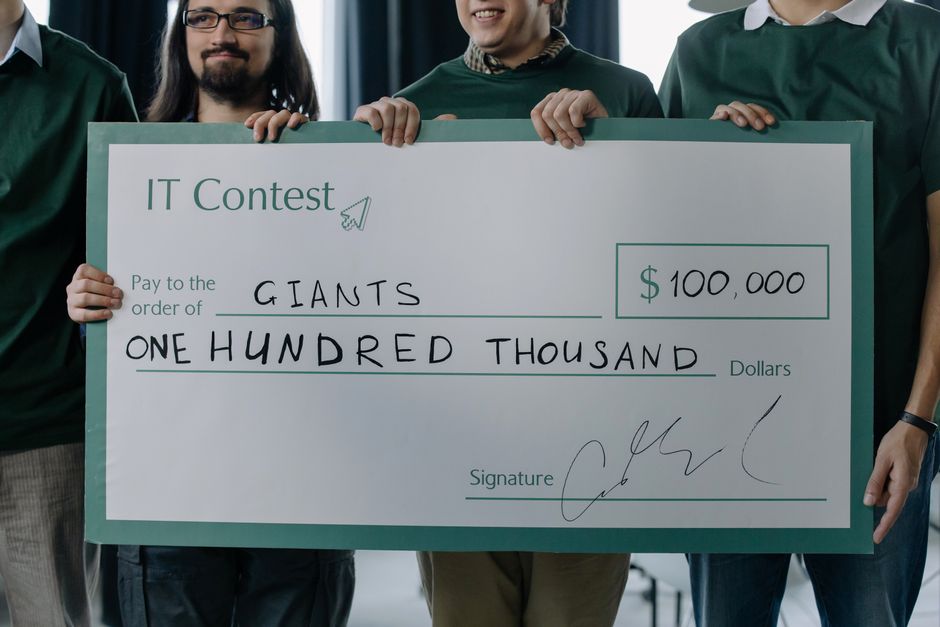
Check Eligibility Before You Apply
Before investing time in an application, check whether the funder requires a physical location, a minimum budget size, or a specific IRS status — some grants require full 501(c)(3) status, while others accept fiscal sponsorship arrangements for newer organizations.
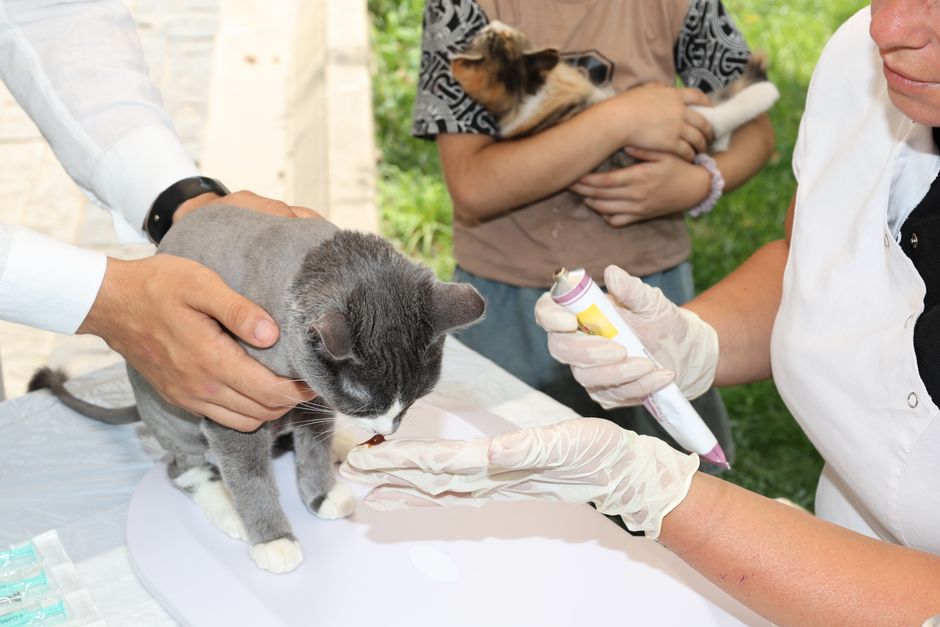
What Makes an Application Stand Out
Concrete statistics matter more than general appeals. Including data on preventable disease rates in your community, and specifically how your vaccination program addresses those issues, gives a funder something measurable to evaluate — far more compelling than a broad statement about wanting to help animals.

Building a Grant Strategy Over Time
- Start with funders whose eligibility clearly matches your organization’s size and IRS status
- Track application deadlines carefully — some, like Grey Muzzle, only open at specific times of year
- Reuse strong data and outcome statistics across multiple applications rather than starting from scratch each time
- Combine grant funding with other income sources — see our guide to in-kind vs. cash donations for the fuller funding picture
Preparing Your Organization Before You Apply
Before submitting any grant application, make sure your basic organizational documentation is genuinely in order — current 501(c)(3) determination letter, recent financial statements, and a clear program description ready to reference. Grant reviewers move through many applications quickly, and an organization that can supply requested documentation promptly and completely tends to leave a stronger impression than one scrambling to assemble paperwork after being asked for it.
Common Reasons Applications Get Rejected
Beyond simple ineligibility, common rejection reasons include vague program descriptions that don’t specify measurable outcomes, budgets that don’t clearly show how grant funds would be used, and applications submitted to funders whose stated focus doesn’t actually match the applicant’s program. Reading a funder’s guidelines and past grantee list carefully before applying — rather than applying broadly to any grant that seems roughly related to animals — meaningfully improves your odds with each specific submission.
The Value of Smaller, Local Grants
National funders like Maddie’s Fund and Petco Love get significant competition, but smaller community foundations, local veterinary associations, and regional pet supply businesses often offer grants with far less competition and a genuine preference for supporting organizations in their immediate area. These smaller opportunities are easy to overlook while chasing bigger national names, but they can add up to meaningful, more reliably won funding over time.
Building Relationships With Funders Over Time
Grant funders, especially smaller local ones, often continue supporting organizations they’ve already funded once, provided that first grant was used well and reported on honestly and on time. Treating a first small grant as the start of an ongoing relationship — sending a thank-you, sharing outcome updates even beyond what’s formally required, and reapplying the following cycle — tends to produce more reliable funding over the years than treating each grant as a one-time, transactional application.
What Happens After You Receive a Grant
Most grants come with reporting requirements — a summary of how funds were used and what outcomes resulted, typically due at a specific point after the grant period ends. Keeping detailed records of grant-funded expenses from the very start, rather than trying to reconstruct them later, makes this reporting considerably easier and helps preserve your organization’s credibility for future applications to the same funder or others who might ask for references.
Combining Multiple Smaller Grants
Rather than pursuing a single large grant, many smaller rescues find more success stacking several smaller grants from different funders to cover a specific program’s total cost — one grant covering vaccination supplies, another covering spay/neuter costs, and a third covering transport. This approach spreads risk across multiple funding sources rather than depending entirely on one large grant being approved, and it also diversifies the relationships your organization builds within the broader grant-funding community over time.
Enlisting Board Members in the Grant Process
Board members with professional backgrounds in finance, law, or grant writing can meaningfully strengthen an application beyond what a purely animal-focused founder might produce alone, since funders often evaluate organizational capacity and governance alongside the program itself. If your board includes someone with this kind of professional experience, involving them directly in reviewing or drafting applications — rather than leaving the entire process to whoever happens to have free time — tends to produce noticeably stronger, more competitive submissions.
Setting Up a Simple Grant Tracking System
As you apply to more than a handful of funders, a simple tracking spreadsheet — listing each funder’s name, deadline, amount requested, status, and reporting requirements if awarded — prevents missed deadlines and forgotten follow-ups that can otherwise slip through the cracks in a small, volunteer-run organization. This kind of lightweight organizational system pays for itself quickly once you’re managing more than two or three active applications and award cycles at the same time, and it becomes genuinely essential once your rescue grows large enough to actively pursue several different grants simultaneously each and every single year going forward.
Funders increasingly look at whether an organisation can demonstrate reach and outcomes publicly. Our guide to running a rescue social media account that works covers building that visibility without a budget.
Most funders look closely at governance before they look at programmes. Our guide to what serving on a rescue board involves covers the structures grant reviewers expect to see.
Frequently Asked Questions
What does Bissell Pet Foundation’s Grateful Pet grant help with?
It assists organizations that lack the means to fund medical treatment for individual shelter pets — a good fit for rescues facing an unexpected, costly medical case.
How often does Maddie’s Fund give out grants?
Up to $10,000 monthly, distributed during Maddie’s Community Conversations — a weekly Zoom call for animal welfare professionals.
Where can I search for grants for free?
Grants.gov for federal grants, your state’s nonprofit association, local community foundations, and corporate giving pages like the Petco Foundation and PetSmart Charities.
What should a grant application emphasize?
Concrete statistics — for example, preventable disease rates in your community and specifically how your program (like a vaccination effort) addresses them, rather than general statements about helping animals.
Support Our Grant-Funded Programs
Cats By The Tracks combines grants, donations, and fundraisers to support our rescue work.