
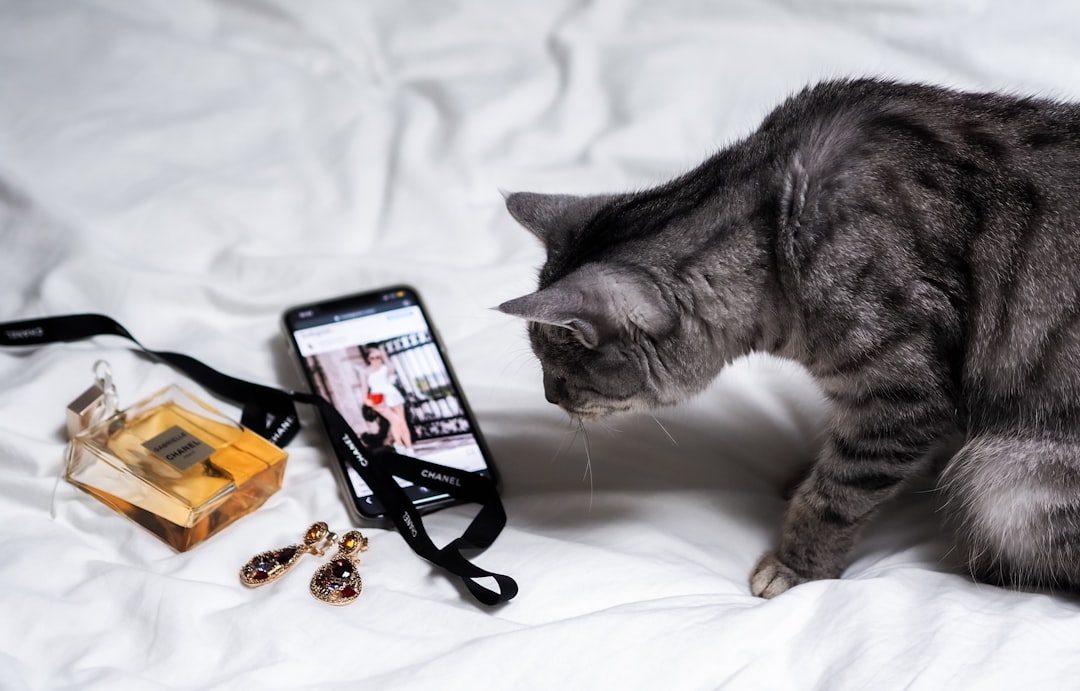
Social media is where most small rescues now find adopters, fosters and donors — and it is usually run by whichever volunteer happened to say yes.
This is a practical guide for that person. It assumes no marketing background and no budget.
Decide what the account is for
Most rescue accounts drift because nobody decided the goal. Pick one primary purpose and let everything else be secondary.
| Goal | What to post most | How to measure |
|---|---|---|
| Adoptions | Individual cat listings, video | Enquiries per cat posted |
| Foster recruitment | Foster stories, the ask, what it involves | Applications received |
| Donations | Specific needs, outcomes, transparency | Amount raised per appeal |
| Awareness | Education, TNR, local issues | Reach and shares |
| Volunteer recruitment | Roles, day-in-the-life content | Enquiries received |

Adoptions and fostering are usually the right primary goal for a small rescue, because they relieve the constraint that actually limits how many cats you can help.
What actually performs
Rescue accounts consistently see the same pattern, and it is not what most people post most often.
- Short video. Ten seconds of a cat playing beats any still image.
- Adoption success stories. The single most shared content type.
- Before and after. Intake condition versus current condition.
- Named individual cats. One cat with a story, not a group photo.
- Specific asks. “We need 40 cans by Friday” beats “please donate”.
- Behind the scenes. Honest, unpolished, builds trust.
What underperforms: generic inspirational quotes, stock photography, long text with no image, and appeals with no specific number attached.
Maddie’s Fund publishes research on adoption marketing that supports the emphasis on individual animals over generic appeals.
Posting rhythm you can actually sustain
The commonest failure is an enthusiastic month followed by silence. Pick a cadence you can hold on a bad week.
Three posts a week, sustained for a year, beats daily posting for six weeks and then nothing. Consistency matters more than volume.

- Batch content — photograph several cats in one session.
- Keep a folder of unused photos and clips for quiet weeks.
- Schedule posts in advance rather than posting live.
- Reuse: a cat still waiting after a month deserves reposting, framed differently.
- Have a second person with account access, so holidays do not mean silence.
Writing the caption
The photo stops the scroll; the caption converts. Both matter, in that order.
Lead with something specific and true about that cat, keep it short, and end with exactly one action — apply, share, donate. Two calls to action produce fewer of both.
Our guide to writing adoption profiles that actually get cats adopted covers the longer-form version, and photographing shelter cats covers the images.
Handling criticism
Every rescue account eventually gets angry comments — about adoption fees, screening, a decision to euthanise, or TNR.
| Comment type | Response |
|---|---|
| Genuine question asked bluntly | Answer factually and publicly |
| Criticism of fees | Explain what the fee covers, once |
| Criticism of screening | Explain the reasoning, once |
| Wildlife or TNR objection | Engage honestly, link to detail |
| Abuse or harassment | Do not engage; hide or block |
| Accusation about a specific animal | Move it to private messages immediately |

The rule that saves most accounts: answer once, publicly, factually — then stop. Extended public arguments damage the organisation regardless of who is right.
Never discuss a specific adopter, surrenderer or medical case publicly. It is a confidentiality breach and it always escalates.
Protecting the account and the people
- At least two people with admin access, always.
- Two-factor authentication on every account.
- Never post exact addresses of foster homes or colony sites.
- Do not identify adopters, surrenderers or complainants.
- Get permission before posting photographs of volunteers or children.
- Keep personal and organisational accounts separate.
Colony locations in particular should never be published. It exposes the cats to people who mean them harm.
Turning followers into something useful
A large following that never converts is a vanity metric. The connection has to be deliberate.
- Put the adoption application link somewhere permanent, not only in posts.
- Post the same cat multiple times — most followers see a fraction of your posts.
- Close the loop: when a cat is adopted, say so on the original post.
- Ask directly and specifically rather than hinting.
- Thank people publicly — it visibly rewards the behaviour you want repeated.
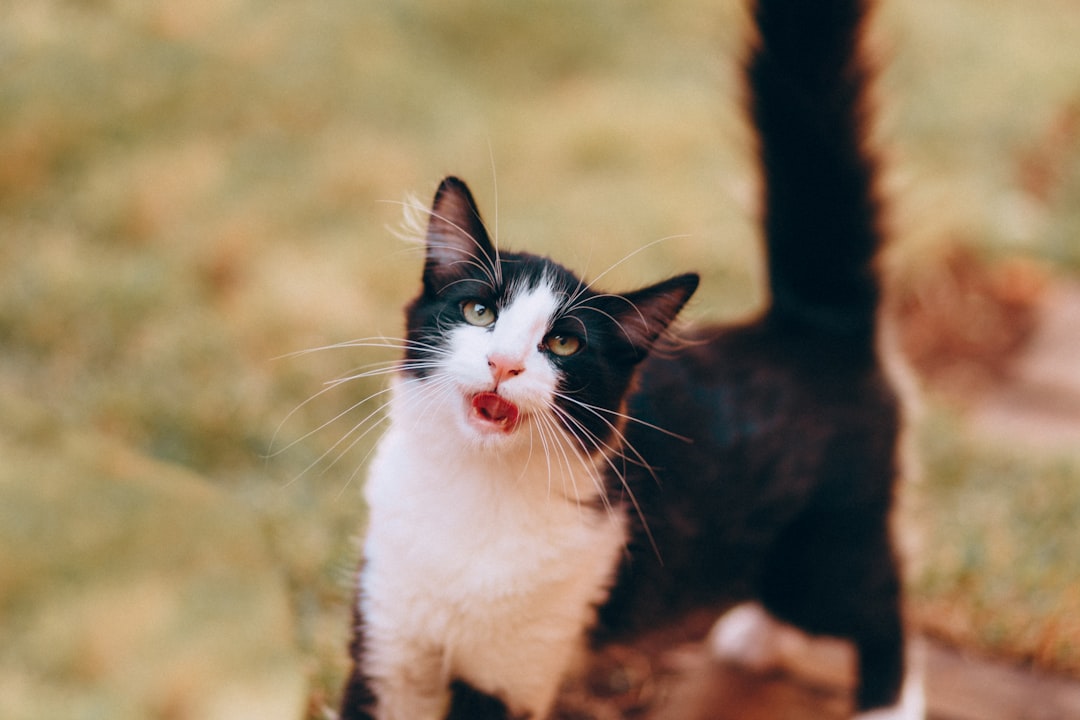
Closing the loop is the most underused tactic. “Remember Willow? Adopted yesterday” is the post that makes people follow, share and eventually apply.
If you are the volunteer who got handed this
Set expectations with the organisation early. Agree what you will post, how often, who approves sensitive content, and who covers when you are away.
Agree in advance who handles a crisis post — a cruelty case, a difficult euthanasia decision, a public complaint. Deciding that in the moment goes badly.
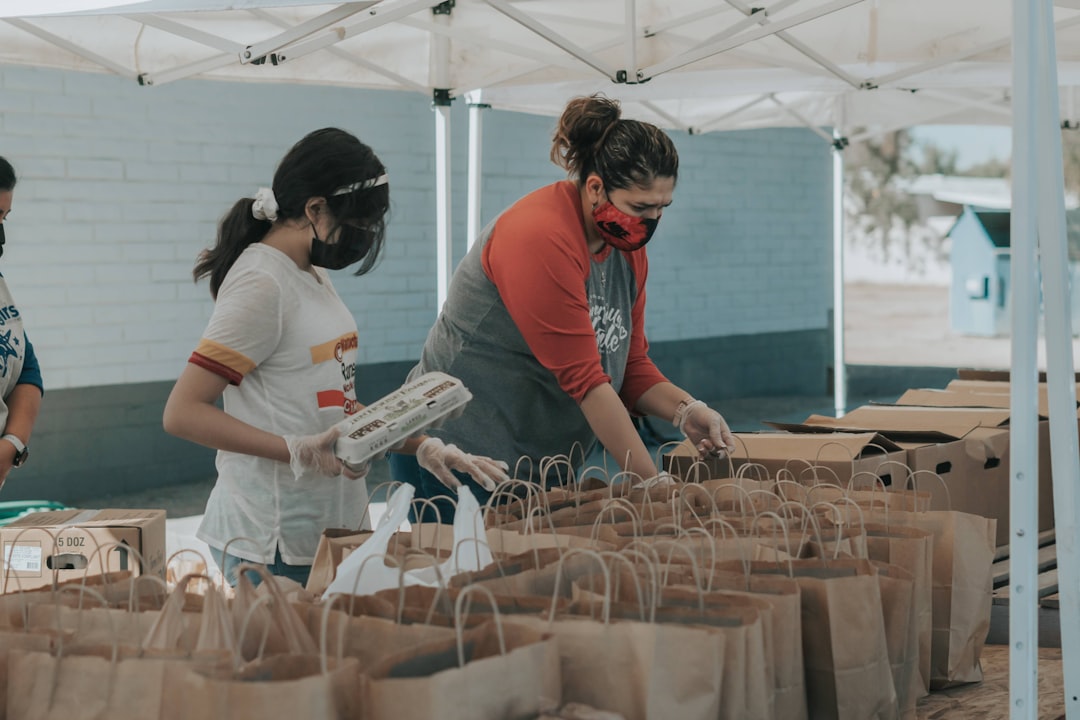
It is a genuinely high-impact volunteer role that needs no animal handling experience. Our list of volunteer opportunities beyond fostering covers others, and our volunteer page covers current needs.
Which platforms are worth the effort
A small rescue cannot maintain five accounts well, and a neglected account looks worse than none at all.
| Platform | Best for | Effort |
|---|---|---|
| Local reach, older adopters, community groups | Moderate | |
| Photos, younger adopters, sharing | Moderate | |
| Short-form video | Reach beyond your existing following | High |
| Nextdoor and local groups | Genuinely local adopters and lost pets | Low |
| Email list | Donors and repeat supporters | Low, high value |
For most Central Valley rescues, one main platform plus local community groups outperforms a scattered presence across everything.
The email list is the consistently underrated one. It is the only channel you own outright, and it reaches people without an algorithm deciding whether they see it.
Measuring what matters
Follower count is the least useful number available. Track outcomes instead: enquiries per cat posted, applications received, and amount raised per appeal.
If a post reaches thousands and produces nothing, it was entertainment rather than recruitment. Our guide to writing adoption profiles that work covers converting attention into applications.
Frequently Asked Questions
What should an animal rescue post on social media?
Short video of individual named cats, adoption success stories, before-and-after intake comparisons, specific numbered asks, and honest behind-the-scenes content. Video and success stories consistently perform best.
How often should a rescue post?
Whatever cadence you can sustain for a year. Three posts a week held consistently beats daily posting for six weeks followed by silence. Batch content and schedule it in advance.
How should a rescue handle angry comments?
Answer once, publicly and factually, then stop. Extended public arguments damage the organisation regardless of who is right. Move anything about a specific animal or person to private messages.
Should rescues post colony locations?
Never. Publishing colony sites or foster home addresses exposes cats to people who mean them harm. Keep locations general and never identify adopters, surrenderers or complainants.
Why is my rescue account not producing adoptions?
Usually because posts feature groups rather than named individuals, lack video, have no single clear call to action, or the application link is buried. Post the same cat repeatedly, too.
Is social media a good volunteer role?
Yes, and it is one of the most useful and least offered. It needs no animal handling experience, can be done remotely, and directly shortens how long cats wait for homes.