
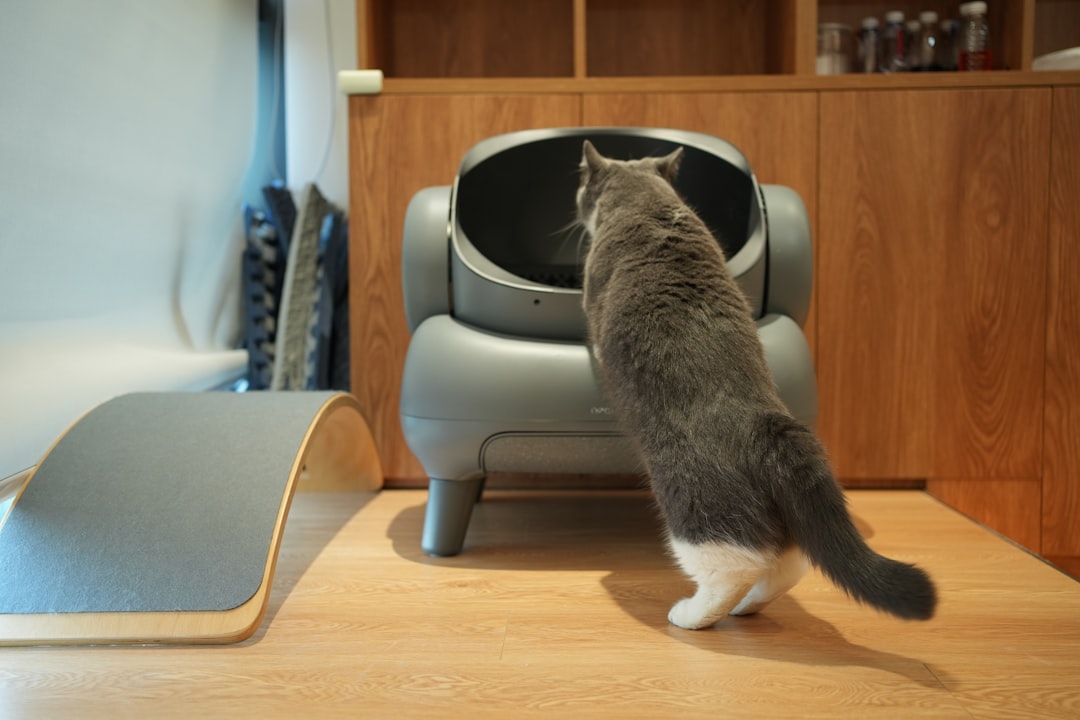
A cat straining in the litter tray is one of those signs that can mean something ordinary or something life-threatening, and the two look almost identical.
That is the most important thing in this article, so it goes first.
Constipation or urinary blockage?
A cat straining and producing nothing may be constipated. It may also have a urinary blockage, which is fatal within roughly 24 to 48 hours and disproportionately affects male cats.
You frequently cannot tell them apart by watching. Both involve repeated trips to the tray, straining, vocalising and restlessness.
| Clue | Suggests constipation | Suggests urinary blockage |
|---|---|---|
| Any urine produced? | Yes, normal urination | No urine at all |
| Any faeces produced? | None, or small hard pellets | May pass faeces normally |
| Sex | Any | Overwhelmingly male |
| Speed of deterioration | Days | Hours |
| Abdomen | Firm, may feel like sausages | Tense, painful bladder |
If you are unsure — and it is entirely reasonable to be — treat it as urinary and go. The cost of being wrong in that direction is a consultation fee. The cost of being wrong the other way is the cat.
Our guide to cat urinary problems and blockage covers the emergency in full.
What constipation looks like
- Straining in the tray, producing nothing or small hard pellets.
- Reduced frequency — most cats pass faeces at least once daily.
- Hard, dry, sometimes very dark stool.
- Vocalising or obvious discomfort while trying.
- Reduced appetite and lethargy as it persists.
- Vomiting in more severe or prolonged cases.
- Passing small amounts of liquid faeces around an impaction, which is easily mistaken for diarrhoea.
That last point catches people out. Liquid seeping past a hard mass is a sign of worse constipation, not of diarrhoea, and treating it as diarrhoea makes things worse.
Common causes
Constipation is usually a symptom rather than a condition, and finding the driver is what prevents recurrence.
| Cause | Mechanism | Notes |
|---|---|---|
| Dehydration | Stool loses moisture in the colon | The commonest driver |
| Kidney disease | Chronic fluid loss | Very common in older cats |
| Arthritis | Painful to posture and strain | Under-recognised |
| Litter box avoidance | Cat holds on too long | Dirty, contested or hard to enter |
| Hairballs | Hair adds bulk | More in long-haired cats |
| Obesity and inactivity | Reduced gut motility | Modifiable |
| Megacolon | Colon loses ability to contract | Often follows chronic constipation |
| Obstruction or mass | Physical blockage | Less common, more serious |
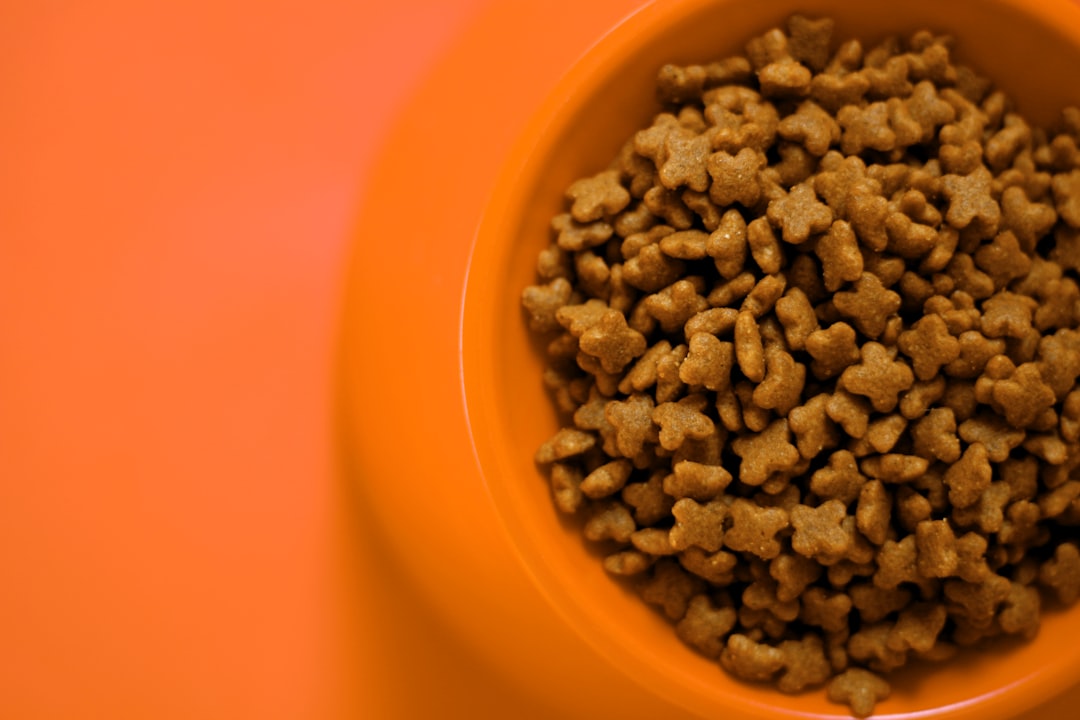
The arthritis link is worth dwelling on. An older cat that finds squatting painful, or cannot climb into a high-sided tray comfortably, holds on — and holding on is how constipation starts.
Our guide to arthritis in cats covers the signs, and a low-entry litter tray is a genuinely effective intervention.
When to see a vet
Do not manage this at home indefinitely. Constipation becomes harder to resolve the longer it continues, and severe cases require sedation to clear.
- No faeces passed for more than 48 hours.
- Straining with no result, especially if you cannot rule out urinary blockage.
- Vomiting, lethargy or refusing food.
- Blood on or around the stool.
- Repeated episodes, even if each resolves.
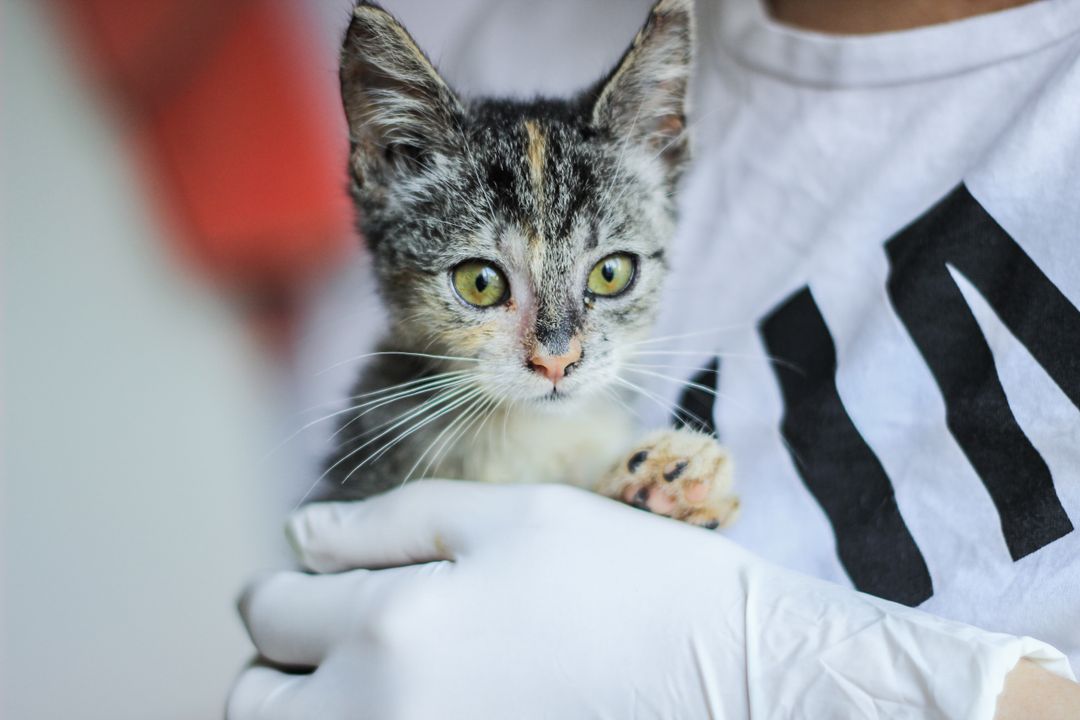
- Any constipation in a kitten.
International Cat Care publishes owner guidance on digestive problems.
Home measures that actually help
These support treatment and prevent recurrence. They do not replace a vet for an established case.
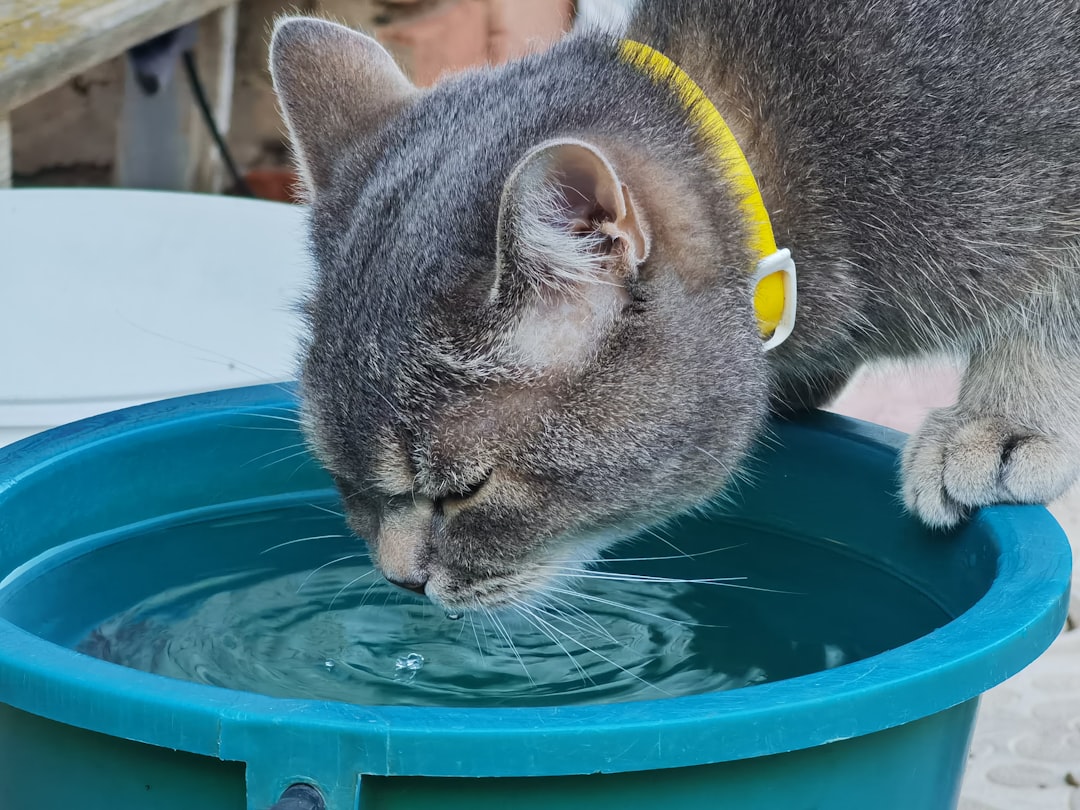
- Increase water intake. Multiple wide bowls, away from food, refreshed daily; a fountain if the cat prefers moving water.
- Switch some or all food to wet. The single most effective dietary change.
- Add water to wet food to increase intake further.
- Improve litter box access. Low entry, uncovered, quiet, scooped daily.
- Manage weight and encourage activity.
- Brush regularly to reduce swallowed hair.
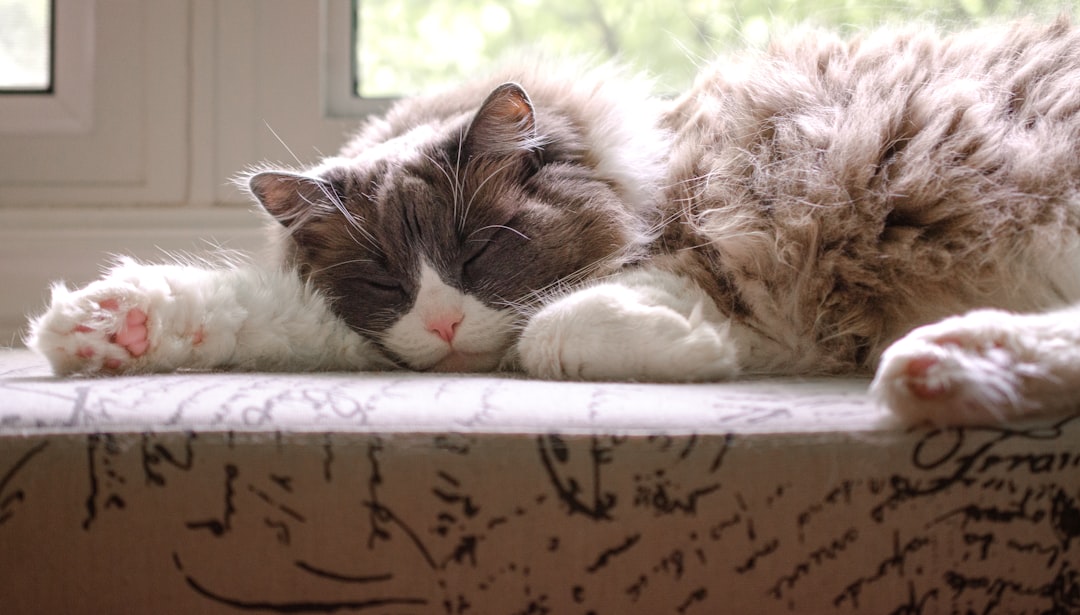
Our comparison of wet versus dry cat food covers the moisture difference, which is the mechanism behind most of these.
What not to give
This is where well-meaning home treatment causes harm.
- No human laxatives. Many are toxic to cats or dangerously strong.
- No mineral oil by mouth. Risk of aspiration into the lungs, which can be fatal.
- No enemas at home. Some human enema preparations are lethal to cats.
- No milk. It causes diarrhoea rather than resolving constipation.
- No repeated hairball remedies without veterinary advice.
Human phosphate enemas in particular cause fatal electrolyte disturbances in cats. This is one of the clearest do-not-improvise situations in feline care.
If your vet prescribes a laxative such as lactulose, follow the dosing exactly rather than adjusting it yourself.
Megacolon and recurrent cases
Repeated constipation can stretch and damage the colon until it loses the ability to contract properly — a condition called megacolon.
It is much harder to manage than ordinary constipation, which is the argument for treating recurrent episodes properly rather than repeatedly resolving them at home.
Management is usually lifelong: a specific diet, ongoing medication and close monitoring. A minority of cases require surgery.
Preventing recurrence
For a cat that has been constipated once, prevention is mostly about moisture, mobility and the litter tray.
Keep water available in several places, feed wet food, keep the tray accessible and clean, treat arthritis if present, and keep weight down.
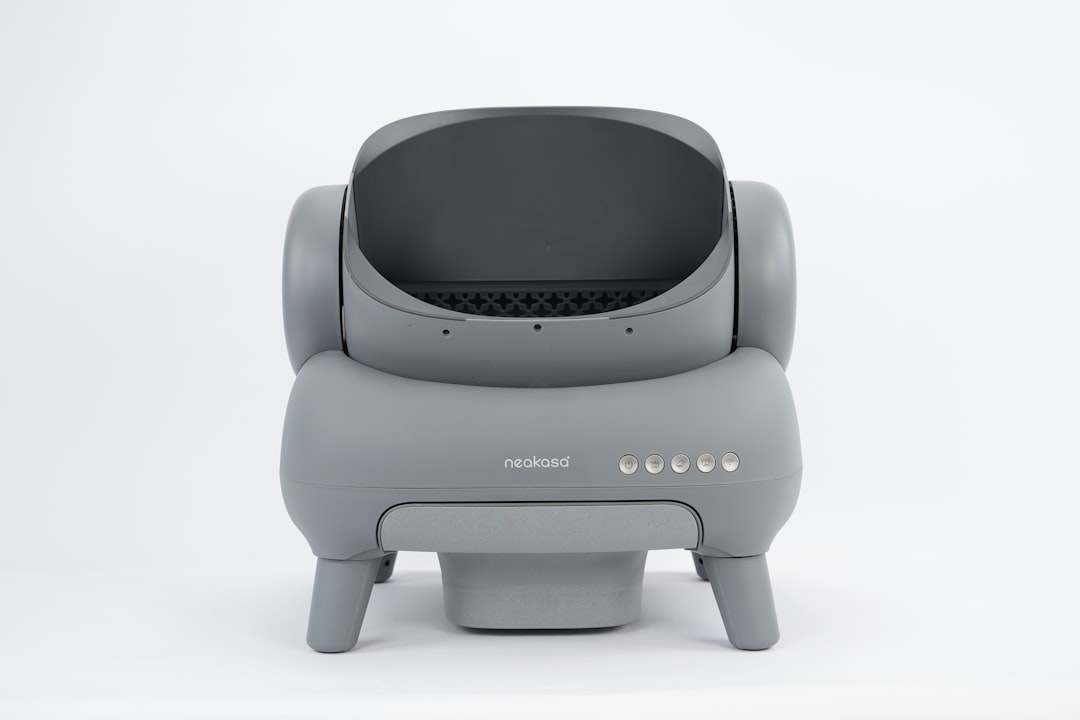
Track it. Note when the cat passes faeces for a couple of weeks after an episode — it is unglamorous and it catches recurrence early.
Our guides to cat litter types and checking body condition cover two of the modifiable factors.
Tracking output
Constipation is easy to miss in a multi-cat household, because nobody knows which cat produced what.
If a cat has had one episode, separate litter trays for a couple of weeks make it obvious who is going and how often. Different litter types in each tray also help identify the source.
Note frequency and consistency rather than relying on impression. Recurrence caught early is far easier to treat than an established impaction.
The opposite problem is just as common and sometimes alternates with this one. Our guide to diarrhoea in cats and what causes it covers when a change in either direction warrants a vet visit.
Frequently Asked Questions
How do I know if my cat is constipated or has a urinary blockage?
Check whether urine is being produced. Constipated cats urinate normally; a blocked cat passes no urine at all. If you cannot tell, treat it as urinary and go — blockage is fatal within 24 to 48 hours.
How often should a cat pass faeces?
Most cats go at least once daily. Nothing passed for more than 48 hours, or repeated straining producing only small hard pellets, warrants a veterinary appointment.
Can I give my cat a human laxative or enema?
No. Many human laxatives are toxic or dangerously strong for cats, mineral oil risks fatal aspiration, and human phosphate enemas cause lethal electrolyte disturbances. This is not a place to improvise.
What causes constipation in cats?
Dehydration is the commonest driver, often alongside kidney disease. Arthritis, litter box avoidance, hairballs, obesity and reduced activity all contribute, and chronic cases can progress to megacolon.
My cat is passing liquid — is that diarrhoea?
Not necessarily. Small amounts of liquid seeping around a hard impaction is a sign of worse constipation, not diarrhoea, and treating it as diarrhoea makes the situation worse.
What is the best home measure for constipation?
Increasing moisture intake — switching some or all food to wet, adding water to it, and providing several wide water bowls. Improving litter tray access matters too, especially for arthritic cats.