
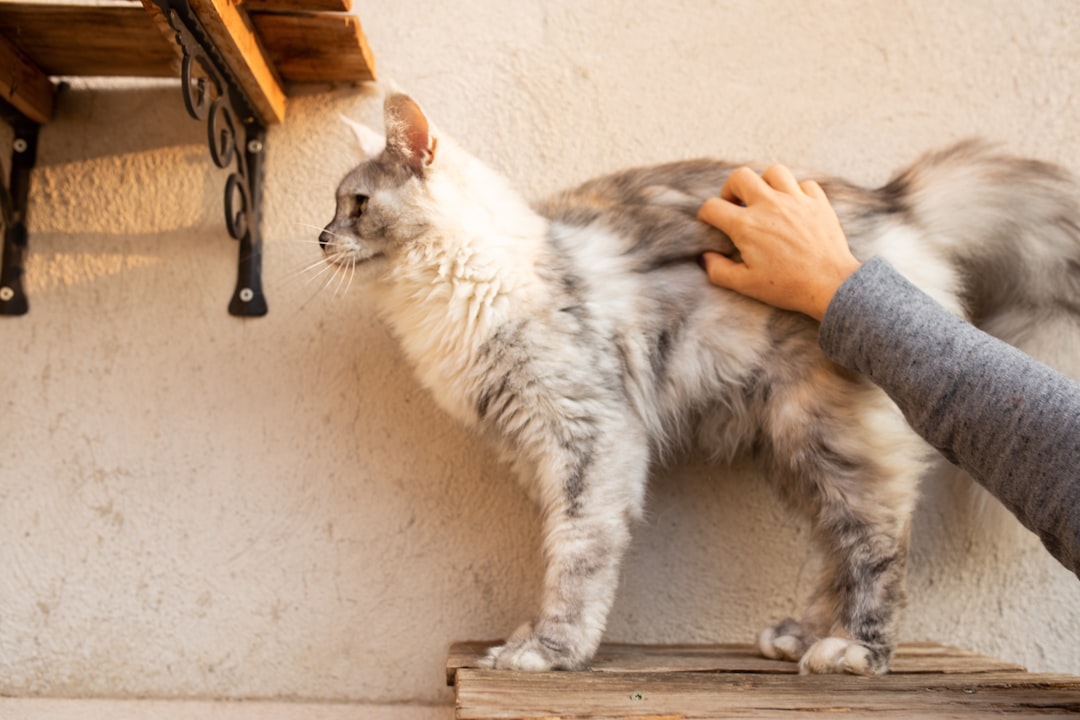
Ringworm is not a worm. It is a fungal infection of the skin, hair and claws, and it is the most common infectious skin disease in cats.
It is also the condition most likely to spread from a rescue cat to the people handling it, which is why fosters and adopters need to recognise it.
This is orientation for a veterinary conversation. Ringworm genuinely cannot be diagnosed by eye, and treating the wrong thing wastes weeks.
What it looks like
The textbook presentation is circular patches of hair loss with scaly skin, most often on the face, ears, paws and along the back.
In practice it varies enormously, which is exactly why guessing fails.
- Circular or irregular bald patches.
- Scaling, crusting or a grey powdery appearance.
- Broken hairs rather than clean loss.
- Occasionally reddened skin, though cats often show little inflammation.
- Sometimes only claw involvement, with brittle or deformed claws.
- Sometimes almost nothing visible — kittens can carry it while looking fine.
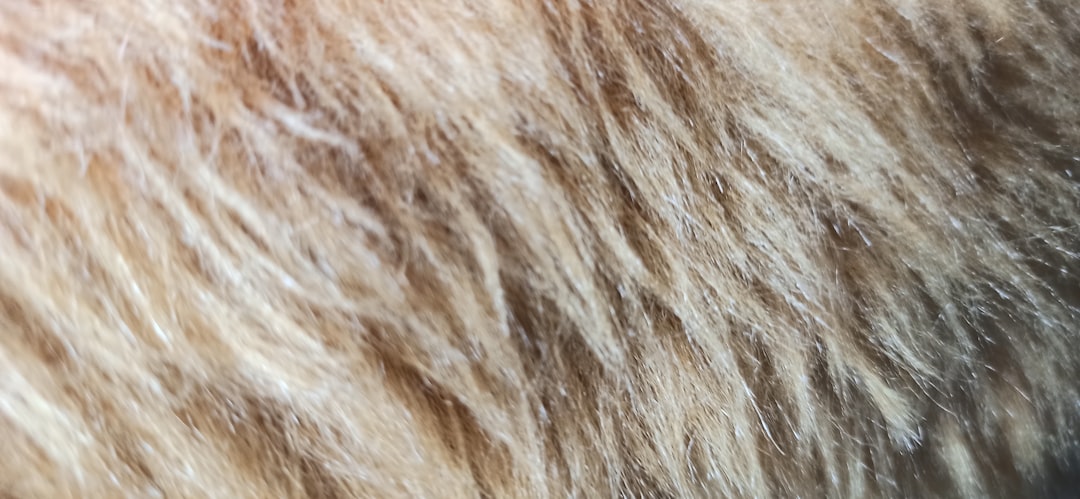
Several other conditions produce identical-looking hair loss: flea allergy, over-grooming from stress, mites and bacterial infection. Treating for the wrong one delays resolution.
Why it needs a vet to diagnose
There are three main diagnostic routes, and they differ in reliability.
| Method | How it works | Reliability |
|---|---|---|
| Wood’s lamp | UV light; some strains fluoresce | Screening only — misses many cases |
| Microscopy of plucked hairs | Direct examination | Useful, operator-dependent |
| Fungal culture | Growing the organism | Reliable, takes days to weeks |
| PCR testing | Detects fungal DNA | Fast and sensitive; detects dead spores too |
The Wood’s lamp is the one people know about and it is the weakest. Only some strains fluoresce, so a negative result proves very little.
The University of Wisconsin Shelter Medicine Program publishes detailed guidance on ringworm diagnosis and management in group settings.
Treatment takes weeks, not days
This is the expectation that most needs setting. Ringworm treatment typically runs for several weeks and sometimes months.
It normally combines an oral antifungal medication with topical treatment, plus environmental decontamination — and skipping any one of the three prolongs it.

- Oral antifungal medication, prescribed and dosed by your vet.
- Topical treatment — usually a medicated rinse or shampoo, twice weekly.
- Environmental cleaning, repeated and thorough.
- Confinement of the affected cat to one easily cleaned room.
- Repeat cultures to confirm clearance rather than stopping when it looks better.
That last point matters. Cats frequently look cured while still shedding spores, and stopping early is the commonest reason a household infection drags on for months.
The environment is half the problem
Fungal spores survive in the environment for a long time — often cited as up to eighteen months — and they are what reinfects a treated cat.
- Confine the cat to one room with hard, washable surfaces if possible.
- Vacuum daily and dispose of the contents immediately.
- Wash bedding at the hottest temperature the fabric allows.
- Wipe hard surfaces with a disinfectant your vet confirms is effective against fungal spores.
- Remove or launder soft furnishings and rugs from the confinement room.
- Change and wash your own clothes after handling.

Ordinary household cleaners do not reliably kill fungal spores. Ask your vet which product to use rather than assuming.
People can catch it — proportionately
Ringworm is zoonotic, and this is worth being straightforward about without alarm.
In people it usually appears as an itchy circular red patch on the arms, hands or face. It is treatable with over-the-counter or prescription antifungal cream and is rarely serious.
Children, elderly people and anyone immunocompromised are more susceptible, so households in those categories should take handling precautions seriously.
Wear gloves, wash hands thoroughly, change clothes after handling, and see a doctor if a patch appears. Do not stop treating the cat because a person is affected — treating both is what ends it.
If you are fostering
Ringworm is the reason rescues quarantine new arrivals, and the reason a single skipped quarantine can shut a foster network down for a month.
| Situation | Action |
|---|---|
| New foster arrival | Quarantine two weeks minimum, separate from resident pets |
| Any hair loss noticed | Gloves on, contact the rescue, do not self-treat |
| Resident cats in the house | Keep entirely separate; assume nothing |
| Children in the household | No contact until cleared |
| Suspected case confirmed | Follow the rescue’s protocol; expect weeks |
| Treatment appears to work | Continue until cultures confirm clearance |
Rescues generally cover treatment costs for foster animals, so report it rather than absorbing it. Our beginner guide to fostering kittens covers quarantine practice.
Kittens and community cats
Kittens are disproportionately affected because their immune systems are undeveloped, and they are also the group most likely to be handled by children.
In colonies, ringworm is common and mostly self-limiting in healthy adult cats, but it spreads readily to any kitten pulled into foster care.
Our guide to disease in community cat colonies covers ringworm alongside the other colony infections, and what to do when you find newborn kittens covers handling precautions for very young cats.
The practical summary: do not diagnose it yourself, expect weeks rather than days, treat the environment as seriously as the cat, and confirm clearance rather than assuming it.

Adopting a cat that has had ringworm
A cat treated and cleared is not infectious, and past ringworm is not a reason to avoid an otherwise suitable cat.
Ask when treatment finished, whether clearance was confirmed by culture or PCR rather than by appearance, and whether any other animals in the foster home were affected.
- Confirmed clearance means the cat is safe to bring home.
- Coat regrows over weeks to months; patchiness is cosmetic.
- Recurrence is possible in immunocompromised cats but uncommon.
- Kittens are more susceptible than adults.
- Keep a new arrival separate for the usual two weeks regardless.
Our guide to the first 30 days with a new cat covers the standard settling-in period, which doubles as sensible quarantine.
Frequently Asked Questions
Is ringworm in cats actually a worm?
No. It is a fungal infection of the skin, hair and claws, named for the circular appearance of the lesions. It is the most common infectious skin disease in cats.
Can I diagnose ringworm by looking at it?
No. Flea allergy, over-grooming, mites and bacterial infection all produce identical-looking hair loss. Diagnosis needs a vet, using microscopy, fungal culture or PCR rather than appearance alone.
Is a Wood’s lamp test reliable for ringworm?
Only as a screening tool. Just some strains fluoresce under UV light, so a negative result proves very little. Culture or PCR testing is needed for a reliable answer.
How long does ringworm treatment take?
Typically several weeks and sometimes months, combining oral antifungal medication, topical treatment and environmental decontamination. Stopping when the cat looks better is why infections drag on.
Can humans catch ringworm from cats?
Yes. It usually appears as an itchy circular red patch and is treatable with antifungal cream. Children, elderly and immunocompromised people are more susceptible, so use gloves and wash hands.
Why does the house need cleaning too?
Fungal spores survive in the environment for a long time and reinfect the treated cat. Ordinary household cleaners do not reliably kill them — ask your vet which disinfectant to use.