
Arthritis is extremely common in older cats — radiographic changes appear in the large majority of cats over about twelve — and it is one of the most under-treated conditions in feline medicine.
The reason is simple. Cats do not limp obviously or cry out. They just do less, and doing less is exactly what people expect from an old cat.
This is orientation for a veterinary conversation, not a treatment guide. But the observation part is something only you can do.
Why it gets missed
Dogs with arthritis limp. Cats redistribute their weight, avoid the activities that hurt, and carry on.
Because cats are small and agile, they compensate well enough that owners see a personality change rather than a mobility problem.
- “He has slowed down” — usually joint pain.
- “She sleeps more now” — often avoidance of movement.
- “He has got grumpy in old age” — frequently pain on handling.
- “She stopped using the cat tree” — cannot jump comfortably.
- “His coat has gone scruffy” — cannot twist to groom.
Every one of those is treatable, and every one is routinely accepted as inevitable ageing.
The signs worth watching for
| Change | What it suggests | Commonly misread as |
|---|---|---|
| Hesitating before jumping | Anticipating pain | Being careful with age |
| Jumping up in stages | Reduced power and confidence | Nothing at all |
| Sleeping in lower places | Cannot reach old spots | Changed preference |
| Unkempt coat, especially the back | Cannot twist to groom | Laziness |
| Overgrown claws | Not scratching enough to shed sheaths | Nothing |
| Litter box accidents | Struggling to climb in | Behavioural problem |
| Irritable when stroked over hips | Pain on touch | Grumpiness |
| Less play, less interaction | Movement hurts | Old age |
The litter box one matters most practically, because it gets treated as a behaviour problem and sometimes as a reason to rehome a cat that is simply in pain.
Our guide to litter box problems covers ruling out medical causes first.
Where cats get arthritis
Unlike dogs, the commonest sites are the elbows, hips, spine and stifles — and spinal changes in particular produce vague signs rather than obvious lameness.
That is another reason it is missed: there is often nothing to see in how the cat walks.
The American Association of Feline Practitioners publishes life-stage guidance covering senior mobility assessment.
What you can change at home today
Environmental adaptation costs almost nothing and frequently produces a visible improvement within days.
- Low-entry litter box. Cut down one side of a storage box if commercial ones are too tall.
- Steps or a ramp to a favourite window, sofa or bed.
- Move resources downstairs so nothing essential requires climbing.
- Raise food and water bowls slightly, so the cat is not crouching low to eat.
- Warm, soft, easily accessible beds — warmth genuinely eases stiff joints.
- Non-slip surfaces on hard floors, since slipping is painful and frightening.
The litter box change alone resolves a lot of apparent house-soiling. Many commercial boxes have entry sides too high for an arthritic cat to manage comfortably.
Treatment options
This part belongs with your vet, but knowing what exists helps you ask.
| Approach | Notes |
|---|---|
| Prescription pain relief | Cat-specific formulations; never use human painkillers |
| Newer injectable treatments | Monthly options now exist specifically for feline joint pain |
| Weight management | Reduces load; often the single biggest win |
| Joint supplements | Modest evidence; discuss with your vet |
| Physiotherapy and gentle activity | Maintains muscle and range of movement |
| Environmental adaptation | Free, immediate, and frequently overlooked |

One warning worth repeating: never give a cat human painkillers. Paracetamol and ibuprofen are toxic to cats and paracetamol is often fatal.
Weight reduction is the most powerful non-drug intervention available. Our guide to checking body condition covers assessing it, and doing it slowly matters.
Keeping an arthritic cat active
Rest does not help arthritis. Gentle, regular movement maintains muscle and joint range, and muscle loss makes pain worse.
Short, low-impact play sessions on the floor are better than encouraging jumping. Keep sessions brief and stop before the cat tires.
Our guide to playing with your cat properly covers adapting sessions for older cats.
Grooming help
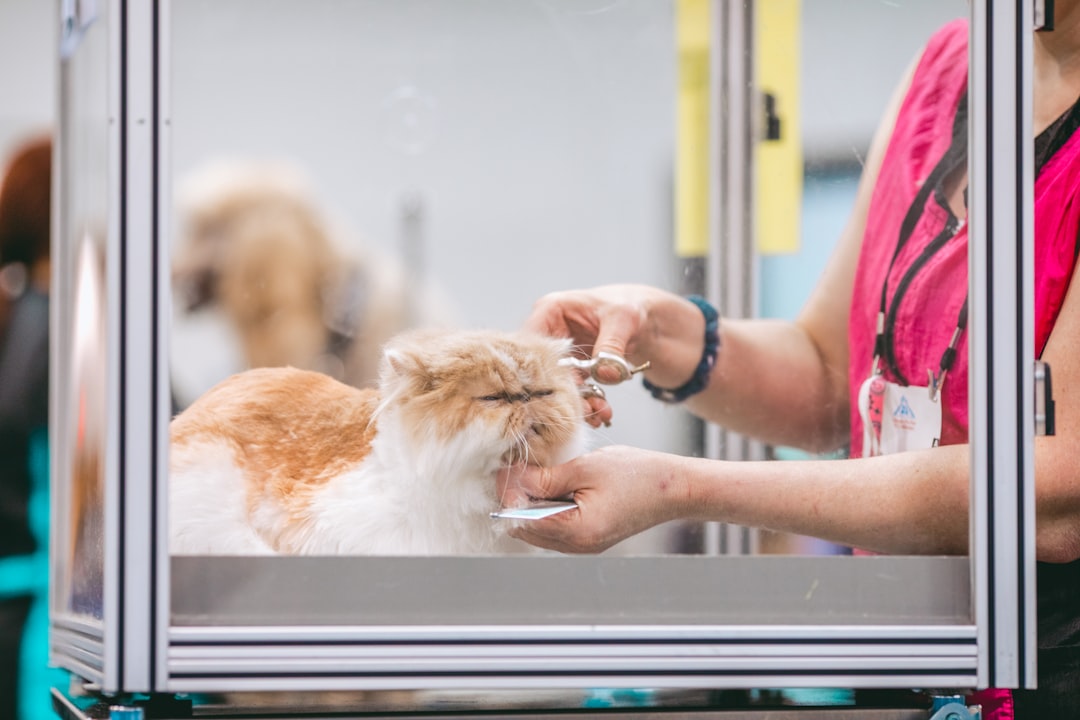
A cat that cannot groom develops mats, and mats pull painfully on skin that is already sore.
Daily gentle brushing takes over the job the cat can no longer do, and it doubles as a check for lumps, sore spots and weight loss.
Claws also need attention, because a cat that scratches less does not shed the outer claw sheaths and can grow claws into the pads.
Our cat shedding and grooming guide and guide to trimming cat nails both apply here.
Talk to your vet specifically
“He is just getting old” is the phrase that stops arthritis being diagnosed. Describe behaviour changes instead.
Say what the cat used to do and no longer does, and when it changed. That is far more useful to a vet than a general impression, and it is information only you have.
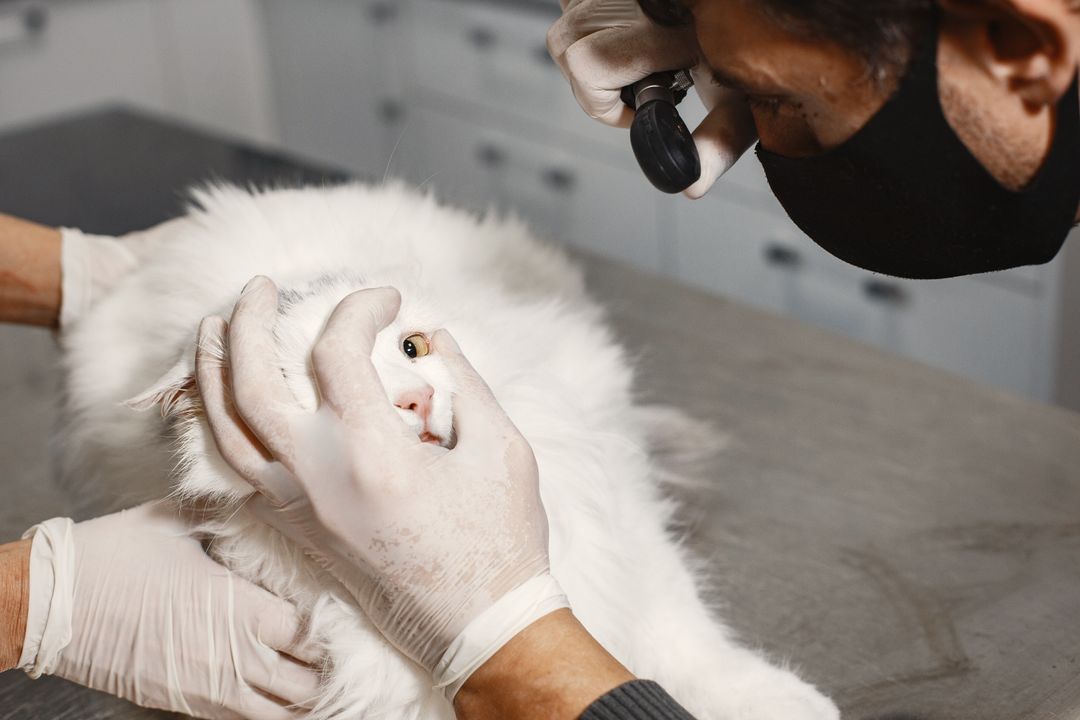
A short video of the cat moving around at home is genuinely valuable, since cats behave abnormally in a consulting room.
Our guide to how often a cat should see the vet covers senior check-ups, and adopting a senior cat covers the wider case for older cats.
What to expect from treatment
Owners frequently describe the change after effective pain relief as getting their cat back, which tells you how much had been lost gradually.
Typical improvements appear within days to weeks: more movement, more interaction, better grooming, and a return to spots the cat had abandoned.
- Jumping to previously abandoned surfaces again.
- Improved coat as grooming becomes comfortable.
- More play and interaction.
- Fewer litter box accidents.
- Less irritability on handling.
Treatment is usually long-term rather than a course, with periodic bloodwork to monitor. That is normal for a chronic condition and not a sign anything has gone wrong.
Our guide to how often a cat should see the vet covers the monitoring involved.
For cats where pain can no longer be controlled, the conversation eventually changes. Our guide to end-of-life decisions for cats covers assessing quality of life honestly, using the domains vets actually use.
Frequently Asked Questions
How common is arthritis in cats?
Very common — radiographic changes appear in the large majority of cats over about twelve. It is also one of the most under-treated conditions, because cats compensate rather than limping obviously.
How do I know if my cat has arthritis?
Watch for behaviour changes: hesitating before jumping, jumping in stages, sleeping in lower places, an unkempt coat, litter box accidents, and irritability when stroked over the hips.
Is my cat just slowing down with age?
Often it is pain rather than age. “He has slowed down”, “she sleeps more” and “he has got grumpy” are the three phrases that most commonly describe untreated joint pain in cats.
Can I give my cat human painkillers for joint pain?
Never. Paracetamol and ibuprofen are toxic to cats and paracetamol is frequently fatal. Cat-specific prescription pain relief and newer injectable options exist — ask your vet.
What can I change at home for an arthritic cat?
A low-entry litter box, steps or ramps to favourite spots, moving resources downstairs, warm accessible beds, and non-slip surfaces. These cost almost nothing and often help within days.
Should an arthritic cat rest more?
No. Rest causes muscle loss, which worsens pain. Gentle regular low-impact activity maintains muscle and joint range — short floor-level play sessions rather than encouraging jumping.