
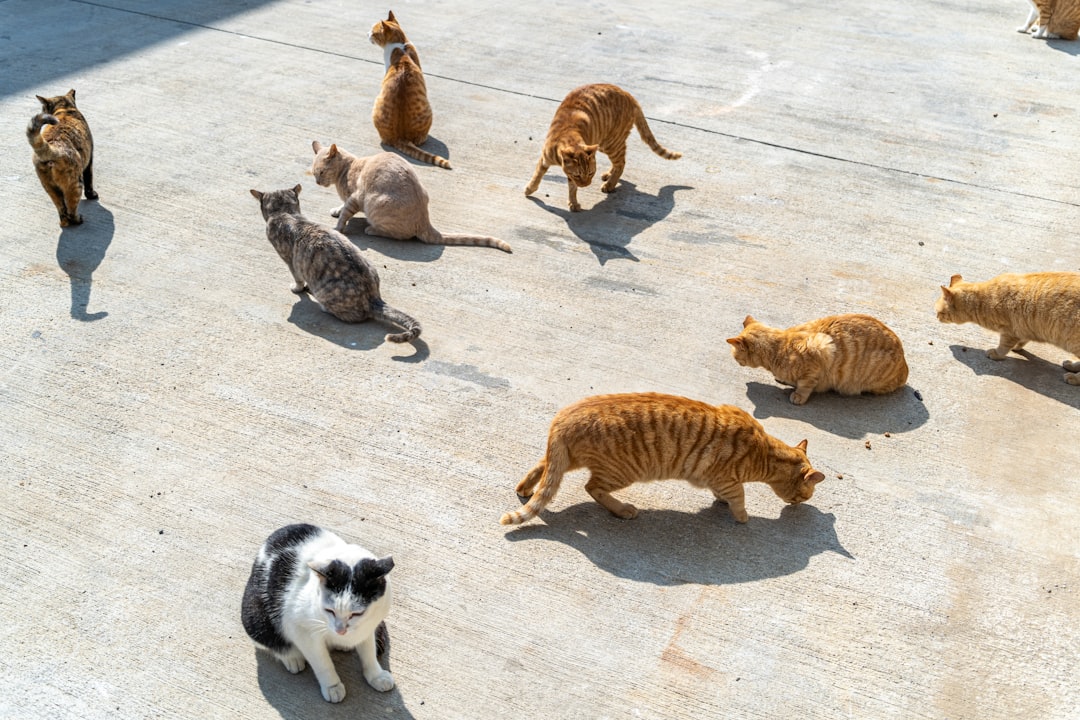
The argument against trap-neuter-return usually sounds sensible: if you do not want cats in an area, remove the cats. It is intuitive, and it does not work.
The reason is arithmetic rather than ideology. Understanding the numbers explains both why removal keeps failing and why TNR has to be done thoroughly to succeed at all.
How fast an unmanaged colony grows
A female cat can have two or three litters a year, and her daughters begin breeding at around five or six months old.
The often-quoted figures about thousands of descendants assume every kitten survives and breeds, which is not remotely true outdoors. Real-world kitten mortality in unmanaged colonies is high.
But even with realistic survival rates, the growth is compounding rather than linear. A handful of unsterilised cats behind a restaurant becomes a colony of thirty within a few seasons.

| Starting point | Unmanaged after 2 years | With TNR after 2 years |
|---|---|---|
| 2 breeding females | Colony of 15–30 | Still 2 cats, both fixed |
| 6 cats, half unfixed | Colony of 30–50 | 6 cats, ageing, no litters |
| Colony of 20, unmanaged | 50+, high kitten mortality | 20 declining slowly by attrition |
| Colony removed entirely | Repopulated by neighbours | — |
Those ranges are illustrative rather than precise, but the shape is the point: unmanaged colonies compound, managed ones flatten and then decline.
The vacuum effect
This is the part that defeats removal programmes, and it is well documented.
Cats congregate where there is food, water and shelter. Remove the cats and the resources remain, so cats from surrounding areas move in — and they are unsterilised.

Worse, an emptied territory with abundant resources supports higher breeding success than a crowded one. Removal can produce a larger population than before within a couple of seasons.
Sterilised cats holding a territory are, paradoxically, the most effective barrier to new unsterilised cats arriving.
Alley Cat Allies maintains the reference literature on the effect if you want the underlying studies.
The number that actually matters
TNR is often judged on whether a colony disappeared. That is the wrong measure, and it sets the bar somewhere TNR was never going to reach quickly.
The measure that matters is the proportion of the colony sterilised. Below roughly 70 to 80 per cent, the remaining breeders replace losses and the population holds steady or grows.
| Share of colony fixed | Realistic outcome |
|---|---|
| Under 50% | Population continues growing |
| 50–70% | Growth slows, but continues |
| 70–80% | Population stabilises |
| Over 80% | Gradual decline through attrition |
| 100% plus new arrivals trapped | Steady, predictable decline |
This is why half-finished TNR projects get a bad reputation. Fixing six cats out of twenty feels like progress and changes almost nothing.
Why decline is slow, and that is fine
A fully sterilised colony does not vanish. It ages out. Community cats that are fed and vetted frequently live years, and the colony shrinks by attrition rather than collapse.
That slowness is a feature. A stable, fixed, vaccinated colony holding territory is a better neighbour than a churning unsterilised one, and it stops producing kittens immediately.

The behavioural change arrives far faster than the population change. Fighting, spraying and yowling drop within weeks of sterilisation, which is what most complainants actually cared about.
What changes immediately
- Yowling and mating calls stop, usually within weeks.
- Spraying and territorial marking reduce sharply.
- Fighting and the abscesses that follow decline.
- Roaming shrinks, so cats stay closer to their feeding site.
- No new litters, from the first season onward.
These are the outcomes that resolve neighbour disputes, and they arrive long before the colony gets smaller.
Where TNR genuinely struggles
It is worth being honest about the limits, because overselling TNR is how it loses credibility.
| Problem | Why it undermines results |
|---|---|
| Partial sterilisation | Below ~70% the maths does not work |
| Ongoing abandonment | New unfixed cats keep arriving |
| No caretaker | New arrivals go untrapped for months |
| Unlimited food left out | Supports more cats than the site otherwise would |
| No records | Nobody knows who is fixed, work gets repeated |
| Very large colonies | Require sustained effort over years |
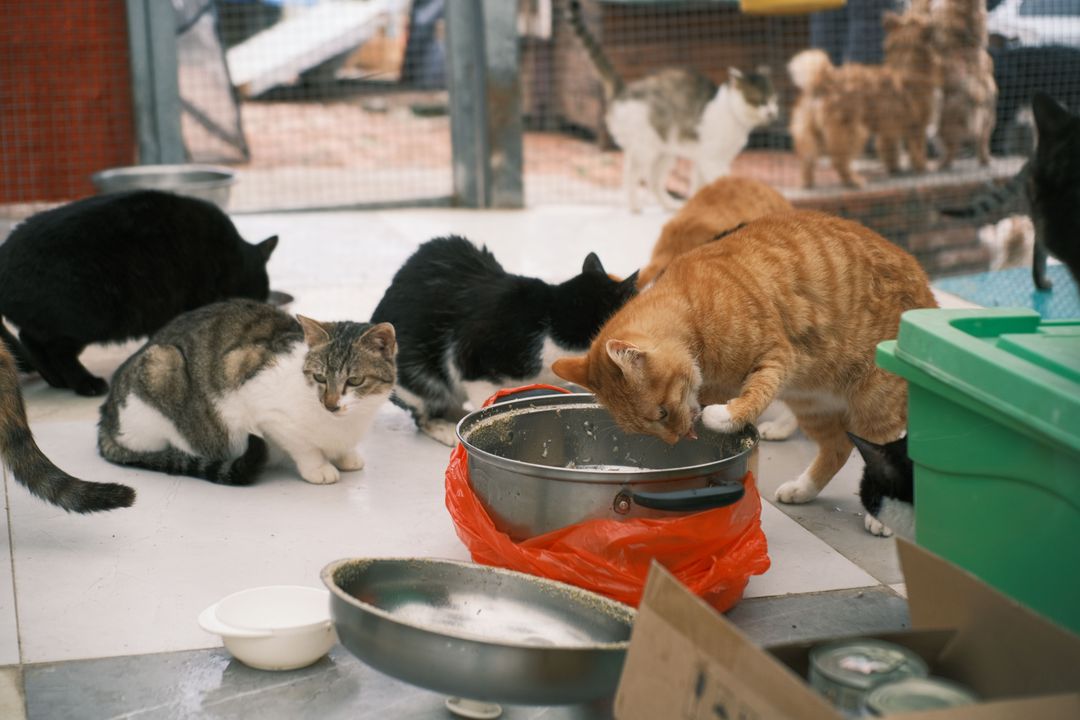
Nearly all of these are execution problems rather than method problems. Our guide to colony record keeping covers the tracking that prevents most of them.
Doing it properly
- Count the colony and photograph individuals before starting.
- Book clinic appointments before trapping, never after.
- Target breeding females first if you cannot do everyone at once.
- Aim for at least 80 per cent sterilised, not a token few.
- Ear-tip every cat so nobody repeats the work.
- Trap new arrivals promptly rather than waiting for a batch.
Our guide to getting started with TNR in Fresno covers the practical sequence, and what a full TNR project costs helps you budget the whole colony rather than a few cats.
Kittens change the calculation
Kittens young enough to socialise can be adopted rather than returned, which removes them from the population permanently.
The window is narrow — roughly up to eight weeks for straightforward socialisation. Beyond that, returning them to a managed colony is usually the better outcome.

Our guide to socialising a feral kitten covers the timing, and what to do when you find newborn kittens covers the earlier decision about whether to intervene at all.
The bottom line
Removal fails because it treats the cats as the variable when the resources are the constant. TNR works because it leaves a sterilised population occupying the territory.
It is slower than people want and it demands thoroughness that half-hearted efforts never reach. Done properly, it is the only approach with evidence of reducing numbers over time.
If you are ready to start, our comparison of low-cost spay and neuter options across Fresno lists clinics that take community cats at well below pet rates.
Frequently Asked Questions
Why does removing cats not reduce their numbers?
Because the food, water and shelter that attracted them remain. Cats from surrounding areas move into the emptied territory, and they are unsterilised, so the population rebuilds and often exceeds the original.
What percentage of a colony needs to be fixed for TNR to work?
Roughly 70 to 80 per cent as a minimum. Below that, remaining breeders replace losses and the population holds steady or grows. Above 80 per cent, colonies decline through attrition.
How long does it take for a TNR colony to shrink?
Years rather than months. Sterilised community cats that are fed and vaccinated often live a long time, so decline happens by attrition. Behavioural improvements arrive within weeks, however.
What changes soonest after a colony is sterilised?
Yowling, spraying, fighting and roaming all drop sharply within weeks. These are usually what neighbours actually object to, so complaints often resolve long before numbers fall.
Why do some TNR projects fail?
Almost always execution rather than method — partial sterilisation below the 70 per cent threshold, no caretaker to trap new arrivals, ongoing abandonment, or no records of which cats are already done.
Should kittens found in a colony be returned or adopted?
Kittens young enough to socialise, roughly under eight weeks, are usually better adopted. Older kittens that cannot be socialised are generally better returned to a managed colony.