

Before you borrow a trap and book a clinic slot, it is worth answering one question: has this cat already been done?
Trapping a cat that is already sterilised wastes a clinic appointment someone else needed, and puts the cat through anaesthesia for nothing. It is a common and avoidable mistake.
Here is how to check, in rough order of reliability.
The signals, ranked
| Signal | Reliability | How to check |
|---|---|---|
| Ear tip | Very high | Look at the left ear from a distance |
| Microchip | High | Vet or shelter scan |
| Spay tattoo | High | Only visible under anaesthesia |
| Colony records | High | Ask the local caretaker or TNR group |
| Body shape and behaviour | Low | Suggestive only, never conclusive |
| Absence of kittens | Very low | Proves nothing on its own |
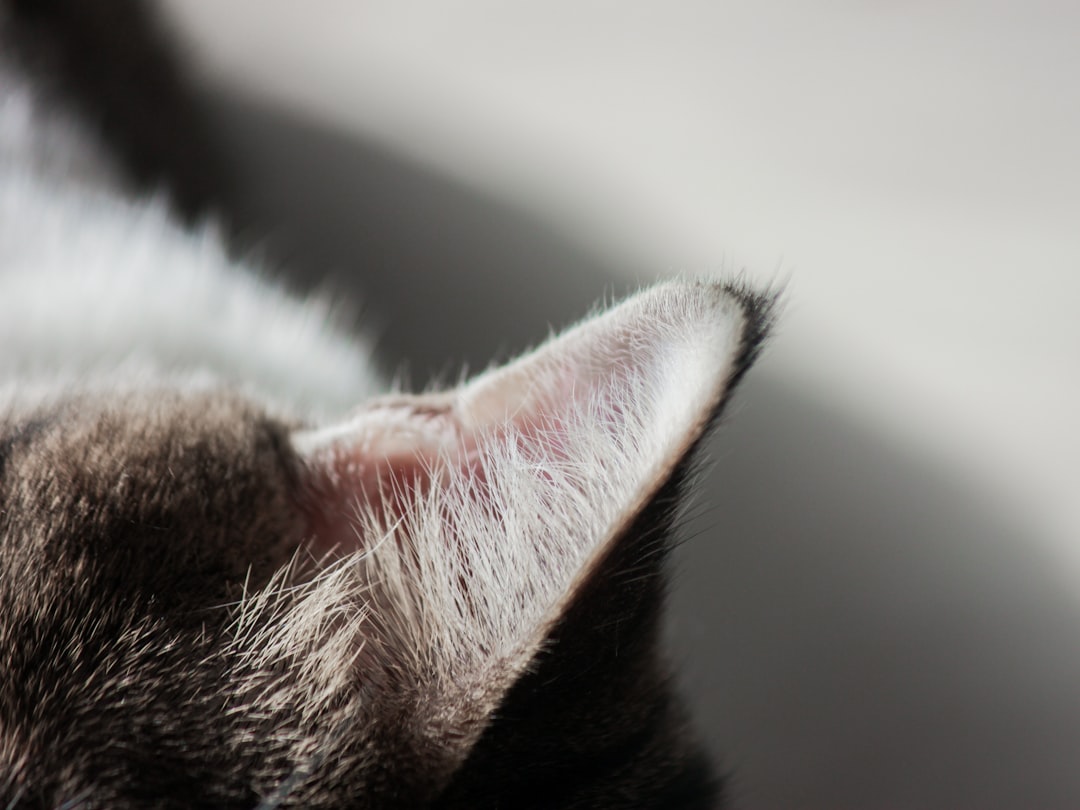
The ear tip is the primary signal
An ear tip is the deliberate removal of the tip of the left ear during sterilisation surgery. It leaves a clean, flat edge rather than the natural point.
It is universal, permanent, and designed specifically to be readable from a distance so a trapper can make this decision without handling the cat.
Do not confuse it with fight damage. Torn, notched or scarred ears are jagged and irregular; a surgical tip is a straight, clean line across the top.

A right-ear tip is used in some regions rather than the left, so check both. Our explainer on what ear tipping means and why TNR programmes use it covers the practice in full.
When you cannot get close enough
Community cats rarely allow close inspection. Photograph rather than approach.
- Use your phone camera at maximum zoom, or a trail camera at the feeding station.
- Photograph while the cat is eating, when it is stationary and distracted.
- Get the head from the front and from both sides — a tip is easy to miss in profile.
- Compare against a known-tipped cat if you have one in the colony.
- If in doubt after several attempts, treat the cat as unfixed.
Microchips and tattoos
A microchip does not indicate sterilisation, but it does indicate ownership — and an owned cat should not be trapped for TNR at all.
Many clinics also place a small green tattoo near the spay incision. It is reliable but only visible with the cat anaesthetised and the belly shaved, so it confirms after the fact rather than before.

If a cat is friendly enough to handle, a free scan at a vet or shelter is worth doing before anything else.
Physical signs that hint but do not prove
Experienced trappers read body shape, but these are probabilities, not proof.
| Observation | Suggests | Caveat |
|---|---|---|
| Heavy jowls, thick neck, scarring | Intact male | Jowls persist after late neutering |
| Visible testicles | Intact male | Reliable when clearly visible |
| Repeated pregnancies | Intact female | Only if you have observed it |
| Shaved belly patch | Recently spayed | Fur regrows within weeks |
| Spraying and yowling | Intact | Some fixed cats still spray |
| Slim build, no jowls | Possibly fixed | Weakest signal of all |

Never rely on these alone. The only safe conclusions come from an ear tip, a scan or a written record.
Ask the neighbours first
Colonies frequently already have a caretaker, and that person usually knows exactly which cats are done.
A quick conversation, a neighbourhood group post or a call to a local TNR organisation often answers the question in minutes and saves a wasted night of trapping.
Neighborhood Cats publishes guidance on coordinating with existing colony caretakers.
What if you trap one that turns out to be fixed?
It happens, and it is not a disaster. Release the cat where you caught it, note its markings, and move on.
If the cat is fixed but not ear-tipped, ask the clinic to tip it if it is going under for any other reason. Otherwise it will be trapped again next season.

Keep records so nobody repeats the work
The reason this question keeps arising is that colony information rarely gets written down. A simple log solves it permanently.
Record each cat’s description, a photograph, the date fixed, the clinic and whether it was tipped. Share it with anyone else feeding the colony.
Our guide to colony record keeping covers what to track, and once you are confident which cats still need doing, getting started with TNR in Fresno walks through booking and trapping.

Before you assume a cat is feral at all
The other question worth settling before trapping is whether the cat is unowned. Plenty of ear-tip checks end with the discovery that the cat has a home two streets away.
| Observation | Suggests owned or socialised | Suggests truly feral |
|---|---|---|
| Approaches people directly | Yes | No |
| Makes eye contact and vocalises at you | Yes | Rarely |
| Clean, glossy coat and good weight | Often | Possible but less common |
| Wears or has worn a collar | Yes | No |
| Active in daylight around houses | Often | Prefers dawn, dusk and night |
| Allows handling | Yes | No |
A friendly cat should be scanned for a microchip and posted locally before anything else. Our guide to what to do when you find a stray cat covers those steps, and the difference between feral, stray and community cats explains why the distinction changes what you should do next.
Getting this wrong matters in both directions. Trapping someone’s pet for TNR is distressing for the owner, while treating a lost, socialised cat as feral means it misses its chance at going home or being adopted.
Frequently Asked Questions
Which ear is tipped on a fixed community cat?
Usually the left ear, though some regions use the right. Check both. The tip is a clean, straight, flat edge rather than the jagged irregular damage caused by fighting.
Does an ear tip hurt the cat?
No. The tip is removed while the cat is already anaesthetised for sterilisation surgery, and it heals quickly and cleanly. It causes no ongoing discomfort or functional problem.
Can I tell if a female cat is spayed by looking?
Not reliably. A shaved belly patch suggests recent surgery but fur regrows within weeks, and a spay tattoo is only visible under anaesthesia. The ear tip is the practical field signal.
Does a microchip mean a cat is already fixed?
No. A microchip indicates ownership, not sterilisation. However, a microchipped cat is likely someone’s pet and should not be trapped for TNR without first contacting the registered owner.
What should I do if I trap an already-fixed cat?
Release it at the exact spot you trapped it, and record its markings so it is not caught again. If it is fixed but not ear-tipped, ask a clinic to tip it at the next opportunity.
Are jowls a reliable sign of an unneutered male?
Only suggestive. Heavy jowls indicate testosterone exposure, but they persist for life in males neutered late. Treat body shape as a hint and confirm with an ear tip or scan.