

Moving is disorienting for a cat in a way that’s easy to underestimate — the smells, sounds, and layout it relied on are all gone at once. A staged, patient approach makes the adjustment noticeably smoother for both of you.
Start in One Safe Room
Set your cat up in a single room with key resources — food, water, a litter box, a bed, and some toys — using familiar objects and furniture where possible. Once the room feels secure, let your cat out of the carrier there to explore that contained space first, rather than the whole house at once, which can feel overwhelming right from the start.


Expand Gradually
Over the following days, make more areas of the house available a little at a time, rather than opening every door on day one. This gradual approach lets a cat build confidence in each new space before being confronted with the whole unfamiliar layout at once, which tends to produce a much calmer, steadier adjustment overall.
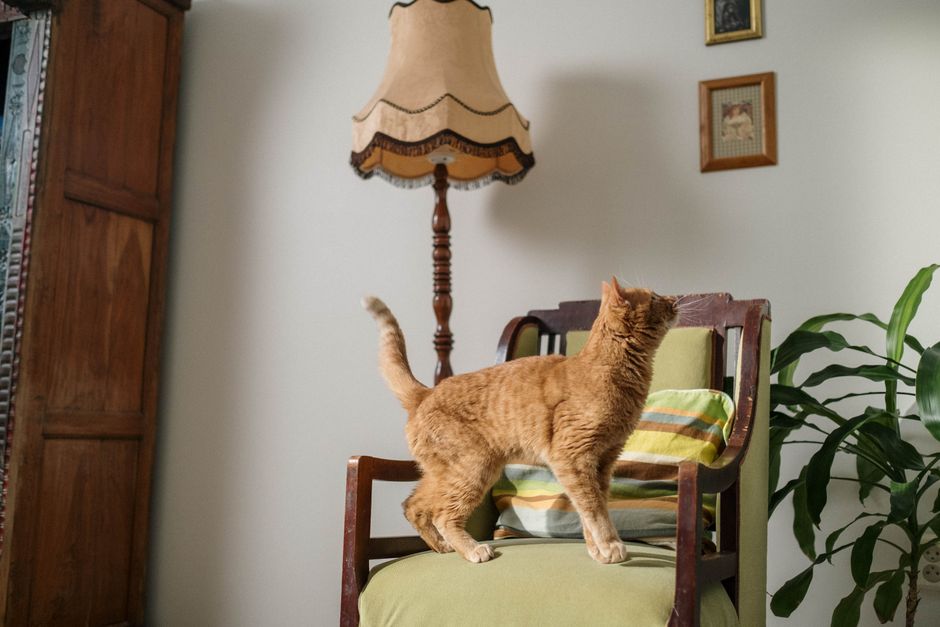
Keep Routine as Consistent as Possible
Cats genuinely like predictability, so keeping regular events consistent — the same feeding times, the same outdoor access schedule if applicable — helps anchor a cat during a period when almost everything else has changed. Keeping the same food for at least a few weeks after the move also avoids adding digestive stress on top of everything else the cat is already processing.
Hiding Is Normal, Not a Problem
Hiding is a completely normal, healthy coping mechanism — it helps a cat feel secure while it processes an unfamiliar environment. Resist the urge to pull a hiding cat out to force socialization; let it emerge on its own timeline instead, which is almost always faster and less stressful than any attempt to rush the process.
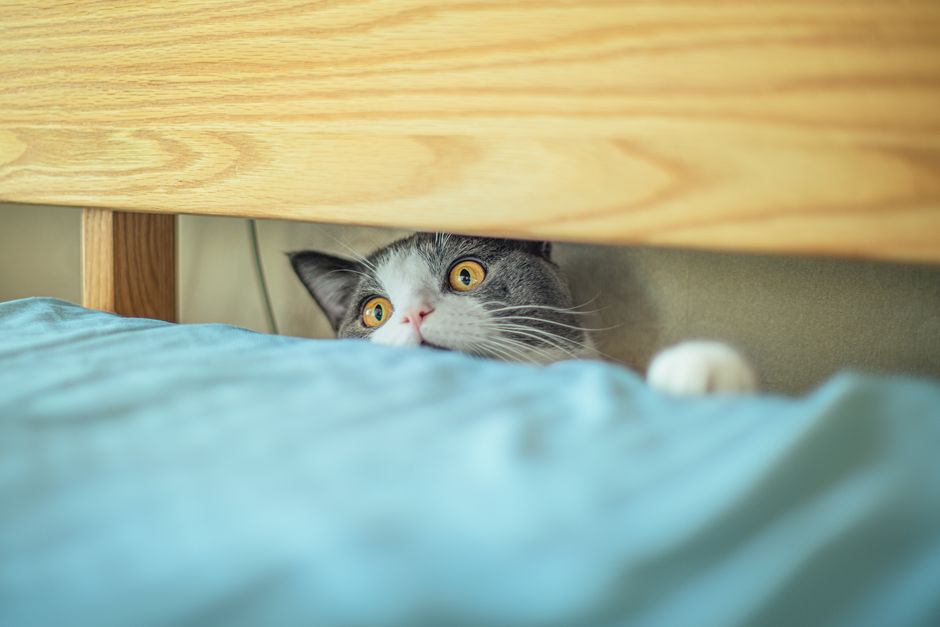
This connects directly to our guide on helping a shy shelter cat come out of its shell, since the same patience-first principles apply here regardless of whether the cat is newly adopted or simply moving to a new address.
Spend Time Nearby
Spending time with your cat so your presence, scent, and voice become familiar again helps rebuild the sense of security a move disrupts. Synthetic feline facial pheromones, available as plug-in diffusers or sprays, help some cats settle faster, though results vary quite a bit from cat to cat and shouldn’t be relied on as the only strategy.
Realistic Timelines
| Cat Temperament | Typical Adjustment Time |
|---|---|
| Confident, well-socialized | May begin exploring within days |
| Average | 2 to 4 weeks for significant adjustment |
| Shy or previously traumatized | 6 to 8 weeks to fully settle |
Preparing Before Moving Day Itself
The adjustment process actually starts before the move itself. In the days leading up to it, try to keep your cat’s routine as stable as possible even as boxes accumulate around the house — sudden clutter and unfamiliar activity can already begin unsettling a cat well before the actual relocation happens. On moving day, confining your cat to a single closed-off room, or boarding it for the day if that’s an option, keeps it safe from open doors and unfamiliar movers, and avoids the risk of a stressed cat bolting outside during the chaos of loading a truck.
Transporting your cat in a secure carrier, with a familiar blanket or towel inside carrying your home’s scent, gives it something recognizable to hold onto during a trip that’s otherwise entirely unfamiliar, which can meaningfully ease the very first hours in a new place.
Signs the Adjustment Is Progressing Well
Rather than watching for a single moment when your cat is “done” adjusting, look for a gradual pattern of small, positive signs: venturing further from the safe room each day, showing interest in exploring rather than immediately retreating, eating and using the litter box normally, and eventually seeking out attention rather than avoiding it. These incremental signs matter more than any single dramatic breakthrough, and most cats show this kind of steady, gradual progress rather than a sudden switch from anxious to settled.
If instead you notice regression — a cat that seemed to be adjusting well suddenly hiding again, or showing new signs of stress like over-grooming or appetite loss — it’s worth slowing the pace of introducing new spaces and giving extra time before pushing further, rather than assuming the adjustment has permanently stalled.
If You Have Multiple Cats
A move can also temporarily disrupt the relationship between cats that got along fine in the old home, since the unfamiliar environment adds stress that sometimes surfaces as new tension between housemates. Keeping multiple cats together in the same safe room initially is usually fine if they were already comfortable together, but watch for new signs of tension — hissing, avoidance, or resource guarding — that weren’t present before the move, and be ready to separate them temporarily if needed.
Frequently Asked Questions
How long does it typically take a cat to adjust after moving?
Most cats need 2 to 4 weeks to show significant signs of adjustment. Confident, well-socialized cats may start exploring within days, while shy or previously traumatized cats might need 6 to 8 weeks to fully settle.
Is hiding after a move a bad sign?
No — hiding is a completely normal and healthy coping mechanism that helps a cat feel secure while it processes a new environment. It’s not something that needs to be corrected or worried about immediately, even if it goes on for several days.
Should I let my cat explore the whole house right away?
No — start with one safe room containing food, water, litter, a bed, and toys, then gradually open up more of the house over the following days as the cat shows readiness to explore further.
Do pheromone diffusers actually help?
Some cats respond well to synthetic feline facial pheromones, available as plug-in diffusers or sprays, though their effectiveness is mixed and results vary quite a bit by individual cat.
What if my cat was fine at the old house but struggles after moving?
This is common and doesn’t reflect anything wrong with your cat’s temperament — even confident cats can have a harder adjustment than expected, since the specific combination of unfamiliar smells, sounds, and layout is genuinely disorienting regardless of a cat’s usual personality.
Questions About Your Move?
Cats By The Tracks is happy to help with adjustment questions for cats adopted through us.