
Rancho Cucamonga has both its own municipal animal center and access to broader San Bernardino County resources, including a notable fee-assistance program that’s worth knowing about before you budget for adoption. Here’s what to know across all your realistic options.
Rancho Cucamonga Animal Care and Adoption Center
The Rancho Cucamonga Animal Care and Adoption Center opened May 1, 2006, and operates as a municipal shelter offering adoption services for cats and other animals. As a city-run facility, it’s the most directly local option for Rancho Cucamonga residents, and staff can typically speak in detail about a cat’s specific intake history.
San Bernardino County Fees and Assistance
San Bernardino County shelter cat adoption fees are $55, plus a mandatory refundable $42 deposit if the cat hasn’t been spayed or neutered at the time of adoption. Notably, the County Board of Supervisors allocated $30,000 specifically to help cover pet adoption fees through June 30, 2027 (or while funds last) — a real financial-barrier-removal program that’s helped an estimated 1,700 pets find homes.
Cats In Need of Human Care
This volunteer organization in Rancho Cucamonga sets adoption fees individually per cat, with each cat’s page listing its specific fee based on age and type — a more personalized pricing approach than a flat shelter fee, and one that reflects the specific medical or behavioral needs a given cat might have.
Cats of San Bernardino
Cats of San Bernardino is a 501(c)(3) nonprofit with a $160 adoption fee — higher than the county shelter, reflecting the organization’s own program and care costs, and often a more thorough, hands-on adoption counseling process given the smaller scale of operation.
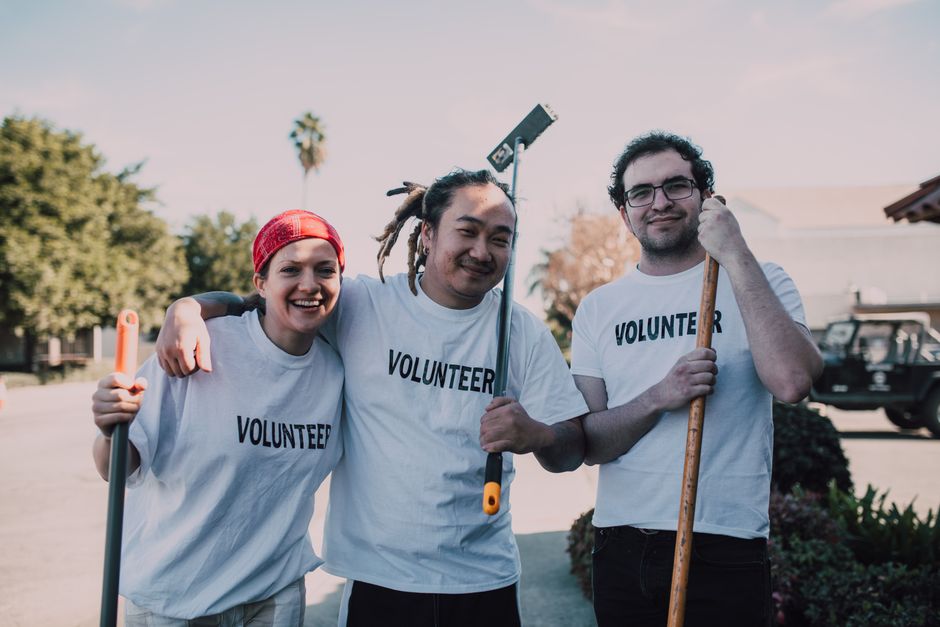
Volunteers Keep These Programs Running
Both the county fee-assistance program and the smaller nonprofits here depend heavily on volunteer time — socializing cats, cleaning kennels, and staffing adoption events. If you’re not ready to adopt but want to help the local cat population regardless, asking about volunteer opportunities at any of these Inland Empire organizations is a genuinely useful contribution.
Before You Adopt
See our guide to cat-proofing your home before adoption before bringing a cat home.
Understanding the True Cost of Cat Ownership
The $55 county fee, or the higher nonprofit fees at Cats of San Bernardino, cover only the entry point. Beyond that, plan for a litter box, litter, food and water bowls, a scratching post, and a first round of supplies ready before pickup day. If the cat you’re adopting hasn’t been spayed or neutered yet, remember the $42 deposit is refundable — keep your receipt and follow up with proof of the procedure to get that money back rather than letting it slip through the cracks.
Ongoing veterinary costs, including annual wellness visits and dental care as your cat ages, add up over the years, and pet insurance is worth researching within the first few weeks of adoption, before any condition has a chance to become a pre-existing exclusion on a policy.
Why Fee-Assistance Programs Matter
San Bernardino County’s $30,000 allocation toward adoption fee assistance reflects a broader, well-documented pattern: cost is one of the biggest barriers keeping otherwise willing adopters from bringing a cat home, and lowering or removing that barrier measurably increases adoption rates. Programs like this one are designed to help around 1,700 pets find homes specifically by removing the financial friction at the point of adoption, rather than addressing overpopulation only through spay/neuter access.
If you’re adopting during the program’s active window (through June 30, 2027, or while funds last), it’s worth asking directly at the shelter whether your specific adoption qualifies — the assistance isn’t always applied automatically, and a quick question at the counter can make a real difference in your total cost.
Weighing a Kitten vs. an Adult Cat
Across the city center, the county satellite program, and the two local nonprofits mentioned here, it’s worth genuinely considering an adult cat rather than defaulting to a kitten. Adult cats generally arrive with an already-formed personality, making it easier to predict how they’ll fit your household, while kittens require significantly more supervision and kitten-proofing throughout their especially active first year.
Multi-Cat Households and Introductions
If you already have a cat at home, plan for a gradual introduction over several days rather than a same-day meeting. Keep the new cat in its own room at first, swapping bedding between the two cats so each becomes familiar with the other’s scent before any direct interaction — rushing this step is one of the most common reasons an otherwise good match gets off to a rocky start.
Settling In After You Get Home
Set up a single quiet room with food, water, a litter box, and a hiding spot before giving your new cat access to the rest of the house, rather than introducing it to every room and family member at once. A calmer, more gradual first week tends to produce a noticeably more confident, settled cat over the following month.
One Last Thing to Keep in Mind
Fee-assistance funding is limited and allocated on a rolling basis through June 30, 2027, so ask about it as early as possible in your adoption process rather than assuming it will still be available closer to that date.
Shelters in neighbouring cities draw from overlapping areas, and their intake rarely looks the same on any given week. Our guides to cat adoption in Victorville, cat adoption in Riverside and cat adoption in Palm Springs cover the shelters, fees and application steps for each.
Frequently Asked Questions
What does San Bernardino County charge for cats?
$55, plus a mandatory refundable $42 deposit if the cat hasn’t been spayed or neutered at the time of adoption. The deposit is returned once you provide proof of sterilization.
Is there financial help available for adoption fees?
Yes — the San Bernardino County Board of Supervisors allocated $30,000 to help cover pet adoption fees through June 30, 2027 (or while funds last), aiming to help around 1,700 pets find homes across the county.
When did the Rancho Cucamonga Animal Care and Adoption Center open?
May 1, 2006. It’s a municipal shelter offering adoption services for cats and other animals, serving the city directly rather than the whole county.
What does Cats of San Bernardino charge, for comparison?
A $160 adoption fee, as a 501(c)(3) nonprofit — higher than the county shelter, reflecting its own program costs and typically a more hands-on adoption process.
Should I visit multiple locations before adopting?
It’s worth it if you have the time — Rancho Cucamonga’s own center, the county’s satellite programs, and the two nonprofits mentioned here each have different inventories at any given moment.
Not in Rancho Cucamonga? We Can Still Help
Cats By The Tracks is a foster-based rescue serving Fresno and the Central Valley.