

The short answer is simple: never trim a cat’s whiskers. But understanding exactly why makes the rule easier to actually follow, especially since the reasoning isn’t about pain the way you might assume at first.
Whiskers Are a Real Sensory Organ
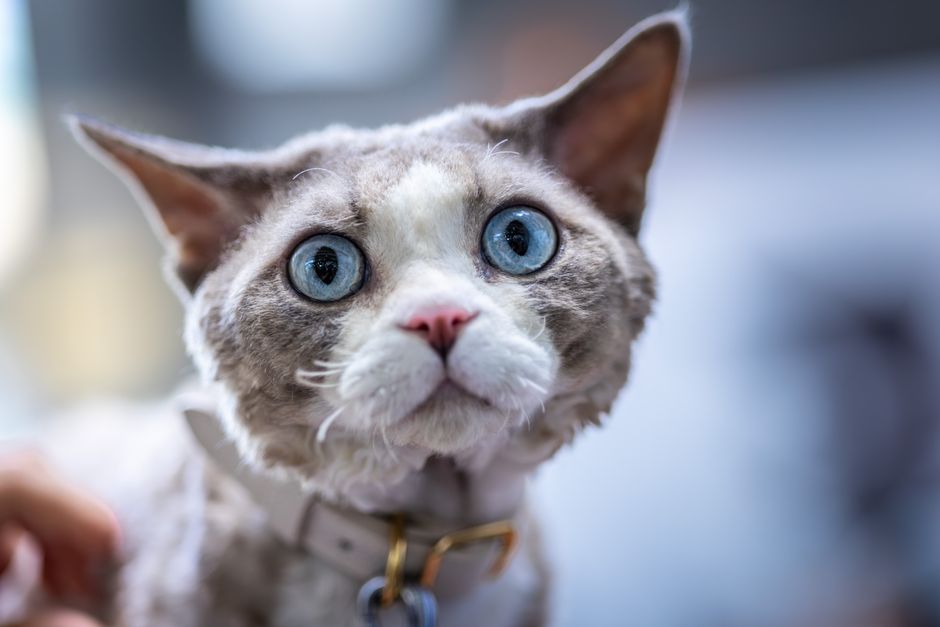
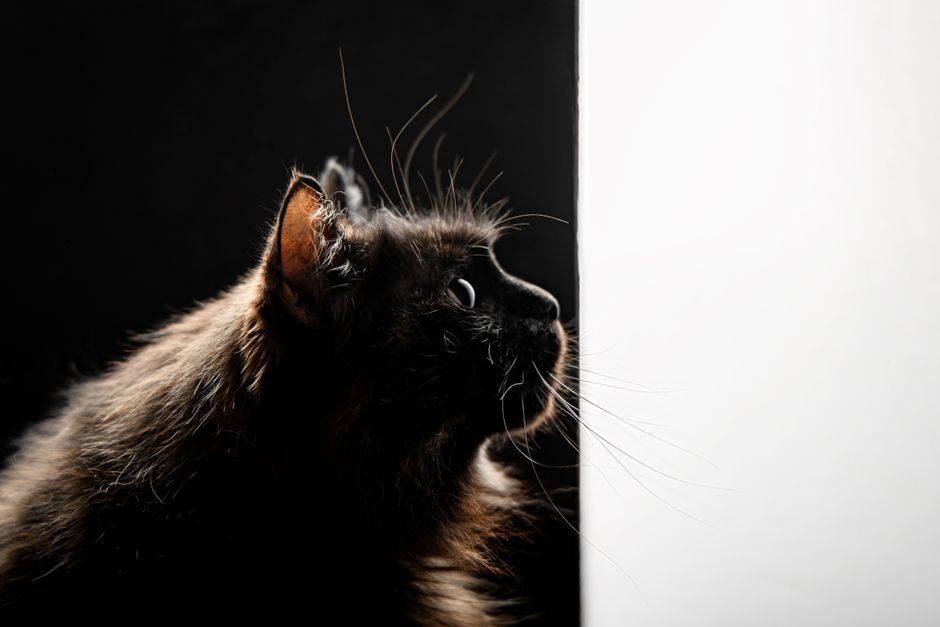
Whiskers are highly sensitive, functional tools deeply embedded in a cat’s skin, and each one has its own rich nerve endings sending crucial information to the brain. Cats use them to spread out and gauge whether they can fit through an enclosed space — trim them, and a cat may genuinely misjudge the size of a gap and get stuck, sometimes in a way that causes real injury during the attempt.
The Pain Question: More Nuanced Than It Seems
Here’s an important distinction: cats don’t have pain receptors (nociceptors) in the whisker shaft itself, so trimming doesn’t cause direct pain the way cutting skin would. Plucking is different — it does cause pain, since it affects the follicle underneath. But the absence of pain from trimming doesn’t mean it’s harmless; it just means the harm shows up as functional loss rather than acute discomfort.

Why It Still Matters
Trimming whiskers damages a genuinely functional sensory organ, even without pain being part of the equation. More importantly, it can confuse or distress a cat, making it noticeably less confident exploring, jumping, or navigating its environment — the cat has effectively lost a key sensory input it relies on constantly, and it shows in behavior that’s easy to mistake for an unrelated personality change if you don’t connect it back to the whiskers.
The Good News: They Grow Back
If whiskers are accidentally trimmed or fall out on their own, they do grow back — regrowth typically takes around six weeks to three months, depending on the cat’s age, health, and individual genetics. In the meantime, expect a temporarily less confident cat, and give it extra space and patience rather than pushing it into unfamiliar or tight environments.

The Simple Rule
Leave whiskers alone entirely — no trimming, no plucking, and no assuming a slightly “messy” look is worth cleaning up. If you’re grooming a cat and considering trimming stray-looking whiskers for appearance, resist the urge; the sensory function isn’t worth trading for a cosmetic tidy-up, and there’s genuinely no upside to the trade.
How Whiskers Develop and Change Over a Cat’s Life
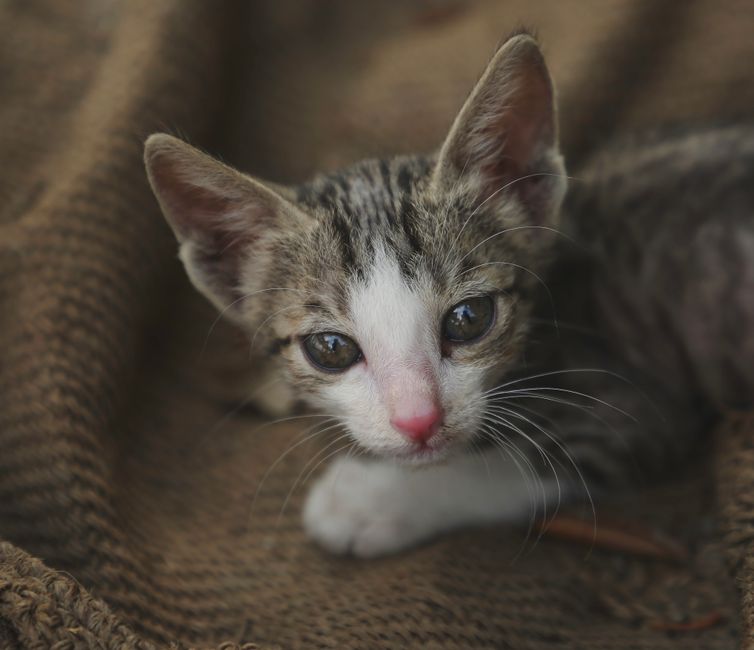
Kittens are born with functional whiskers already present, though the sensory precision they provide continues to sharpen as a kitten grows and learns to navigate its environment. A young kitten misjudging a gap or bumping into furniture is partly still developing this spatial sense, not necessarily clumsiness in the way we’d describe an uncoordinated human toddler. This makes the case for never trimming whiskers even stronger in kittens specifically, since they’re actively relying on and refining this sensory input during a critical developmental window.
As cats age, whiskers can occasionally thin or become more brittle, similar to how human hair changes with age, though this is a gradual, natural process rather than something to be concerned about on its own. A sudden, unexplained loss of multiple whiskers at once, however, is worth mentioning to a vet, since it can occasionally indicate an underlying skin or health issue rather than normal aging.
What to Do If You Notice Whisker Loss
If you notice broken or missing whiskers that you didn’t cause yourself, first consider whether your cat has been in a fight with another animal, gotten too close to a stove burner or candle, or been scratching excessively at its face — all common causes of accidental whisker damage. A vet visit is worth scheduling if the loss is sudden, affects many whiskers at once, or comes with other symptoms like skin irritation, since these patterns can point to something beyond simple physical damage.
In the meantime, give your cat some grace and extra space — a cat missing whiskers on one side of its face, in particular, may temporarily misjudge distances or spaces on that side, so a slightly more cautious, patient cat during this period is completely normal and not a personality change to worry about.
Whiskers Beyond the Face
The face isn’t the only place whiskers serve a sensory purpose — cats also have shorter, similar whisker-like hairs above their eyes, on their chin, and on the backs of their front legs, all providing the same kind of detailed tactile feedback. The rule against trimming applies just as strongly to all of these locations, even though they’re less commonly noticed than the prominent facial whiskers most people think of first.
Setting the Right Example for Others
If you groom other people’s cats professionally or informally, or care for a foster cat before it goes to its new home, it’s worth explaining the no-trimming rule to whoever takes over care next. Many well-meaning new cat owners genuinely don’t know this rule exists, and a brief explanation at the point of adoption or handoff can prevent an accidental trim down the line.
Frequently Asked Questions
Is it painful to trim a cat’s whiskers?
Not directly — cats don’t have nociceptors (pain receptors) in the whisker shaft itself, so cutting doesn’t hurt the way cutting skin would. Plucking, however, does cause pain since it affects the follicle underneath the skin.
Why shouldn’t I trim them if it doesn’t hurt?
Even without pain, trimming damages a genuinely functional sensory organ — whiskers send rich nerve signals to the brain that help a cat judge space, navigate in the dark, and detect nearby objects, all functions that don’t depend on pain to matter.
Do whiskers grow back if they’re cut or fall out?
Yes — regrowth typically takes around six weeks to three months, depending on the cat’s age, health, and genetics. In the meantime, the cat’s sensory abilities in that area are genuinely diminished.
What happens if a cat’s whiskers are trimmed?
It can confuse or distress the cat, making it noticeably less confident exploring, jumping, or navigating its environment, since it’s temporarily lost a key sensory input it relies on constantly, often without an obvious external sign of distress.
Do kittens have functional whiskers from birth?
Whiskers develop early and become functional relatively quickly, but a kitten’s whisker-based spatial judgment continues to refine as it grows, making the same trimming caution apply even more strongly to young kittens still learning to navigate their world.
Questions About Cat Care?
Cats By The Tracks is happy to help with grooming and care questions for cats adopted through us.