
Most people choose a vet by proximity, then discover during an emergency whether it was a good choice.
It is worth a little more deliberation than that, because the difference between practices — particularly in how they handle cats specifically — is substantial.
Cats are not small dogs
This is the crux of it. A practice can be excellent with dogs and poor with cats, and the difference is mostly about stress.
A frightened cat is harder to examine, produces distorted test results, and is more likely to be injured or to injure someone. Practices that take this seriously get better clinical information.
- Separate cat waiting areas, or cat-only appointment times.
- Shelves or chairs so carriers are off the floor and away from dogs.
- Willingness to examine a cat in the base of its carrier.
- Towels and low-stress handling rather than scruffing.
- Quiet consulting rooms, and staff who move slowly around cats.
- Pheromone use in consulting rooms.

The American Association of Feline Practitioners sets feline practice standards and runs a Cat Friendly Practice accreditation worth asking about.
Questions worth asking before registering
- Do you have cat-only waiting areas or appointment times?
- What are your out-of-hours arrangements — in-house, or referred to an emergency clinic?
- How far away is that emergency provision?
- Do you offer longer appointments if a cat is nervous?
- What diagnostics are available on site, and what gets sent away?
- Do you offer written estimates before treatment?
- What are your policies on payment plans?
The out-of-hours question is the one people most regret not asking. Finding out at 2am that your practice refers an hour away is a bad time to learn it.
Our guide to emergency vet care for cats in Fresno covers the local options.
Visit before you need to
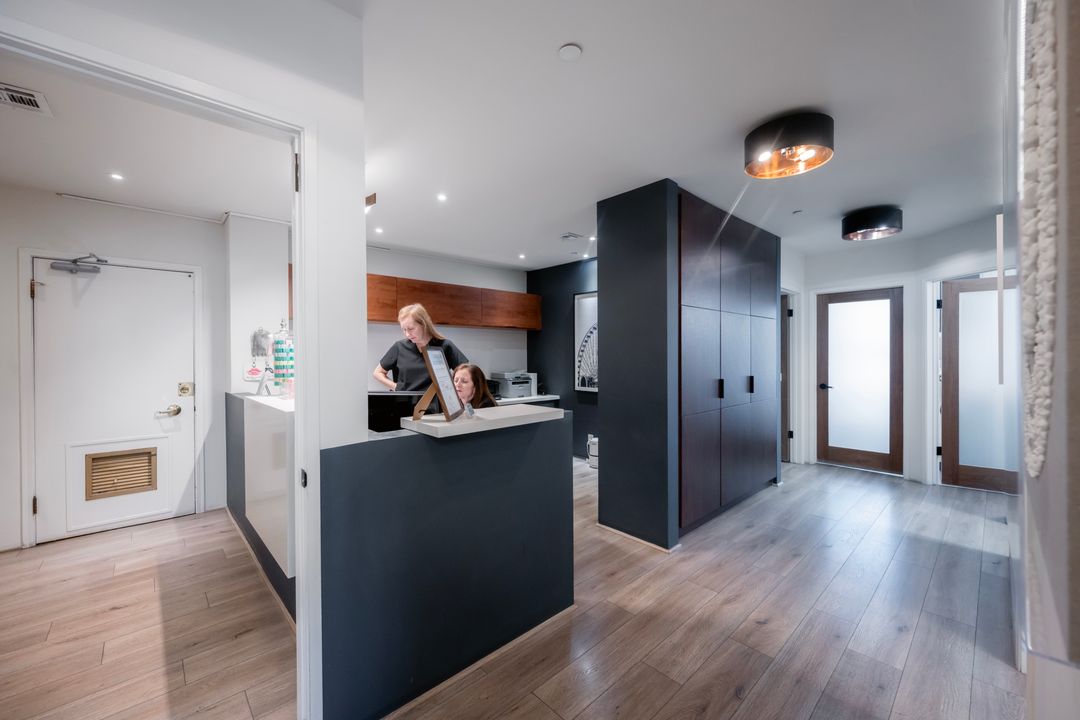
Practices will generally let you look around, and how they respond to that request is itself informative.
| What to look at | Good sign |
|---|---|
| Waiting room | Cats separated from dogs, or carriers raised |
| Noise level | Calm rather than chaotic |
| Cleanliness | Obvious and consistent |
| Staff manner | Unhurried with animals, willing to explain |
| Response to your questions | Direct answers, no defensiveness |
| Willingness to show you round | Open rather than reluctant |

A practice that discourages a look around is telling you something, in the same way a boarding cattery that does the same is.
Continuity matters more than people expect
Seeing the same vet repeatedly is genuinely valuable, particularly for a cat with a chronic condition.
A vet who knows your cat notices changes that do not appear in the notes, and you spend less time re-explaining history at every visit.
Ask whether you can request a specific vet, and how realistic that is in practice. In larger practices it is sometimes possible and sometimes not.
Cost, honestly
Price is a legitimate factor and it is reasonable to ask about it directly.
- Ask for typical costs of a consultation, vaccination and dental.
- Ask whether written estimates are provided before treatment.
- Ask about health plans, which spread routine costs.
- Ask about payment plans for larger bills — many offer them and few advertise it.
- Compare what is included rather than headline consultation prices.
Cheapest is not the goal and neither is most expensive. What matters is knowing the numbers in advance and having a practice that will discuss them without awkwardness.
Our guides to the annual cost of owning a cat and whether pet insurance is worth it cover budgeting around it.
When to consider changing practice
Changing vets is easy and records transfer on request, so a poor fit is worth acting on rather than tolerating.
Reasonable reasons include consistently rushed appointments, unwillingness to explain reasoning, handling that visibly distresses your cat, dismissiveness about cost, or a pattern of things being missed.
Wanting a second opinion is also entirely normal and not an insult. Good vets are comfortable with it and will forward records without fuss.
Building a good relationship
Some of the quality of care depends on what you bring to it.
- Arrive with specifics — dates, weights, photographs, video.
- Say plainly if cost is a constraint, early rather than after treatment starts.
- Ask what would change the plan, not just what the plan is.
- Follow through on rechecks even when the cat seems fine.
- Tell them if something did not work or you could not manage it.

That last one matters. A vet who thinks a cat has been medicated for two weeks, when in fact it spat out every tablet, is working from bad information.
Our guide to giving a cat a pill safely covers the practical problem, and there are usually alternatives if you ask.
For newly adopted cats
Register with a practice and book a wellness appointment within the first two weeks, regardless of what the rescue has already done.

That visit establishes a baseline weight and record with your own vet, confirms what vaccinations are outstanding, and creates the relationship before you need it urgently.
Our guides to the first 30 days with a new cat and carrier training cover preparing for that first appointment.
The first appointment tells you most of it
You learn more from one routine visit than from any amount of reading, so treat the first appointment as an assessment.
- Were you taken through to a room reasonably quickly, or left in a busy waiting area with a carrier?
- Did the vet let the cat come out of the carrier in its own time?
- Was handling calm and minimal, or was the cat scruffed and held down?
- Were you told what was being done and why, as it happened?
- Did you get a clear answer on costs before anything was agreed?
- Were you given written notes or a summary afterwards?
None of these are luxuries. Cats that are handled badly become progressively harder to examine, which means less thorough care every subsequent year.
If the visit was poor, changing practice early costs you very little. Changing after five years of records and a chronic diagnosis is much harder.
Frequently Asked Questions
What makes a veterinary practice cat-friendly?
Separate cat waiting areas or appointment times, shelves so carriers sit off the floor away from dogs, willingness to examine a cat in its carrier base, low-stress handling, and quiet consulting rooms.
What should I ask before registering with a vet?
Out-of-hours arrangements and how far away they are, whether cat-only times exist, what diagnostics are on site, whether written estimates are provided, and payment plan policies.
Can I look around a veterinary practice first?
Usually yes, and how they respond to the request is informative in itself. A practice that discourages a look around is telling you something worth noticing.
Does it matter if I see a different vet each visit?
It matters more than people expect, especially for chronic conditions. A vet who knows your cat notices changes that do not appear in notes. Ask whether you can request a specific vet.
Is it rude to ask a vet about costs?
No, and it is worth doing early rather than after treatment begins. Ask for typical costs, whether written estimates are provided, and about health or payment plans — many exist and few are advertised.
How do I change vets?
Simply register elsewhere and request that records be transferred. Reasonable reasons include rushed appointments, handling that distresses your cat, or unwillingness to explain reasoning.