
A catio is a secure outdoor enclosure that gives a cat fresh air, sun and things to watch without traffic, predators, poisons, fights or the wildlife problem.
It resolves the genuine tension in the indoor-versus-outdoor argument, which is why they have become popular — and in the Central Valley there are specific design considerations that generic plans miss.
Why bother
Indoor cats live substantially longer, and the honest objection is that indoor life can be boring. A catio addresses that directly.
- Removes traffic, which is the largest single risk to outdoor cats here.
- Removes fight injuries and the abscesses and disease that follow.
- Removes predation of wildlife.
- Removes rodenticide and antifreeze exposure.
- Provides genuine enrichment — sun, air, birds, insects, weather.
- Contains the cat, so no wandering into neighbours’ gardens.
Our comparison of indoor versus outdoor cats covers the trade-offs, and the wildlife debate covers the argument a catio most cleanly resolves.
Types and rough scale
| Type | Footprint | Effort | Suits |
|---|---|---|---|
| Window box | Under 1m | Low — often bought ready-made | Apartments, renters |
| Balcony enclosure | Existing balcony | Low to moderate | Flats with outdoor space |
| Lean-to against a wall | 1–2m deep | Moderate | Most houses |
| Freestanding structure | Any | Higher | Gardens with space |
| Full garden enclosure | Whole garden | High | Committed builds |
| Tunnel to a shed or run | Linear | Moderate | Connecting spaces |
Bigger is not automatically better. A tall, well-furnished small catio is used far more than a large empty one, because cats value vertical levels and hiding places over floor area.
Materials that hold
The commonest build failure is mesh choice.
- Use welded wire mesh, ideally 16 gauge or heavier, with openings around 25mm or smaller.
- Avoid chicken wire — it is thin, rusts, and a determined cat or predator gets through it.
- Avoid plastic netting entirely.
- Staple and batten the mesh rather than relying on staples alone.
- Mesh the roof, always — cats climb, and predators come from above.
- Secure the base with a buried skirt or paving to stop digging under.
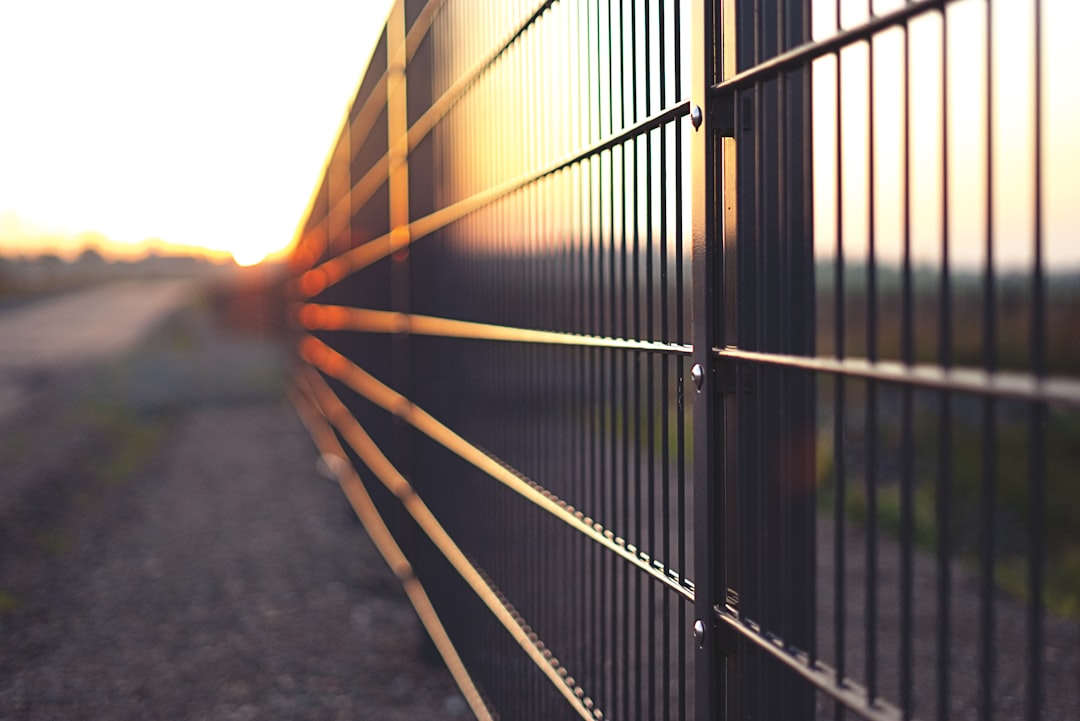
Frame in timber or metal, and treat any timber with a pet-safe product. Check every gap: a cat can pass through a smaller space than you expect, and kittens through far smaller.
Central Valley heat is the design constraint
This is where generic catio plans fail locally. A structure that is delightful in a temperate climate can be lethal here.
Summer temperatures regularly exceed 100°F, and an enclosure in full sun with a solid roof becomes an oven.
- Site it where there is genuine afternoon shade, not just morning shade.
- Use shade cloth or a solid roof over at least part of it — but ensure airflow.
- Never fully enclose with solid walls; cross-ventilation is essential.
- Provide water inside the catio, in shade, refreshed daily.
- Ensure the cat can always return indoors freely.
- Check the temperature inside at the hottest part of the day before trusting it.
Free indoor access is the single most important safety feature. A cat shut into a catio during a heat event is in danger; a cat that can walk back inside is not.
Our guide to keeping cats safe through Central Valley summers covers heat risk in outdoor structures.
What goes inside
An empty enclosure gets ignored. Furnishing is what makes it used.
| Feature | Why |
|---|---|
| Multiple shelf levels | Cats use vertical space more than floor |
| A covered hiding box | Security; cats relax when they can retreat |
| A sunny perch and a shaded one | Choice through the day |
| Scratching post or log | Natural behaviour outlet |
| Cat-safe plants | Cat grass, catnip, catmint |
| Water bowl in shade | Essential in summer |
| A view of something | Birds, a feeder placed safely out of reach |
Check every plant. Our guide to cat-safe and toxic plants covers what not to put in, and it matters more in an enclosure the cat cannot leave.
Access from the house
The best catios connect directly so the cat comes and goes freely.
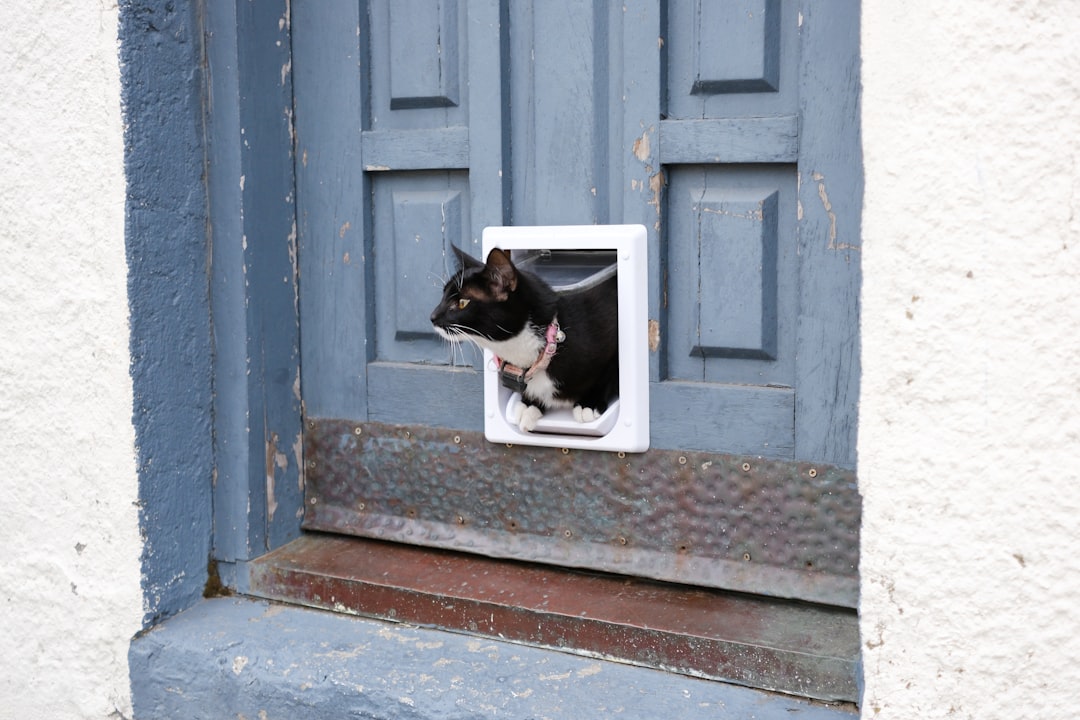
Options include a cat flap in a door or wall, a window insert panel, or a short tunnel from a window. Microchip-operated flaps stop other cats entering.
If you rent, window-insert panels and freestanding structures avoid permanent alteration — worth checking your tenancy before building anything fixed.
Rules and neighbours
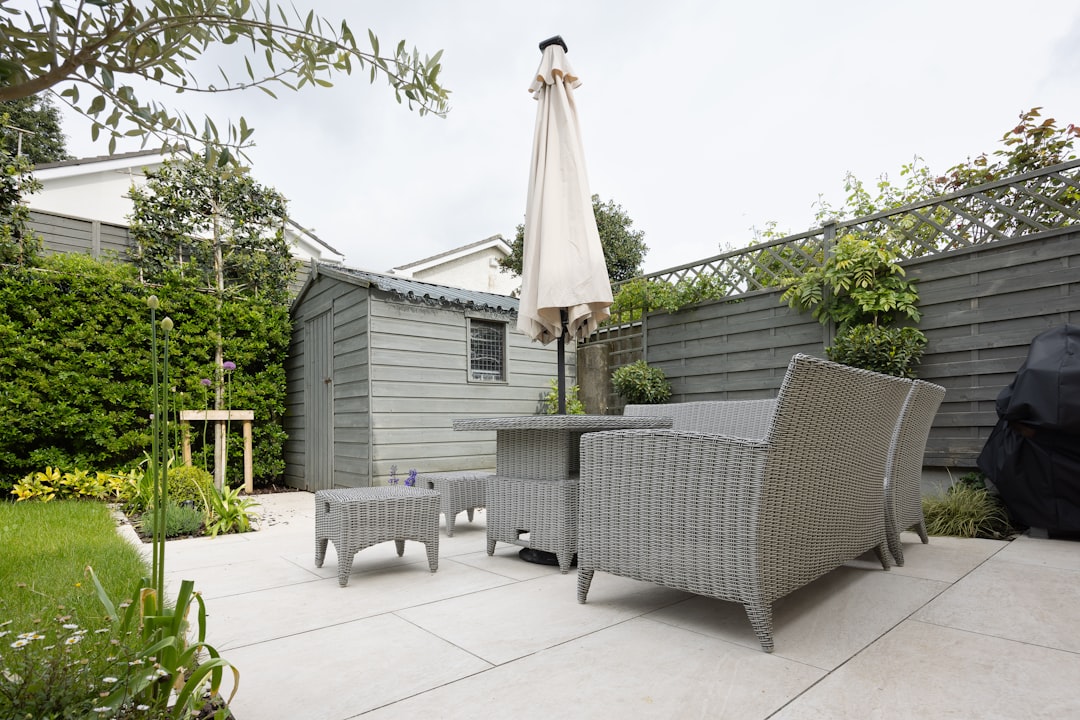
Requirements vary by city and county, and a large structure may need permission.
- Check local building and planning rules for size and height limits.
- Check setback requirements from boundaries.
- Check any homeowners association rules.
- Talk to immediate neighbours before building.
- Consider sightlines — a structure against a shared fence is more contentious.
Most small lean-to and window structures fall below thresholds, but confirming beforehand is cheaper than removing something afterwards.
Introducing the cat
Do not simply open the door and expect enthusiasm. Some cats stroll straight in; many are cautious.
Leave access open, put a familiar bed inside, feed near the entrance, and let the cat explore in its own time. Sit out there yourself — cats follow.
Supervise the first few sessions, checking that nothing has been missed in the build and that the cat cannot reach anything above it.
International Cat Care publishes guidance on outdoor access and enclosure design.
Buying rather than building
Ready-made catios exist at every scale and are a reasonable choice if you are not confident building.
Check mesh gauge and opening size, whether the roof is enclosed, how the panels join, and whether it is rated for the wind and heat here. Cheap flat-pack units frequently use inadequate mesh.
Our guide to enrichment and play covers what else makes an indoor cat’s life interesting, catio or not.
Maintenance
A catio is not a build-and-forget structure, particularly outdoors in valley weather.
Check the mesh for damage and the fixings for rust twice a year, inspect the base skirt for digging, and clear leaf litter that holds damp against timber. Sun degrades shade cloth over a few seasons.
Check it again after any high wind. A panel that has shifted a few centimetres is an escape route.
Frequently Asked Questions
What is a catio?
A secure outdoor enclosure giving cats fresh air, sun and stimulation without traffic, predators, fights, poisons or wildlife predation. They range from window boxes to full garden enclosures.
What mesh should a catio use?
Welded wire mesh, ideally 16 gauge or heavier with openings around 25mm or smaller, battened rather than only stapled. Avoid chicken wire and plastic netting, which are not secure.
How do I keep a catio safe in Central Valley heat?
Site it in genuine afternoon shade, provide shade cloth or partial roofing while keeping cross-ventilation, put water inside, and — most importantly — ensure the cat can always return indoors freely.
Does a catio need a roof?
Yes, meshed. Cats climb and will get out over an open top, and predators including birds of prey come from above. A partial solid or shade-cloth roof also provides essential shade.
Do I need permission to build a catio?
Possibly. Check local building and planning rules, setback requirements from boundaries and any homeowners association rules. Most small window or lean-to structures fall below thresholds, but confirm first.
My cat will not use the catio — what now?
Give it time. Leave access open, put a familiar bed inside, feed near the entrance and sit out there yourself. Furnishing matters too — an empty enclosure gets ignored, a well-shelved one gets used.