

Most adoption profiles are written in a hurry by someone who has met the cat twice, and they all end up sounding the same.
“Loves cuddles, would suit a quiet home” describes roughly forty per cent of cats in care and helps nobody choose.
A profile has one job: help the right person recognise their cat and help the wrong person keep scrolling. Both halves matter.
Specific beats appealing
Generic warmth is invisible. Concrete detail is memorable, and memorable is what gets a click.
| Generic | Specific |
|---|---|
| “Very affectionate” | “Sits on the keyboard the moment a laptop opens” |
| “Playful” | “Carries a toy mouse from room to room and drops it at your feet” |
| “Good with children” | “Sleeps on the bed of a seven-year-old every night” |
| “A bit shy” | “Took nine days to come out, now greets us at the door” |
| “Loves food” | “Yells at the fridge at 5pm regardless of when he last ate” |
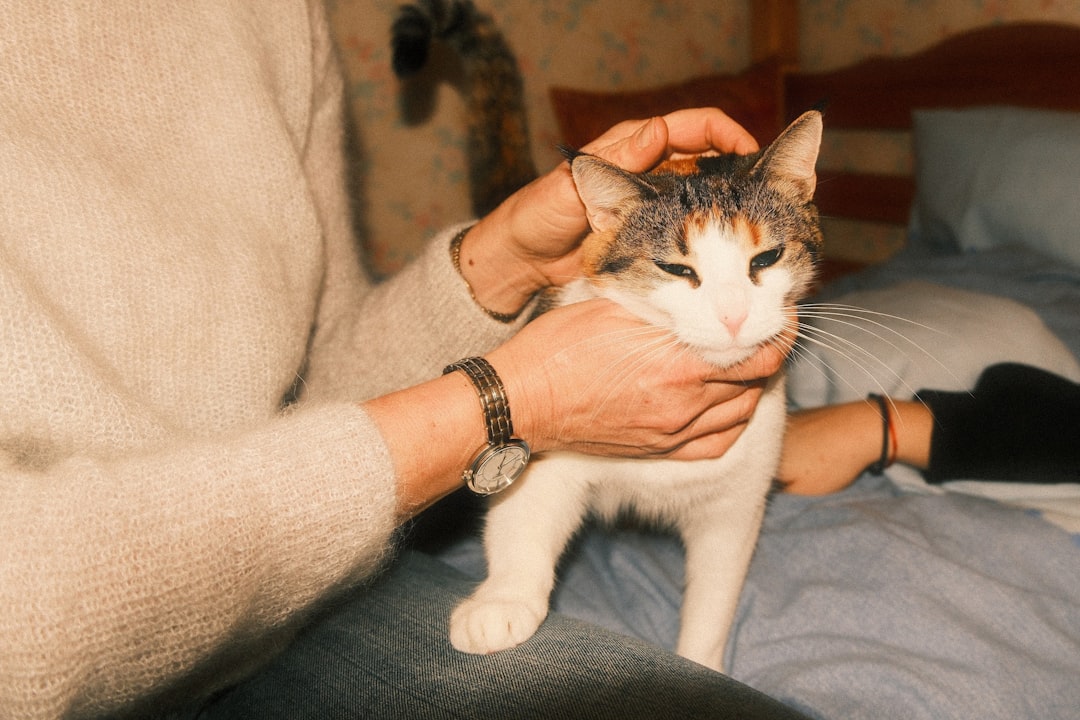
The right-hand column is what foster carers already know and rarely think to write down. That detail is the entire advantage a foster-based rescue has.
Be honest about the difficult parts
The instinct is to hide problems so the cat gets adopted. It backfires, because a concealed problem becomes a return, and a return is worse for the cat than a longer wait.
Honesty also filters efficiently. Someone who reads “needs to be the only cat” and applies anyway is exactly the right adopter.
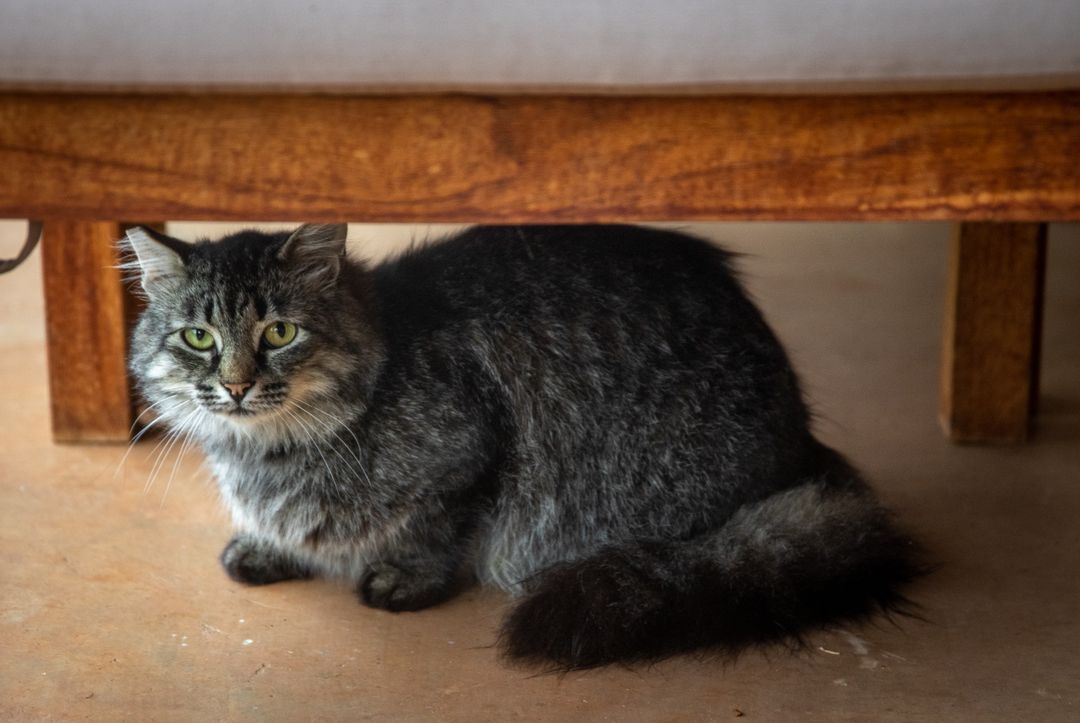
- Frame the trait, then the management: “dislikes other cats — thrives as an only cat”.
- Give a timeline for shyness rather than hiding it.
- State medical needs plainly, including ongoing cost.
- Say which households will not work, and why.
- Never invent history you do not have — “unknown” is a legitimate answer.
Maddie’s Fund publishes research on adoption practices and matching that supports this approach.
A structure that works
- Hook. One specific, vivid line that is true only of this cat.
- Personality. Two or three concrete behaviours, not adjectives.
- Household fit. Cats, dogs, children, noise, time alone.
- Honest caveats. Anything an adopter must know before applying.
- Practical facts. Age, sex, fixed, vaccinated, microchipped, medical needs.
- Next step. Exactly how to apply.
Keep it to roughly 150 to 250 words. Longer profiles get skimmed, and the caveats are what gets skipped.
Clichés to retire
These phrases appear on thousands of listings and communicate nothing.
| Cliché | Problem | Better |
|---|---|---|
| “Looking for his forever home” | True of every cat listed | Cut entirely |
| “Sweet girl” | Says nothing specific | Name one sweet behaviour |
| “Would suit a quiet home” | Often code for shy | Say what actually happens |
| “Loves attention on his terms” | Code for bites when overhandled | State the actual limit |
| “A real character” | Means nothing | Describe the character |
| “Needs an experienced owner” | Vague and off-putting | Say which experience matters |
Harder cases
Shy cats
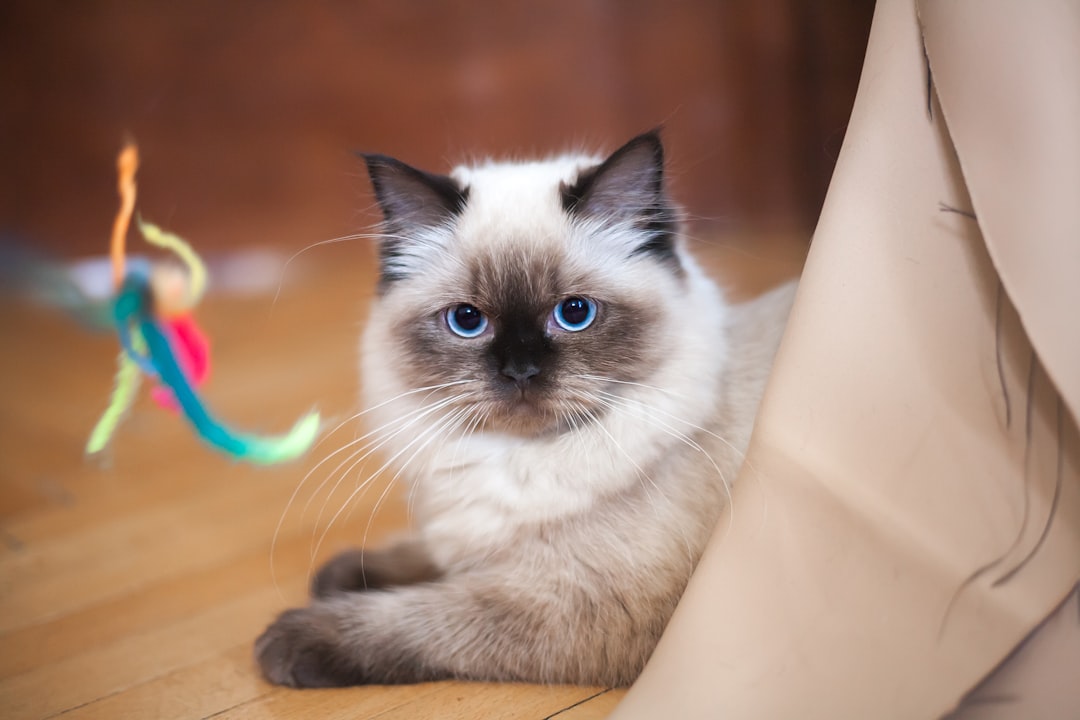
Give the arc rather than the snapshot. “Hid for a week, now sleeps on the sofa” tells an adopter this is a phase with an end.
Senior cats
Lead with what is genuinely appealing — settled temperament, established habits, no kitten chaos. Be straight about likely medical costs.
Our case for adopting a senior cat covers the arguments worth borrowing.
Bonded pairs
Explain why they are listed together, and mention any second-cat fee discount. Adopters frequently assume a pair costs double.
Our guide to adopting a bonded pair covers the arguments that work.
Cats with medical conditions
State the diagnosis, the daily management and the realistic cost. Vagueness here produces applications from people who cannot follow through.
Our guide to adopting an FIV or FeLV positive cat covers framing those diagnoses accurately.
Write for the person who has not owned a cat
A significant share of adopters are first-timers, and rescue shorthand excludes them.
Avoid unexplained jargon — FIV, FeLV, URI, TNR, resource guarding. Use the term, then explain it in six words.
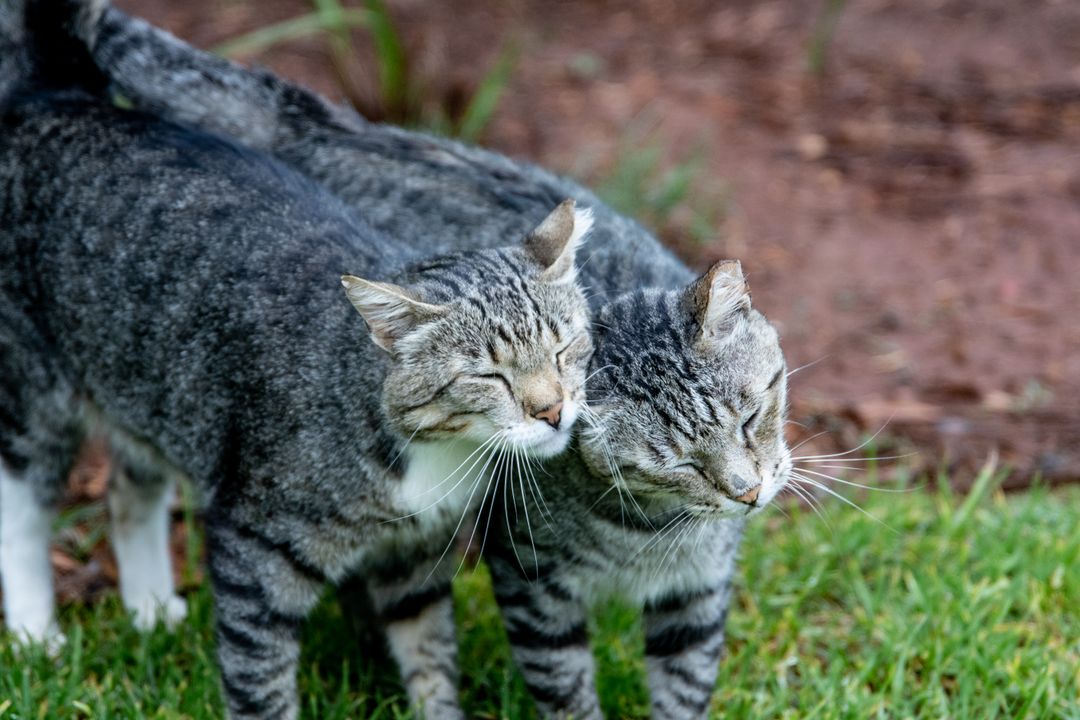
Say what daily life with this cat actually looks like. First-time adopters are trying to picture a Tuesday evening, not parse a medical summary.
Keep profiles current
A profile written on intake describes a frightened cat in a strange place. Three weeks later it is usually wrong.
Update after the first fortnight in foster care, and again if anything material changes. Stale profiles cause mismatches and returns.
Pair the writing with decent images — our guide to photographing shelter cats so they actually get adopted covers the other half, and our adoption page shows how we present cats currently in foster care.
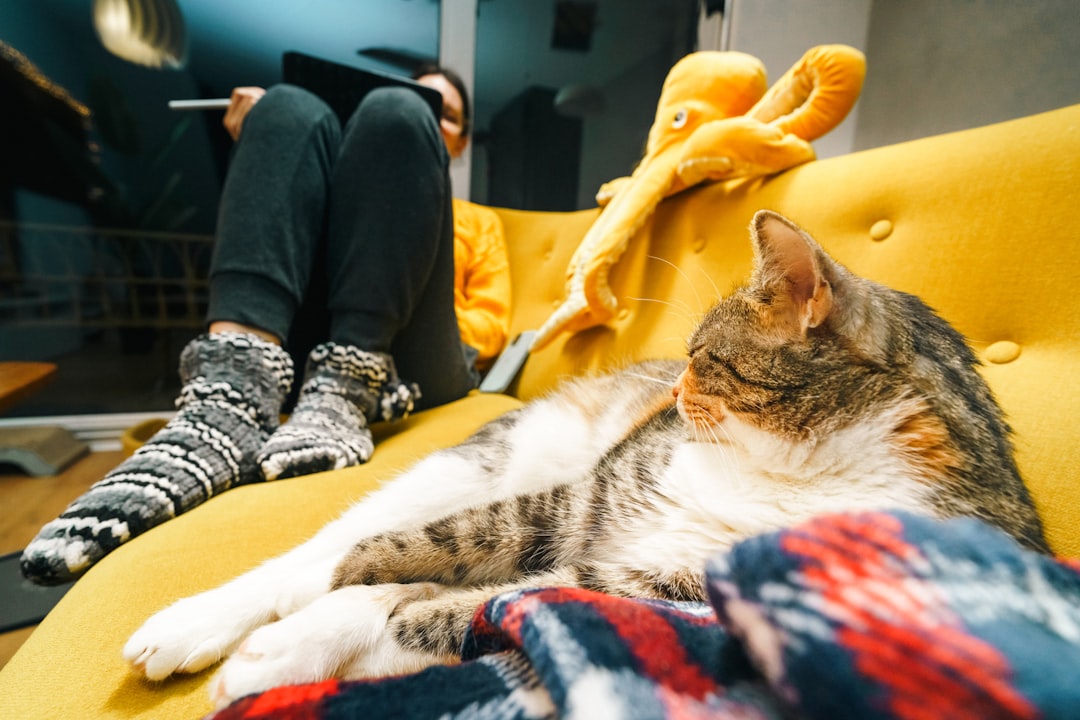
Where the detail actually comes from
The reason most profiles are generic is that the writer has not spent time with the cat. The fix is a process rather than better vocabulary.
- Ask the foster carer three questions: what makes you laugh, what surprised you, and what would you warn an adopter about?
- Ask for a specific moment rather than a general impression.
- Write down the exact phrasing the carer uses — it is usually better than yours.
- Check what has changed since intake before publishing.
- Send the draft back to the carer to correct.
That first question does most of the work. “What makes you laugh about this cat?” produces the concrete detail that a request for a description never will.
Writing for the search as well as the reader
Adopters filter and search before they browse, so a few practical terms belong in every profile.
Include age, sex, whether the cat is fixed, coat colour, and the household types it suits. Those are the fields people filter on, and a profile that omits them disappears from results.
Keep it natural. A profile stuffed with keywords reads badly and puts adopters off, which defeats the point entirely.
Our guide to photographing shelter cats covers the images that sit alongside the words, and what happens to a cat after it is rescued covers where profile writing sits in the wider process.
Frequently Asked Questions
How long should a cat adoption profile be?
Roughly 150 to 250 words. Longer profiles get skimmed, and the important caveats are usually what readers skip. Lead with one specific detail rather than general warmth.
Should I mention a cat’s behaviour problems in its listing?
Yes. Concealing a problem produces a return, which is worse for the cat than a longer wait. Frame the trait alongside its management — “dislikes other cats, thrives as an only cat”.
What makes an adoption profile stand out?
Specific, concrete behaviour that is true only of that cat. “Sits on the keyboard the moment a laptop opens” is memorable; “very affectionate” describes half the cats in care.
How do you write a profile for a shy cat?
Give the arc rather than the snapshot. Describing how long the cat took to come out and what it is like now tells adopters this is a phase with an end, not a permanent state.
Should profiles avoid technical terms like FIV?
Use them, then explain them briefly. Many adopters are first-timers, and unexplained rescue shorthand either excludes them or produces applications based on a misunderstanding.
How often should adoption profiles be updated?
After the first two weeks in foster care, and whenever anything material changes. A profile written at intake describes a frightened cat in a strange place and is usually wrong later.