

Rescues frequently list cats as a bonded pair and decline to split them. To an adopter expecting one cat, that can feel like an upsell.
It usually is not. For most households a bonded pair is genuinely easier than a single cat, and the extra cost is smaller than people assume — but there are real situations where two is the wrong answer.
Here is the honest version of both sides.
What “bonded” actually means
A bonded pair is two cats with an established social attachment, not simply two cats who arrived together.
The signs are specific: mutual grooming, sleeping in contact, eating side by side without tension, and visible distress when separated.
- They groom each other’s head and neck, which cats do not do casually.
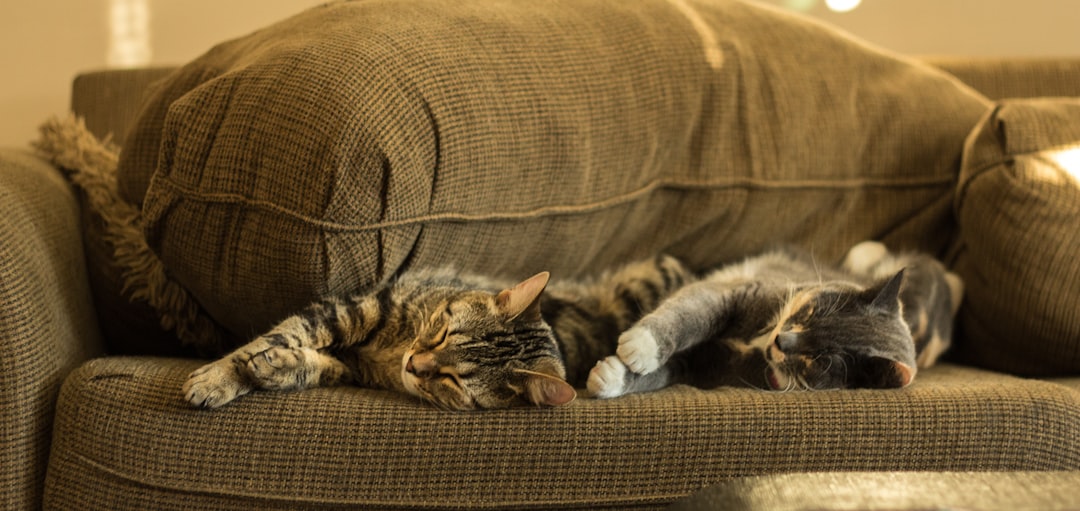
- They sleep touching rather than merely in the same room.
- They greet each other after any separation.
- One calls persistently when the other is out of sight.
- They share food and resting spots without guarding.
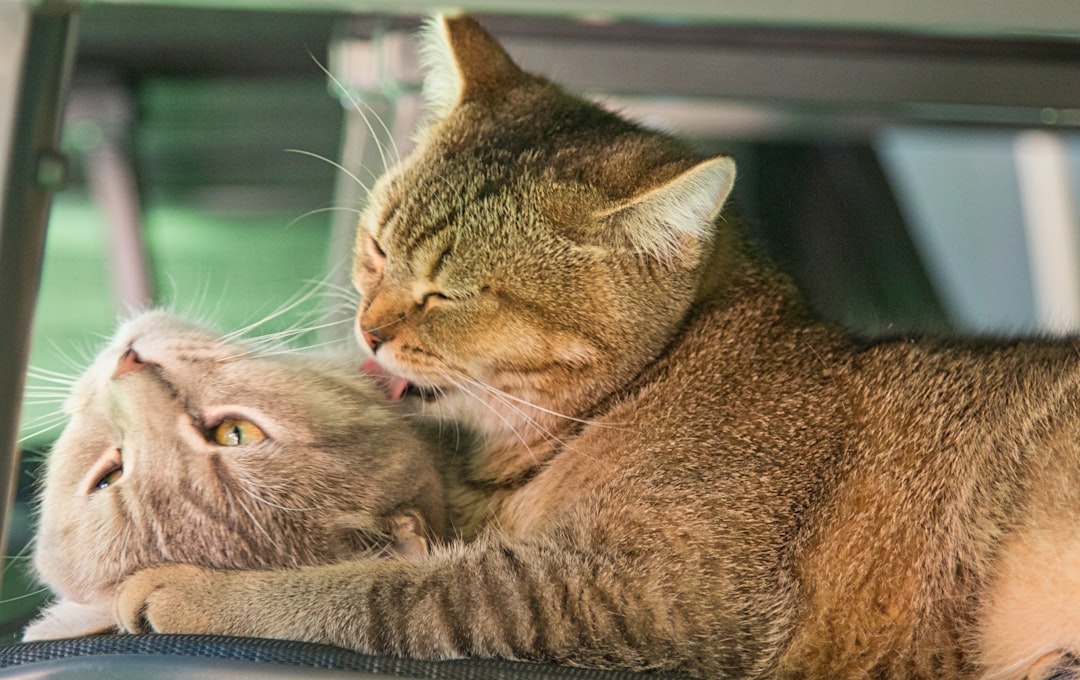
Splitting a genuinely bonded pair frequently produces appetite loss, over-grooming and litter box problems in one or both cats.
One cat or two: the honest comparison
| Factor | Single cat | Bonded pair |
|---|---|---|
| Annual running cost | Baseline | Roughly 1.6–1.8×, not 2× |
| Attention demanded from you | High | Lower — they occupy each other |
| Night-time activity | Often directed at you | Directed at each other |
| Coping with long working days | Often poorly | Generally well |
| Destructive boredom behaviour | More common | Less common |
| Introduction work needed | None | None — already bonded |
| Litter boxes required | 2 | 3 |
| Space needed | Modest | Moderate, vertical helps |
The cost point surprises people. Litter, insurance and vet visits scale with cat count, but housing, equipment, heating and your time do not.
Why two is often easier
A single cat in an empty house has one source of stimulation: you. When you are out, there is nothing.
Cats are more social than their reputation allows, particularly littermates and cats raised together. A companion supplies play, grooming and company continuously.

The practical result is fewer of the behaviours people find hardest — 4am zoomies, over-attachment, attention-seeking destruction and boredom-driven over-grooming.
This is why many rescues will not place single kittens into homes where nobody is in during the day. It is a welfare position, not a sales tactic.
When two is the wrong choice
There are genuine cases against, and a good rescue will discuss them rather than pushing.
| Situation | Why a pair may not work |
|---|---|
| Strict one-pet tenancy | Non-negotiable, and worth respecting |
| A resident cat who dislikes other cats | Introducing two at once is much harder |
| Very small living space | Limited retreat options increase tension |
| Tight budget with no emergency fund | Two cats double the chance of a costly year |
| Severe allergy in the household | Allergen load scales with cat count |
| Wanting an intensely bonded single cat | Pairs often bond more to each other than to you |
That last point is worth taking seriously. A pair is generally lower-maintenance, but a single cat frequently forms a more intense attachment to its person.

The real cost difference
Rough annual figures, assuming healthy adult cats and no emergencies.
| Cost | One cat | Two cats |
|---|---|---|
| Food | Baseline | Doubles |
| Litter | Baseline | Roughly 1.7× |
| Routine vet care | Baseline | Doubles |
| Equipment and setup | Baseline | Roughly 1.4× — much is shared |
| Boarding or sitting | Baseline | Often barely changes |
| Adoption fee | Baseline | Frequently discounted for pairs |
Many rescues reduce or waive the second fee specifically to keep pairs together. Ask — it is rarely advertised.
Our full breakdown of what a cat costs per year covers the baseline figures in detail.
Setting up for two
The standard resource rule is one per cat plus one, spread out rather than lined up together.
- Three litter boxes for two cats, in separate locations.
- Multiple feeding stations, even if they currently share happily.
- Vertical space — shelves and cat trees multiply usable territory.
- At least two separate high-quality resting spots.
- Two scratching posts, near the places they actually rest.

The American Association of Feline Practitioners publishes guidance on feline environmental and life-stage needs that is worth reading before setting up for a multi-cat home.
If you already have a cat
Adding a bonded pair to a home with a resident cat is a bigger project than adopting a pair into an empty house.
The existing cat is outnumbered, and the pair already has a social unit it does not need to extend. Go slowly, and be prepared for it not to work.
Our guide to introducing a new cat to resident pets covers the scent-first method, and how many cats is too many covers capacity honestly.
When one of the pair dies
This is rarely discussed and worth knowing in advance. Surviving cats frequently grieve visibly — calling, searching, appetite loss and withdrawal for weeks.
Keep routines stable, increase your own contact, and give it time before deciding whether to adopt another companion. Rushing a replacement often makes things worse.
Should you do it?
If you work standard hours, have room for three litter boxes, and can absorb the extra running cost, a bonded pair is usually the easier household.
If your tenancy, budget or resident cat says otherwise, adopt one and do it well. A single cat in the right home beats a pair in a stretched one.
Our guide to choosing between two shelter cats helps if you are picking individuals, and our adoption page lists pairs currently looking together.
Questions to ask the rescue about a pair
Not every pair listed together is genuinely bonded, and it is reasonable to ask how the assessment was made.
- How long have these two lived together, and how was the bond assessed?
- Do they groom each other and sleep in contact, or simply tolerate one another?
- Has either been observed alone, and how did they cope?
- Are they littermates, or did they meet in foster care?
- Is there a discount on the second adoption fee?
A rescue that answers these precisely has done the work. Vague answers sometimes mean two cats are being listed together for convenience rather than genuine attachment.
Occasionally a pair is better separated — where one bullies the other, or one is clearly attached and the other indifferent. Good rescues will tell you this rather than hide it.
Frequently Asked Questions
Is it more expensive to have two cats?
Yes, but less than double. Food and routine vet care roughly double, while litter, equipment, housing and boarding scale far less. Expect around 1.6 to 1.8 times a single cat.
Why will rescues not split a bonded pair?
Separating genuinely bonded cats commonly causes appetite loss, over-grooming, litter box problems and prolonged distress. It is a welfare decision rather than an attempt to place more cats.
Are two cats easier than one?
For most households, yes. A companion supplies play, grooming and company while you are out, which reduces boredom-driven destruction, night-time activity and over-attachment to you.
How many litter boxes do two cats need?
Three, following the standard one-per-cat-plus-one rule, placed in separate locations. Two boxes side by side count as one resource from the cats’ point of view.
Can I adopt a bonded pair if I already have a cat?
It is possible but harder. The resident cat is outnumbered and the pair already has its own social unit. Introduce slowly and be realistic that it may not settle.
What happens when one of a bonded pair dies?
The survivor often grieves visibly for weeks — calling, searching, eating less and withdrawing. Keep routines stable and wait before deciding whether to adopt another companion.