
Traveling with a cat takes more preparation than most people expect, but a few key decisions — carrier, documentation, and how you handle the actual travel day — make the difference between a stressful trip and a manageable one.
Choosing the Right Carrier
Soft-sided carriers work well for shorter or calmer trips, while hard-sided carriers offer more protection for longer car journeys or cats new to travel. Whichever type you choose, size it at about 1.5 times your cat’s size — enough room to stand, turn around, and lie down, without so much extra space that the cat slides around.

Car Travel
- Keep the carrier level in the vehicle — this feels more secure to most cats than a tilted or unstable position
- Buckle the carrier in with a seat belt if possible
- Plan stops so your cat can stretch and relieve itself
- Keep all doors and windows closed any time the cat is out of the carrier during a stop
Airplane Travel
Always use an airline-approved carrier — a soft carrier with a waterproof bottom and more than one entry/exit point is typically preferred. You’ll be required to remove your cat from the carrier at security screening, so having your cat in a harness with an attached leash lets you hold them safely during that moment. Scheduling non-stop flights, where possible, reduces overall travel time and the stress that comes with it.


Documentation and Identification
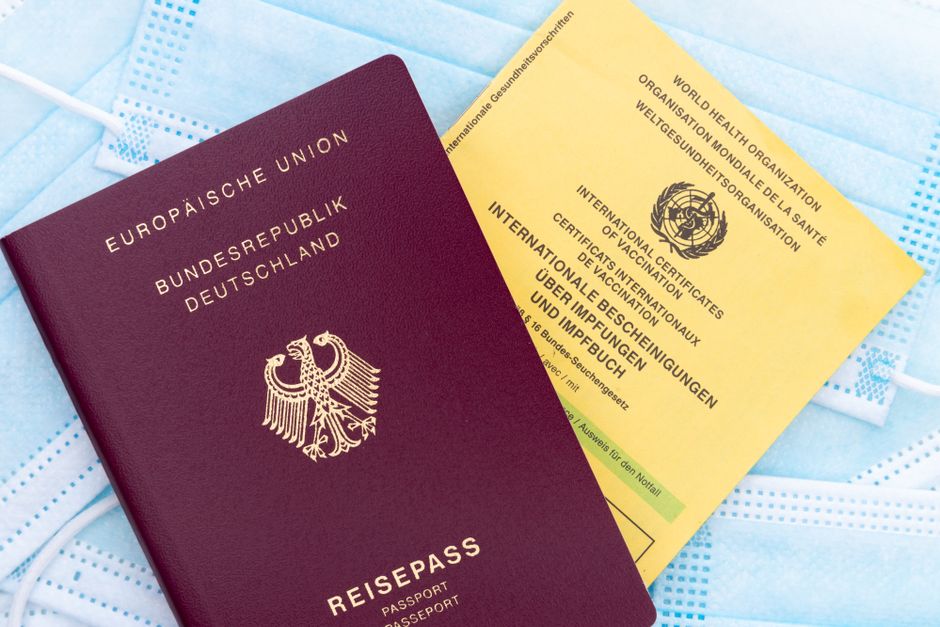
A USDA-accredited health certificate is often required for air travel or when crossing state or international borders — check your destination’s specific rules well in advance, since requirements vary. Make sure your cat is microchipped and wearing a collar with an ID tag showing your contact information, in case you become separated during travel.
Making the Carrier Feel Familiar
Prepare the carrier with familiar bedding or a worn item that smells like home, and consider a calming pheromone spray ahead of the trip. A cat that already associates the carrier with something positive, rather than only seeing it before vet visits, tends to handle travel noticeably better.
Deciding Whether to Bring Your Cat At All
Before booking anything, honestly consider whether your cat actually needs to travel with you. Most cats are creatures of routine and territory, and for many trips — a work conference, a short vacation — a trusted pet sitter or boarding facility at home is genuinely less stressful for the cat than an unfamiliar journey and destination. Bringing a cat along makes more sense for longer relocations, extended stays, or situations where reliable at-home care isn’t available.
Preparing in the Weeks Before Travel
If you do decide to travel with your cat, start acclimating it to the carrier weeks in advance rather than the day before departure — leave the carrier out at home with a comfortable blanket inside, and offer treats near or inside it so your cat builds a positive association before travel day arrives. A vet checkup shortly before the trip is also worth scheduling, both to confirm your cat is healthy enough to travel and to get any required documentation while there’s still time to address issues that come up.
Settling In at Your Destination
Once you arrive, set up a small, contained space with familiar bedding, food, water, and a litter box before letting your cat explore anywhere else — the same safe-room principle that applies to a newly adopted cat applies here too, since an unfamiliar hotel room or relative’s house is just as disorienting as a new permanent home. Give your cat time to decompress in that smaller space before expanding its access, rather than assuming it will adjust instantly just because the trip is already over.
International Travel Adds Another Layer
Crossing an international border with a cat typically involves additional requirements beyond a domestic flight’s health certificate — some countries require specific vaccinations completed a set number of months in advance, a rabies titer blood test, or a quarantine period on arrival. Research your specific destination’s requirements many months ahead of travel, since some countries’ rules genuinely take that long to satisfy, and missing a deadline can mean your cat isn’t eligible to enter on your planned date at all.
What to Pack Beyond the Carrier
- A collapsible travel litter box and a small bag of familiar litter
- A few days’ worth of your cat’s regular food, to avoid a sudden diet change during travel
- A recent photo of your cat on your phone, in case of an unexpected separation
- Any medications your cat takes regularly, with enough supply for the full trip plus a buffer
Packing these items in an easily accessible bag, rather than buried in checked luggage, means you’re not scrambling to reach them during a stressful moment mid-trip.
After You Arrive Home
The return trip deserves the same preparation as the outbound one — don’t assume a cat that traveled well the first time will automatically do so again, since fatigue and cumulative stress from an extended trip can change how a cat responds on the way back. Give your cat a few quiet days at home to fully decompress once you’re back, even if the trip itself went smoothly, before resuming a fully normal routine.
A little extra planning before you leave makes travel day itself far less stressful for both you and your cat, whatever the destination or mode of transport — and that groundwork pays off just as much on a short car ride as it does on a cross-country flight.
Every journey starts with the carrier, and that is where most of the stress originates. Our carrier training guide covers choosing the right type and the desensitising process that removes the fight.
For most trips, the better question is whether the cat should travel at all. Our comparison of boarding, a sitter or a neighbour covers why staying home usually wins for cats.
The carrier is the part most cats object to, and it responds well to preparation. Our guide to using clicker training for carrier and vet visits covers the staged approach.
Frequently Asked Questions
What size carrier should I use?
About 1.5 times your cat’s size — enough room to stand, turn around, and lie down comfortably, but not so much space that the cat slides around during travel.
Should I let my cat out of the carrier during a car trip?
Only during stops, with all doors and windows closed — keeping the cat in the carrier while the vehicle is moving is safer and reduces the risk of an accidental escape.
Do I need a health certificate to fly with my cat?
Often, yes — a USDA-accredited health certificate is commonly required for air travel or crossing state or international borders. Check the specific requirements for your destination in advance.
What happens at airport security with a cat?
You’ll need to remove your cat from the carrier to go through screening, so having your cat in a harness with a leash attached lets you hold them securely during that process.
Questions Before Your Trip?
Cats By The Tracks is happy to help with travel questions for cats adopted through us.