

Cats and dogs live together successfully in enormous numbers. The ones that do not are usually the result of a rushed first meeting rather than fundamental incompatibility.
The process is slower than most people expect and almost entirely front-loaded. Get the first fortnight right and the rest tends to follow.
Before you bring anyone home
Preparation matters more here than in a cat-to-cat introduction, because the size difference makes mistakes more consequential.
- A dedicated cat room with a door that closes, containing everything the cat needs.
- Vertical escape routes throughout the house — shelves, cat trees, high surfaces.
- A baby gate the cat can pass and the dog cannot, or one raised slightly off the floor.
- Litter boxes somewhere the dog cannot reach.
- The dog reliably responding to “leave it” and “sit” before the cat arrives.
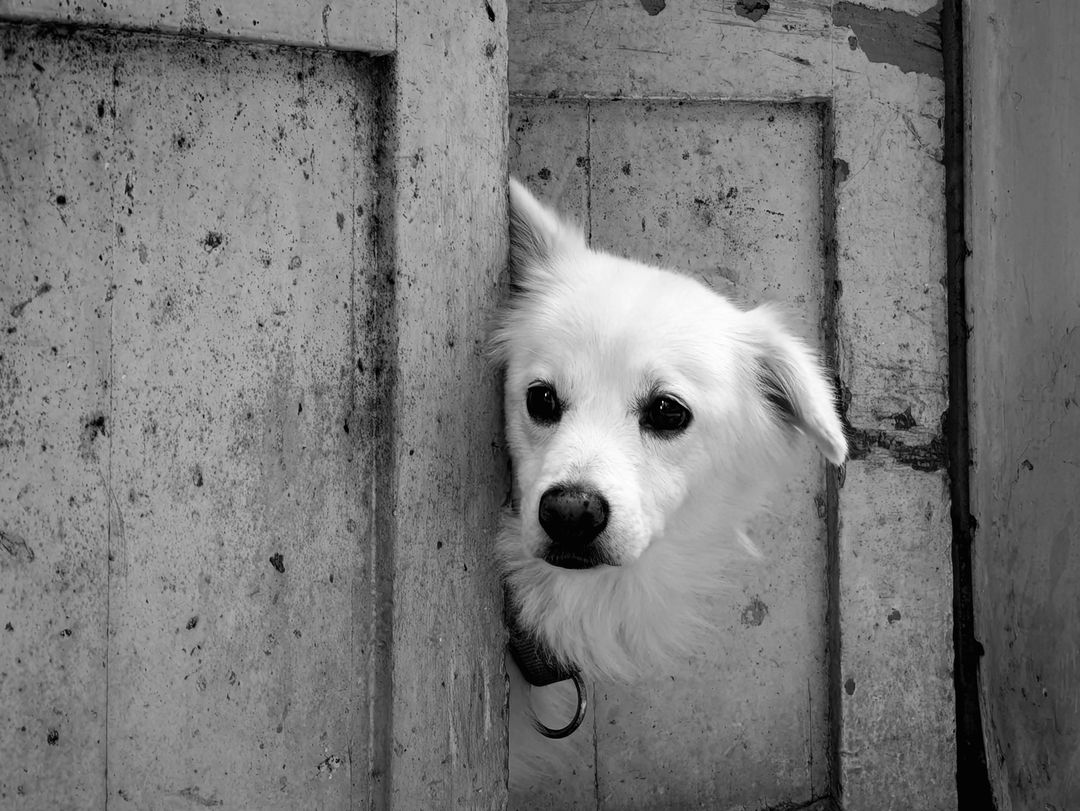
That last point does a great deal of work. A dog that will disengage on command is manageable; one that will not is not ready for a cat.
The staged process
| Stage | What happens | Typical duration |
|---|---|---|
| 1. Full separation | Cat in its own room, no contact | 3–7 days |
| 2. Scent exchange | Swap bedding between animals | 3–7 days |
| 3. Feeding either side of a door | Both eat near the closed door | 3–7 days |
| 4. Visual contact through a barrier | Gate or cracked door, brief sessions | 1–2 weeks |
| 5. Same room, dog on a lead | Short, calm, supervised | 1–3 weeks |
| 6. Supervised freedom | Lead off, you present | Weeks |
| 7. Unsupervised | Only once consistently calm | When earned, not scheduled |
Do not skip stages because things are going well. The commonest failure is jumping from stage 4 to stage 6 after one good session.
International Cat Care publishes detailed guidance on multi-species household introductions.
The first face-to-face meeting
Keep it short, calm and boring. A dull first meeting is a successful one.
- Exercise the dog beforehand so it arrives tired rather than excited.
- Keep the dog on a lead, sitting, rewarded for calm behaviour.
- Let the cat enter and leave freely — never hold or restrain the cat.
- Keep it to a few minutes, then separate while it is still going well.
- Repeat daily rather than extending the first session.

Never hold a cat to “show” it to a dog. A restrained cat cannot flee, which is precisely what triggers defensive aggression and creates a lasting negative association.
Reading the warning signs
| Signal | Species | Meaning | Action |
|---|---|---|---|
| Fixed stare, stiff body | Dog | Predatory focus | End session immediately |
| Whining, lunging, barking | Dog | Over-arousal | Separate, more distance next time |
| Flattened ears, low growl | Cat | Threatened | Give more space and escape routes |
| Tail thrashing, dilated pupils | Cat | Highly stressed | End session |
| Loose body, sniffing, looking away | Either | Relaxed | Continue calmly |
| Ignoring each other | Either | Excellent | This is the goal |
Mutual indifference is the target, not friendship. A cat and dog that ignore each other are a complete success.
Dogs that find this harder
Breed is a weaker predictor than individual temperament, but some patterns are real.
Dogs with strong prey drive, dogs that chase small moving things, and dogs with no prior cat exposure all need a longer, more careful process. So do dogs that cannot settle when excited.

A dog that fixates and cannot be redirected is the genuine warning sign. That is not a slow introduction problem — it warrants professional behavioural advice before continuing.
Cats that find this harder
Cats with no dog experience, cats that are already fearful, and senior or arthritic cats that cannot easily jump to safety all need more preparation.
For an older or less agile cat, escape routes matter more than anything else. Steps or ramps to high surfaces make a substantial difference.
Our guide to helping a shy shelter cat settle in covers building confidence first, and reading cat body language covers the signals in detail.
Permanent household rules
Some arrangements should stay in place for good rather than being phased out.
- Feed separately, always — food is the most common flashpoint.
- Litter boxes stay somewhere the dog cannot access.
- The cat keeps a dog-free room permanently.
- Vertical escape routes remain throughout the house.
- Never leave a new pairing unsupervised until months of calm behaviour.

Dogs eating cat food and raiding litter boxes are extremely common and both cause real problems — one nutritional, one behavioural for the cat, which may stop using the tray.
Our guide to litter box problems covers what happens when a cat feels unsafe using its tray.
How long it takes
Expect two to eight weeks for most pairings, and longer for a fearful cat or a high-drive dog.
Progress is rarely linear. A bad session after a good week is normal — step back a stage and continue rather than concluding it has failed.
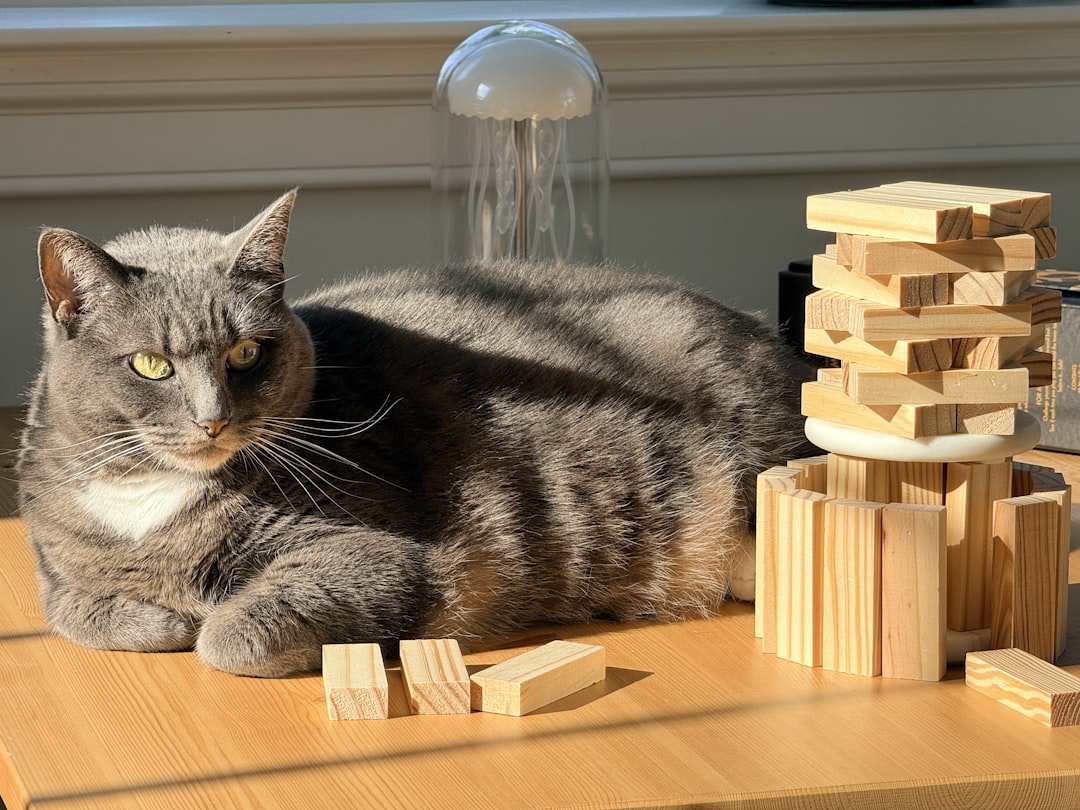
If there has been no progress after two months, or either animal is consistently distressed, get behavioural advice rather than continuing to repeat the same sessions.
Our guide to introducing a new cat to resident pets covers cat-to-cat introductions, and the first 30 days with a new cat covers the wider settling-in period.

If the dog is the new arrival
Most guidance assumes a new cat entering a dog household. The reverse is harder, because the cat already considers the whole house its territory.
- Set up the dog’s space in an area the cat uses least.
- Do not move the cat’s litter boxes, beds or feeding stations to accommodate the dog.
- Add vertical escape routes before the dog arrives, not after.
- Expect the cat to hide or avoid rooms for a while — do not force contact.
- Keep the cat’s routine identical, since routine is what reassures cats.
The mistake that causes lasting problems is relocating the cat’s resources to make room. From the cat’s perspective the intruder has taken its territory, and that is very hard to undo.
Our guide to litter box problems covers what happens when a cat feels unsafe reaching its tray.
Frequently Asked Questions
How long does it take to introduce a cat and dog?
Two to eight weeks for most pairings, longer for a fearful cat or a high prey-drive dog. Progress is rarely linear, and a bad session after a good week is normal rather than a failure.
Should I hold my cat when introducing it to a dog?
Never. A restrained cat cannot flee, which triggers defensive aggression and creates a lasting negative association. The cat must be free to enter and leave the room at will.
What are the warning signs during a cat and dog introduction?
In the dog: a fixed stare, stiff body, lunging or whining. In the cat: flattened ears, low growling, thrashing tail or dilated pupils. Any of these means ending the session immediately.
Do cats and dogs need to become friends?
No. Mutual indifference is the goal and a complete success. A cat and dog that calmly ignore each other are living together perfectly well.
Why should cats and dogs be fed separately?
Food is the most common flashpoint, and dogs eating cat food is both a nutritional problem and a source of conflict. Separate feeding should be a permanent arrangement, not a temporary one.
When can I leave a cat and dog alone together?
Only after months of consistently calm behaviour under supervision, never on a fixed schedule. Until then, separate them whenever you leave the house.