
Ear mites are a common, treatable problem — but the early signs are easy to miss or mistake for something else, so knowing exactly what to look for matters before the irritation becomes a bigger issue.
Signs of an Ear Mite Infection
- Thick, dark discharge that looks like coffee grounds
- Head shaking
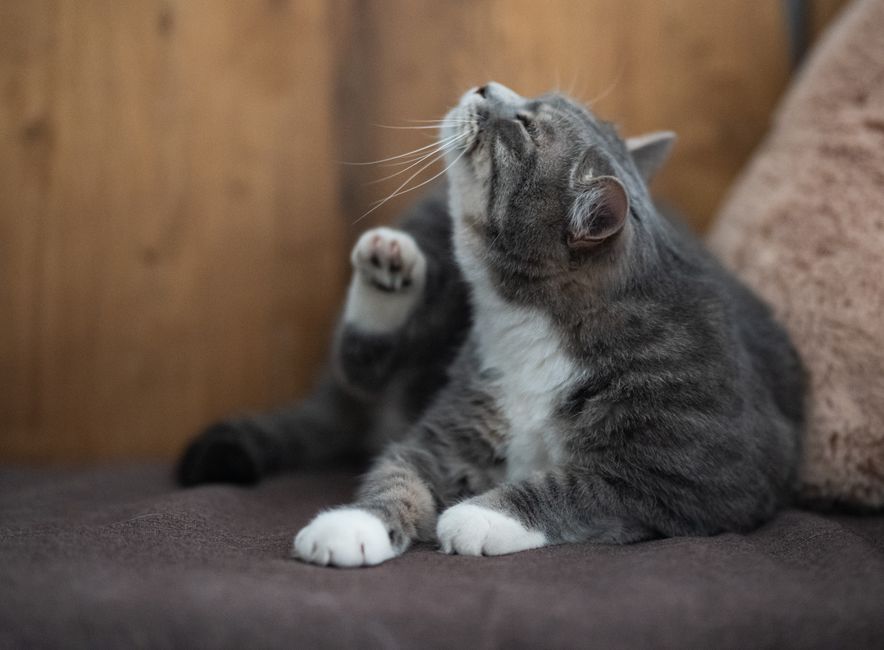
- Excessive scratching of the ears
- Redness or swelling in or around the ear
- A pain reaction when the ear is touched
It’s Not Always Mites
Not every itchy or irritated ear is caused by mites specifically. Ear infections, allergies, yeast overgrowth, skin conditions, and trapped debris can all produce very similar symptoms. This is exactly why a veterinary exam matters before starting treatment — mite-specific medication won’t help if the actual cause is something else, and it can waste valuable time while the real problem goes untreated.
Treatment Options
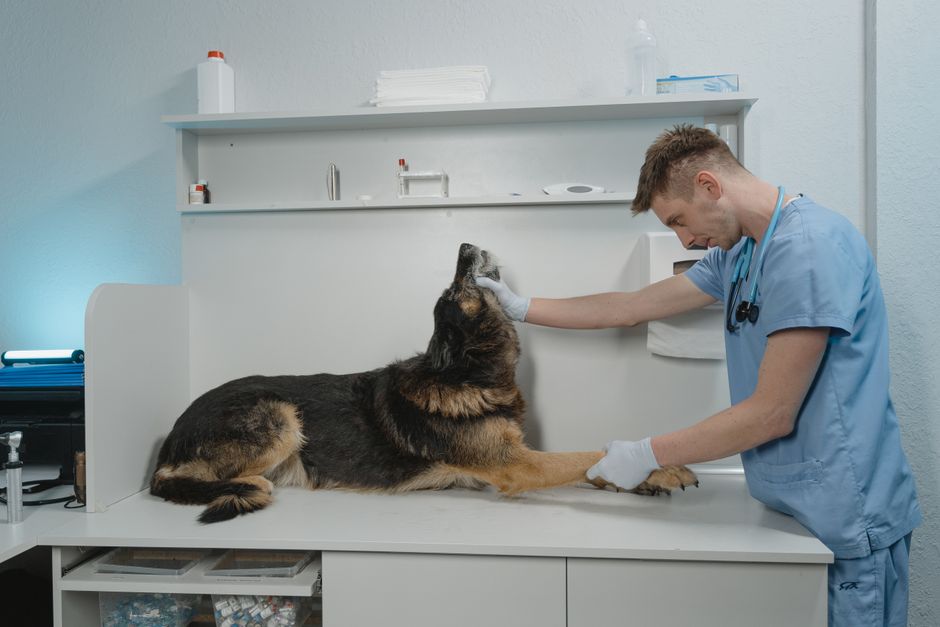
Both systemic and topical treatments are available. Systemic options include selamectin, moxidectin, ivermectin, and milbemycin, while topical drops can be administered directly into the ear canal to kill the mites. Alongside medication, a daily ear cleanser is typically used during treatment to remove excess debris and help the medication work more effectively against the full mite population.
Watch for Secondary Infections
Secondary bacterial infections in the ear canal are common in cats with ear mites, since the constant irritation and scratching can create an opening for bacteria. This is another reason a full veterinary exam matters, rather than treating mites in isolation without checking for a related infection that could need its own separate treatment.
Treat the Whole Household
Most veterinarians recommend treating every pet in the household for mites, even ones showing no symptoms yet. This prevents the parasites from spreading between pets and reduces the risk of an already-treated cat getting reinfected by an untreated housemate a few weeks later.

How Ear Mites Spread
Ear mites are highly contagious between animals through direct contact, which is exactly why a single infested cat in a multi-pet household can quickly become a household-wide problem if left untreated. They spread easily at shelters, catteries, and any environment where cats or other animals share close quarters, which is part of why a newly adopted cat showing symptoms should be evaluated promptly, both for its own health and to prevent spread to any existing pets in the home.
Unlike some parasites, ear mites are generally species-flexible — they can pass between cats, dogs, ferrets, and rabbits, which is exactly why veterinarians recommend treating every pet in a household rather than isolating treatment to just the animal showing obvious symptoms first.
Preventing Reinfestation After Treatment
Completing the full course of prescribed treatment matters even after symptoms visibly improve — stopping early, once a cat seems more comfortable, is one of the most common reasons ear mites return within a few weeks. Bedding, carriers, and any fabric a treated cat regularly contacts are worth washing during the treatment period as well, since mites can survive briefly in the environment and reinfect a cat that’s otherwise successfully cleared the infestation.
For households with multiple pets, treating all animals on the same timeline — rather than staggering treatment as symptoms appear one at a time — meaningfully reduces the chance of a cycle where one untreated pet keeps reinfecting the others.
Diagnosing Ear Mites at the Vet
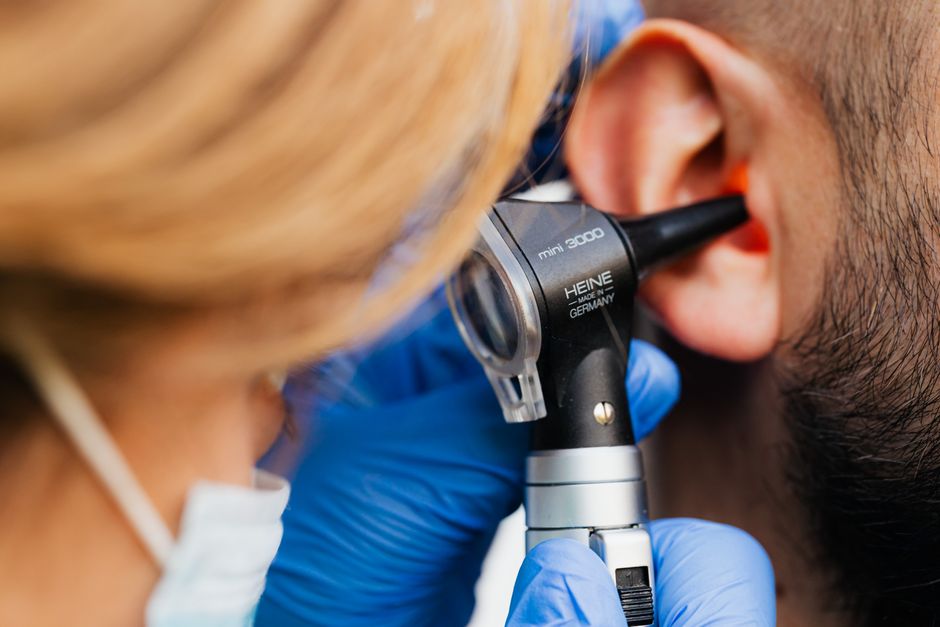
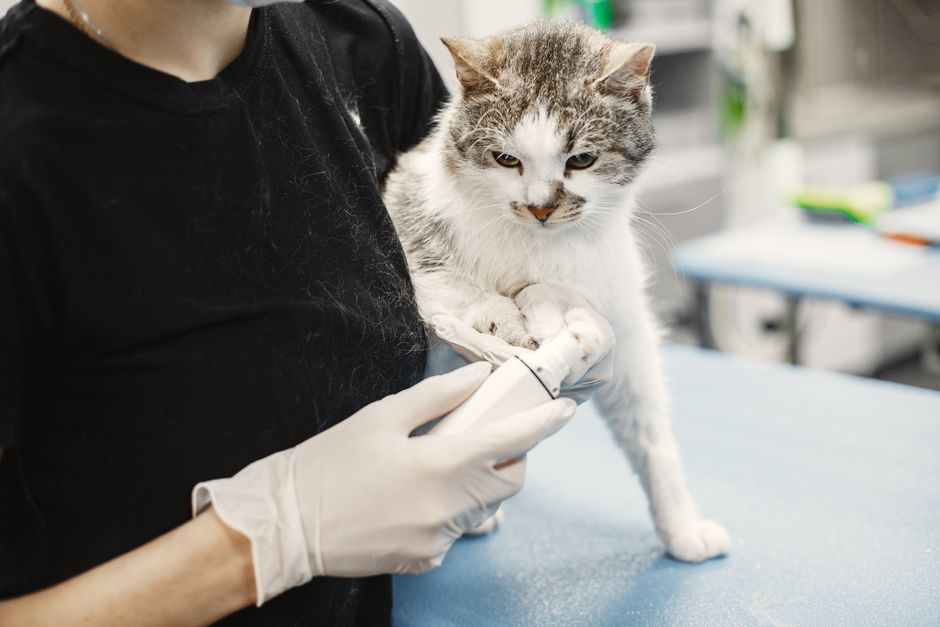
A veterinarian typically diagnoses ear mites by examining ear discharge under a microscope, where the mites themselves — visible as tiny white specks moving in the debris — are directly identifiable, which is exactly why a proper diagnosis matters rather than assuming based on symptoms alone. An otoscope exam of the ear canal itself also lets the vet check for any additional damage, secondary infection, or inflammation that would change the treatment plan.
This diagnostic step is quick and non-invasive, typically completed during a single office visit, and it’s the only reliable way to distinguish ear mites from the other causes of ear irritation mentioned earlier — allergies, yeast, or a bacterial infection — each of which requires a genuinely different treatment approach.
Preventing Ear Mites in the First Place
Routine ear checks as part of regular grooming — a quick look for excess wax, odor, or redness — can catch an ear mite infestation early, before it progresses to the more obvious coffee-grounds discharge and heavy scratching described earlier. Cats that go outdoors or have contact with other outdoor cats are at somewhat higher risk simply due to more opportunities for contact with an infested animal, making periodic ear checks especially worthwhile for households with any outdoor access.
Following Through on the Full Treatment Course
It bears repeating: stopping treatment early once symptoms improve is one of the most common reasons ear mites return within just a few weeks. Set a reminder to complete the entire prescribed course, and schedule a brief follow-up exam with your vet if one is recommended, to confirm the infestation has actually cleared rather than simply gone quiet for the moment.
Frequently Asked Questions
What does ear mite discharge actually look like?
Dark, crusty or waxy discharge that resembles coffee grounds is a classic and common indicator of ear mites, and it’s often the first thing an owner notices before behavioral signs become obvious.
Are all itchy cat ears caused by mites?
No — ear infections, allergies, yeast overgrowth, skin conditions, and trapped debris can all cause similar symptoms. A veterinarian needs to confirm mites specifically before starting mite-specific treatment, since the wrong treatment won’t help and delays proper care.
What treatments are used for ear mites?
Both systemic options (selamectin, moxidectin, ivermectin, milbemycin) and topical drops applied directly into the ear canal are available, often paired with daily ear cleaning to remove debris and help the treatment work more effectively.
Do other pets in the house need treatment too?
Most veterinarians recommend treating all pets in the household, even those without symptoms, since this prevents the mites from spreading further and reduces the risk of reinfecting the treated cat once it’s cleared.
How long does ear mite treatment typically take?
Treatment duration varies by product and severity, but most courses run several weeks to fully clear an infestation and allow the ear to heal completely — following the full prescribed course matters even if symptoms improve early.
Questions About Cat Health?
Cats By The Tracks is happy to help with health and wellness questions for cats adopted through us.