
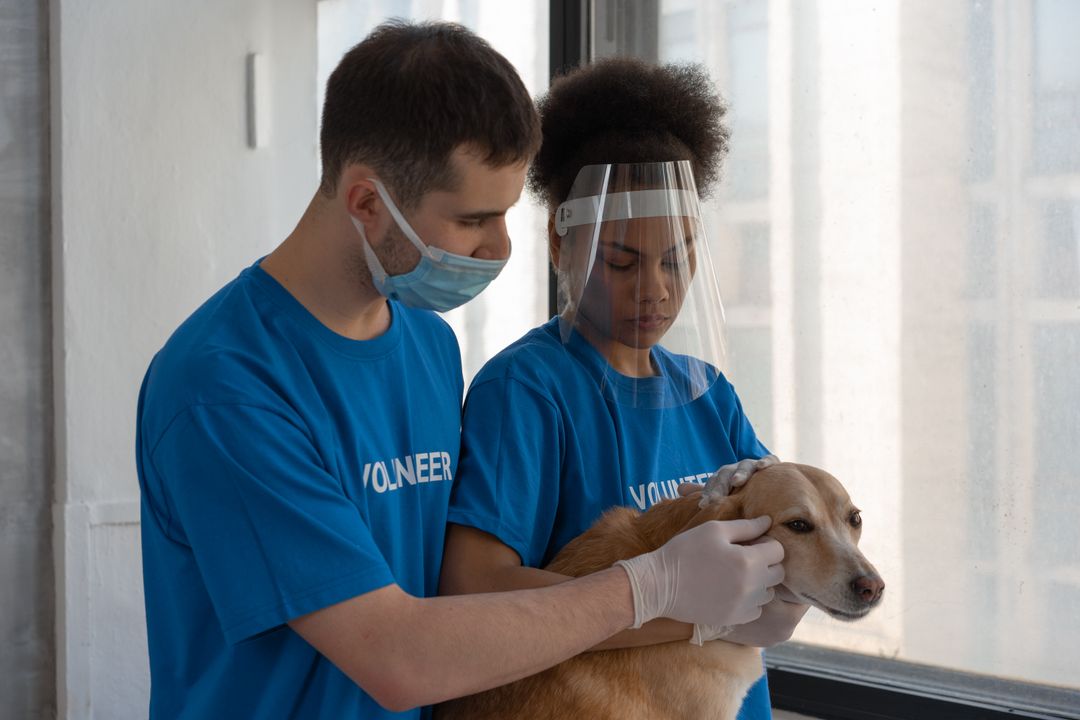
Rescue volunteers are generally careful about the animals and careless about themselves, and the injuries that result are predictable.
This is not about discouraging anyone. It is about the handful of specific risks that are worth taking seriously so the work is sustainable.
Cat bites are the main one
This surprises people, so it goes first: cat bites become infected at a high rate and frequently need antibiotics.
The reason is mechanical. Cat teeth are fine and sharp, and they inject bacteria deep into tissue through a puncture that closes over immediately, sealing the infection inside.
- Bites to the hand and wrist are the most serious, because of tendon sheaths and joints.
- Infection can develop within hours, not days.
- A small puncture that looks trivial is exactly the dangerous presentation.
- Redness, swelling, heat, spreading pain or fever all warrant same-day medical attention.
- Seek medical advice for any bite that breaks skin, particularly on the hand.

Wash immediately with soap and running water for several minutes, encourage bleeding rather than stopping it, and do not close the wound. Then get it seen.
Check your tetanus status is current, and mention it is a cat bite specifically — medical staff treat those differently from other animal bites.
Handling to avoid being bitten
The best safety measure is not needing to be treated.
- Never handle a feral or frightened cat with bare hands.
- Use a towel wrap, a trap divider, or a transfer cage rather than reaching in.
- Never open a trap containing an unsocialised cat.
- Read the animal — flattened ears, dilated pupils and a still, tense body precede a bite.
- Stop before the cat escalates rather than pushing through.
- Ask for help rather than managing a struggling cat alone.
Our guides to reading cat body language and why cats bite cover the warning signals.
Diseases people can catch
Zoonotic risk in cat rescue is real but manageable, and hand hygiene handles most of it.
| Condition | How it transmits | Precaution |
|---|---|---|
| Ringworm | Direct contact, contaminated surfaces | Gloves, wash hands, change clothes |
| Cat scratch disease | Scratches and bites | Clean wounds promptly |
| Roundworm and hookworm | Faecal contamination | Gloves for litter, wash hands |
| Toxoplasmosis | Faecal, mainly from soil and litter | Gloves; specific advice in pregnancy |
| Fleas and mites | Direct contact | Treat animals, wash clothing |
| Rabies | Bites — very rare in cats in the US | Vaccinated animals, report all bites |
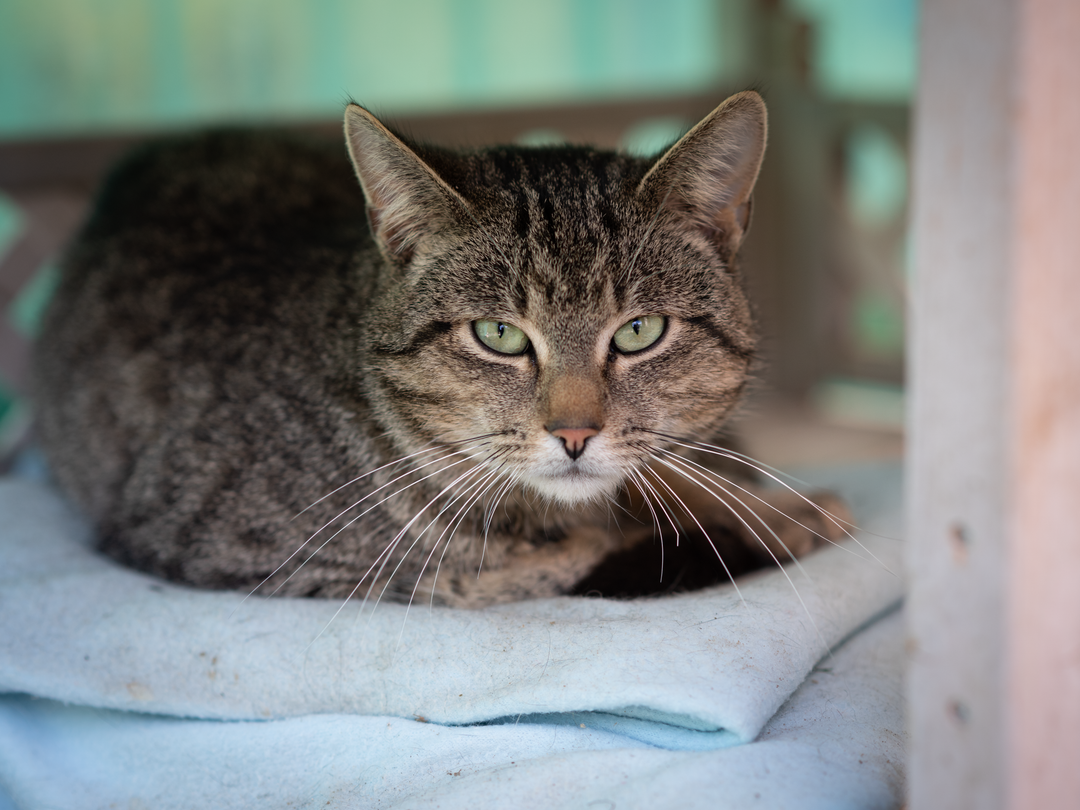
Toxoplasmosis deserves specific mention because of pregnancy. Pregnant volunteers should avoid litter tray duties and take medical advice rather than relying on general reassurance.
Our guides to ringworm in cats and intestinal worms in cats cover the two most relevant in day-to-day rescue work.
ASPCApro publishes professional resources on shelter operations including volunteer safety.
Hygiene practice that actually matters
- Wash hands between animals, not only at the end.
- Keep a dedicated pair of shoes for feeding rounds and shelter work.
- Change clothes before handling your own animals at home.
- Do not eat or drink in animal areas.
- Disinfect traps and carriers between uses.
- Keep your own cats fully vaccinated.
The shoes point is not fussiness. Panleukopenia survives on footwear for months and is how it reaches indoor cats that never go outside.
Our guide to disease in community cat colonies covers what you may be carrying home.
Backs, and the unglamorous injuries
The commonest volunteer injury is not a bite. It is a back or shoulder from lifting traps, litter and food.
A loaded trap is heavier and more awkward than it looks, and it shifts as the cat moves.
- Lift with two hands, close to the body, back straight.
- Use a trolley or sack barrow for litter and food.
- Ask for help with anything awkward rather than managing it.
- Break loads down rather than carrying everything at once.
- Watch footing in the dark — head torch, both hands free.
Trapping happens at night on uneven ground, and trips and falls are common. A head torch is a genuine safety item rather than a convenience.
Working alone
Colony work is frequently solitary, at night, sometimes in isolated locations.
- Tell someone where you are and when you expect to finish.
- Keep a charged phone.
- Avoid confrontations — leave rather than engage with anyone hostile.
- Do not enter private property without permission.
- Trust your judgement about a location and leave if it feels wrong.
Hostility toward colony caretakers is uncommon but real. No cat is worth a confrontation. Our guide to handling neighbour complaints covers de-escalation.
Tell the organisation when something happens
Volunteers under-report injuries, which means patterns go unnoticed and equipment does not get fixed.
Report bites, scratches, falls and near-misses. It is not a complaint; it is how a trap with a failing catch gets replaced before it injures someone else.

Ask what insurance covers volunteers, and whether the organisation has a first aid kit and an incident process. A well-run rescue has answers.
Our guides to burnout in rescue work and donating professional skills cover the wider question of sustaining volunteers.
Trapping safely at night
Colony work happens after dark on uneven ground, and the risks are ordinary rather than exotic.
- Head torch, so both hands are free for traps.
- Sturdy footwear — culverts, holes and debris are the usual hazards.
- Gloves for trap mechanisms, which pinch.
- High-visibility clothing near any road.
- Never carry a loaded trap up or down steps alone.
Our guide to trapping hard-to-catch cats covers technique, and mass trapping covers coordinating a team safely.
Your own animals
The most overlooked safety consideration is what you take home.
Keep your own cats fully vaccinated, change clothes and shoes before contact, and never bring a foster animal into contact with resident pets before quarantine is complete.
Volunteers sometimes see things that go beyond a badly run day. Our guide to what to do when a rescue is failing its animals covers documenting concerns and who to report to.
Frequently Asked Questions
Are cat bites dangerous to people?
Yes, more than most people expect. Fine sharp teeth inject bacteria deep into tissue through a puncture that seals over, and infection can develop within hours. Bites to the hand are the most serious.
What should I do if a cat bites me?
Wash immediately with soap and running water for several minutes, encourage bleeding rather than stopping it, do not close the wound, and seek medical advice — especially for hand bites.
What diseases can rescue volunteers catch from cats?
Ringworm is the commonest, plus cat scratch disease, roundworm and hookworm from faecal contamination, and toxoplasmosis. Hand hygiene and gloves handle most of the risk.
Is toxoplasmosis a concern for pregnant volunteers?
It warrants specific medical advice rather than general reassurance. Pregnant volunteers should avoid litter tray duties and discuss their role with their doctor.
What is the most common rescue volunteer injury?
Not bites — backs and shoulders, from lifting traps, litter and food. A loaded trap is heavier and more awkward than it looks, and it shifts as the cat moves inside it.
Should I report minor injuries to the rescue?
Yes. Volunteers under-report, which means patterns go unnoticed and faulty equipment does not get replaced. Reporting a near-miss is how a failing trap catch gets fixed before it injures someone else.