

Night-time meowing wears people down faster than almost any other cat behaviour, and the usual responses — ignoring it, shutting the cat out, shouting — either fail or make it worse.
The fix depends entirely on the cause, and in older cats the cause is frequently medical.
Cats are not nocturnal
A useful starting point: cats are crepuscular, meaning naturally most active at dawn and dusk rather than through the night.
A cat that is loud at 4am is usually following that dawn pattern, which happens to fall in the middle of your sleep. It is not being deliberately difficult.
The common causes
| Cause | Typical picture | Age group |
|---|---|---|
| Unspent energy | Zoomies, then vocalising for attention | Young and adult |
| Hunger | Yowling near the kitchen, early morning | Any |
| Attention learned | Stops as soon as you get up | Any |
| Boredom | Indoor cat, little daytime stimulation | Any |
| Cognitive decline | Loud, disoriented, often in a different room | Senior |
| Hyperthyroidism | Restless, hungry, losing weight | Older |
| Pain or illness | New behaviour, other changes present | Any |
| Deafness | Very loud, cannot hear own volume | Senior |
| Outside cats | Yowling at windows, sometimes spraying too | Any |
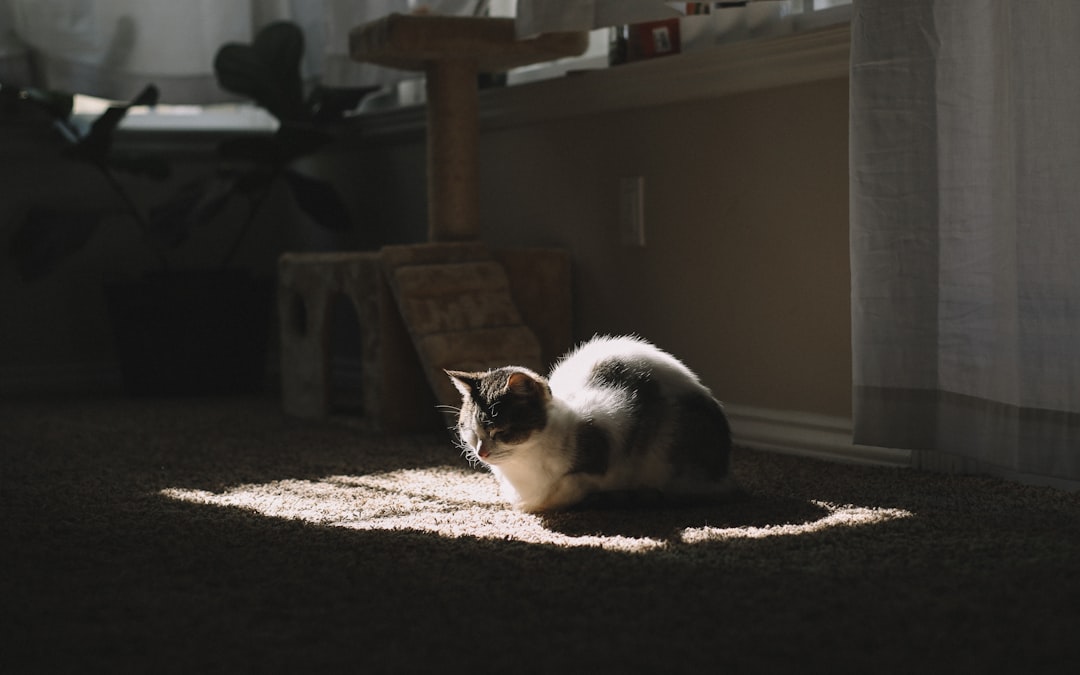
If the cat is young or middle-aged
For most cats under about ten, this is an energy and routine problem, and it is largely solvable.
- Play properly in the evening. Ten to fifteen minutes with a wand toy, letting the cat actually catch it.
- Feed immediately afterwards. Hunt, catch, eat, groom, sleep is the natural sequence.
- Use a timed feeder for an early-morning portion, so the cat stops associating you with breakfast.
- Add daytime enrichment — puzzle feeders, window perches, rotating toys.
- Keep the routine consistent, including at weekends.
The evening play-then-feed sequence is the single highest-value change, and it works because it completes the predatory cycle rather than merely tiring the cat out.
Our guide to playing with your cat properly covers the hunt sequence, and the Ohio State Indoor Pet Initiative covers daytime enrichment.
The attention trap
If getting up, speaking to the cat or feeding it has ever stopped the noise, the behaviour has been reinforced and will continue.
Intermittent reinforcement — responding sometimes — produces the most persistent behaviour of all. Responding one night in five is worse than responding every night.

Breaking it requires complete consistency and an expectation that it gets worse before it improves. That escalation is the cat testing whether the old rule still applies.
Do not shout or spray. Both count as attention, and both damage the relationship without teaching anything.
When it is medical
This is the part that matters most, because night vocalising is a genuine clinical sign in older cats.
A cat that has never done this and suddenly starts — particularly over about ten — needs a vet appointment rather than behavioural management.
- Hyperthyroidism: restlessness and vocalising with weight loss and a big appetite.
- High blood pressure: often secondary to thyroid or kidney disease.
- Cognitive dysfunction: disorientation, loud aimless yowling, often in an empty room.
- Pain: arthritis in particular, worse when settling.
- Deafness: the cat cannot modulate its own volume.
- Failing eyesight: disorientation in the dark.
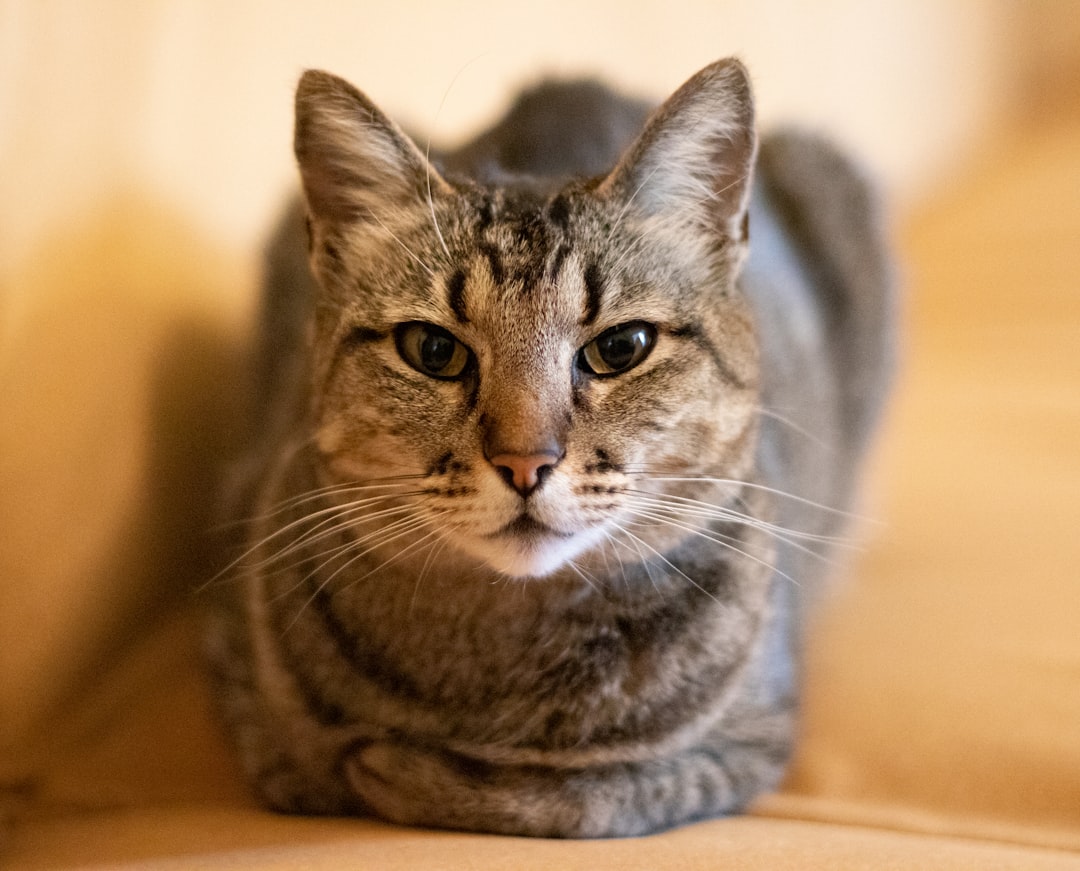
Our guides to hyperthyroidism in cats and arthritis in cats cover the two most commonly missed causes.
Cognitive decline in senior cats
Feline cognitive dysfunction is under-recognised, and night yowling is one of its clearest signs.
The picture is distinctive: loud, prolonged calling in an empty room, often accompanied by disorientation, altered sleep patterns and changed social behaviour.
| What helps | Why |
|---|---|
| Night lights along routes | Reduces disorientation in the dark |
| Keeping furniture and boxes in place | Relies on memory rather than sight |
| Consistent daily routine | Predictability reduces anxiety |
| Litter box on every floor | Shorter, easier journeys |
| Veterinary review | Diet, supplements and medication can help |
| Responding calmly when called | Reassurance rather than reinforcement |
This is one situation where going to the cat is appropriate. A disoriented senior calling in the dark is not manipulating you.
Practical night-time measures
- A timed feeder set for an hour before the usual wake-up call.
- Blackout blinds or frosted film if outside cats are the trigger.
- A litter box and water on the same floor as the cat sleeps.
- A warm, comfortable bed in a settled spot.
- White noise or a closed door — but never lock a distressed senior cat out.
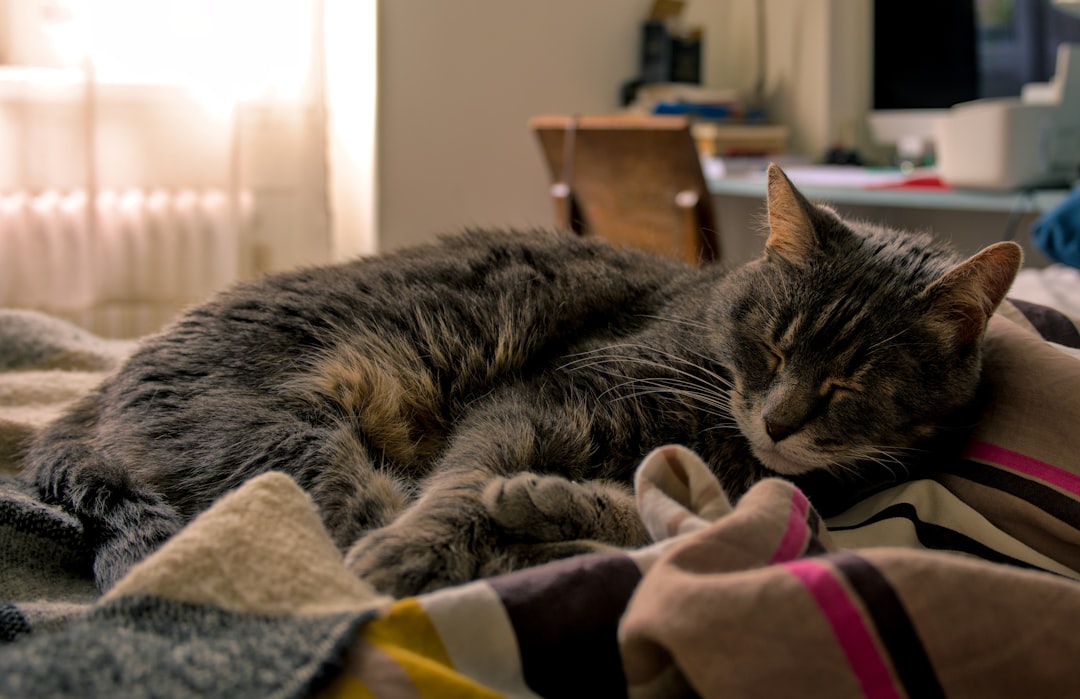
Shutting a cat out of the bedroom works for some households and escalates matters for others. If the cat scratches and yowls at a closed door, it is not the right approach for that cat.
What to expect
For an energy or attention problem in a healthy cat, consistent evening play, a timed feeder and complete consistency usually produce improvement within a fortnight.
For a medical cause, the vocalising is a symptom and it improves when the underlying condition is treated — which is why the vet visit comes first for any older cat.
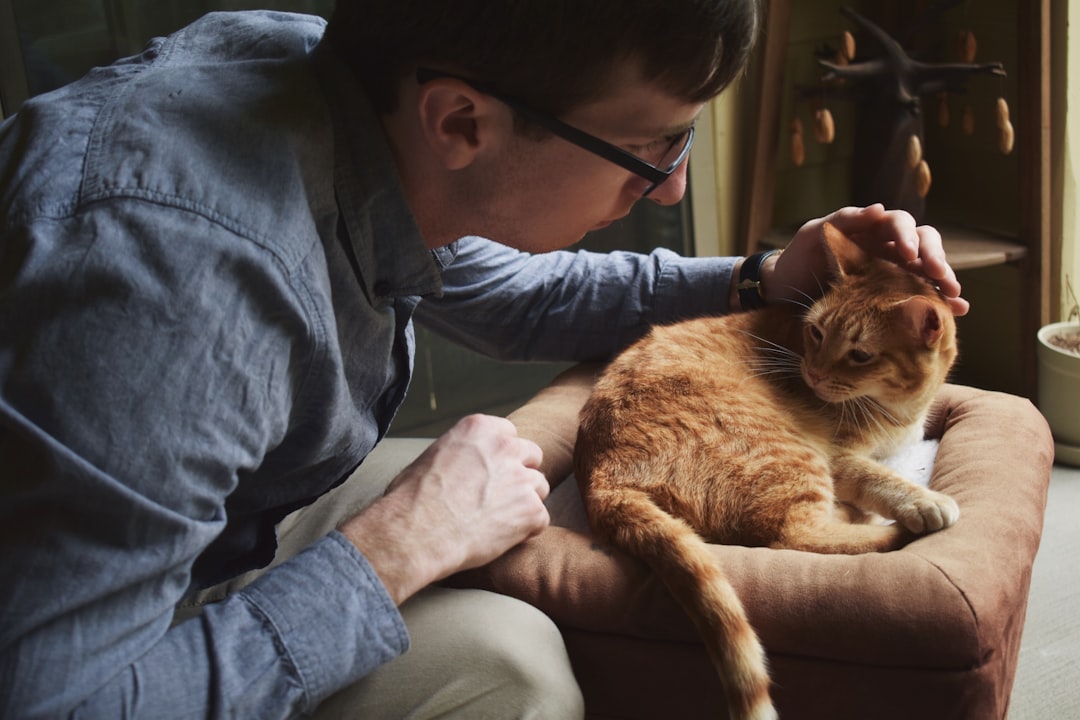
Our guide to how often a cat should see the vet covers senior screening, and adopting a senior cat covers what older cats need generally.
Ruling out hunger properly
Genuine overnight hunger is a real cause and it is easily distinguished from learned attention-seeking.
A cat fed a single evening meal has a long overnight gap. Cats naturally eat many small meals, and twelve hours without food is a long time for a small stomach.
- Split the daily ration into more, smaller meals.
- Set a timed feeder for the early hours.
- Feed the largest portion last thing at night.
- Use a puzzle feeder to extend how long the last meal takes.
- Check the total ration is actually adequate for the cat’s weight.
If a timed feeder stops the noise, it was hunger. If the cat still calls for you, it was attention. That is a genuinely useful diagnostic.
Frequently Asked Questions
Why does my cat meow at 4am?
Cats are crepuscular — naturally most active at dawn and dusk. A 4am cat is usually following that pattern with unspent energy, hunger, or a learned expectation that noise produces attention.
Should I ignore my cat meowing at night?
For a healthy young cat with a learned attention behaviour, yes — but with complete consistency. Responding one night in five is worse than responding every night, and it will escalate before improving.
What is the most effective fix for night-time meowing?
A proper evening play session with a wand toy, followed immediately by a meal. That completes the hunt-catch-eat-sleep sequence, after which most cats groom and settle rather than patrol.
When is night meowing a medical problem?
When it is new, especially in a cat over about ten. Hyperthyroidism, high blood pressure, cognitive dysfunction, pain, deafness and failing eyesight all cause night vocalising and need a vet.
What are the signs of cognitive decline in cats?
Loud prolonged calling in an empty room, disorientation, altered sleep patterns and changed social behaviour. Night lights, consistent routine and a veterinary review all help.
Should I shut my cat out of the bedroom at night?
It works for some households and escalates matters for others. If the cat scratches and yowls at the closed door, it is not right for that cat — and never shut out a distressed senior.