
TNR stands for Trap-Neuter-Return — humanely trapping an outdoor community cat, having it spayed or neutered and vaccinated, marking it with an ear tip, then returning it to where it was found. It’s the most effective method wildlife and veterinary organizations have found for reducing community cat populations without euthanasia. Here’s exactly how it works, and how a Central Valley program like Snip Trip fits into the picture.
What Is a Community Cat?
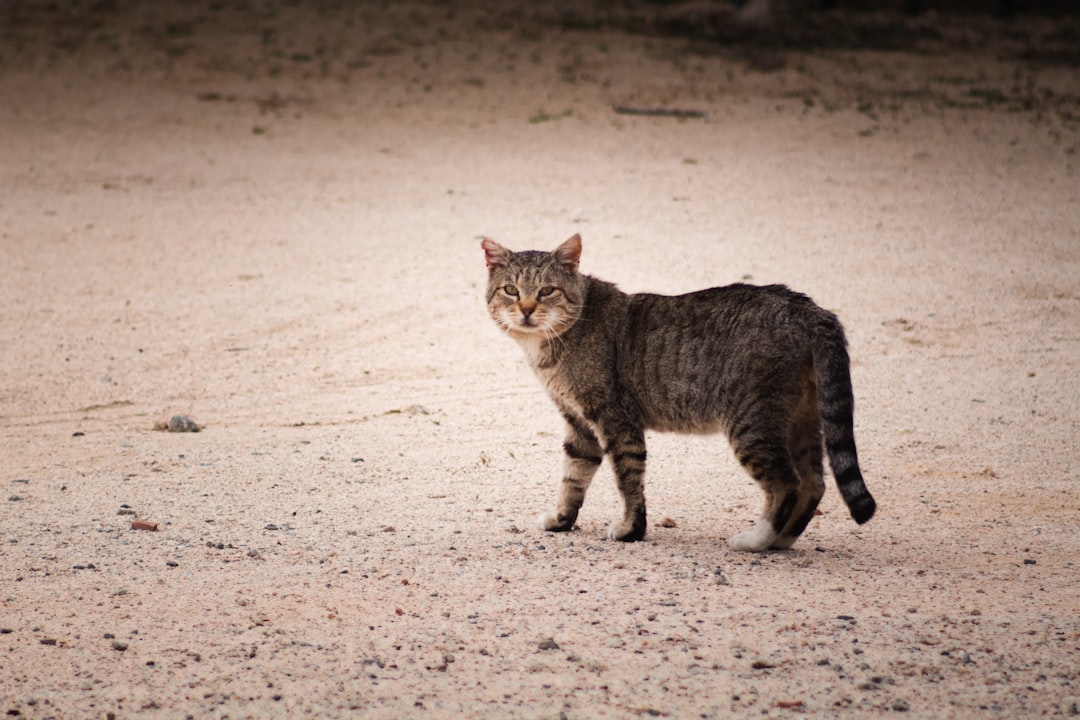
A community cat is an unowned cat living outdoors, usually in a group called a colony. Community cats range across a spectrum — some are feral and avoid people entirely, others are friendly strays that may have once had a home, and many fall somewhere in between. As Neighborhood Cats explains, most colonies form around a reliable food source and often have one or more informal caretakers nearby who feed them, even without formal ownership.
How TNR Works, Step by Step
- Trap: Cats are humanely trapped using box traps designed not to injure the cat.
- Neuter: A veterinarian spays or neuters the cat under general anesthesia, and administers a rabies vaccine.
- Ear-tip: While still under anesthesia, a small, painless portion of one ear is removed as a permanent visual marker.
- Return: Once recovered, the cat is returned to the exact outdoor location where it was trapped.
According to Alley Cat Allies, TNR is widely regarded as the most humane and effective approach to managing community cat populations, since it ends the breeding cycle rather than simply relocating or removing cats from an area.
Why the Ear Tip Matters
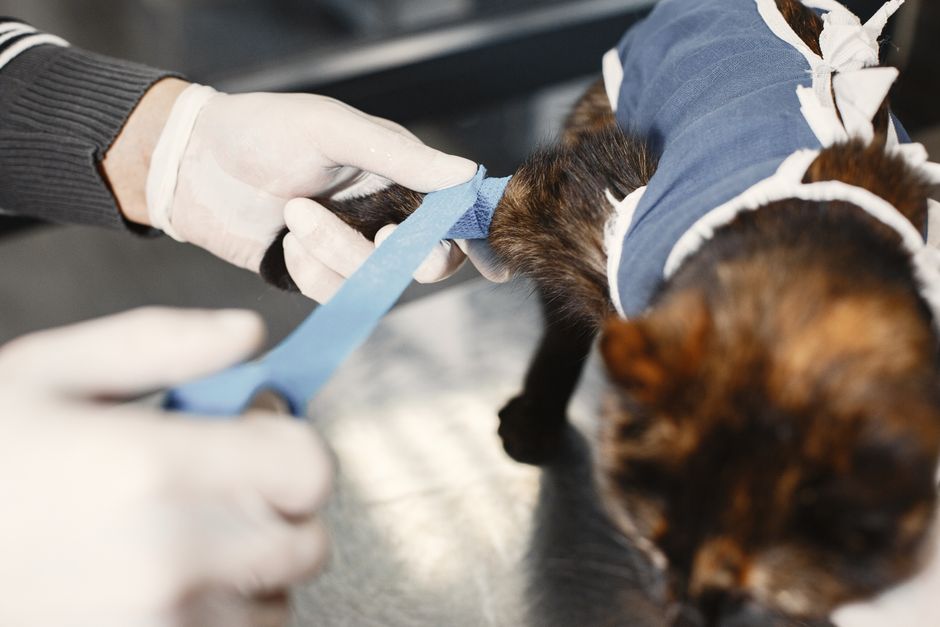
An ear tip is a small, straight-line notch removed from the top of one ear, done during the same surgery as the spay/neuter procedure so it adds no additional pain or recovery time. It exists because community cats can’t be handled to check for a scar or a microchip from a distance — the ear tip is visible on sight, which prevents an already-altered cat from being needlessly re-trapped and put under anesthesia a second time.
Does TNR Actually Work?
| Approach | Effect on Population | Effect on Cats |
|---|---|---|
| TNR | Ends the breeding cycle over time; colony size gradually declines | Cats live out their lives with better health and less fighting/roaming behavior |
| Removal / relocation | Often temporary — new cats move into the vacated territory (“vacuum effect”) | High stress; frequently ends in euthanasia at capacity-limited shelters |
| No intervention | Population grows unchecked, following normal reproduction rates | Overcrowding increases disease spread and kitten mortality |
Communities with sustained TNR programs consistently report fewer community cat complaints, lower shelter intake, and fewer unweaned kittens surrendered during kitten season, since fewer litters are being born outdoors in the first place.
Common Myths About Community Cats
| Myth | Reality |
|---|---|
| “Feral cats should just be relocated.” | Removing cats from a territory triggers the “vacuum effect” — new, unaltered cats move in and the breeding cycle restarts, often making the problem worse. |
| “TNR doesn’t reduce cat populations.” | Sustained TNR programs consistently show declining colony sizes over time, since no new kittens are born once enough of the colony is altered. |
| “Ear-tipped cats are injured or in pain.” | The ear tip is done under the same anesthesia as the spay/neuter surgery — the cat feels nothing extra from it, and it heals quickly. |
| “A friendly stray and a feral cat are the same thing.” | Many community cats are actually lost or abandoned pets that can be re-socialized and adopted, not lifelong feral cats. |
What Does TNR Actually Cost?
Spay/neuter surgery, a rabies vaccine, and the ear-tip procedure together typically run $40 to $80 per cat at a dedicated low-cost or mobile clinic — well below standard private veterinary pricing, since these clinics are built specifically for high-volume, subsidized community cat work. That per-cat cost is exactly why programs like Snip Trip are raising money for a dedicated mobile clinic rather than relying on general veterinary capacity, which is typically priced for owned pets seen one at a time.
Snip Trip: A Mobile Spay/Neuter Clinic for the Central Valley
Access to affordable spay/neuter care is one of the biggest barriers to TNR in areas without a nearby low-cost clinic. Snip Trip is a fundraising initiative run jointly by Cats By The Tracks and Fresno Furry Friends to purchase and operate a mobile spay/neuter clinic that can travel directly to underserved parts of the Central Valley, rather than requiring cats to be transported to a fixed clinic location.
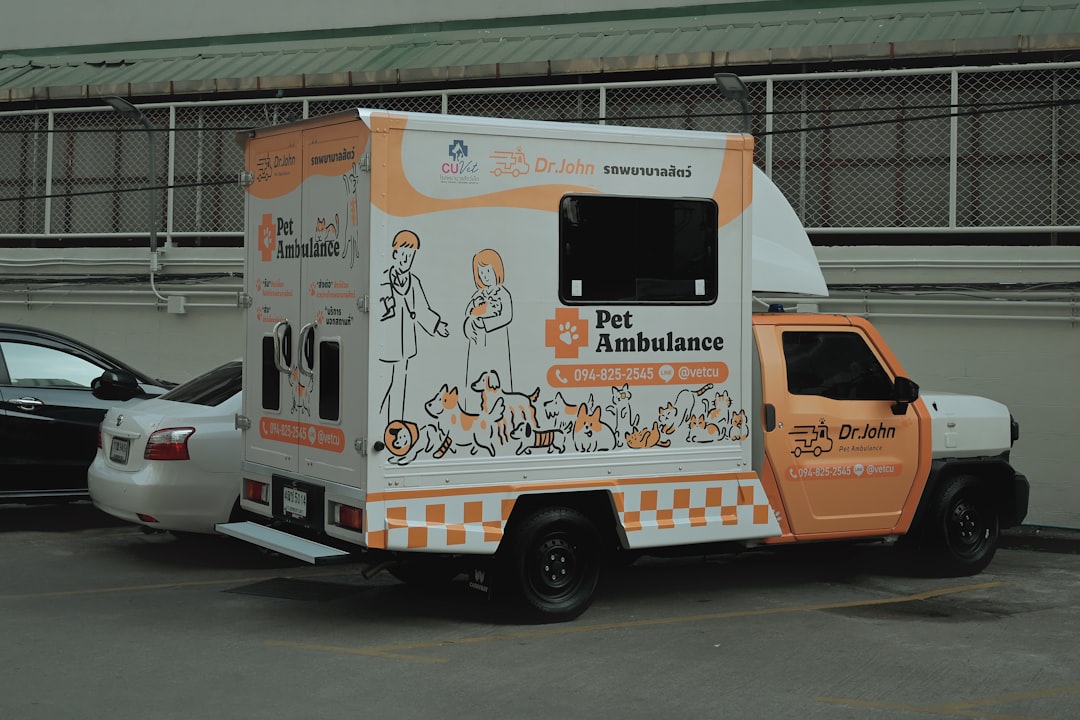
Snip Trip is currently in its fundraising phase, working toward a $100,000 goal to purchase the vehicle and equipment needed to get the clinic on the road. It isn’t an already-operating clinic yet — it’s a capital campaign to build one. Every donation goes directly toward that goal, and you can contribute through the Snip Trip page.
How You Can Help Community Cats Right Now
- Donate to Snip Trip to help fund the Central Valley’s mobile spay/neuter clinic
- If you’re feeding an outdoor colony, contact a local TNR program before it grows further — earlier intervention means fewer kittens born outdoors
- Learn to recognize an ear-tipped cat so you don’t assume it needs to be re-trapped
- Consider fostering friendly strays or kittens found during a TNR trapping effort — not every community cat is feral
- Volunteer your time to help with trapping, transport, or colony monitoring
If a friendly stray or a litter of kittens turns up during a trapping effort, they may be good candidates for adoption rather than return. Our guide to adopting a kitten in Fresno covers what to expect if that’s the situation you find yourself in. And if you’ve just come across a cat and aren’t sure yet whether it’s feral, lost, or truly homeless, see our step-by-step guide on what to do if you find a stray cat.
Frequently Asked Questions
What does TNR stand for?
TNR stands for Trap-Neuter-Return: humanely trapping a community cat, having it spayed or neutered and vaccinated, and returning it to the outdoor location where it was found.
Does TNR hurt the cat?
No. The cat is under general anesthesia for the spay/neuter surgery and the ear tip, which is done at the same time as surgery so the cat feels no additional pain from it specifically.
What is a community cat?
A community cat is an unowned, free-roaming cat that lives outdoors, often in a group called a colony. Community cats range from fully feral to friendly, and may have one or more informal human caretakers who feed them.
What is Snip Trip?
Snip Trip is a fundraising initiative run jointly by Cats By The Tracks and Fresno Furry Friends to purchase and operate a mobile spay/neuter clinic for the Central Valley. It’s currently raising toward a $100,000 goal rather than an already-operating clinic.
Help Bring a Mobile Clinic to the Central Valley
Snip Trip is raising $100,000 to fund a mobile spay/neuter clinic serving Fresno and the surrounding Central Valley. Every donation moves that goal forward.
Leave a Reply