
Feline obesity is common, consequential and routinely unrecognised — largely because an overweight cat looks normal once you are used to seeing it every day.
The scales alone do not settle it either, because breed and frame vary enormously. What works is a hands-on assessment you can do in about a minute.
The three checks
Body condition scoring uses touch and shape rather than weight, and it is more reliable than a number on its own.
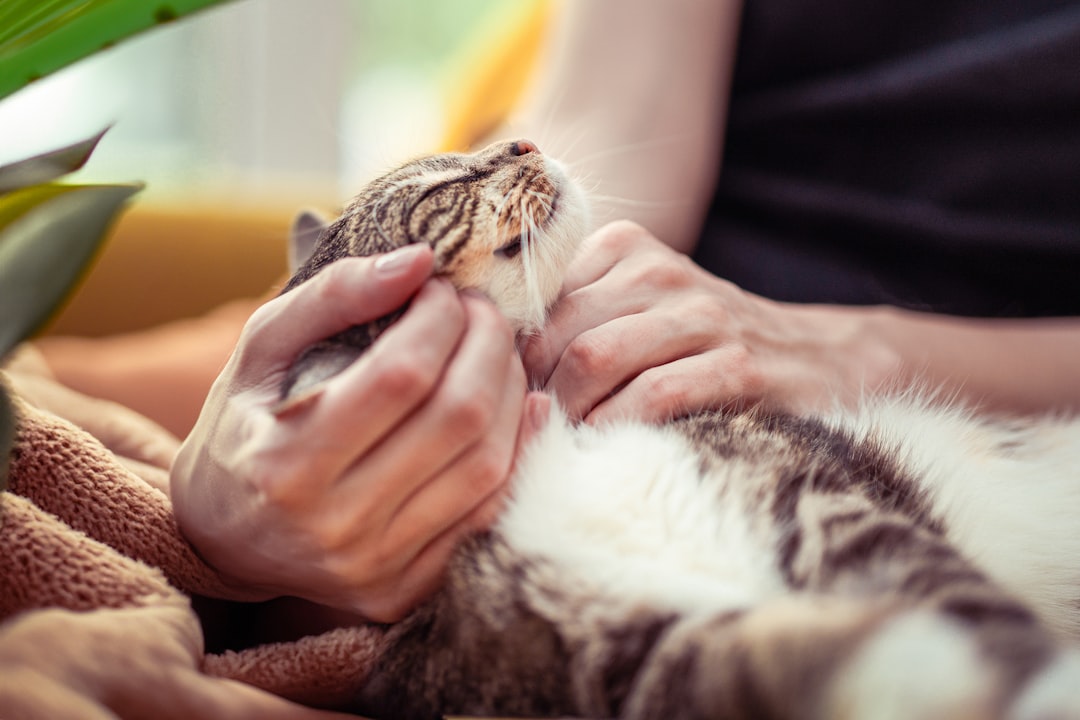
- Ribs. Run your hands along the sides. You should feel ribs easily under a thin layer of fat, like the back of your hand.
- Waist. Look down from above. There should be a visible narrowing behind the ribs.
- Profile. Look from the side. The belly should tuck up slightly, not hang level or sag.
If you cannot feel ribs without pressing, there is no waist from above, and the belly hangs, the cat is overweight regardless of what the scales say.
The scale, roughly
| Condition | Ribs | Waist from above | Belly profile |
|---|---|---|---|
| Underweight | Visible, sharp | Very pronounced | Severe tuck |
| Lean | Easily felt, slight cover | Clear | Definite tuck |
| Ideal | Felt with light pressure | Visible narrowing | Slight tuck |
| Overweight | Hard to feel | Little or none | Flat, no tuck |
| Obese | Cannot feel | None — outward bulge | Hangs, sways when walking |
The World Small Animal Veterinary Association publishes standardised body condition scoring charts that vets use.
The primordial pouch is not fat
Most cats have a loose flap of skin along the lower belly that swings slightly when they walk. This is normal anatomy, present in lean cats, and frequently mistaken for weight gain.
The distinction is that a primordial pouch is loose skin you can pinch and move freely. Body fat feels firmer and is continuous with the flank.
Judge by ribs and waist rather than the pouch, which tells you very little either way.
Why it matters
Excess weight in cats is not cosmetic. It materially shortens life and causes conditions that are expensive and unpleasant to manage.
- Diabetes risk rises substantially with excess weight.
- Arthritis is worsened by carrying additional load.
- Grooming becomes physically difficult, causing coat and skin problems.
- Hepatic lipidosis risk is higher if an overweight cat stops eating.
- Anaesthetic risk increases for any future procedure.
- Urinary problems are more common in inactive, overweight cats.
That fourth point is worth understanding: an overweight cat that stops eating is in more danger than a lean one, because it mobilises more fat to the liver. Our guide to why a cat stops eating covers that risk.
Losing weight safely
Cats must lose weight slowly. Crash dieting a cat is genuinely dangerous and can trigger the liver condition above.
Aim for roughly one to two per cent of body weight per week, and expect the process to take months rather than weeks. Involve your vet before starting.
- Get a starting weight and a target from your vet, not from an internet chart.
- Measure every portion — guessing is how cats gained the weight.
- Switch some dry food for wet, which is less calorie-dense and more filling.
- Feed several small measured meals rather than free-feeding.
- Count treats as part of the daily ration, not extra.
- Weigh monthly and adjust based on actual results.
Our comparison of wet versus dry cat food covers the calorie density difference in detail.
Multi-cat households
This is where most weight-loss plans fail, because one cat eats the other’s food.
| Problem | Practical fix |
|---|---|
| One cat finishes the other’s bowl | Feed in separate rooms, doors closed |
| Free-feeding shared dry food | Switch to measured meals |
| Cannot supervise every meal | Microchip-activated feeder |
| One cat needs weight gain | Feed that cat somewhere high or enclosed |
| Treats given by several people | One person owns the daily allowance |
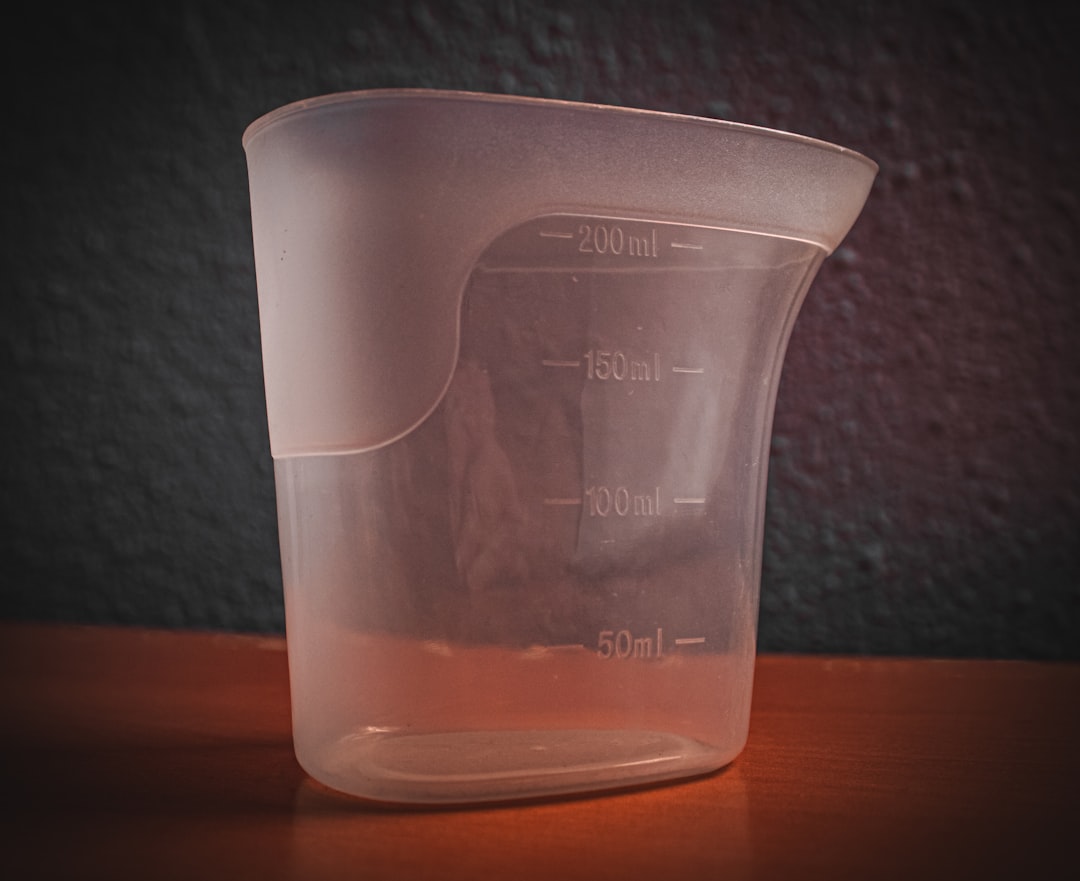
Microchip-activated feeders solve this properly and are worth the cost in a household where one cat is genuinely obese.
Exercise, realistically
You cannot walk a cat off excess weight, and diet does most of the work. But activity helps, and it improves quality of life regardless.
- Two short wand-toy sessions daily, ending with a food reward.
- Puzzle feeders, which add foraging effort to meals.
- Vertical space that encourages climbing rather than lying.
- Moving food bowls upstairs or to a different floor.
- Scattering measured dry portions so the cat hunts for them.
Ending play with food completes the hunt sequence and is far more satisfying to a cat than play alone. Our guide to playing with your cat covers technique.
When weight loss is not the answer
Sudden weight change in either direction warrants a vet visit rather than a diet.
Unexplained weight loss in an older cat frequently indicates hyperthyroidism, kidney disease or diabetes. Rapid gain can indicate fluid retention rather than fat.
Our guide to how often a cat should see the vet covers what routine monitoring should include, and the annual cost of owning a cat covers budgeting for it.
Preventing weight gain in the first place
It is far easier to hold a cat at a healthy weight than to reduce it afterwards, and the risk points are predictable.
| Life event | Why weight often increases |
|---|---|
| After neutering | Energy requirement drops; portions rarely do |
| Moving indoors | Activity falls sharply |
| Reaching adulthood | Kitten growth formula continued too long |
| A new household member | Multiple people feeding, nobody counting |
| Winter months | Less activity, same portions |
| Middle age | Metabolism slows gradually |
Neutering is the single biggest one. Energy requirements fall meaningfully afterwards, and most households continue feeding exactly as before.
Weigh monthly and write it down. A cat gaining slowly over two years is invisible day to day and obvious in a column of figures. Our guide to how often a cat should see the vet covers what else to monitor.
Frequently Asked Questions
How can I tell if my cat is overweight?
Use three checks: you should feel ribs easily under a thin fat layer, see a narrowing waist when looking down from above, and see a slight belly tuck from the side. Failing all three means overweight.
Is the hanging belly flap on my cat fat?
Usually not. Most cats have a primordial pouch — loose skin along the lower belly that swings when they walk. It is normal anatomy present in lean cats. Judge by ribs and waist instead.
How quickly should a cat lose weight?
Slowly — roughly one to two per cent of body weight per week, over months. Rapid weight loss in cats can trigger hepatic lipidosis, a serious liver condition, so involve your vet first.
Why does cat obesity matter?
It substantially raises the risk of diabetes, worsens arthritis, makes grooming physically difficult, increases anaesthetic risk, and makes hepatic lipidosis more dangerous if the cat stops eating.
How do I diet one cat in a multi-cat home?
Feed in separate rooms with doors closed, switch from free-feeding to measured meals, or use a microchip-activated feeder. Also make one person responsible for the daily treat allowance.
Can exercise alone make a cat lose weight?
No. Diet does most of the work, since you cannot exercise a cat the way you would a dog. Play and puzzle feeders help and improve quality of life, but measured portions are what actually reduce weight.