
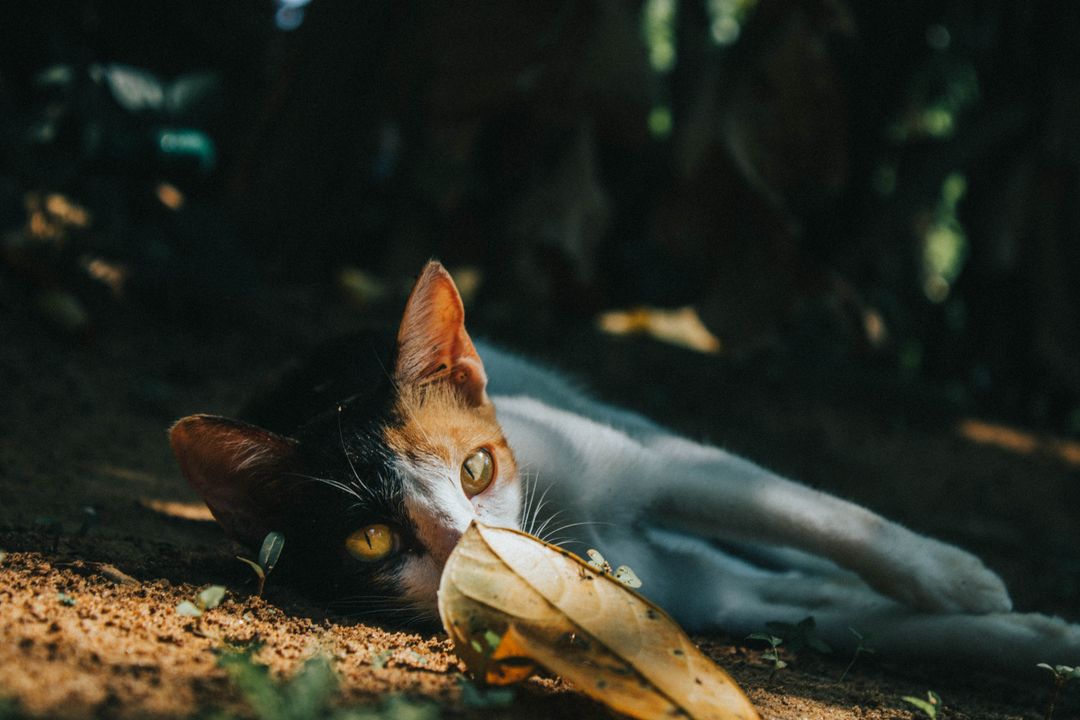
Special needs cats wait longest in rescue, and usually for the wrong reason. Adopters imagine constant crisis management, when most of these cats need a routine rather than a rescue mission.
Some genuinely do require significant commitment. The honest answer depends entirely on which condition, and that distinction gets lost in the general category.
What “special needs” actually covers
It is a broad label spanning conditions that differ enormously in what they demand from you.
| Condition | Daily care needed | Ongoing cost | Adapts well? |
|---|---|---|---|
| Blindness | Almost none once settled | Minimal | Extremely well |
| Deafness | Indoor-only living | Minimal | Extremely well |
| Missing limb | Almost none | Minimal | Very well |
| FIV positive | Indoor life, vet monitoring | Low to moderate | Very well |
| Diabetes | Twice-daily insulin, fixed times | Moderate to high | Well, with routine |
| Chronic kidney disease | Diet, fluids, monitoring | Moderate to high | Variably |
| Cerebellar hypoplasia | Environment adaptation | Low | Very well |
| Megacolon or IBD | Medication, diet, monitoring | Moderate to high | Variably |
The first half of that table describes cats that, after a settling-in period, live essentially ordinary lives. The second half requires genuine daily commitment.
The ones that are easier than people think
Blind cats
Cats navigate primarily by whisker, scent and memory rather than sight. A blind cat in a stable home learns the layout within weeks and moves confidently.
The requirements are modest: keep furniture in consistent positions, do not leave obstacles in walkways, and keep the cat indoors.
Deaf cats
Deafness requires almost no accommodation beyond indoor-only living, since a deaf cat cannot hear traffic or approaching danger.
Many deaf cats respond well to hand signals and floor vibration, and owners frequently forget the cat is deaf at all.
Three-legged cats
Cats compensate for a missing limb remarkably quickly. Most run, jump and climb within weeks, and need only a slightly lower litter box entry and some weight management.
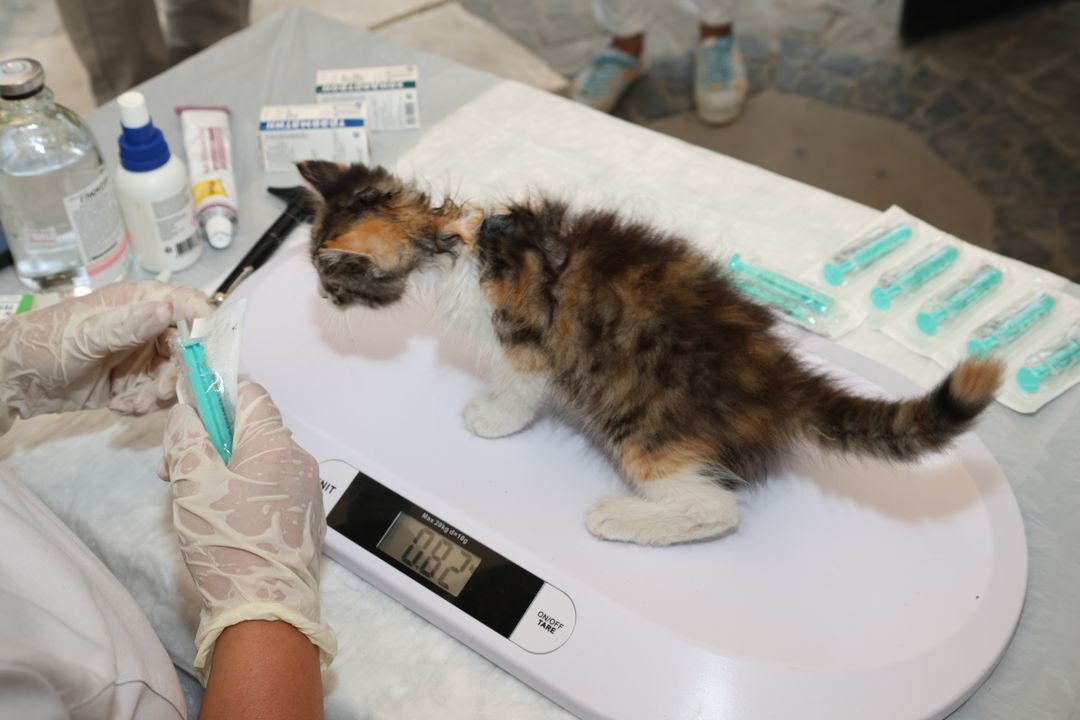
These cats are frequently overlooked purely because of the label. Our piece on helping a shy shelter cat covers another group that waits unnecessarily long.
The ones that need real commitment
Diabetes and chronic kidney disease are the two most common conditions that genuinely change your life, and they deserve straight description.
Diabetic cats
Insulin twice daily, roughly twelve hours apart, essentially without exception. That constrains holidays, long days out and anyone with an irregular schedule.
Costs include insulin, syringes, prescription diet and periodic glucose monitoring. Many diabetic cats do go into remission with good management, which is worth knowing.
Chronic kidney disease
Typically a prescription diet, regular bloodwork, and often subcutaneous fluids given at home — which sounds daunting and which most owners learn within a week.
It is a progressive condition, so the trajectory is downward over time. Adopting one of these cats means accepting that from the start.
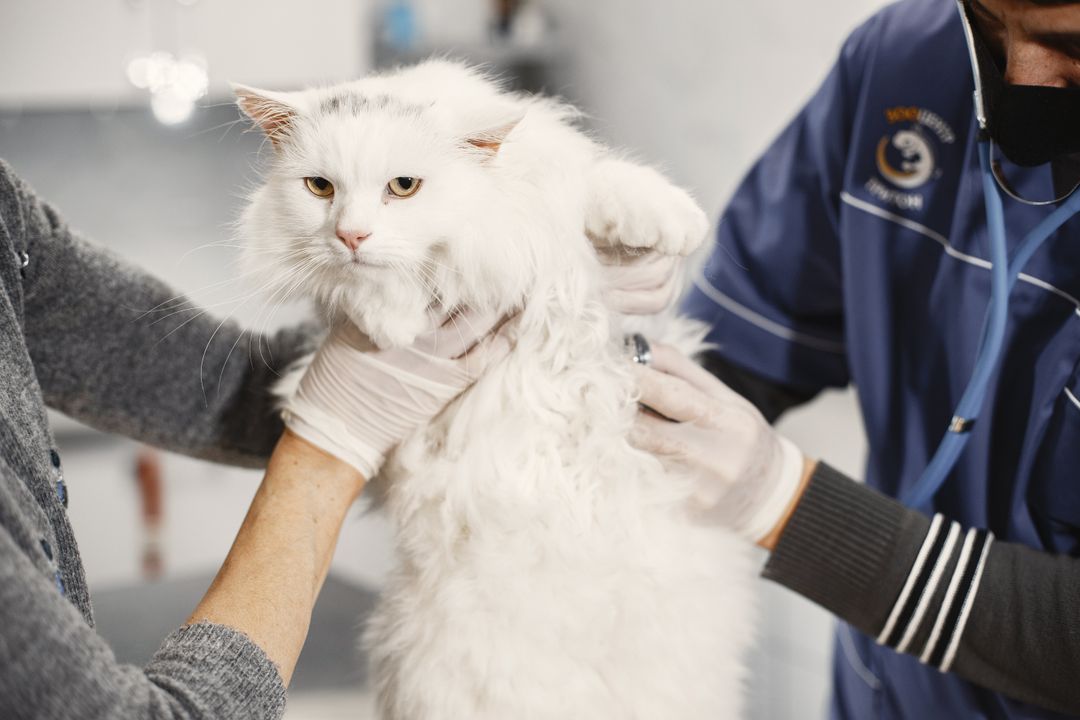
The Merck Veterinary Manual pet owner section covers these conditions in clinical detail. Treat anything here as orientation for a conversation with your own vet rather than a substitute for one.
The financial question, honestly
This is what stops most people, and vagueness helps nobody.
- Ask the rescue for the actual monthly cost as currently managed.
- Ask what the last twelve months of veterinary spending looked like.
- Ask what the realistic worst case is, not just the current state.
- Check whether the rescue subsidises ongoing costs — some do.
- Confirm whether insurance is possible; most pre-existing conditions are excluded.
Insurance is the key limitation. A condition diagnosed before you adopt will almost always be excluded, so budget for it directly rather than assuming cover.

Our assessment of whether pet insurance is worth it for cats covers what is and is not typically covered.
What rescues can offer
Many rescues actively support special needs placements because they know the barrier is confidence as much as cost.
- Reduced or waived adoption fees.
- Ongoing subsidy of medication or prescription diet.
- Training in practical skills such as giving injections or fluids.
- A direct line for questions rather than a general enquiry form.
- A guarantee to take the cat back if circumstances change.
Ask about all five. They are frequently available and rarely advertised.
Is this right for you?
A few honest questions answer this better than enthusiasm does.
| Question | If the answer is no |
|---|---|
| Can you medicate at fixed times daily? | Avoid diabetes; consider blindness or deafness |
| Can you absorb an unpredictable vet bill? | Ask about subsidised placements |
| Is your schedule stable? | Choose a condition needing monitoring, not dosing |
| Are you comfortable with a shortened lifespan? | Consider a stable lifelong condition instead |
| Do you have backup care for holidays? | Arrange it before adopting, not after |

Backup care is the one people forget. A cat needing twice-daily insulin cannot be left with a neighbour who feeds it once.
What you get in return
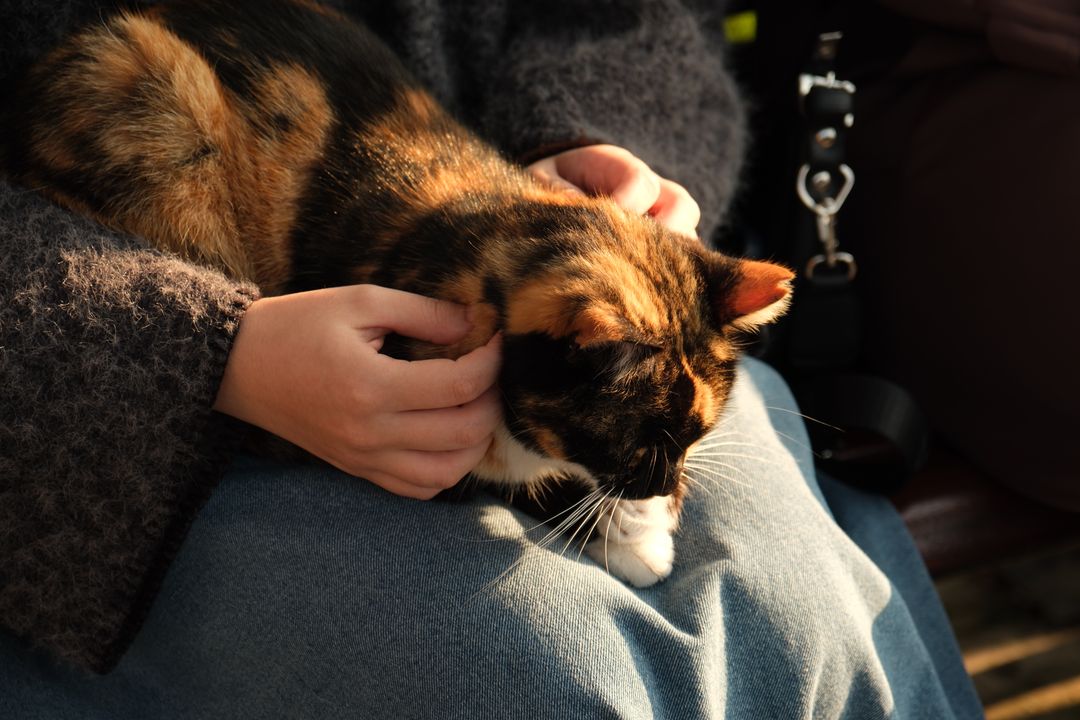
Adopters of special needs cats report unusually strong bonds, and the practical reason is simple: daily hands-on care builds attachment quickly in both directions.
These cats also tend to be exceptionally well documented. A rescue that has managed a chronic condition for a year knows that cat thoroughly.
Our guide to adopting an FIV or FeLV positive cat covers the most misunderstood diagnosis in this category, and adopting a senior cat covers another group that waits far longer than it should.
Our adoption page lists cats currently in foster care, including those needing a little more.
The first month with a special needs cat
Settling in follows the usual pattern, with one addition: you are also learning a care routine while the cat is still adjusting.
- Get the full medical history in writing before collection, not verbally.
- Book your own vet within the first week to establish a baseline.
- Keep medication times fixed from day one rather than easing into them.
- Write the routine down so anyone else in the household can follow it.
- Ask the rescue what they have already tried that did not work.
That last question saves considerable time. A rescue that has managed the condition for months knows which approaches the cat resists.
Set up somewhere quiet and accessible — low-sided litter trays, easy access to food and water, and no need to jump. Our checklist for preparing your home before adoption covers the general setup, and the first 30 days with a new cat covers the adjustment timeline.
Two conditions in that table deserve their own treatment. Our guides to kidney disease in cats and feline diabetes cover what daily management actually involves.
Frequently Asked Questions
What counts as a special needs cat?
A broad label covering blindness, deafness, missing limbs, FIV, diabetes, kidney disease, cerebellar hypoplasia and chronic digestive conditions. What they require varies enormously between conditions.
Are blind cats hard to look after?
Generally no. Cats navigate mainly by whisker, scent and memory, so a blind cat learns a stable home layout within weeks. Keep furniture consistent, walkways clear and the cat indoors.
How much does a diabetic cat cost to manage?
Ask the rescue for actual current figures. Expect insulin, syringes, prescription diet and periodic glucose monitoring. Many diabetic cats do achieve remission with consistent management.
Will pet insurance cover a pre-existing condition?
Almost never. A condition diagnosed before you adopt will typically be excluded, so budget for it directly rather than assuming insurance will cover the ongoing costs.
Do rescues help with special needs cats after adoption?
Often, though it is rarely advertised. Ask about reduced fees, ongoing medication subsidy, practical training in injections or fluids, and a direct contact for questions.
What is the hardest part of adopting a special needs cat?
Usually the schedule rather than the cost. Twice-daily medication at fixed times constrains holidays and long days out, so arrange backup care before adopting rather than afterwards.