
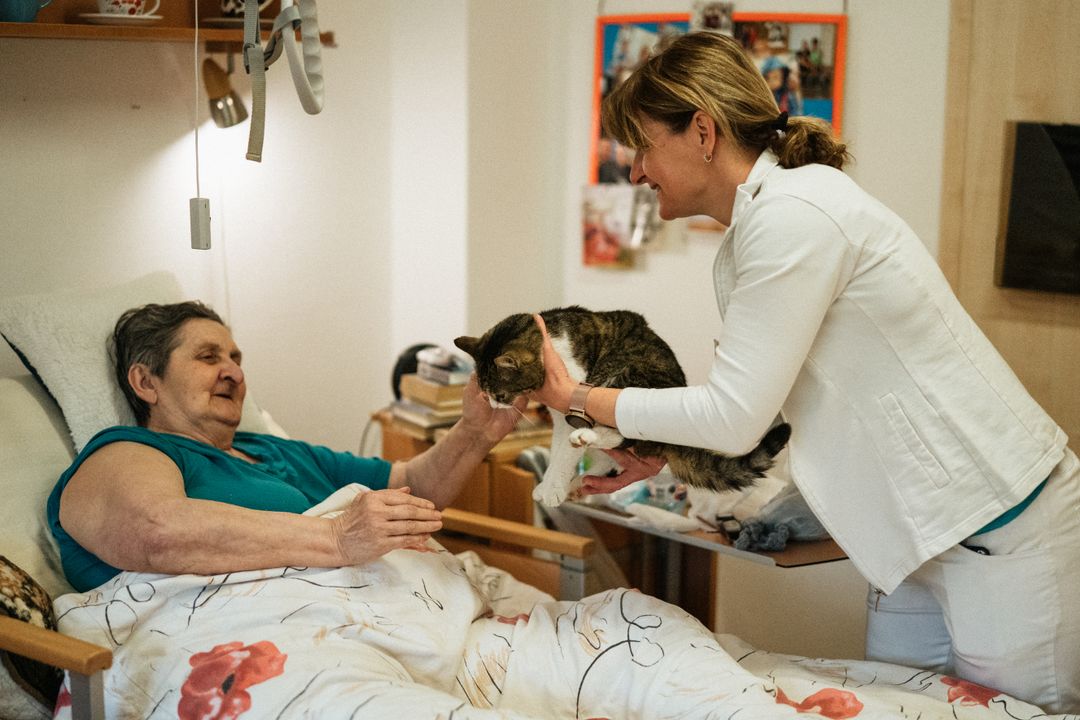
Most cat owners assume a family member would take the cat. Shelters take in animals every week because that assumption turned out to be wrong.
When an owner dies or becomes unable to provide care, an unplanned pet frequently goes to a shelter — often an older cat, at the point in its life when it is hardest to rehome.
Planning for this takes an afternoon, and the practical parts cost nothing.
Why informal promises fail
“My sister said she would take him” is the most common plan, and it fails for predictable reasons.
- The person agreed years ago and circumstances have changed.
- They now rent somewhere that does not allow pets.
- They have developed an allergy, or their own pets would not accept a newcomer.
- Nobody else knows about the arrangement, so it is never activated.
- A verbal promise carries no legal weight and no funding.

The gap is usually not willingness. It is that nobody wrote anything down, nobody else knew, and no money was attached.
The three levels of planning
| Level | What it covers | Effort | Enforceable? |
|---|---|---|---|
| Emergency card and contacts | Sudden hospitalisation | Minutes | No, but immediate |
| Named caregiver plus written instructions | Short and medium term | An hour | Not legally |
| Provision in a will | After death | Solicitor visit | Yes, but slow |
| Pet trust | Funded, ongoing care | Solicitor visit | Yes, with oversight |
Most people need the first two immediately and should consider the third. The fourth matters most for cats with medical needs or owners without obvious family.
Start with the free part
Do this today. It costs nothing and covers the most likely scenario, which is a sudden hospitalisation rather than death.
- Carry a card in your wallet naming your cat, its location and two emergency contacts.
- Put a notice inside a kitchen cupboard stating how many animals are in the home.
- Give a trusted neighbour a key and tell them what is inside.
- Write one page of care instructions: food, medication, vet, quirks.
- Make sure at least two people know where that page is kept.
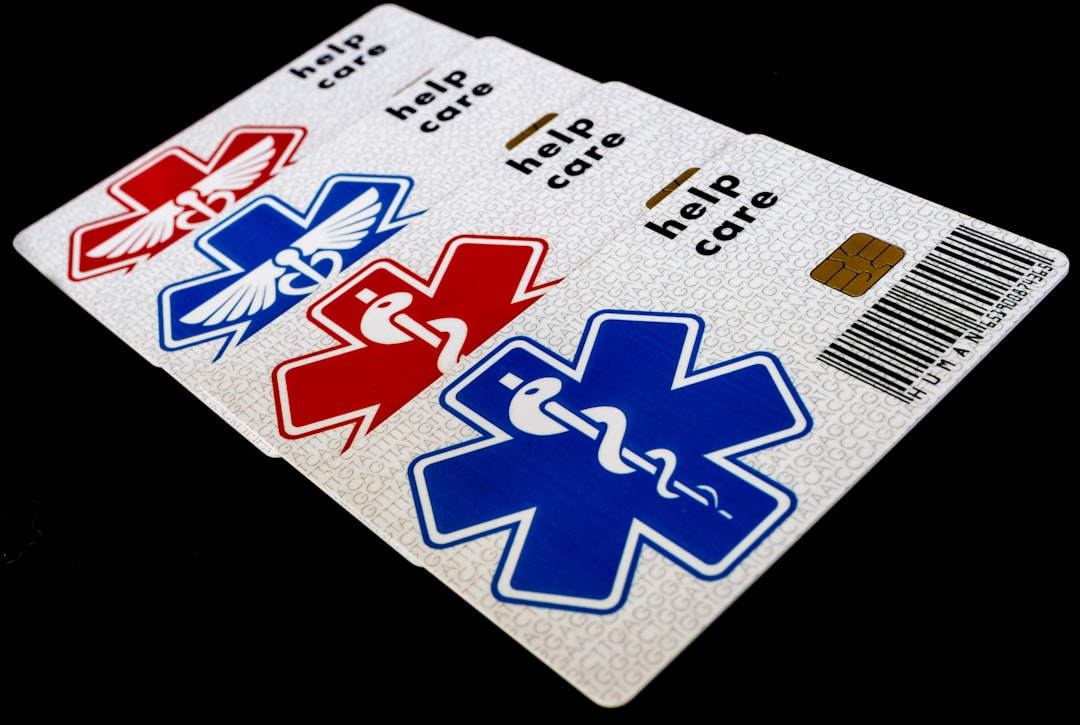
A cat alone in a locked house is the failure mode this prevents, and it is far more common than people realise.
Choosing a caregiver properly
Ask rather than assume, and ask specifically. “Would you take Milo if something happened to me?” deserves a real conversation rather than a polite yes.
Name a backup as well. First choices move, develop allergies and change circumstances more often than plans get updated.
Discuss money openly. Someone willing to take a cat may not be able to absorb a chronic medical condition, and saying so is not a refusal.
Wills and pet trusts
A will can direct who receives your cat and can leave money for its care, but wills take time to go through probate — and the cat needs feeding immediately.
A pet trust is designed for exactly this. It funds care, names a caregiver and a separate trustee to oversee the money, and takes effect without waiting for probate.
| Feature | Will | Pet trust |
|---|---|---|
| Takes effect | After probate | Immediately, or on incapacity |
| Covers incapacity, not just death | No | Usually yes |
| Funds ongoing care | Lump sum only | Yes, managed over time |
| Oversight of the money | Limited | Trustee monitors caregiver |
| Detailed care instructions | Rarely | Yes |
| Cost to set up | Lower | Higher |
Rules vary by state, so this is a conversation for a qualified estate attorney rather than an article. The American Bar Association publishes general estate planning resources and can point you toward local guidance.
Treat everything here as orientation for that conversation, not as legal advice.
How much to leave
Over-funding a pet trust invites challenges from relatives; under-funding leaves a caregiver out of pocket.
A reasonable approach is to estimate annual costs, multiply by realistic remaining life expectancy, and add a margin for a medical event.

Our breakdown of what a cat costs per year gives a defensible starting figure, and whether pet insurance is worth it covers the medical variable.
Naming a rescue as a fallback
If you have no obvious caregiver, some rescues and sanctuaries operate guardianship programmes that accept an animal on an owner’s death, usually alongside a bequest.
Arrange it in advance rather than naming an organisation in a will and hoping. Programmes have capacity limits and specific requirements.
Our guide to legacy giving and estate planning for animal rescue covers supporting a rescue through your estate more broadly.
Keep the paperwork usable
A plan nobody can find is not a plan. Whatever you set up, make it easy to locate and act on.
- Keep care instructions somewhere obvious, not in a safe deposit box.
- Update the document whenever the vet, medication or caregiver changes.
- Confirm the microchip registration lists a second contact.
- Review the whole arrangement annually — put it with your tax paperwork.
- Tell more than one person the plan exists.
Microchip records are the most commonly overlooked item. Our guide to how cat microchips work and why registration matters covers adding a second contact.
If you are arranging care because you can no longer keep a cat now rather than later, our guide to rehoming a cat in Fresno covers the options in order.
Planning for incapacity, not just death
Most planning focuses on what happens after death, but temporary incapacity is far more likely and far less prepared for.
A hospital stay of a few weeks leaves a cat needing daily care immediately, with no legal process yet triggered and often nobody holding a key.
- Give a spare key to someone who lives nearby, not only to distant family.
- Write down feeding amounts, medication and the vet’s details in one place.
- Name a short-term carer separately from your long-term choice — they need not be the same person.
- Consider a durable power of attorney that explicitly covers animal care.
- Keep enough food and litter in the house that a carer is not immediately shopping.
A pet trust can usually be drafted to take effect on incapacity as well as death, which closes exactly this gap. It is worth raising specifically when you speak to an attorney.
Our guide to alternatives to surrendering a cat covers temporary fostering arrangements that can bridge a medical crisis.
Frequently Asked Questions
What happens to a cat if its owner dies?
Without a plan, frequently a shelter — often an older cat at the hardest point to rehome. Informal promises fail because circumstances change, nobody else knows, and no funding is attached.
What is a pet trust?
A legal arrangement that funds a pet’s care, names a caregiver and a separate trustee to oversee the money. Unlike a will, it can take effect immediately and can cover incapacity as well as death.
Is a will enough to provide for my cat?
Partly. A will can direct who receives the cat and leave money, but it only takes effect after probate — and the cat needs feeding immediately. A pet trust or interim arrangement covers that gap.
How much money should I leave for my cat’s care?
Estimate annual costs, multiply by realistic remaining life expectancy and add a margin for a medical event. Over-funding can invite challenges from relatives, so keep the figure defensible.
What can I do right now for free?
Carry a wallet card naming your cat and two emergency contacts, post a notice inside a cupboard stating how many animals are in the home, and write one page of care instructions two people can find.
Can I leave my cat to an animal rescue?
Some rescues and sanctuaries run guardianship programmes, usually alongside a bequest. Arrange it in advance rather than naming an organisation in a will, since programmes have capacity limits.