

If you’re considering giving up a cat, you’re not alone, and it doesn’t make you a bad owner. But a shelter surrender is often not the first or best option — per Better Together Animal Alliance, housing changes, cost, behavior issues, and allergies (the most common reasons cats are given up) frequently have a fix that lets you keep the cat, or at least a gentler path than a shelter intake. Here’s what’s worth trying first.
Why People Give Up Cats — And What Often Has a Fix
| Common Reason | Worth Trying First |
|---|---|
| Housing change / moving | Pet-friendly housing search, temporary boarding, asking the new landlord directly |
| Cost of food, litter, or vet care | Pet food banks, low-cost vet clinics, payment plans, veterinary financial assistance programs |
| Behavior problems (litter box, scratching, aggression) | A vet visit to rule out medical causes, then a trainer or behaviorist consult |
| New baby or allergies in the household | Allergy management strategies, a trial separation period before deciding it’s permanent |
| Time constraints (new job, long hours) | A part-time pet sitter, a friend or family member sharing care temporarily |
Step 1: Rule Out a Medical Cause
If the issue driving this decision is a behavior problem — litter box avoidance, aggression, excessive vocalizing — start with a vet visit before assuming it’s a permanent personality trait. Many behavior issues that look intractable are actually pain or illness the cat has no other way of communicating.
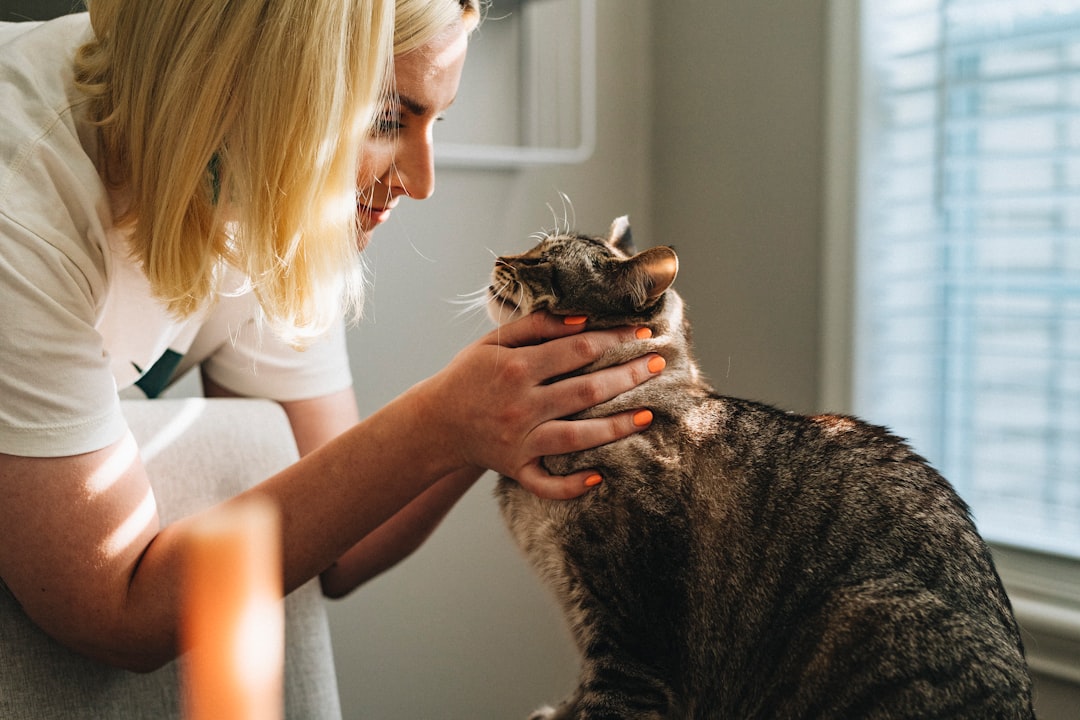
Our guide to litter box problems and their causes covers this specific issue in detail, since it’s one of the most common reasons cats are given up over what’s often a fixable problem.
Step 2: Address the Actual Constraint
Once a medical cause is ruled out, most surrender reasons come down to one of a few practical constraints:
- Moving to pet-restrictive housing — search specifically for pet-friendly listings, or ask the landlord directly rather than assuming the answer is no
- Cost — look into local pet food banks, low-cost veterinary clinics, and payment plans before assuming the expense is unmanageable long-term
- A new baby or an allergy diagnosis — many households successfully manage both with some adjustment, and a trial separation period can clarify whether permanent rehoming is actually necessary
- A demanding new schedule — a part-time pet sitter or a friend willing to help can bridge a temporary gap

Step 3: Consider a Temporary Arrangement
If the constraint is genuinely temporary — a short-term move, a medical recovery, a financial rough patch — a friend, family member, or even a temporary foster arrangement through a local rescue can bridge the gap without a permanent decision.
Step 4: If Rehoming Is the Right Call, Do It Directly
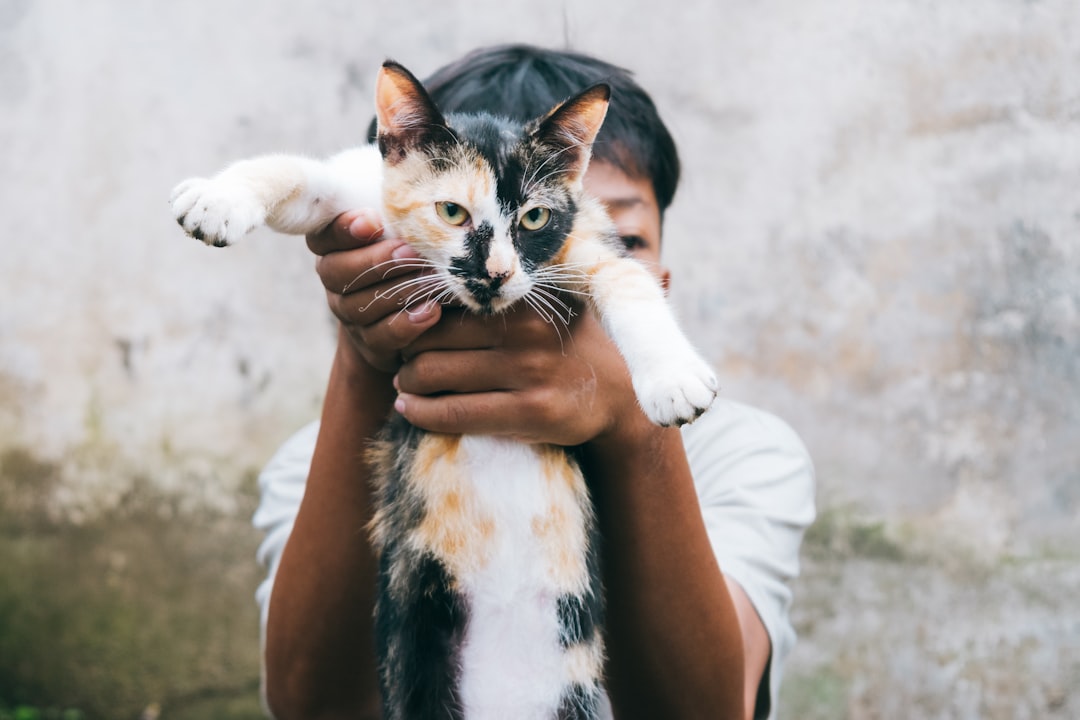
If you’ve ruled out a fix and a temporary arrangement isn’t realistic, direct rehoming — finding and vetting a new owner yourself — is generally considered more responsible and less stressful for the cat than a shelter surrender, according to Whisker’s guide on when rehoming makes sense. It skips the shelter environment entirely and lets you place the cat with someone you’ve personally screened.

- Ask friends, family, and coworkers first — a known home is easier to verify than a stranger
- Write an honest listing, including any behavior quirks or medical needs, rather than omitting anything that might discourage interest
- Meet potential adopters in person and ask direct questions about their home situation and experience with cats
- Provide the cat’s full medical records and history to whoever takes over its care
Managing the Guilt
Whichever path you take, it’s worth separating the emotional weight of the decision from whether the decision itself was responsible. A cat given up after genuinely exhausting the options above, placed carefully with a vetted new owner or a rescue with real capacity to help, is a different situation than an impulsive decision made under short-term stress. Guilt doesn’t automatically mean you made the wrong call — it often just means you cared.
What Not to Do
- Don’t abandon a cat outdoors, assuming it will “be fine” or find its own way — this is both dangerous for the cat and, in many areas, illegal
- Don’t rehome to the first person who responds without any vetting, especially for free — a small rehoming fee and a real conversation help filter out bad-faith requests
- Don’t wait until a crisis point to start exploring alternatives — the earlier you look into financial help, behavior fixes, or pet-friendly housing, the more options remain open
When a Shelter or Rescue Is the Right Option
Sometimes none of the above is realistic — no one you know can take the cat, and a private rehoming search isn’t turning up a safe option in time. In that case, reaching out to a local shelter or rescue is a legitimate, responsible choice, not a failure. Cats By The Tracks considers owner surrenders on a case-by-case basis, depending on our current foster capacity — reach out directly to discuss your specific situation rather than assuming any single outcome.
For local options and the order worth trying them in, our guide to rehoming a cat in Fresno covers shelter intake rules, safe private rehoming and the surrender-prevention help available locally.
It helps to know why rescues say no as often as they do. Our guide to how rescues decide which cats to take covers capacity, fit, and what to ask if you are turned down.
Frequently Asked Questions
Is it bad to give up a cat?
No — sometimes it’s genuinely the right decision, and feeling guilty about a responsible choice doesn’t help you or the cat. The goal is making sure it’s actually necessary and handled as responsibly as possible, not avoiding the decision entirely.
What is the difference between surrendering and rehoming a cat?
Surrendering means bringing a cat to a shelter, which then finds it a new home. Rehoming means finding and vetting a new owner directly yourself, which is often faster and less stressful for the cat since it skips shelter time entirely.
Can I get financial help to keep my cat instead of giving it up?
Often, yes. Many local humane societies, veterinary schools, and pet food banks offer reduced-cost vet care, free pet food, or temporary financial assistance specifically to help owners avoid surrendering a pet over cost.
Does Cats By The Tracks accept owner surrenders?
We consider owner surrenders and stray intakes on a case-by-case basis, depending on current foster capacity. Reach out to us directly to discuss your specific situation before assuming a shelter is your only option.
Not Sure What to Do? Reach Out Before Deciding
Cats By The Tracks is happy to talk through your specific situation, whether that means resources to help you keep your cat or next steps if rehoming is the right call.