
Colony work rarely collapses because trapping went wrong. It collapses because a neighbour objected, escalated, and the caretaker had no answer ready.
The good news is that almost every complaint is about a specific, fixable nuisance rather than about cats existing. Identify the actual grievance and most disputes resolve.
What people are usually complaining about
Ask what the problem is, specifically. The stated objection and the real one are often different.
| Stated complaint | Usually really about | What fixes it |
|---|---|---|
| “There are too many cats” | Noise and visible kittens | Sterilisation — both stop |
| “They fight all night” | Sleep disruption | Neutering, within weeks |
| “They spray by my door” | Smell | Neutering plus enzyme cleaner |
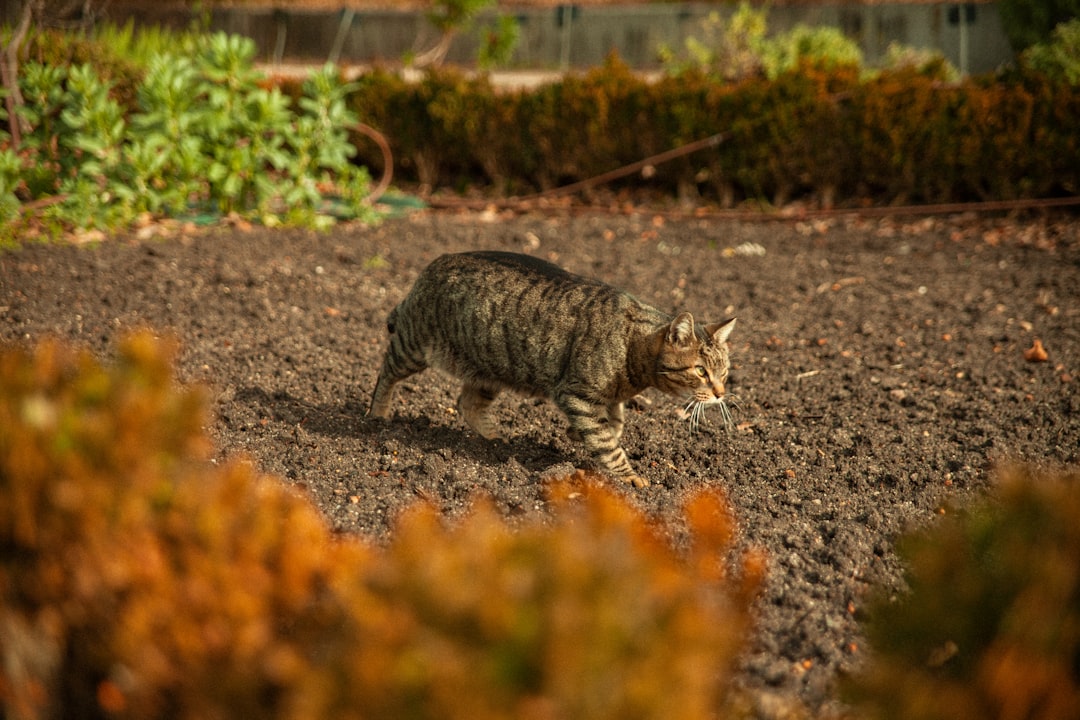
| “They use my garden” | Digging in beds | Deterrents and an alternative site |
| “The food attracts rats” | Leftover food | Fixed feeding times, remove leftovers |
| “They kill birds” | Genuine wildlife concern | Feeder placement, honest discussion |

Notice how many are solved by sterilisation alone. Yowling, spraying and fighting all drop sharply within weeks of neutering, and kittens stop appearing entirely.
Talk to people before you start, not after
The single most effective thing a caretaker can do is tell neighbours what is happening before trapping begins.
Keep it plain and specific: the cats are being sterilised and vaccinated, the numbers will fall over time, and the noise and spraying will stop within weeks.
People object far less to a managed programme than to an unexplained situation that appears to be getting worse.
Best Friends Animal Society publishes a practical list of humane deterrents that is worth sharing directly with a complaining neighbour.
Deterrents that actually work
If the problem is cats in a specific garden, deterrents are cheap and effective, and offering to fit them yourself defuses a great deal of hostility.
- Motion-activated sprinklers — the most consistently effective option.
- Scent repellents such as citrus peel or commercial sprays, reapplied after rain.
- Physical barriers over beds: chicken wire under mulch, or lattice.
- Cat-repellent plants such as rue or lavender around bed edges.
- A dedicated sand or loose-soil area elsewhere, which gives cats an alternative.
That last one matters. Cats dig in loose soil because there is nowhere better. Providing an alternative works better than trying to block every bed.
Managing the feeding station
Food is behind a large share of complaints, and it is entirely within your control.
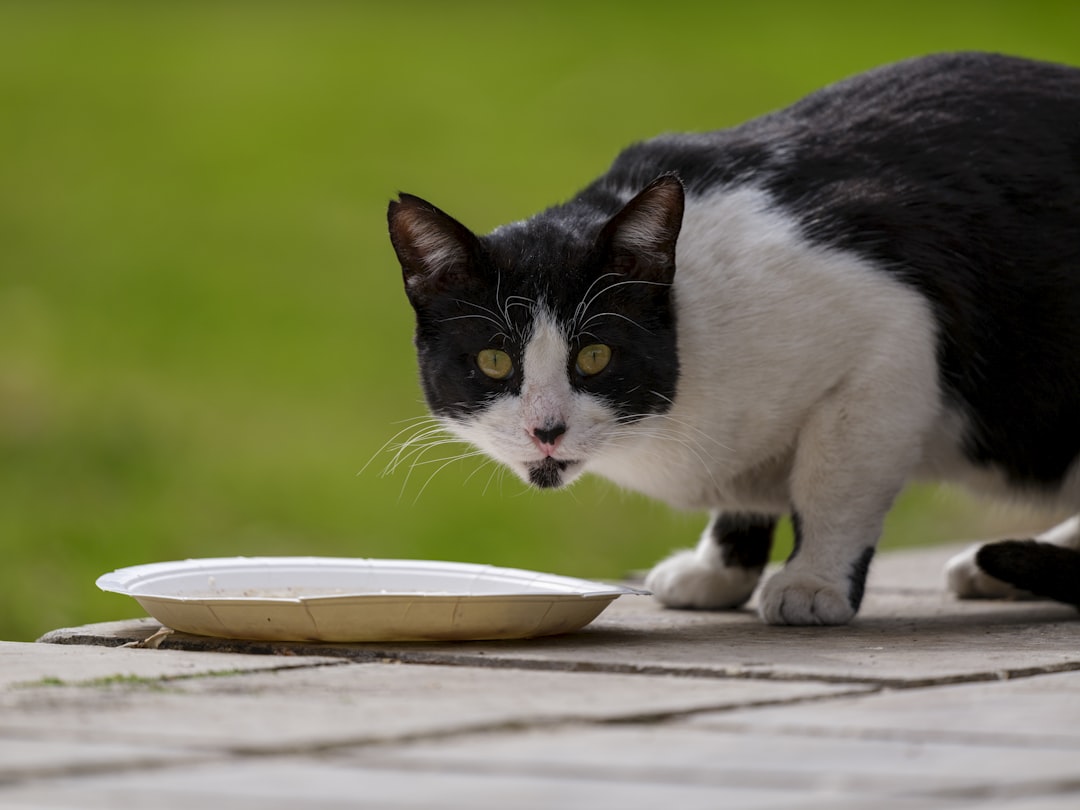
- Feed at fixed times rather than leaving food out continuously.
- Remove all uneaten food within thirty minutes.
- Site the station away from boundaries and neighbouring properties.
- Use raised, tidy stations rather than bowls on open ground.
- Never feed on someone else’s property, even with permission.

Uncontrolled food genuinely does attract wildlife and rodents, so this complaint is often legitimate. Our guide to feeding station best practices covers placement and hygiene.
Show the evidence
Ear tips are visible proof that work is happening, and they change the conversation from an argument into a progress report.
Keep a simple written record: how many cats, how many fixed, dates, and photographs. If anyone escalates to the city, that record is what protects the programme.
Our guide to colony record keeping covers what to track, and what ear tipping means explains the marker to point at.
When someone raises wildlife
This objection is often made in good faith and deserves a straight answer rather than a defensive one.
Cats do hunt, feeding them does not stop it, and pretending otherwise destroys your credibility. What sterilisation does is reduce the outdoor population over time, which no alternative achieves faster.
Offering something practical — helping resite a bird feeder away from cover, for instance — goes further than winning an argument.
Our honest look at community cats and the wildlife debate covers the evidence on both sides.
Know the local rules
Ordinances on feeding and colony management vary between cities in Fresno County and across the Central Valley.
Read yours before a dispute starts rather than during one. Knowing exactly what is and is not permitted is a considerable advantage if someone complains to the city.
Our guide to TNR ordinances and whether it is legal where you live covers what to check.
If it escalates anyway
Occasionally someone will not be reasoned with. Keep it factual and documented.
- Keep records of every conversation, with dates.
- Stay polite in writing — anything you send may be forwarded.
- Ask a local rescue or TNR group to speak on your behalf if it helps.
- Never trespass, and never feed on disputed property.
- If threats are made against the cats, report it — harming them is a criminal matter.

Most disputes end long before this. A caretaker who is visibly organised, tidy and sterilising the colony is a hard target for a complaint that will go anywhere.
If you are just starting out, our guide to getting started with TNR in Fresno covers doing it in a way that avoids most of these problems entirely.

Cats getting into buildings and crawl spaces
One complaint that genuinely needs more than a deterrent is cats living under a building, in a crawl space or inside a disused outbuilding.
Sealing the entrance without checking is the worst possible response. Cats and kittens get trapped inside, and the outcome is both cruel and a far bigger problem for the property owner.
- Confirm how many cats are using the space, and whether kittens are present.
- Never seal anything during kitten season without a thorough check.
- Trap and sterilise the cats first.
- Use a one-way door so cats can leave but not re-enter.
- Only seal permanently once you are certain the space is empty.
- Provide alternative shelter nearby, or the cats will simply find another gap.
That last step is what makes exclusion stick. A cat pushed out of a crawl space with nowhere else to go will find a new way in, or move to a neighbour’s building instead.
Keeping a programme going long term
Complaints tend to resurface whenever a colony changes — a new arrival, a new neighbour, or a caretaker moving away.
- Recruit a second caretaker so the programme survives one person leaving.
- Keep records that someone else could pick up and use.
- Trap new arrivals within weeks rather than waiting for a batch.
- Introduce yourself to new neighbours before they form an opinion.
- Review the site annually — shelter, water and feeding placement all drift over time.
Our guide to colony record keeping covers handover-ready documentation, and managing community cats around apartments and businesses covers shared-property situations specifically.
Frequently Asked Questions
How do I stop neighbours complaining about community cats?
Tell them what you are doing before you start, sterilise the colony so the noise and spraying stop, keep the feeding station tidy and scheduled, and offer practical deterrents for their garden.
What is the most effective humane cat deterrent?
Motion-activated sprinklers are the most consistently effective. Scent repellents and physical barriers over beds also work, and providing an alternative digging area elsewhere helps considerably.
Do neighbours have grounds to complain about feeding cats?
Sometimes. Food left out continuously genuinely attracts rodents and wildlife. Feeding at fixed times and removing leftovers within thirty minutes addresses the legitimate version of this complaint.
What if a neighbour threatens to harm the cats?
Report it. Harming animals is a criminal matter. Keep written records of any threats, avoid confrontation, and consider asking a local rescue or TNR organisation to intervene on your behalf.
Is it legal to feed community cats?
It depends on your city. Ordinances on feeding and colony management vary considerably across Fresno County and the Central Valley, so check your local rules before a dispute arises.
How quickly does sterilisation reduce complaints?
Usually within weeks. Yowling, fighting, spraying and roaming all decline sharply after neutering, and no new kittens appear — which addresses most of what neighbours actually object to.