
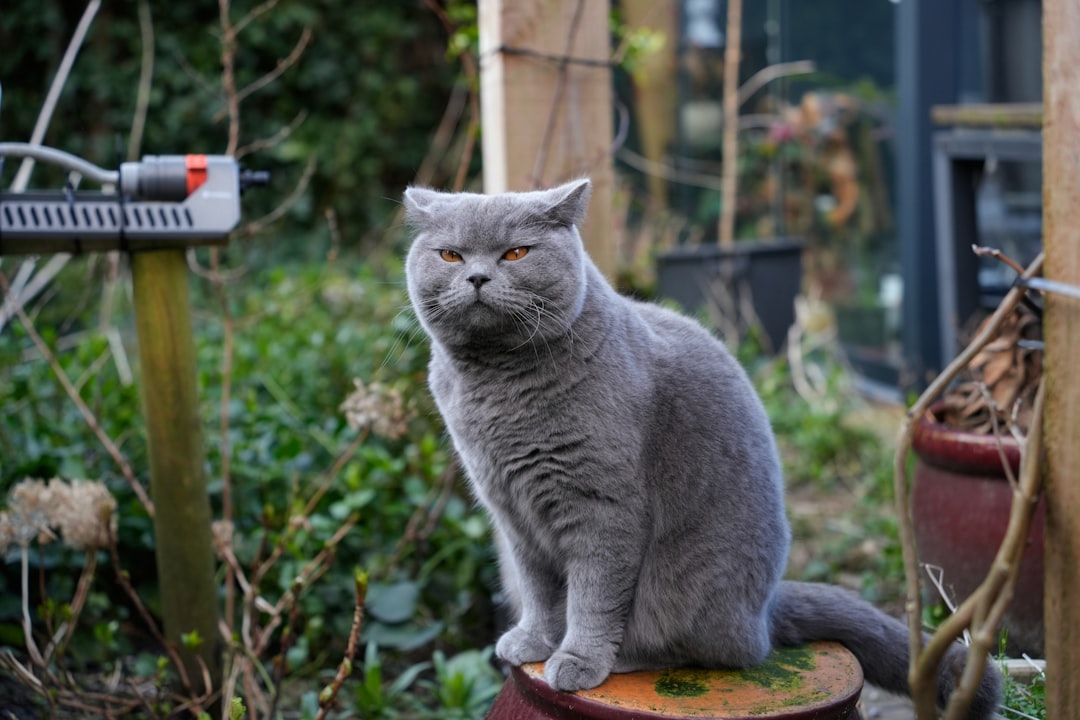
This is the strongest argument made against outdoor cats and against TNR, and it deserves a straight answer rather than a defensive one.
Cats do kill wildlife. That is not in dispute, and pretending otherwise damages the credibility of everyone who works with community cats.
What is genuinely contested is the scale of the effect, how much of it is attributable to community cats specifically, and what actually reduces it.
What is not in dispute
Cats are effective predators. Free-roaming cats hunt birds, small mammals, reptiles and insects, and they do so whether or not they are fed.
Hunting is not driven primarily by hunger, so feeding a colony does not stop predation. Anyone claiming otherwise is overstating the case.
- Cats hunt regardless of how well fed they are.
- Small mammals typically make up the majority of prey, with birds a smaller share.
- Predation is highest in spring and summer, when fledglings are vulnerable.
- Island ecosystems are genuinely and severely affected by introduced cats.
- Ground-nesting and fledgling birds are at greatest risk.
What is contested
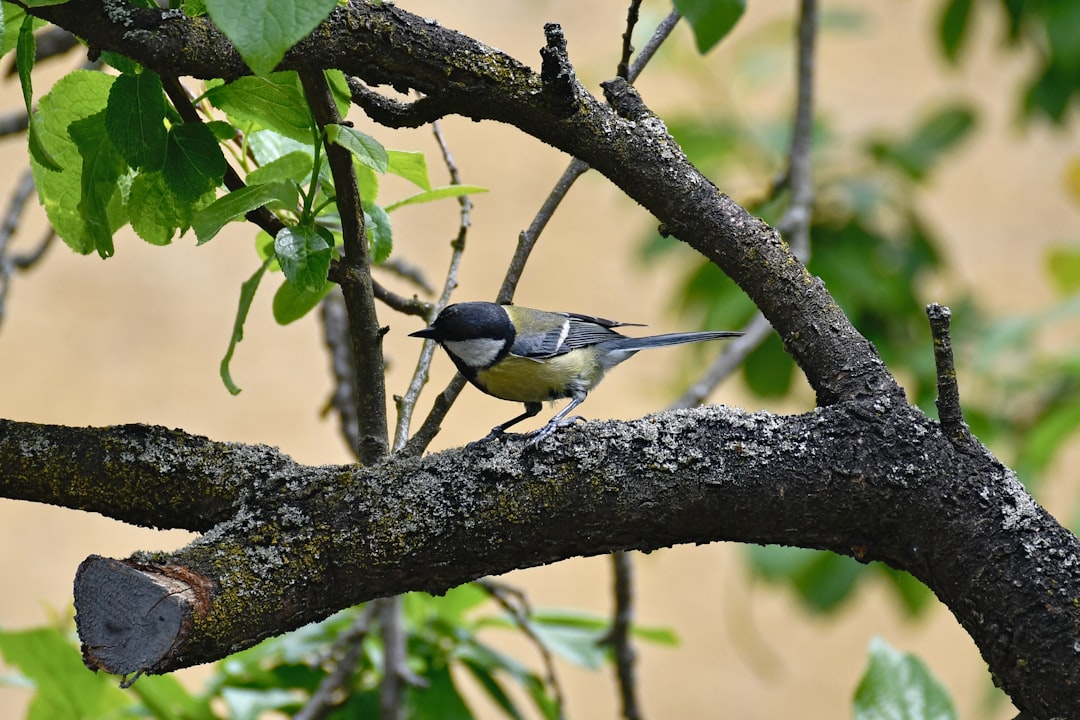
The headline mortality figures come from models that extrapolate from small studies across national populations, with wide confidence intervals.
The American Bird Conservancy makes the strongest case against outdoor cats and is worth reading directly rather than through summaries.
The main methodological criticisms are that the models blend owned and unowned cats, extrapolate widely from limited samples, and struggle to separate predation from habitat loss as the driver of bird decline.
None of that makes the concern invalid. It does mean the confident-sounding totals should be read as estimates with a wide range rather than measurements.
The part both sides usually skip
Habitat loss, agricultural intensification, pesticide use and building collisions are all major drivers of bird decline, and in many regions larger ones than predation.
Focusing exclusively on cats can be a distraction from those causes. Focusing exclusively on those causes can be a way of avoiding an inconvenient truth about cats.
Both things are true at once, and a serious position has to hold both.
Where this leaves TNR
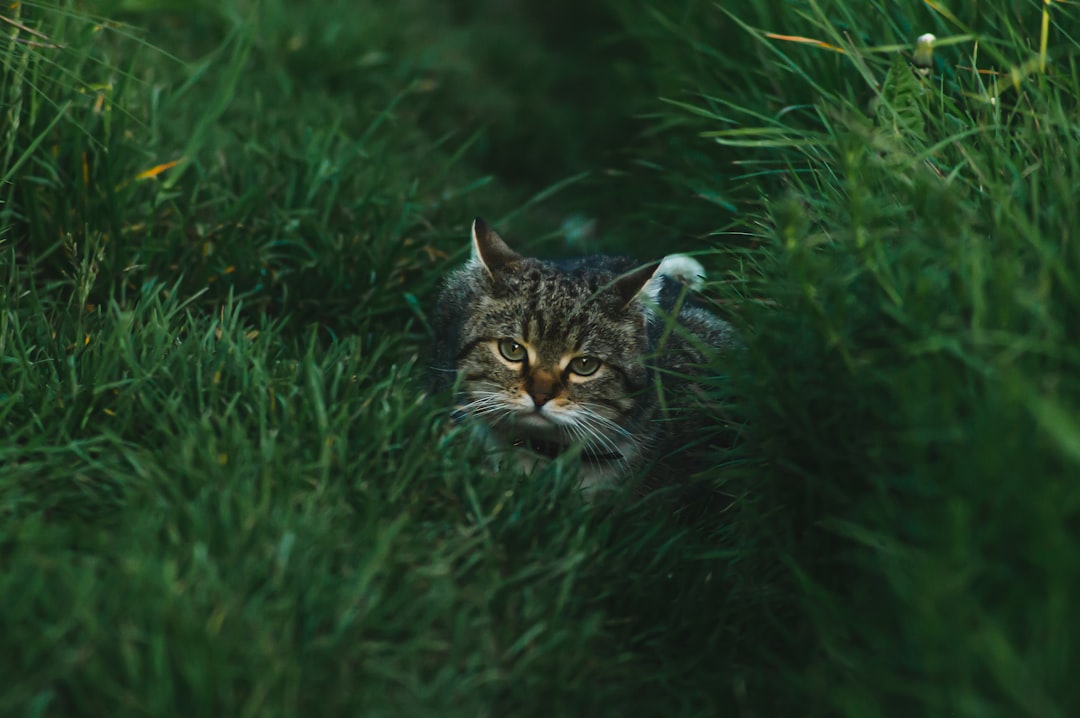
Critics argue TNR leaves cats outdoors and therefore leaves predation in place. That is factually correct as far as it goes.
The counter-argument is not that TNR eliminates predation. It is that TNR reduces the number of outdoor cats over time, and no proposed alternative achieves more.
| Approach | Effect on cat numbers | Effect on predation | Practical viability |
|---|---|---|---|
| Do nothing | Grows | Grows | Default outcome |
| Remove and relocate | Territory repopulates | Unchanged or worse | Repeatedly fails |
| Large-scale removal | Falls if sustained | Falls | Rarely funded or accepted |
| TNR at 80%+ | Declines slowly | Declines slowly | Achievable locally |
| Adopt out all cats | Falls fastest | Falls fastest | Impossible at scale for feral cats |
The honest framing is that TNR is the best available option in most real situations, not that it is costless.
Our explainer on the population maths behind TNR covers why removal keeps failing.
What actually reduces predation
If wildlife is your concern, these are the measures with real evidence behind them, in rough order of effectiveness.
- Keep owned cats indoors — by far the largest single reduction available.
- If cats go out, restrict access at dawn and dusk when hunting peaks.
- Use a brightly coloured collar cover, which meaningfully reduces bird catches.
- Sterilise community cats so the outdoor population shrinks over time.
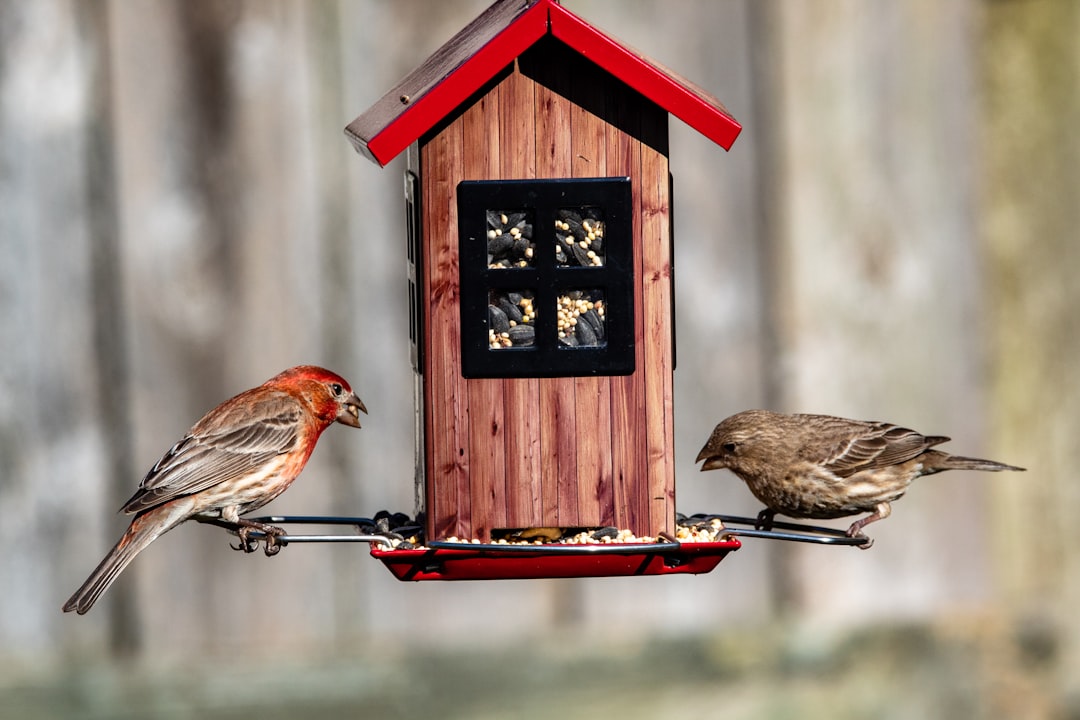
- Site bird feeders away from cover cats can stalk from.
- Support habitat protection, which addresses the larger driver.
Owned cats are the biggest lever available to most individuals, and the easiest to act on. Our comparison of indoor versus outdoor cats covers the trade-offs.
Keeping an indoor cat content
The usual objection to indoor-only life is that it is boring. It is, if nothing replaces the stimulation hunting provided.
- Daily play with a wand toy, ending in a food reward to complete the hunt sequence.
- Vertical space — shelves and trees multiply usable territory.
- A secure window perch, which is genuine enrichment rather than a consolation.
- Puzzle feeders to add foraging effort to meals.
- A secure outdoor enclosure if you have the space.
Central Valley heat and traffic already make an indoor life the safer choice here. Our home preparation checklist covers setting up for it.
Talking to neighbours who raise this
Someone objecting to cats on wildlife grounds is often making a reasonable argument, and treating it as bad faith guarantees a worse outcome.
Acknowledge the point, explain that sterilisation reduces the outdoor population over time, and show the ear tips as evidence work is happening.
Offering something practical — moving a feeding station away from their garden, or helping site a feeder safely — resolves more disputes than argument does.
Our guide to starting TNR in Fresno covers working with neighbours from the outset rather than after a complaint.
An honest conclusion
Cats kill wildlife, the national totals are uncertain, habitat loss is a larger driver in most places, and none of that resolves the individual case in your street.
The practical position that survives scrutiny: keep owned cats indoors, sterilise the unowned ones so the outdoor population declines, and stop pretending either side of this argument has nothing to answer for.
What the Central Valley picture looks like
National debates about cats and wildlife rarely map cleanly onto any particular place, and the Central Valley is a good example of why.
This is intensively farmed land. Habitat conversion, pesticide use and the loss of native grassland have reshaped bird populations here over decades, at a scale no colony of cats approaches.
That does not make local predation irrelevant, particularly near riparian corridors and remnant habitat where ground-nesting species persist. It does mean that siting matters enormously.
A colony behind a supermarket is a different proposition from one adjoining a wildlife area, and a serious caretaker treats those two situations differently rather than applying one answer to both.
Siting a colony responsibly
- Avoid establishing feeding stations directly adjacent to wetlands or riparian corridors.
- Keep stations close to buildings, where cats already concentrate and wildlife does not.
- Prioritise sterilisation hardest at sites near sensitive habitat.
- Do not create new colonies in areas cats have not already colonised.
- Work with, rather than against, local conservation groups where they exist.
Our guide to feeding station best practices covers placement, and colony caretaking covers the ongoing management that keeps a site defensible.
Frequently Asked Questions
Do outdoor cats really kill birds?
Yes. Cats are effective predators and hunt regardless of how well fed they are. Small mammals usually make up the majority of prey, with birds a smaller but significant share.
Does feeding community cats stop them hunting?
No. Hunting behaviour is not driven primarily by hunger, so a well-fed cat still hunts. Claims that feeding prevents predation overstate the case and damage credibility.
Are the widely quoted bird mortality figures reliable?
They are modelled estimates extrapolated from limited studies, with wide confidence intervals. The concern is legitimate, but the confident-sounding national totals should be read as ranges.
Does TNR make the wildlife problem worse?
No, though it does not eliminate predation. TNR reduces the outdoor cat population over time, whereas removal empties territory that neighbouring unsterilised cats then occupy.
What is the single most effective thing I can do for wildlife?
Keep your own cat indoors. For most individuals this is by far the largest available reduction in predation, and it also substantially extends the cat’s own life expectancy.
Do collar bells or covers actually work?
Brightly coloured collar covers have reasonable evidence for reducing bird catches, since birds see colour well. Bells are less consistently effective. Neither matches keeping the cat indoors.