

A microchip is the only permanent identification a cat carries. Collars come off, tags wear blank, and an indoor cat that slips out has nothing else to connect it back to you.
But a chip on its own does nothing. The part that actually brings cats home is registration, and it is the step most often skipped.
What a microchip is and is not
A microchip is a passive RFID transponder roughly the size of a grain of rice, implanted under the skin between the shoulder blades.
It has no battery and no location function. It does nothing until a scanner passes over it, at which point it returns a unique number.
That number is not your name or address. It is a lookup key for a database entry that you must create and keep current.
The American Veterinary Medical Association maintains a detailed FAQ on how the technology works.
Microchip vs collar tag
| Feature | Microchip | Collar tag |
|---|---|---|
| Permanent | Yes | No — falls off or wears blank |
| Readable by the public | No — needs a scanner | Yes, instantly |
| Works if the cat is taken to a shelter | Yes | Only if still attached |
| Provides GPS location | No | No |
| Needs updating when you move | Yes — in the database | Yes — new tag |
| One-off or ongoing cost | One-off implant | Replaced periodically |
The two are complementary rather than alternatives. A tag gets a cat home from three doors down; a chip gets it home from a shelter two counties away.
What it costs
Implantation is inexpensive relative to almost anything else in veterinary care.
| Route | Typical cost | Notes |
|---|---|---|
| Included in adoption fee | Often free | Common at shelters — check the paperwork |
| Low-cost community clinic | Low | Frequently bundled with vaccination |
| During spay or neuter | Low | Cheapest add-on — already anaesthetised |
| Standalone vet appointment | Moderate | Includes a consultation fee |
| Database registration | Free to modest | Some charge a one-off or annual fee |
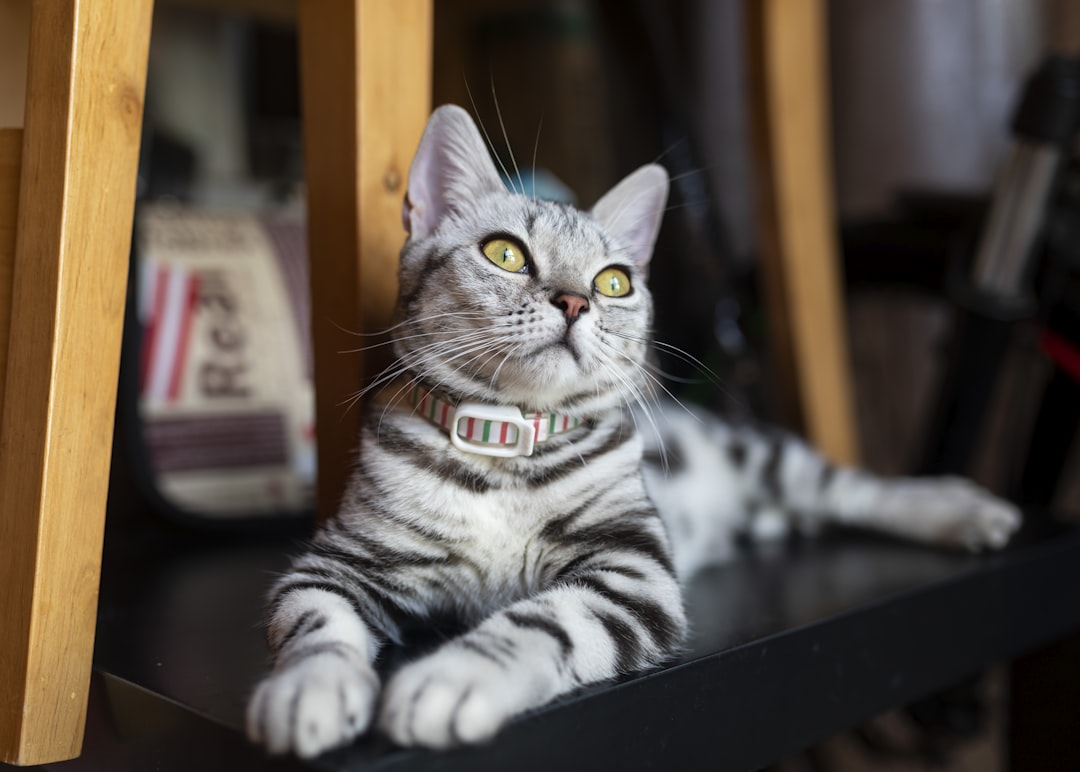
If your cat is booked for spay or neuter, add the chip to that appointment. It is the cheapest and least stressful moment to do it.
Our comparison of low-cost spay and neuter options in Fresno notes which providers bundle microchipping.
The registration step people skip
This is the single most important thing in this article. A chip that is implanted but not registered, or registered to a previous owner, cannot reunite anybody.
- Get the chip number and the manufacturer from the implanting clinic or shelter.
- Find the correct database — the manufacturer will tell you which.
- Create your record with your name, current phone number and address.
- Add a second contact who is not in your household.
- Check the record annually, and update it immediately if you move or change number.
Adopted cats are the highest-risk group here. The chip is frequently still registered to the shelter or a previous owner, and transferring it is your responsibility.

Does it hurt?
The implantation needle is wider than a vaccination needle, so there is a brief pinch. Most cats react about as much as they do to a routine injection.
No anaesthetic is required, though doing it during an existing surgery avoids the sensation entirely. Complications are rare.
Indoor cats need chips too
A common assumption is that an indoor cat does not need one. Indoor cats are arguably the better case for chipping, because they are the least prepared for being outside.
They bolt through open doors, escape during moves, and get out during building work or emergencies. An indoor cat outside is disoriented, unlikely to return on its own, and has no collar in many households.

Moving house is the highest-risk period of all. Our guide to helping a cat adjust after moving covers keeping cats secure during the transition, and travelling with a cat covers journeys.
If your cat goes missing
A registered chip only works if the cat reaches someone with a scanner, so do both things at once.
- Confirm your database record is current before doing anything else.
- Report the cat missing on the microchip database — most have a lost-pet flag.
- Contact every local shelter directly rather than relying on being called.
- Post locally with a clear daylight photograph.
- Search close to home first — indoor cats usually hide within a few houses.
Our guide to what to do when you find a stray cat covers the other side, including getting a found cat scanned.
If you have found a cat
Any vet or shelter will scan a cat for free, and it takes seconds. It is always worth doing before assuming a cat is unowned.
An ear tip rather than a chip usually means a community cat that has been through TNR — our guide to telling whether a community cat has already been fixed covers how to read that.
When a chip cannot be found
Occasionally a cat is scanned and nothing comes up. There are three usual explanations, and only one is a real failure.
- Migration. Chips can drift from between the shoulder blades down a leg or along the flank. A thorough scan covers the whole body, not just the neck.
- Scanner mismatch. Older single-frequency scanners may miss some chip types. Universal scanners are now standard but not universal.
- Genuine failure. Rare, but chips can stop responding.
Ask your vet to scan the chip at each annual check. It takes seconds and confirms both that it is still present and still readable.
Keeping the record current
A registration is only as good as the phone number on it, and most lapse quietly rather than dramatically.
- Update the database the same week you move or change number.
- Keep a second contact who does not live with you.
- Note the chip number somewhere you can reach it away from home.
- Check the record once a year — many databases send a reminder.
- If you rehome the cat, transfer the record rather than deleting it.
If you are rehoming a cat privately, transferring the chip is part of doing it properly. Our guide to rehoming a cat in Fresno covers the full handover.
Frequently Asked Questions
How much does it cost to microchip a cat?
Implantation is inexpensive, and it is often included in a shelter adoption fee or bundled cheaply with spay or neuter surgery. A standalone vet appointment costs more because of the consultation fee.
Does a microchip track my cat’s location?
No. A microchip is a passive RFID tag with no battery and no GPS. It only returns an identification number when a scanner is passed over it, which then links to your database record.
Do I need to register the microchip myself?
Yes, and this is the step most often missed. An unregistered chip, or one still registered to a shelter or previous owner, cannot reunite you with your cat. Update it after adopting.
Does microchipping hurt a cat?
There is a brief pinch, as the needle is wider than a vaccination needle. Most cats react much as they do to a routine injection, and no anaesthetic is required.
Do indoor cats need a microchip?
Yes, arguably more than outdoor cats. Indoor cats bolt through doors and escape during moves, and they are the least equipped to find their way home or be recognised as owned.
What should I do if my microchipped cat goes missing?
Confirm your database record is current, flag the cat as missing on the database, then contact local shelters directly. Do not assume you will simply be called.