
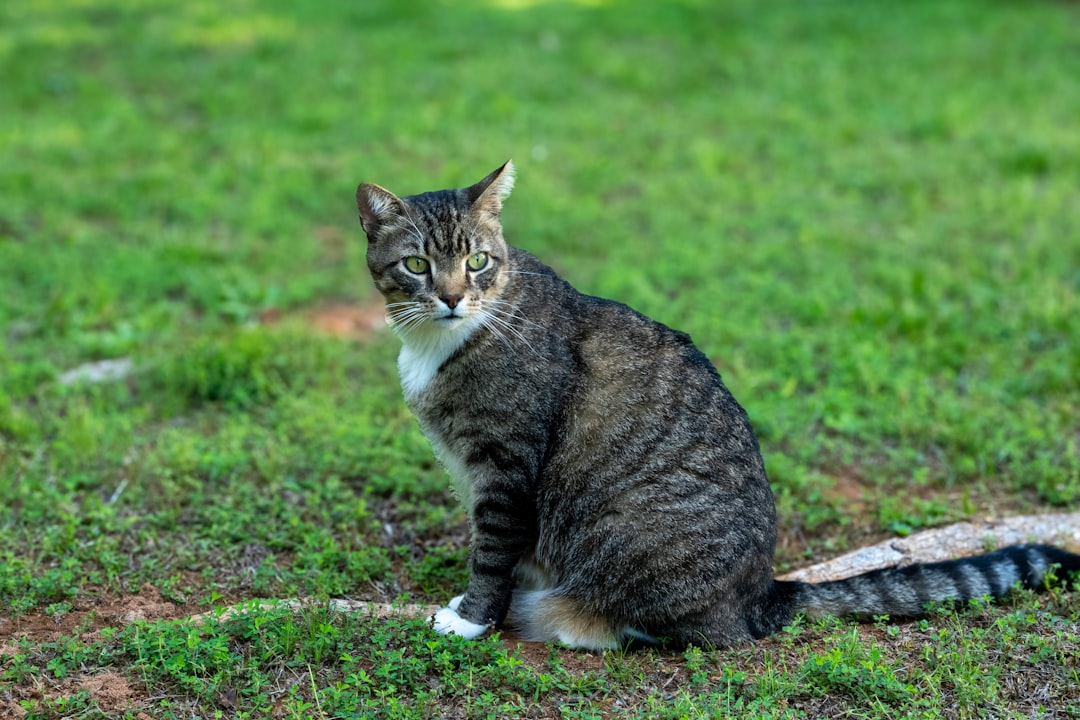
Finding a sick or injured community cat is stressful, and the instinct to scoop it up and bring it home is understandable — but it’s usually the wrong move. Here’s the actual right sequence of steps, based on established field guidance.
Call a Veterinarian Immediately
Per Alley Cat Allies’ guidance on sick or injured cats, contact a veterinarian immediately when you see signs of injury or illness — don’t wait to see if the cat improves on its own, and don’t attempt to diagnose or treat the issue yourself first. Time matters here; a minor issue caught early is far easier to treat than the same issue left unaddressed for days.
What Not to Do
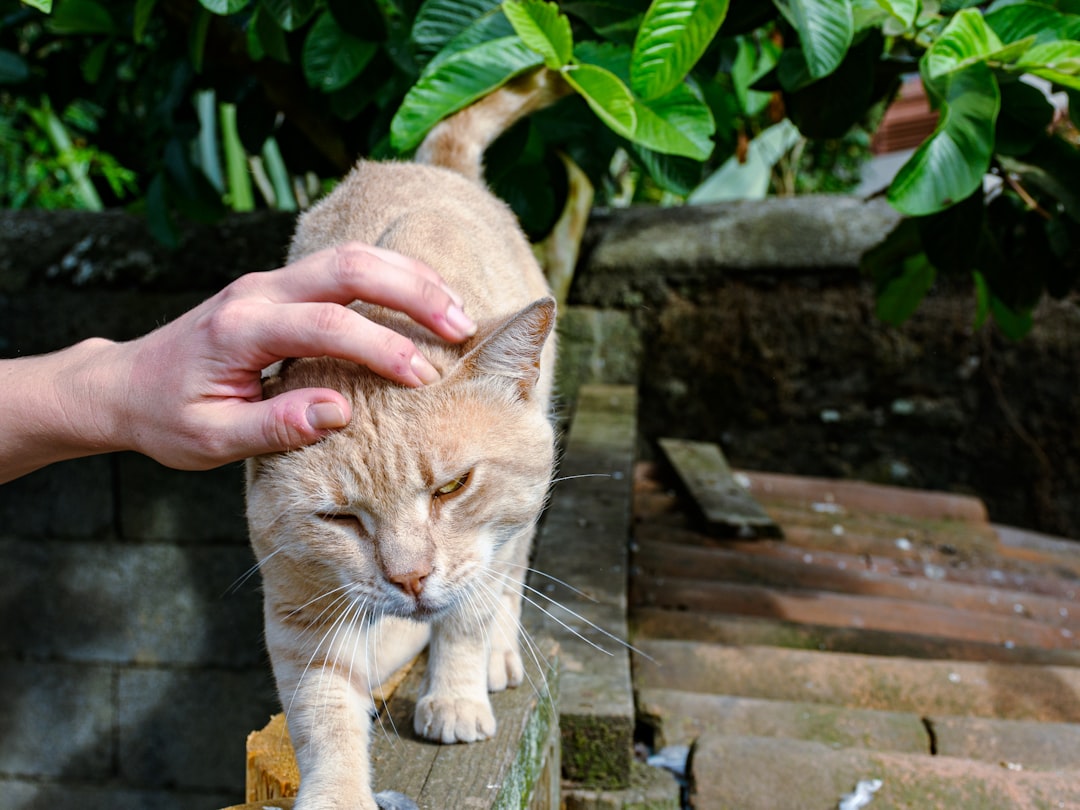
- Don’t bring the cat indoors, place it in a cage, and stop there without seeking veterinary help — this causes harm rather than helping
- Don’t use DIY remedies or medications not specifically recommended by a veterinarian
- Don’t try to handle or physically restrain an aggressive or fearful cat on your own
There are genuinely dangerous, sometimes deadly, medical care myths about treating cats circulating online — resist the urge to improvise based on something you read, and get a professional involved instead. Even well-intentioned first aid, applied incorrectly, can delay proper treatment or make an injury worse.
Outdoor Treatment Is Often Better Than Confinement
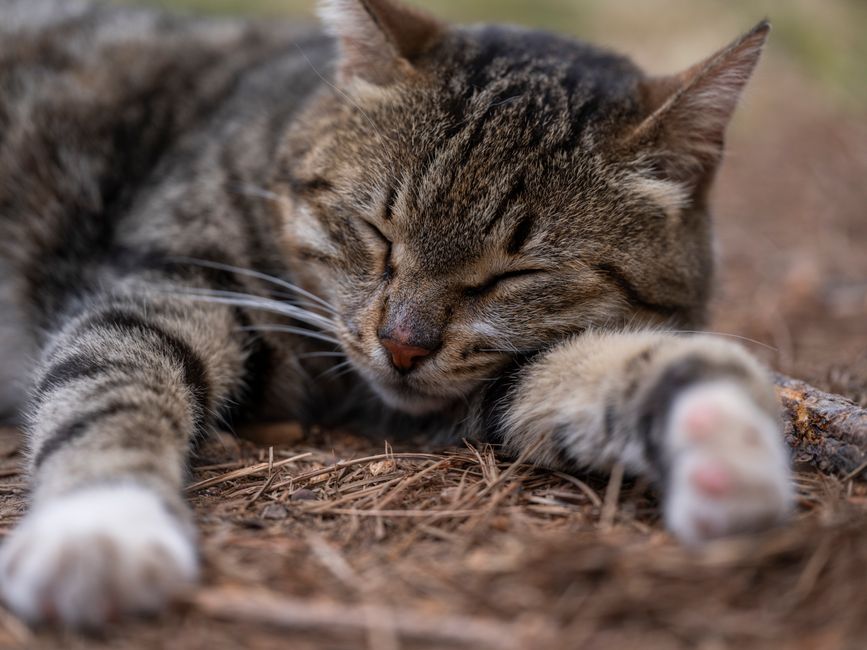
Determine with a veterinarian whether the cat can actually be treated outdoors rather than confined indoors. Any treatment should be as non-invasive and low-stress as possible — a community cat is generally less stressed and heals better in an environment that’s already familiar to it, rather than a sudden, disorienting indoor confinement it has never experienced before.
Finding a Vet Who Sees Feral Cats
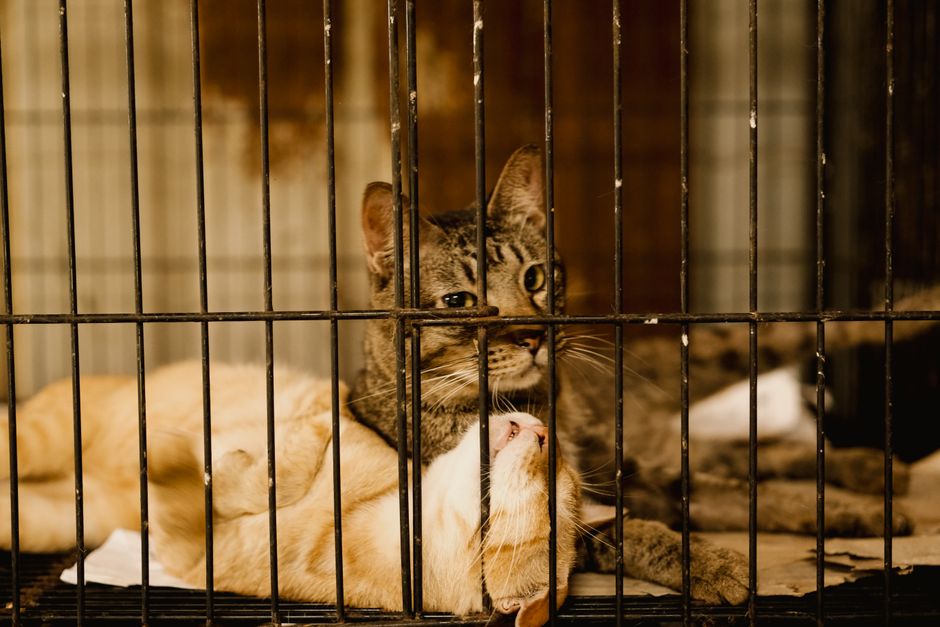
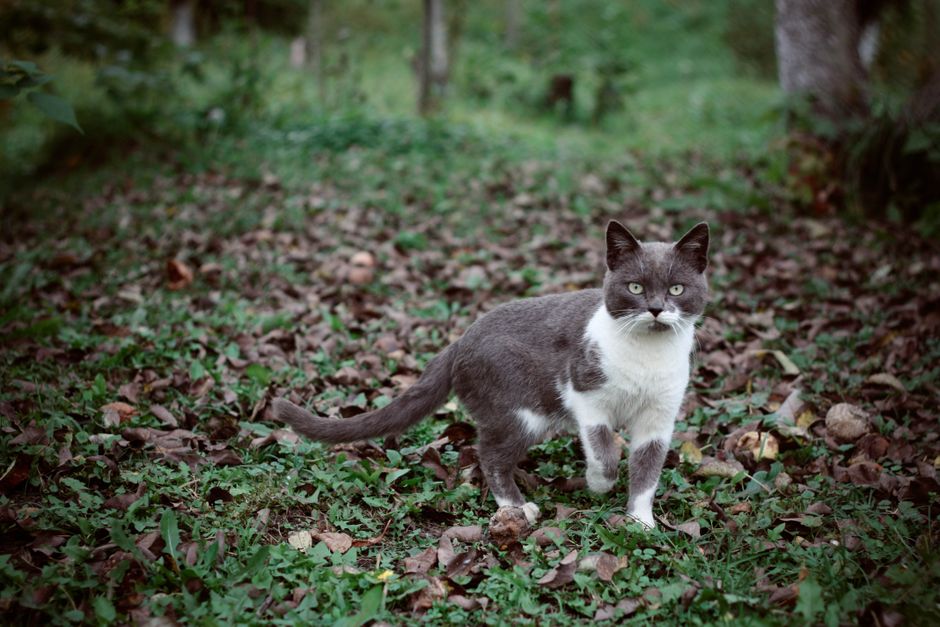
Call your regular veterinarian first and ask specifically if they see feral cats. If they don’t, call other vet hospitals in your area until you find one that does. If you genuinely can’t provide immediate care yourself, contact a local advocate, TNR organization, or veterinarian who can take the necessary next steps — you don’t have to manage the entire situation alone.
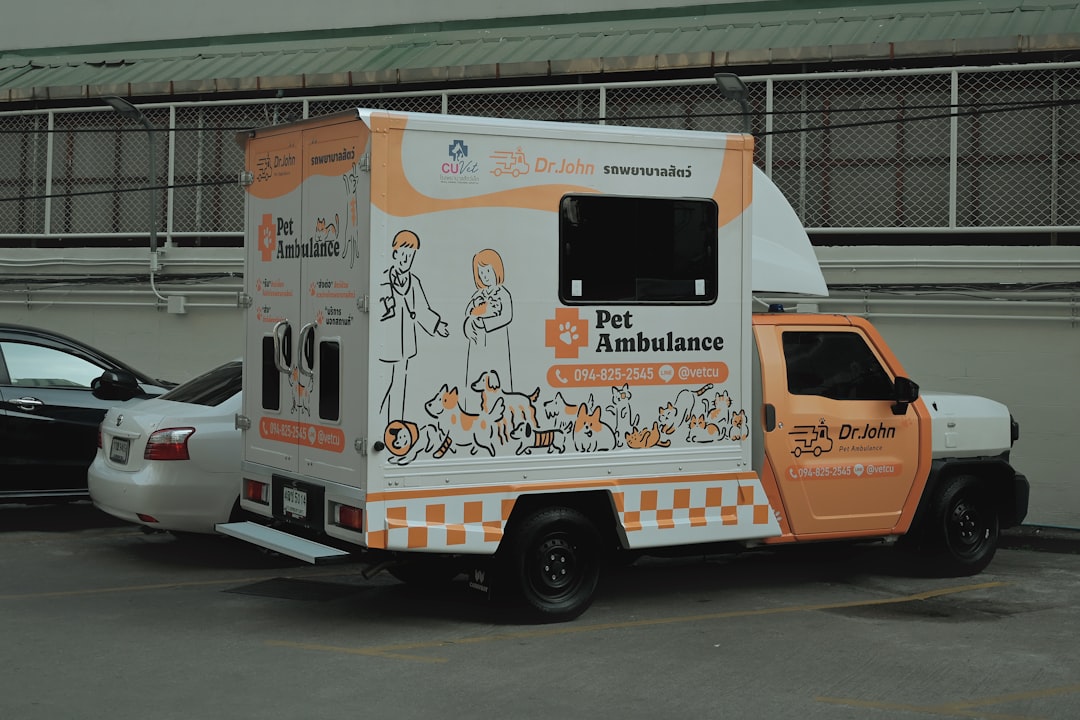
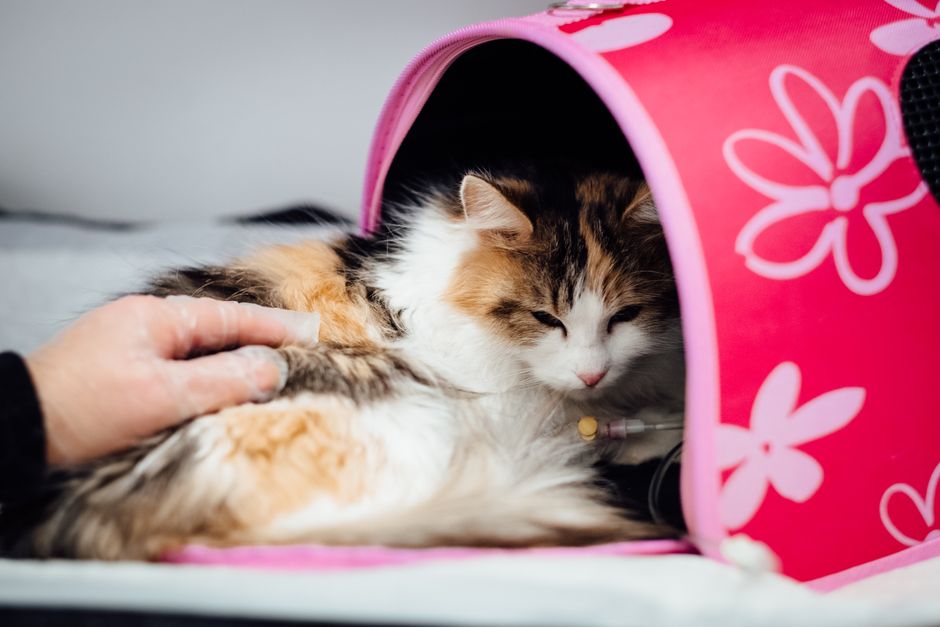
This applies whether the cat is part of a colony you already care for or one you’ve just discovered — see our guide to becoming a colony caretaker for the ongoing responsibilities that follow once a cat is back to health.
Quick Reference
- Call a vet immediately — don’t wait or self-diagnose
- Never bring a community cat indoors without also arranging veterinary care
- Avoid DIY remedies and unverified online medical advice
- Ask about outdoor treatment options before assuming indoor confinement is necessary
- If your regular vet won’t see feral cats, call around or contact a local TNR organization
Recognizing the Early Warning Signs
Because community cats are naturally cautious around people, subtle illness or injury can be easy to miss until it’s fairly advanced. Watch for changes in a cat’s usual routine — a cat that normally shows up reliably for feeding suddenly missing several days in a row, noticeable limping or reluctance to jump, squinting or discharge around the eyes, or visible weight loss over a short period. Community cat caretakers who see the same cats daily are often the first to notice these changes precisely because they have a baseline for what’s normal for that specific cat.
Discharge from the nose or eyes, open wounds, matted or unusually patchy fur, and labored breathing are all signs that warrant an immediate call to a vet rather than a wait-and-see approach. The earlier a genuine problem is caught, the more treatment options are typically available, and the less invasive the eventual care usually needs to be.
Supporting Caretakers Through a Medical Crisis
A colony caretaker discovering a sick or injured cat is often dealing with real financial and logistical stress on top of the emotional toll — emergency vet visits are expensive, and not every caretaker has an existing relationship with a vet willing to treat a feral or semi-feral cat. Local TNR organizations sometimes maintain small emergency funds or a list of vets offering reduced rates for community cat care specifically, which is worth asking about well before an emergency happens, not in the middle of one.
If you’re a caretaker without this kind of network yet, reaching out to a local rescue or humane society to build that relationship now can make a real difference the next time a cat in your care needs urgent help.
When It’s Safe to Approach
Not every sick or injured community cat is safe to approach directly, even with good intentions. A cat in pain may bite or scratch defensively regardless of how friendly it normally is, so heavy gloves, a towel, or a humane trap are often safer tools than bare hands for getting a hurt cat to a vet. If a cat seems too dangerous or difficult to approach safely on your own, calling a local rescue or animal control for assistance is the right call rather than risking injury to yourself.
Frequently Asked Questions
Should I bring an injured community cat inside my house?
No — bringing a community cat indoors, placing it in a cage, and not seeking veterinary help does real harm rather than helping. Contact a vet instead of improvising a home solution, even if your intentions are good.
Can I treat a sick community cat with home remedies?
No — avoid DIY remedies or medications not recommended by a veterinarian. There are dangerous, even deadly, medical care myths circulating online about treating cats, and a well-meaning but incorrect home treatment can make things significantly worse.
Does a sick community cat need to be confined indoors to heal?
Not necessarily — determine with a vet whether the cat can be treated outdoors instead. A familiar outdoor environment is often less stressful and better for healing than sudden indoor confinement, especially for a cat that has never lived indoors.
What if my regular vet doesn’t see feral cats?
Call other vet hospitals in your area to find one that does, or contact a local TNR advocate or organization that can help connect you with the right resource. Not every general practice is set up to safely handle an unsocialized cat.
How urgent is it to act once I notice a problem?
Very — contact a veterinarian immediately rather than waiting to see if the cat improves on its own. Delays can turn a treatable issue into a much more serious, harder-to-treat condition.
Found an Injured Community Cat?
Cats By The Tracks can help connect you with resources in the Fresno and Central Valley area.