
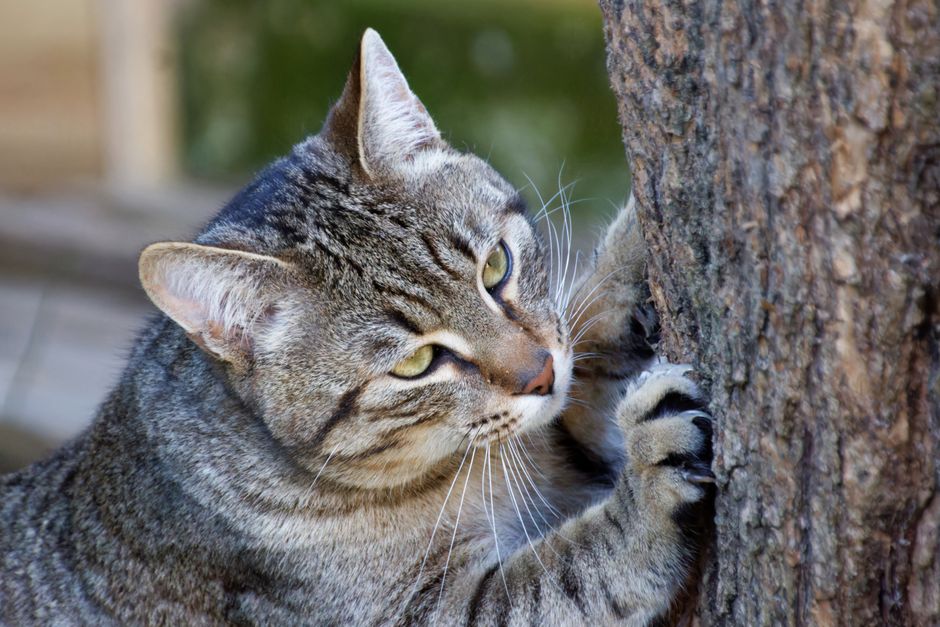
If you’ve noticed adoption contracts and shelter policies increasingly prohibiting declawing, it’s not an arbitrary rule — it reflects a real, well-documented shift in how the veterinary and welfare community understands the procedure.
Why Declawing Causes Real Problems
Declawing changes how a cat physically walks, and over time, this altered gait can cause chronic pain — the procedure isn’t just removing a nail, it involves amputating part of the toe bone. Behavioral consequences are also common: litter box avoidance and biting are frequently reported after declawing, and these same behaviors are among the more common reasons cats get surrendered to shelters later.
Where Major Organizations Stand
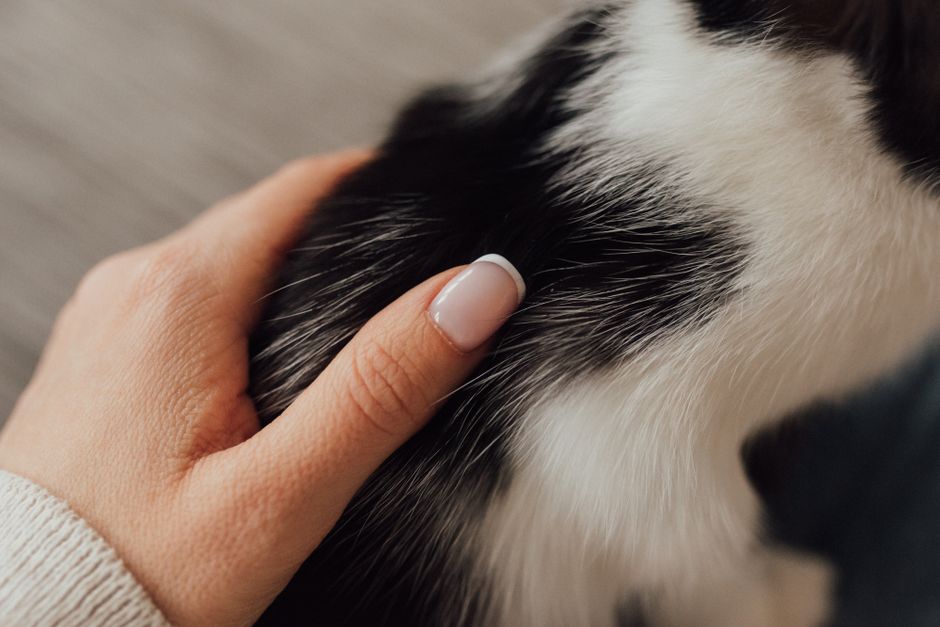
Elective declawing for non-therapeutic purposes is now seen as inconsistent with modern feline welfare science by essentially every major animal protection organization. This isn’t a fringe position — it reflects a broad, well-established consensus across veterinary and welfare communities.
Humane Alternatives That Actually Work
- Regular nail trimming — see our guide to how to trim a cat’s nails safely at home
- Soft nail caps, which cover the claw tip without removing it
- Spray deterrents on furniture you want to protect
- Scratching posts, ideally with catnip added for extra appeal, placed near the furniture a cat currently scratches
- Behavioral training paired with consistent nail trimming to reduce unwanted scratching damage
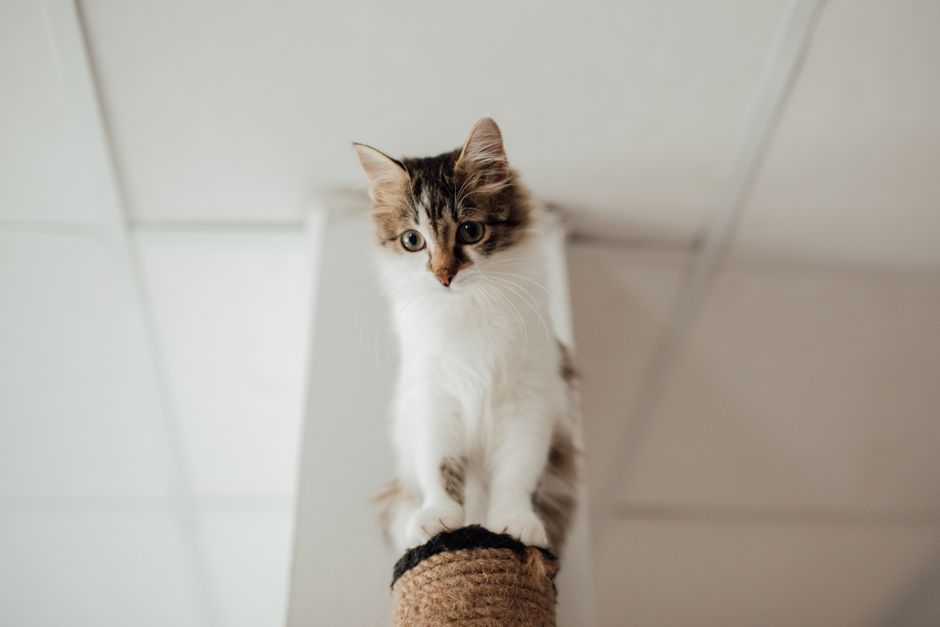
Why Shelters Are Increasingly Explicit About This
A growing number of shelters now build education directly into the adoption process, teaching adopters about declawing alternatives and including adoption contracts that specifically prohibit post-adoption declawing. Some rescues will decline to place a cat with an adopter who states an intention to declaw, prioritizing the cat’s long-term welfare over completing the adoption.
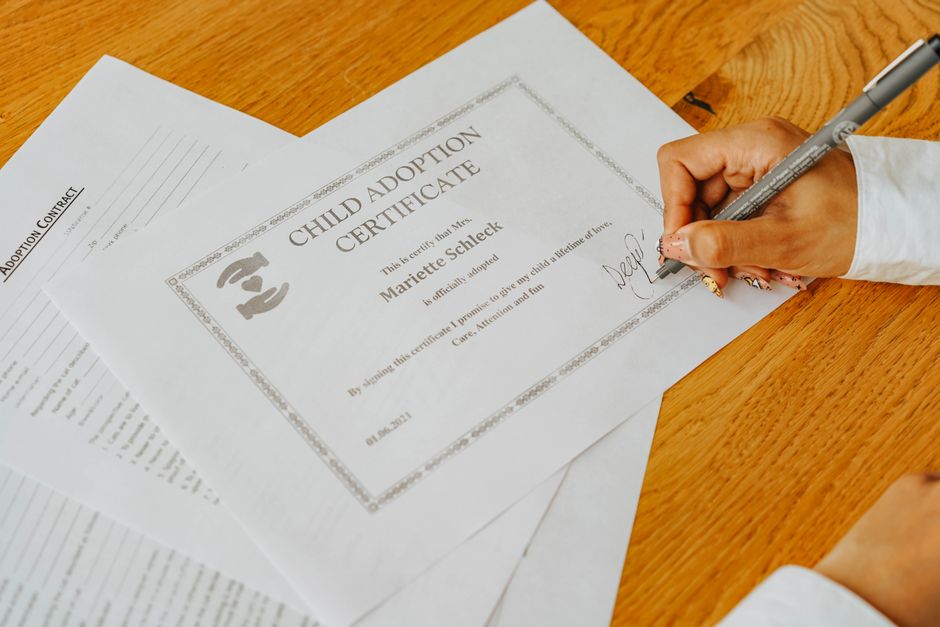
The Result: A Healthier, More Natural Cat
A cat that keeps its natural claws, combined with consistent trimming and the right scratching outlets, avoids the chronic pain and behavioral risks tied to declawing — while still protecting your furniture with a bit of ongoing management.
The Anatomy Behind Why It Hurts
Understanding the actual anatomy involved helps explain why declawing is so much more invasive than the name suggests. A cat’s claw is fused to the last bone of each toe, meaning declawing surgery amputates that entire bone segment, not just the visible nail — comparable to amputating a human finger at the last knuckle rather than simply trimming a fingernail. This distinction is often lost on adopters who assume the procedure is roughly equivalent to a very short nail trim, when it’s actually a permanent, irreversible bone amputation across all affected toes.
Legal Restrictions in Some Areas
Beyond shelter policy, some cities and states have gone further and legally restricted or banned elective declawing outright, reflecting the same welfare concerns driving shelter adoption contracts. Checking your local and state regulations is worth doing even independent of any shelter’s specific policy, since legal restrictions can apply regardless of where you originally adopted your cat or what any prior adoption agreement specified.
Addressing Scratching Damage Realistically
For owners genuinely worried about furniture damage, combining several of the humane alternatives — nail caps applied regularly, an appealing scratching post placed exactly where a cat already prefers to scratch, and consistent redirection when a cat targets the wrong surface — tends to produce meaningfully better results than any single approach alone. Most scratching-related furniture damage is manageable with this kind of layered strategy, without needing to resort to a procedure with such significant, permanent welfare costs for the cat.
If You Adopted a Cat That Was Already Declawed
If you’ve adopted or already own a cat that was declawed before it came to you, it’s worth knowing this doesn’t mean lasting problems are inevitable — many already-declawed cats live comfortable, happy lives, particularly with attentive care, soft bedding for pressure-sensitive paws, and prompt veterinary attention if any mobility or behavioral changes emerge later in life. The information here is meant to guide future decisions, not to suggest anything is wrong with a cat that’s already undergone the procedure through no choice of its current owner.
Talking to Family Members Who Assume Declawing Is Standard
It’s still common for people unfamiliar with current veterinary consensus to assume declawing is a routine, low-stakes procedure, sometimes because it was more casually performed decades ago. If a family member or friend suggests declawing a cat, sharing the specific anatomical reality — that it’s a bone amputation, not a nail trim — alongside the humane alternatives covered here tends to be a more persuasive conversation than simply stating that shelters discourage it, since the underlying reasoning matters more than the rule itself.
The Bigger Picture: Welfare Standards Keep Evolving
The shift away from declawing reflects a broader pattern in veterinary and shelter medicine — procedures once considered routine get re-evaluated as research accumulates, and standards of care shift accordingly. This same evolution has played out with other once-common practices in animal care, and it’s a healthy sign of a field genuinely committed to improving outcomes for animals over time, rather than clinging to older norms simply because they were once widely accepted without question.
Choosing not to declaw, and instead investing a little time in the humane alternatives outlined here, is one of the clearest, most concrete ways any individual owner can align their own everyday care decisions with this broader, ongoing, and genuinely encouraging shift toward much better overall feline welfare standards across the entire industry over time, for the lasting, genuine, and truly lifelong benefit of cats absolutely everywhere.
Frequently Asked Questions
Why exactly do shelters oppose declawing?
Declawing changes the way a cat walks, and over time that altered gait can cause chronic pain. It’s also linked to behavioral issues like litter box avoidance and biting — problems that themselves are common reasons cats get surrendered later.
Do all animal protection organizations oppose declawing?
Yes — all major animal protection organizations oppose declawing for non-therapeutic purposes, viewing it as inconsistent with modern feline welfare science.
What are the actual alternatives to declawing?
Regular nail trimming, soft nail caps, spray deterrents, and scratching posts (sometimes with catnip for extra appeal) are the standard humane alternatives.
Will a shelter refuse to let me adopt if I plan to declaw?
Some will — a growing number of shelters implement adoption contracts that specifically prohibit post-adoption declawing, and some will decline to place a cat with an adopter who states that intention upfront.
Adopting With Us?
Cats By The Tracks requires a no-declaw commitment as part of every adoption, for the health of every cat we place.