
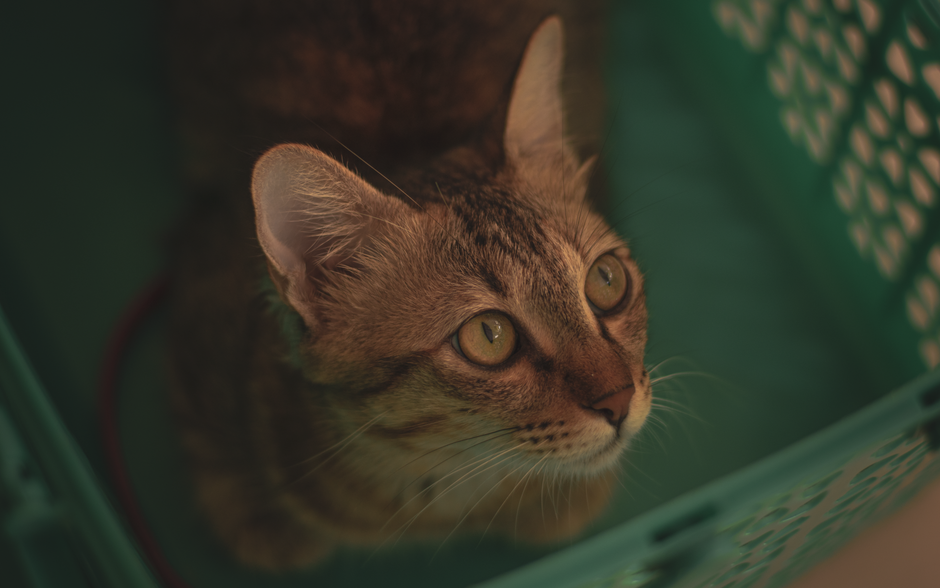
Salinas has two main cat adoption paths — a long-established nonprofit SPCA and the county’s own Hitchcock Road animal services. Here’s what to know about each.
SPCA for Monterey County
SPCA Monterey County has served the animals and people of Monterey County since 1905, with an adoption center at 1002 Monterey-Salinas Highway, across from WeatherTech Raceway Laguna Seca.

Cat adoption fees range from $65.00 to $290.00 or more, since the SPCA charges differential rates based on factors like breed, size, and age — some animals are seen as more in-demand than others, and pricing reflects that. Every fee includes spay/neuter surgery, microchip identification, rabies and other age-appropriate vaccinations, SPCA identification, and a health evaluation.
Monterey County Animal Services
The county-run Hitchcock Road Animal Services facility is a separate option from the SPCA, worth checking for a different selection and fee structure.
Why the Fee Range Matters
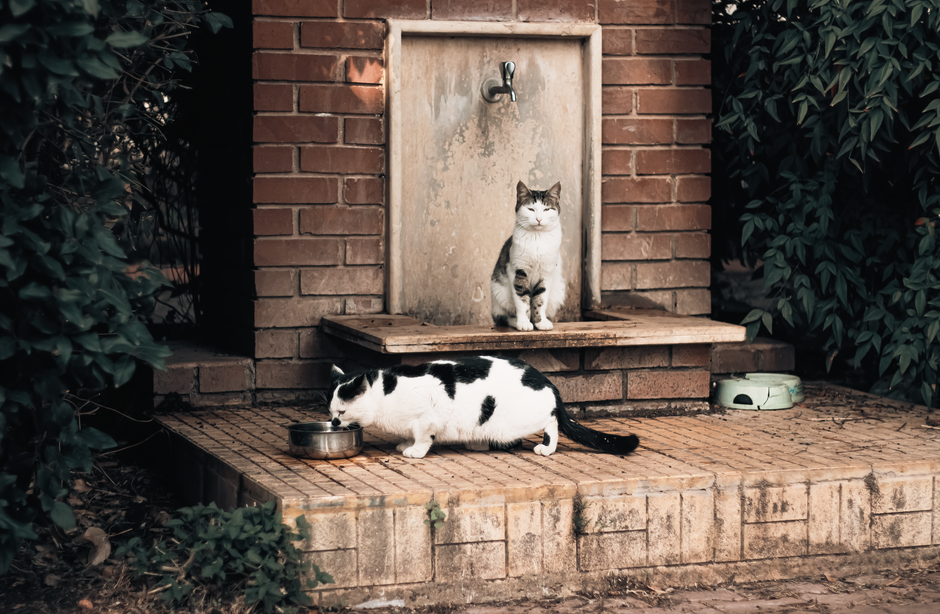
Since SPCA Monterey County’s fees vary meaningfully by the specific cat, it’s worth calling ahead — (831) 373-2631 — to get an accurate quote for a cat you’re interested in, rather than assuming a single flat number applies.
Before You Adopt
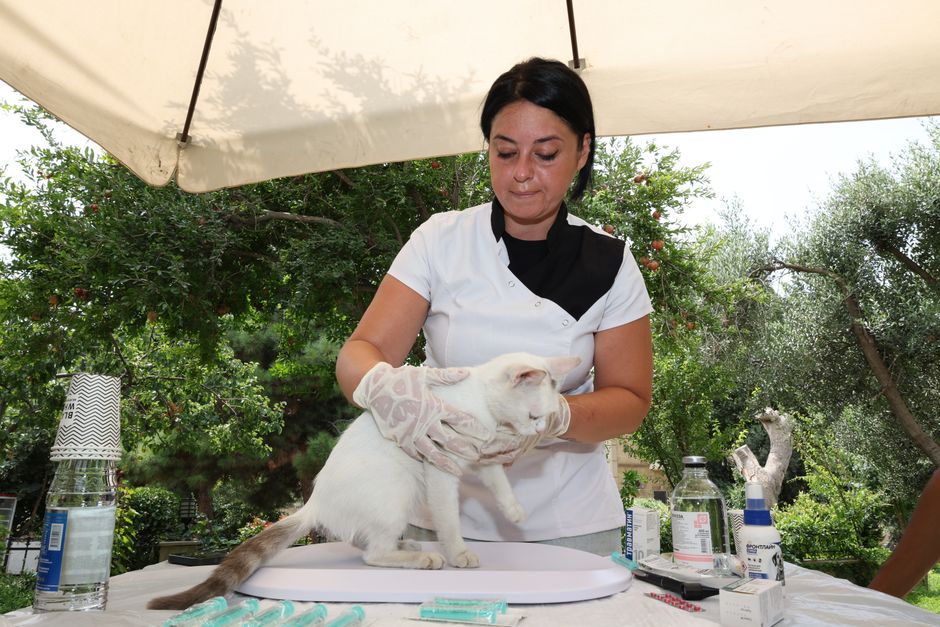
See our guide to cat-proofing your home before adoption before bringing a cat home.
Weighing a Kitten vs. an Adult Cat
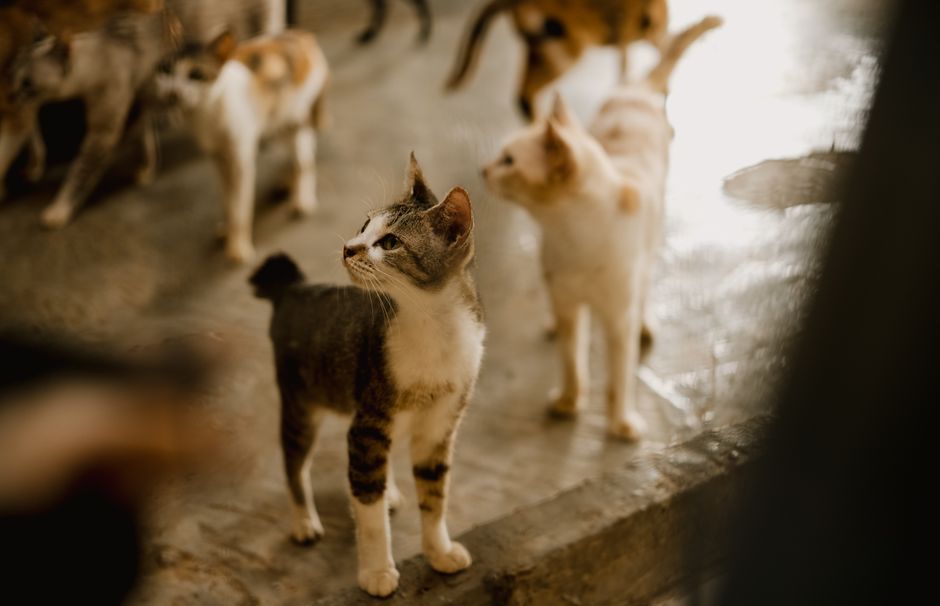
Whichever organization you choose, it’s worth genuinely weighing an adult cat against a kitten rather than defaulting to the more common first instinct. Adult cats generally arrive with an already-formed personality, making it easier to predict how they’ll fit your household, while kittens require significantly more supervision and kitten-proofing throughout their first year.
Budgeting Beyond the Adoption Fee
Whichever option you choose, plan for costs beyond the fee itself — a litter box, litter, food and water bowls, a scratching post, and a first round of supplies ready before pickup day. Ongoing veterinary costs, including annual wellness visits and dental care as your cat ages, add up over the years, and pet insurance is worth researching within the first few weeks of adoption, before any condition becomes a pre-existing exclusion on a policy.
Settling In After You Get Home
Set up a single quiet room with food, water, a litter box, and a hiding spot before giving your new cat access to the rest of the house, rather than introducing it to every room and family member at once. A calmer, more gradual first week tends to produce a noticeably more confident, settled cat over the following month.
Multi-Cat Households and Introductions
If you already have a cat at home, plan for a gradual introduction over several days rather than a same-day meeting. Keep the new cat in its own separate room at first, swapping bedding between the two so each becomes familiar with the other’s scent before any direct interaction — rushing this step is one of the most common reasons an otherwise good match gets off to a rocky start.
Give the Adjustment Time
Whichever cat you bring home, give it real time to settle before drawing conclusions about its personality. A cat that seems withdrawn or nervous in its first days at home is not necessarily reflective of how it will behave once it’s had a few weeks to adjust — many adopters report a noticeably more confident, affectionate cat emerges after the first month than the one they initially brought home.
One Last Thing to Keep in Mind
Both organizations serve overlapping but distinct populations of cats, so checking both before committing can widen your options considerably, especially given how much SPCA Monterey County’s fees vary by the specific animal.
Multi-Cat Households and Introductions
If you already have a cat at home, plan for a gradual introduction over several days rather than a same-day meeting. Keep the new cat in its own separate room at first, swapping bedding between the two so each becomes familiar with the other’s scent before any direct interaction — rushing this step is one of the most common reasons an otherwise good match gets off to a rocky start.
Coastal Climate Considerations
Salinas Valley’s mild, coastal-influenced climate is generally comfortable for cats year-round, with fewer extreme temperature swings than the Central Valley or desert regions — a genuine advantage for a newly adopted cat still building tolerance for its new environment.
Weighing a Kitten vs. an Adult Cat
It’s also worth genuinely weighing an adult cat against a kitten, whichever organization you adopt from. Adult cats generally arrive with an already-formed personality, making it easier to predict how they’ll fit your household, while kittens require significantly more supervision and kitten-proofing throughout their first year.
Budgeting Beyond the Adoption Fee
Beyond whatever fee you’re quoted, plan for ongoing costs — a litter box, litter, food and water bowls, a scratching post, and routine veterinary care as the years go by. Pet insurance is worth researching within the first few weeks of adoption, before any condition becomes a pre-existing exclusion on a policy.
If you already have a cat at home, plan for a gradual introduction over several days rather than a same-day meeting, keeping the new cat in its own separate room at first so each becomes familiar with the other’s scent before any direct interaction — rushing this step is one of the most common reasons an otherwise good match gets off to a rocky start.
Whichever organization you visit, calling ahead to confirm current fees and availability saves a wasted trip, especially given how much SPCA Monterey County’s pricing can vary by the specific cat’s breed, size, and age category. This kind of quick check before making the drive out to either specific location is always worth the extra few minutes of your time and the gas money spent getting there.
Frequently Asked Questions
Why does SPCA Monterey County have such a wide fee range?
Fees range from $65 to $290 or more because the SPCA charges differential rates based on factors like breed, size, and age, with certain animals seen as more in-demand than others.
What does the SPCA Monterey County fee include?
Spay/neuter surgery, microchip identification, rabies vaccination and other age-appropriate vaccinations, SPCA identification, and a health evaluation.
Where is SPCA Monterey County located?
1002 Monterey-Salinas Highway, across from WeatherTech Raceway Laguna Seca. Call (831) 373-2631 with questions.
Is there a county-run alternative to SPCA Monterey County?
Yes — Monterey County Animal Services operates the Hitchcock Road facility as a separate, county-run option.
Not in Salinas? We Can Still Help
Cats By The Tracks is a foster-based rescue serving Fresno and the Central Valley.