
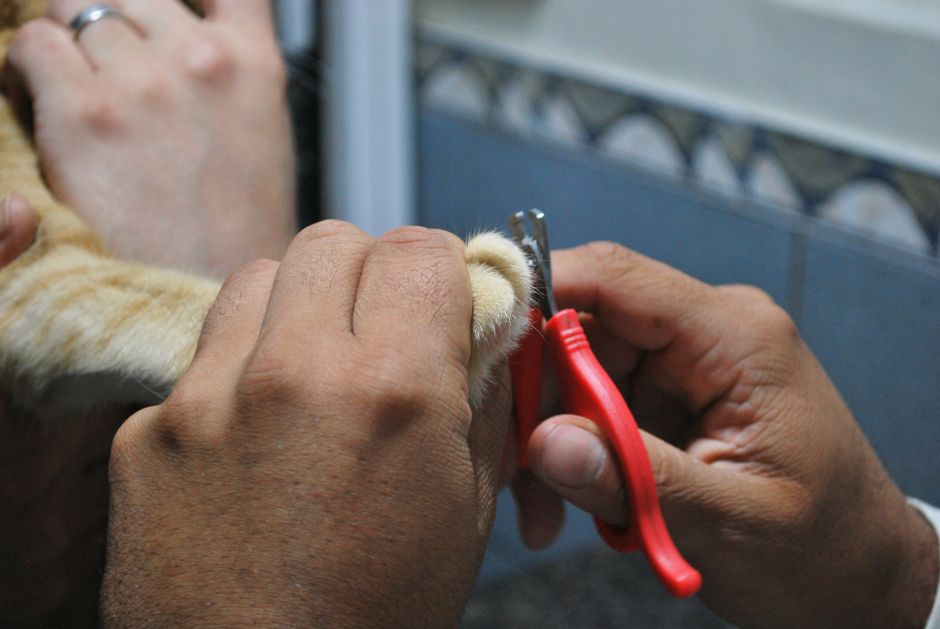
Nail trims intimidate a lot of cat owners more than they need to — the technique itself is simple, and the real key to success is picking the right moment and having the right tools ready.
Timing Matters More Than Technique
Pick a time when your cat is relaxed — after a meal or a play session tends to work well — and find a quiet, well-lit spot where you won’t be interrupted. Your cat’s emotional state before you ever pick up the clippers is the single biggest factor in how the trim goes.
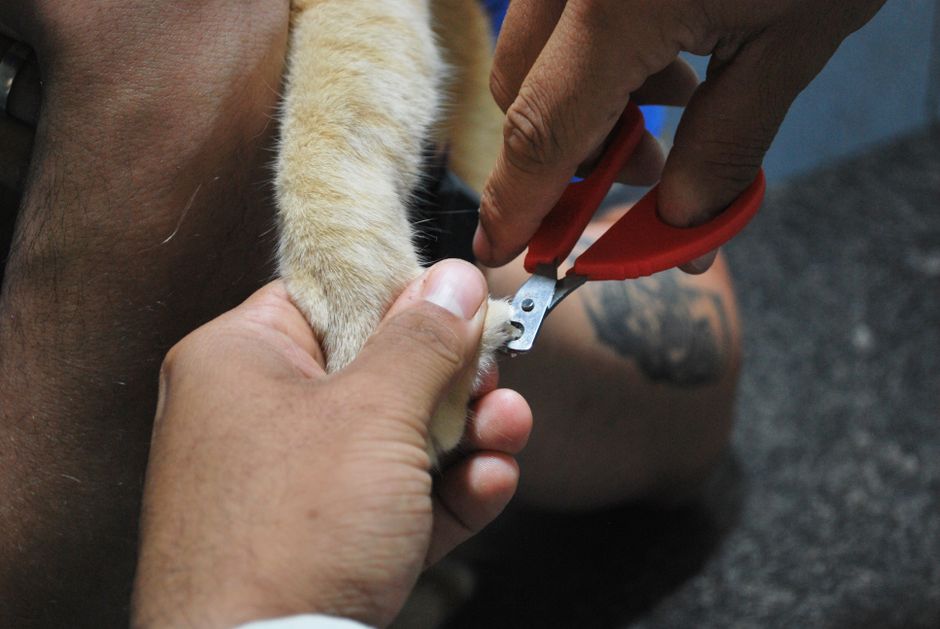
Tools You’ll Need
- Nail clippers specifically designed for cats (not human clippers)
- A nail file or emery board
- Styptic powder, in case you accidentally cut the quick
The Trimming Technique
Let your cat settle on your lap or a sturdy surface, gently hold the paw, and press on the pad to extend the claw. Trim only the sharp tip, and pause immediately if your cat wriggles or tries to pull away rather than forcing it. On light-colored claws, the quick is visible as a pinkish line, making it easy to avoid; on dark claws, where you can’t see the quick, trim only the sharp curved tip to stay safely clear of it.

Don’t Skip the Dewclaws
Dewclaws — the small claws located higher up on the inner side of the front legs — never touch the ground and get no natural wear at all from walking or scratching. This makes them one of the nails most likely to curve back toward the paw pad and become painfully embedded if they’re overlooked during regular trims.
If You Cut Too Short
Cutting into the quick is painful for your cat and can cause bleeding, but it’s manageable — apply styptic powder, a silver nitrate stick, or cauterizing powder directly to the nail to stop the bleeding. It’s not typically an emergency, but it’s worth having styptic powder on hand before you start, not after.
How Often to Trim
Most cats need a nail trim every 2 to 4 weeks, depending on their activity level, age, and how much natural wear they get from scratching posts and normal activity. A cat with regular access to a good scratching post may need trims less often than one that doesn’t scratch much.

If Your Cat Won’t Tolerate Trimming
Some cats never fully relax during nail trims no matter how gently or gradually you approach it, and forcing the issue can turn a manageable task into a genuinely stressful, potentially injurious struggle for both of you. If this describes your cat, consider trimming just one or two nails per short session rather than all of them at once, spreading the full trim across several days. For cats that remain genuinely impossible to handle safely, a groomer or veterinary technician can typically manage a trim more quickly and calmly than an owner working against active resistance.
Building a Positive Association Early
If you’re starting with a kitten, handling its paws gently and regularly from a young age — even outside of actual trimming sessions — builds tolerance for the sensation well before nail trims become a real necessity. This kind of early, low-stakes handling practice pays off considerably later, since a cat accustomed to having its paws touched is far less likely to resist an actual trim than one experiencing paw handling for the first time as an adult.
Alternatives Worth Knowing About
If regular trimming genuinely isn’t working for your household, adhesive nail caps are a reasonably popular alternative that blunt sharp tips without requiring a full trim, though they need periodic replacement as claws grow. A robust scratching post setup, paired with regular play that encourages natural claw use, also helps keep nails somewhat maintained on their own, even though it doesn’t fully replace the need for occasional trims.
Trimming a Fearful or Aggressive Cat Safely
For a cat that reacts with genuine fear or aggression during handling, wrapping it snugly in a towel with just one paw exposed at a time — sometimes called a “purrito” wrap — can help both of you stay calmer and safer during the process. Having a second person help hold and comfort the cat while you trim also reduces the chance of an accidental scratch or bite, and splitting the job this way is often the difference between a manageable trim and one that ends with an injured owner and an even more stressed cat.
Signs You Should Stop for the Day
Watch for escalating stress signs during a trim — dilated pupils, a thrashing tail, or vocalizing beyond a normal meow — and be willing to stop and try again later rather than pushing through to finish every nail in one sitting. A cat that has a genuinely bad experience during a trim tends to resist future attempts even more strongly, so ending on a calmer note, even with fewer nails done, is usually the better long-term strategy.
Regular trims are a small, manageable part of cat ownership once you find a rhythm that works for both you and your cat — and the payoff, in furniture spared and paws kept healthy, is well worth the modest time investment every few weeks.
With a little patience and the right tools on hand, most cats can learn to tolerate — if not exactly enjoy — a routine nail trim without major drama.
Frequently Asked Questions
How often should I trim my cat’s nails?
Most cats need a trim every 2 to 4 weeks, depending on activity level, age, and how much natural wear they get from scratching.
What if I accidentally cut the quick?
Apply styptic powder, a silver nitrate stick, or cauterizing powder to stop the bleeding — it’s painful for the cat but not typically dangerous if addressed promptly.
Why are dewclaws especially important to check?
Dewclaws sit higher on the inner leg and never touch the ground, so they get no natural wear at all — they’re the nail most likely to curve back and become embedded in the paw pad if neglected.
How can I tell where the quick is on dark nails?
On light claws, the quick is visible as a pinkish line, making it easy to avoid. On dark claws, where the quick isn’t visible, trim only the sharp curved tip to stay safely clear of it.
Questions About Cat Care?
Cats By The Tracks is happy to help with grooming and care questions for cats adopted through us.