

This is one of the most debated questions in cat ownership, and the honest answer is that indoor living carries a clear, well-documented lifespan advantage — but that doesn’t mean outdoor access can’t be managed more safely than an all-or-nothing choice implies.
The Lifespan Gap Is Real
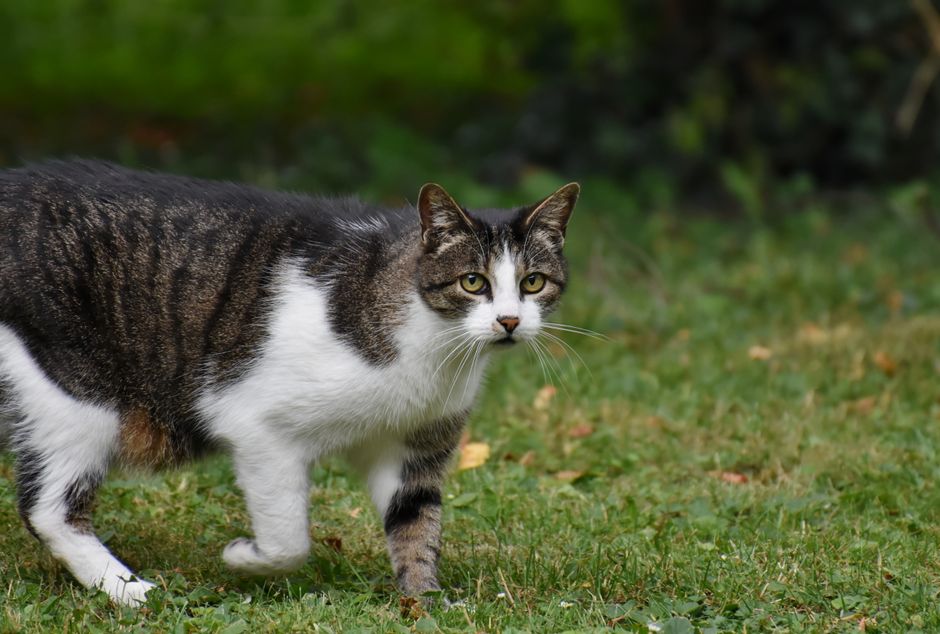
A 2022 UC Davis study published in PLOS One confirmed what veterinarians have generally observed: indoor cats typically live around 12 to 18 years, while outdoor-only cats often face a lifespan of just 2 to 5 years. The difference comes down to a cluster of preventable risks — cars, predators, harsh weather, contagious disease, and parasites — that indoor cats are simply never exposed to.
Specific Outdoor Health Risks
- Higher risk of Feline Immunodeficiency Virus (FIV) and Feline Leukemia Virus (FeLV)
- Greater exposure to fleas, ticks, and intestinal parasites
- Risk of rabies exposure through contact with wildlife
- Injury risk from vehicles, other animals, and territorial fights with other cats
Our guide to FIV and FeLV in cats covers what these specific outdoor-linked illnesses mean for a cat’s long-term health, and why so many rescues push hard for indoor-only or supervised outdoor access.
The Case for Some Outdoor Access
Outdoor cats do get more natural exercise and mental stimulation, and some cats are genuinely happier with at least some outdoor time. The challenge is finding a way to provide that without the full risk profile of unsupervised, unrestricted roaming.
Catios: A Safer Middle Ground
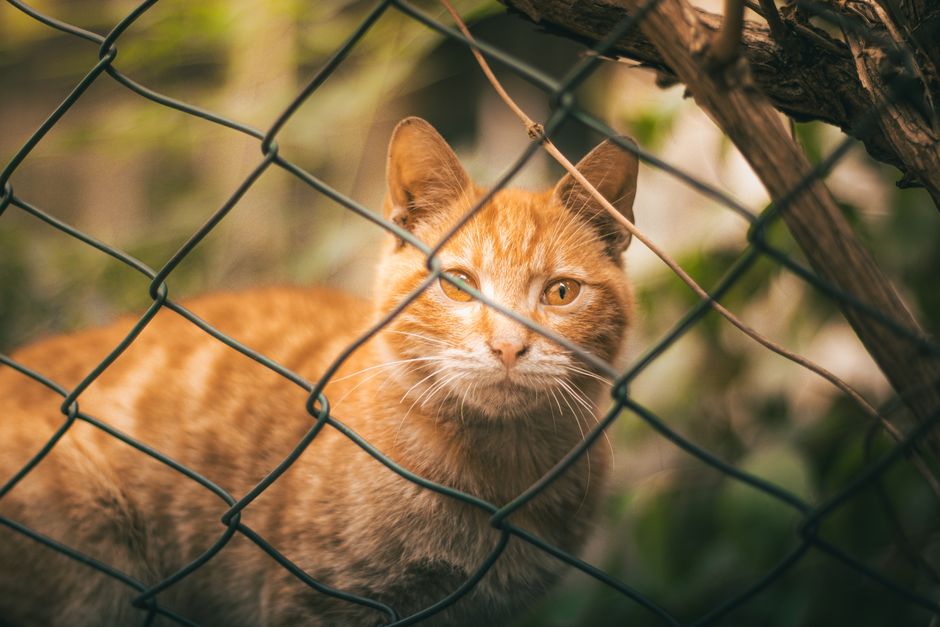
A catio — an enclosed outdoor patio or space, connected to a home, installed on a balcony, or built as a standalone structure — gives a cat real access to fresh air, climbing, and bird-watching while staying fully protected from cars, predators, and disease exposure.
Keeping an Indoor Cat Enriched
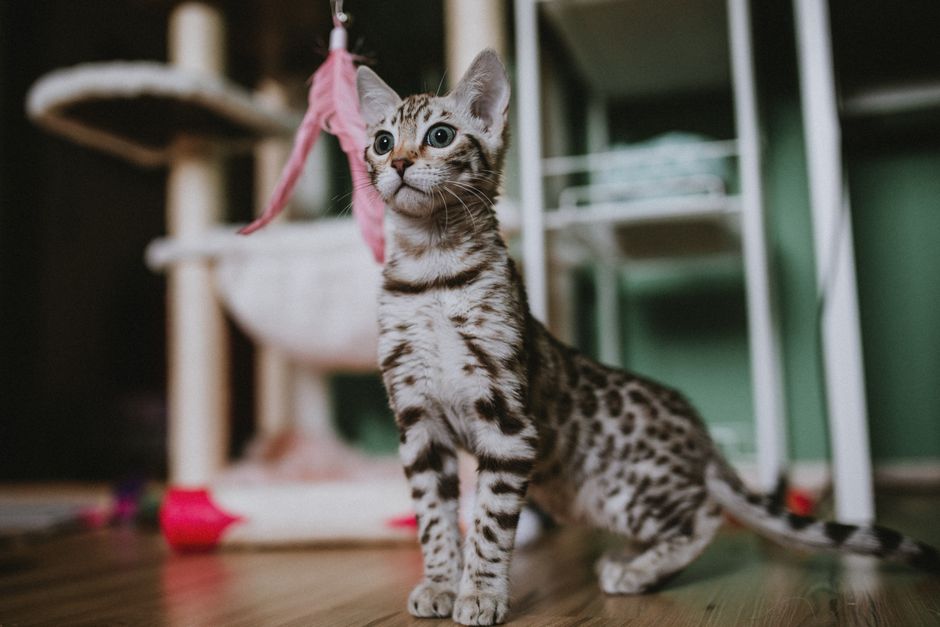
The tradeoff for indoor safety is that owners need to work harder at enrichment. Cats that don’t get enough mental stimulation indoors can become bored, stressed, or overweight — all avoidable with some deliberate setup.
- Cat trees and vertical climbing space
- Window perches for outdoor viewing without outdoor risk
- Interactive toys and regular play sessions
- Food puzzles or scattered feeding to encourage natural foraging behavior
Leash Training as Another Option
Some indoor cats can be leash-trained for supervised outdoor time using a properly fitted harness — never a standard collar, which cats can easily slip out of. This isn’t the right fit for every cat, but it’s another way to offer controlled outdoor exposure without full free-roaming risk.
Making the Choice for Your Cat
- Indoor-only remains the recommendation with the strongest lifespan and health data behind it
- A catio offers real outdoor experience with none of the major outdoor risks
- Leash training can work for the right temperament, with proper equipment and patience
- Fully unsupervised outdoor access carries the highest risk profile of any option
Transitioning an Outdoor Cat to Indoor Living
If you’re adopting a cat that previously had outdoor access, or you’ve decided to transition your own outdoor cat indoors, expect some resistance at first — a cat used to roaming freely may initially scratch at doors or seem restless. Gradual transition, paired with genuinely engaging enrichment introduced before you cut off outdoor access entirely, tends to go much better than an abrupt switch. Increasing play sessions and vertical space in the weeks leading up to the change can meaningfully ease the adjustment.
The Neighborhood Impact of Outdoor Cats
Beyond a cat’s own safety, unsupervised outdoor cats have a measurable impact on local wildlife, particularly songbirds and small mammals — a factor worth considering alongside the direct health risks to the cat itself. This is one of several reasons wildlife conservation groups and veterinary organizations alike tend to recommend indoor or contained outdoor access over free-roaming, even setting aside the cat’s own safety entirely.
What If You’re Not Sure Which Is Right for Your Cat?
If you’re genuinely torn, starting with strict indoor living and a catio or leash-training option, rather than defaulting to full outdoor access, is the lower-risk path — you can always add supervised outdoor time later, but health issues or an accident from unsupervised roaming can’t be undone. When in doubt, a conversation with your vet about your specific cat’s temperament and your local environment’s specific risks can help you make a more informed, cat-specific decision rather than relying on general rules alone.
What Kittens Need Differently Than Adult Cats
The indoor-vs-outdoor decision matters even more for kittens than adult cats, since a kitten’s smaller size and undeveloped street sense make outdoor risks meaningfully higher at a young age. Most veterinarians and rescues recommend keeping kittens strictly indoors until at least fully grown and spayed or neutered, regardless of what outdoor policy you eventually settle on for the cat as an adult — the early months are simply too risky to introduce unsupervised outdoor access.
Regional Differences Worth Considering
The specific outdoor risks a cat faces vary meaningfully by region — a Central Valley property near open agricultural land carries different predator and traffic risks than a dense urban neighborhood, which in turn differs from a quiet suburban cul-de-sac. Talking to neighbors or a local vet about what specific outdoor hazards are common in your immediate area can help you calibrate a more informed decision than relying purely on general national guidance, which necessarily can’t account for every local variable.
Getting a Second Opinion
If you’re genuinely torn on this decision for a specific cat, ask your vet directly during a routine visit — they’ve likely seen the outcomes of both indoor and outdoor lifestyles across many patients over the years, and can speak to any breed- or health-specific factors relevant to your particular cat that general guidance can’t fully account for.
Frequently Asked Questions
How much longer do indoor cats really live?
Indoor cats typically live around 12 to 18 years, while outdoor-only cats often face a lifespan of just 2 to 5 years due to cars, predators, disease, and other outdoor risks — a 2022 UC Davis study confirmed indoor cats generally outlive outdoor-only cats.
What diseases are outdoor cats more at risk for?
Outdoor cats face meaningfully higher risk of FIV and FeLV, along with fleas, ticks, worms, and exposure to rabies through contact with wildlife.
Is a catio a good compromise?
Yes — a catio (an enclosed outdoor patio or space) lets a cat experience fresh air, climbing, and bird-watching while staying protected from cars, predators, and disease exposure.
Do indoor cats get bored without outdoor access?
They can, if under-stimulated — indoor cats need deliberate enrichment like cat trees, window perches, and interactive toys to avoid boredom, weight gain, or stress-related behavior issues.
Questions About a Specific Cat’s Needs?
Cats By The Tracks is happy to talk through indoor vs. outdoor considerations for any cat you’re adopting.