

Most cat-proofing checklists read like they’re written for a toddler, and honestly, a lot of the same hazards apply. The difference is cats climb, chew, and squeeze into places a toddler never could — so a few categories deserve extra attention before adoption day.
Toxic Plants: Check This First
Per the ASPCA Animal Poison Control Center, lilies are the most urgent plant to check for — every part of a true lily (leaves, pollen, even the water in the vase) can cause acute kidney failure in cats, and even small exposures can be fatal. This includes Easter lilies, tiger lilies, and daylilies.

| Plant | Risk Level |
|---|---|
| True lilies (Lilium, Hemerocallis species) | Severe — can cause fatal kidney failure |
| Sago palm | Severe — all parts toxic, primary concern is liver failure |
| Pothos, philodendron, peace lily, dumb cane | Moderate — calcium oxalate crystals irritate mouth and GI tract |
| Tulip and daffodil bulbs | Moderate to severe, concentrated in the bulb |
| Aloe vera | Mild to moderate — vomiting, diarrhea if ingested |
If you’re not sure about a plant already in your home, it’s worth checking the full ASPCA toxic and non-toxic plant list rather than guessing. If a cat does ingest something questionable, the ASPCA Animal Poison Control Center (1-888-426-4435) and the Pet Poison Helpline (1-855-764-7661) are both staffed for emergencies.
Electrical Cords and Small Wires
Cats and especially kittens chew on cords and lick outlets, which can mean anything from a mild shock to a real electrical or fire hazard. Tuck cords behind furniture, use cord covers or protective tubing, and unplug anything you’re not actively using.

Appliances and Enclosed Spaces
- Always check inside washers and dryers before starting them — cats climbing in for a warm nap is a well-documented hazard, and running the appliance with a cat inside can be fatal
- Keep dishwasher and oven doors closed when not in use
- Keep toilet lids down, since kittens especially can fall in and struggle to get out
- Watch for recliners, sleeper sofas, and pull-out beds — the internal mechanisms can crush or trap a cat that has crawled inside
Small Objects and Choking Hazards
Threads, rubber bands, hair ties, and plastic bag handles are easy to overlook but genuinely dangerous — string-like objects can cause serious internal injury if swallowed, sometimes requiring surgery to remove. Store plastic shopping bags out of reach, and do a sweep for loose thread, dental floss, and rubber bands, especially anywhere near sewing or craft supplies.
Medications deserve their own mention: common over-the-counter drugs like ibuprofen are toxic to cats even in small doses, and a dropped pill can look like a treat. Keep all medications in closed cabinets rather than on countertops or nightstands.
Windows, Screens, and Balconies
Check that window and door screens are properly installed and free of tears — a loose screen is one of the more common ways an indoor cat escapes or falls, sometimes without anyone noticing right away. If you have balconies or upper-floor windows that open, this is worth double-checking before adoption day rather than after.
Set Up a Safe Room First
Rather than cat-proofing (and opening up) the whole house on day one, set up a single room with food, water, a litter box, bedding, and a hiding spot. This gives a new cat, especially one that’s nervous, a manageable space to decompress in before you gradually expand access to the rest of the home.
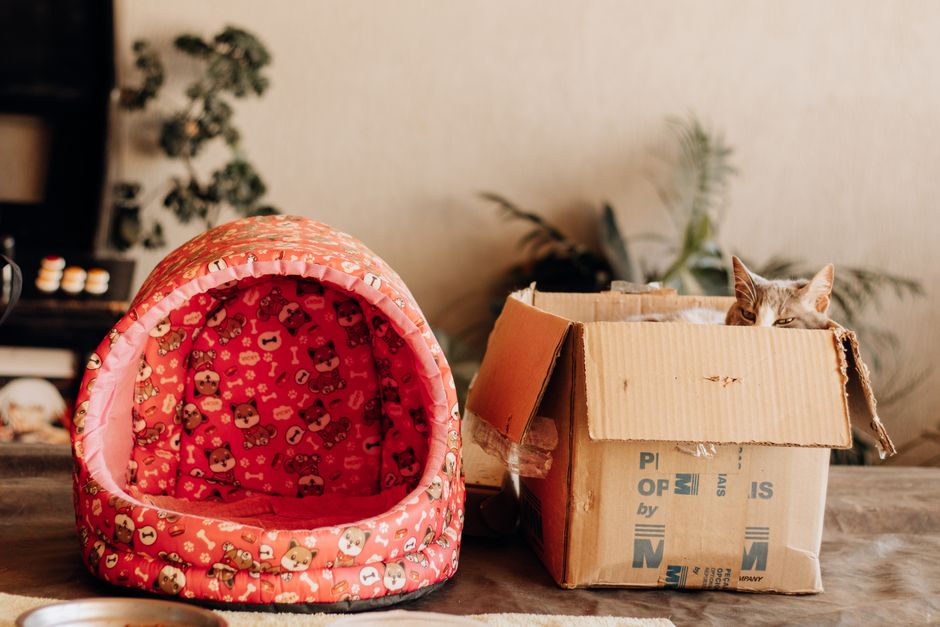
This staged approach lines up well with what to expect emotionally, too — see our guide to the first 30 days with a new cat for how a cat typically progresses from hiding in that first safe room to fully exploring the house.
If You Already Have Pets at Home
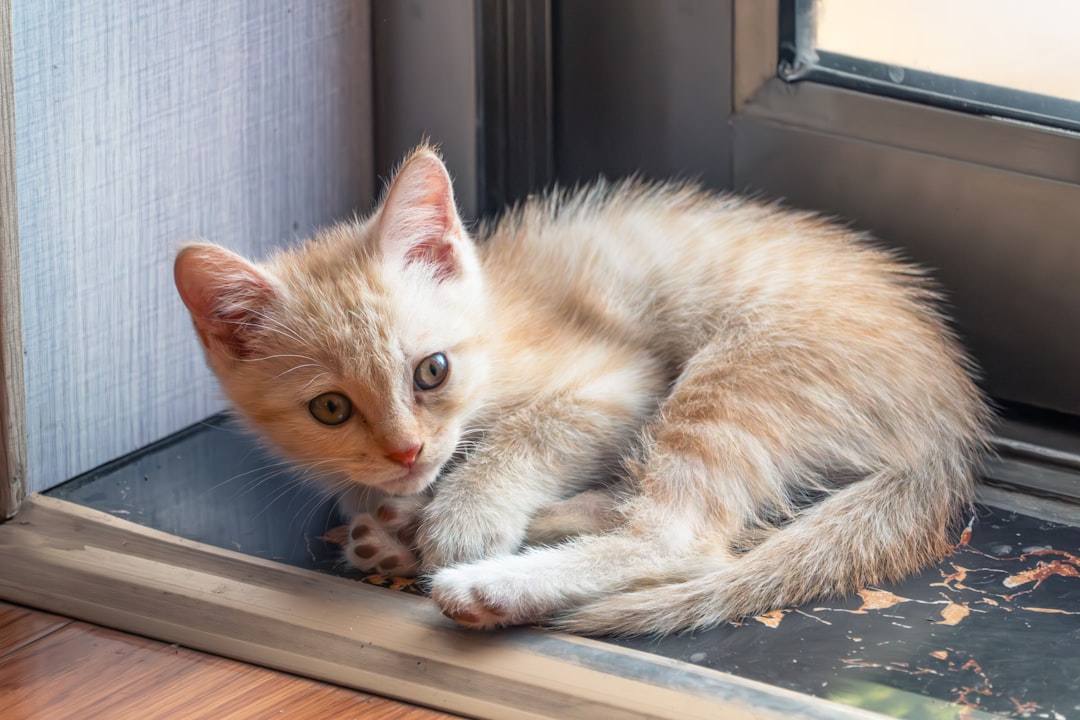
Cat-proofing for a multi-pet household adds a layer: separate food and water stations, and a litter box location the new cat can reach without crossing paths with a resident dog or cat right away. Our guide to introducing a new cat to resident pets covers the full introduction timeline in detail.
Quick Pre-Adoption Checklist
- Remove or relocate lilies and other toxic plants (check the full ASPCA list if unsure)
- Secure or cover loose electrical cords
- Check inside washers, dryers, and dishwashers before every use
- Close toilet lids and watch for recliner/sofa-bed mechanisms
- Clear small objects: thread, rubber bands, bag handles, dropped medication
- Inspect window and door screens for tears or looseness
- Set up one safe room with food, water, litter, and a hiding spot before opening up the rest of the house
Seasonal and Occasional Hazards
A few hazards are worth checking seasonally rather than just once before adoption day. Antifreeze, which tastes sweet to animals but is highly toxic even in tiny amounts, should be stored well out of reach and cleaned up immediately if spilled in a garage or driveway. During colder months, check that space heaters are placed where a curious cat can’t knock them over or get too close, and during holidays, tinsel, ribbon, and certain seasonal plants like poinsettias and holly deserve the same caution as everyday houseplants.
Garage and Storage Areas
If your cat will have any access to a garage, laundry room, or storage area, do a separate pass through those spaces specifically. Rodent poison, fertilizer, paint, and cleaning chemicals are commonly stored in these areas and are often more toxic, pound for pound, than anything found in a typical living room. Keeping these spaces off-limits entirely is simpler and safer than trying to cat-proof every shelf and cabinet within them.
Frequently Asked Questions
How long before adoption should I cat-proof my home?
A few days is plenty for most homes — the checklist is mostly removal and securing, not renovation. Prioritize toxic plants and loose cords first since those carry the most serious risk.
Are lilies really dangerous, or is that overstated?
It’s not overstated. Every part of a true lily — leaves, pollen, even the vase water — can cause acute kidney failure in cats, and even small exposures can be fatal. Lilies are the single most important plant to remove before a cat comes home.
Should I cat-proof the whole house at once?
No — start with one room. Set up a single cat-proofed space with food, water, litter, and a hiding spot for the first few days, then expand access to the rest of the home gradually as the cat settles in.
What household pills are dangerous to cats?
Common over-the-counter medications like ibuprofen and acetaminophen are toxic to cats even in small doses. Store all medications in closed cabinets, not on countertops or nightstands where a curious cat can knock them down.
Ready to Bring a Cat Home?
Once your home is ready, Cats By The Tracks can help match you with a cat that fits your household.